REVIEW · BORDEAUX
“FRENCH EXCELLENCE” : Fine Wines & Delicacies pairing Workshop
Book on Viator →Operated by Olala Bordeaux · Bookable on Viator
Bordeaux tastes better when you’re not rushing. This French Excellence workshop turns a short 1 hour 30 minutes into a hands-on food and wine pairing session focused on iconic local delicacies. I like that it’s built around real Bordeaux bottles (including classified growths and old vintages) paired with recognizable favorites like caviar and foie gras.
Second, I love the way the guide explains the why behind each match, so you’re not just sipping and hoping. You get to talk, ask questions, and swap impressions in a group that stays small.
One thing to plan for: this is a premium tasting. The wines are the kind you may find pricey if you compare it to cheaper wine-and-snack stops.
In This Review
- Key things to know before you book
- French Excellence in Bordeaux: what you’re really paying for
- The small-group setup at 2ter Rue Mably
- The core format: five Bordeaux wines plus classic French bites
- The wine selection: classified growths and old vintages
- Pairing #1: caviar and the art of salt balance
- Pairing #2: sturgeon with caviar rillettes on toast
- Pairing #3: artisanal foie gras and the wine that can handle richness
- Pairing #4: dried duck magret and the savory, smoky side of the palate
- Pairing #5: cheese and the question of tang, fat, and aging
- Pairing #6: Bordeaux bean-to-bar chocolate and how sweetness meets wine
- Why the guide’s explanations matter (and how to get the most out of them)
- Price and value: worth it if you want depth, not just tasting
- Who this workshop is best for
- Timing, duration, and how to fit it into your day
- Should you book French Excellence in Bordeaux?
- FAQ
- What is the duration of the French Excellence pairing workshop?
- Where does the workshop start in Bordeaux?
- How many wines and pairings will I taste?
- Is the workshop offered in English?
- What group size should I expect?
- What’s included in the price?
- Can I get a full refund if I cancel?
Key things to know before you book

- Five Bordeaux wines, including 3 Classified Growths and old vintages, so you taste beyond the everyday pour.
- Six-ish classic delicacies show up in standout pairings: caviar, foie gras, duck magret, cheese, and Bordeaux bean-to-bar chocolate.
- A participative format: you’re encouraged to ask questions and share reactions, not just sit quietly.
- English is offered, which makes the pairing logic easier to follow.
- Max 10 travelers means more time at the table with the guide.
- A short, tight schedule at 11:00 am, ideal if you want quality without losing a whole day.
French Excellence in Bordeaux: what you’re really paying for

For $108.37 per person, you’re buying more than wine samples. You’re buying structured pairing education plus five Bordeaux tastings, with premium ingredients like caviar and artisanal foie gras showing up on the same table.
That matters because pairing tastings can drift into two extremes: either they’re too basic, or they’re so fancy you can’t tell what you’re supposed to taste. This workshop sits in the middle. You’re asked to notice specific flavors, then you’re told what likely drives the match—salt, fat, smoke, texture, and sweetness. It’s the difference between entertainment and learning.
And yes, you’ll still taste delicious things. But the real value is that you get pairing context while your palate is fresh, not hours later with a vague memory.
You can also read our reviews of more wine tours in Bordeaux

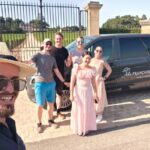
The small-group setup at 2ter Rue Mably

The session starts at 2ter Rue Mably, 33000 Bordeaux. It’s a practical meeting point near public transportation, and being in a tight time window means you can plan the rest of your morning without stress.
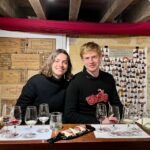
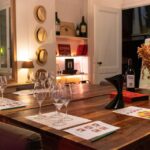
With a maximum of 10 travelers, the vibe stays friendly. That size is big enough for lively conversation, but small enough that you should be able to ask direct questions about what you’re tasting.
Plan to arrive a few minutes early. In a short workshop, every minute you save helps you settle in before the first pour.
The core format: five Bordeaux wines plus classic French bites
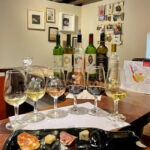
Here’s the heart of the experience: you taste 5 fine Bordeaux wines and pair them with iconic French delicacies. The lineup includes:
- Caviar
- Sturgeon with caviar rillettes toasts
- Artisanal foie gras
- Artisanal dried duck magret
- Cheese
- Bean-to-bar chocolate made in Bordeaux
Each pairing comes with discussion. You’ll hear about the products, their background, and the reasons the match makes sense. The goal is also playful: you should feel a little surprise when something works that you didn’t expect.
That “alchemy” idea is real in pairing terms. It’s what happens when wine acidity cuts through richness, salt intensifies aromatics, or chocolate’s cocoa notes echo certain wine styles. In other words: you’re not just mixing flavors. You’re experimenting with balance.
The wine selection: classified growths and old vintages

The workshop’s wine list is a big deal. You’ll taste five Bordeaux wines, including 3 Classified Growths plus old vintages. That combo gives you a range of what Bordeaux can do—from structured, cellar-aged complexity to deeper, more mature flavors.
Why this helps you: most casual tastings focus on youth and easy drinkability. Old vintages shift the conversation toward how Bordeaux develops on the palate—secondary aromas, softened tannins, and a more integrated feel.
If you’re the kind of person who enjoys learning what a region can do when it’s allowed time, you’ll likely appreciate the thought behind including older bottles, not just “beginner friendly” picks.
Pairing #1: caviar and the art of salt balance

Caviar is not just fancy food. It’s a texture lesson. You get small bursts of briny flavor, with a clean, almost mineral hit that can make the wrong wine taste dull or harsh.
In a well-run pairing, the wine should either:
- keep the palate refreshed so the salt doesn’t feel overpowering, or
- add a layer of richness so the caviar feels round instead of sharp.
This workshop includes caviar as an early pairing, which is smart. Caviar helps “wake up” your palate fast, and it sets the tone for why balance matters in Bordeaux: acidity, body, and aromatics all play a role.
A few more Bordeaux tours and experiences worth a look

Pairing #2: sturgeon with caviar rillettes on toast

Next comes sturgeon with caviar rillettes toasts. This is where texture turns up the volume.
Toast and rillettes bring more fat and savoriness than plain caviar. That matters because a wine that worked for crisp brine can feel too light or too dry when you add creamy, savory spread.
When a workshop places this pairing in the sequence, it’s usually to demonstrate progression: salt to richness, then how the wine needs to “meet” the heavier bite. If you pay attention here, you’ll start tasting pairing logic instead of just enjoying flavors.
Pairing #3: artisanal foie gras and the wine that can handle richness
Foie gras is rich, smooth, and often slightly sweet. It can swallow delicate wines and punish tannic reds if they’re too drying.
So the pairing challenge is clear: you want enough structure or enough complementing character to make the foie gras taste lush rather than heavy.
What I like about this workshop choice is that it forces a key pairing skill. You learn that foie gras is not about matching something similar in richness; it’s about matching balance. You should notice how the wine’s acidity, sweetness cues (even subtle ones), or aromatic profile can make the foie gras feel cleaner.
Pairing #4: dried duck magret and the savory, smoky side of the palate

Then you get artisanal dried duck magret. Dried duck tends to bring deeper savory notes—think cured, slightly smoky, and persistent.
This pairing is usually where wines start showing off their temperament. If the wine has enough fruit or aromatic lift, it can echo the duck’s character without fighting it. If it’s too flat, the food can dominate.
This is also a pairing where “unexpected” can really work. A workshop that invites curiosity will often choose a wine style that doesn’t sound like an obvious match at first—then you taste why it clicks.
Pairing #5: cheese and the question of tang, fat, and aging
Cheese is the classic wildcard. It has fat, acidity, and sometimes a nutty or earthy edge. The right wine won’t just taste fine with it; it should make the cheese seem more flavorful and the wine more expressive.
Since the workshop includes multiple wines across the lineup, cheese becomes a great test. If you’re paying attention, you’ll likely be able to feel the difference between wines that handle richness well versus wines that bring out sharpness.
Cheese also gives you a palate moment to reset after the cured meats and foie gras. It’s a satisfying bridge before the finale.
Pairing #6: Bordeaux bean-to-bar chocolate and how sweetness meets wine
Finally, you end with bean-to-bar chocolate made in Bordeaux. Chocolate is tricky because it has cocoa bitterness, cocoa butter richness, and sweetness—often all at once.
A good pairing here avoids two common mistakes:
- a wine that’s too harsh, making chocolate taste bitter, or
- a wine that’s too sweet, turning everything into sugar overload.
The best chocolate pairings feel smooth and clean, not sticky. If you love dessert pairings, this is a smart way to finish because it shows you how wine and chocolate can share structure rather than just compete for attention.
Why the guide’s explanations matter (and how to get the most out of them)
What makes this workshop more useful than a standard tasting is the way the guide talks through history and reasons behind each pairing. You’re encouraged to ask questions and share your impressions in a friendly way.
When you’re in that moment, here’s how you can make the explanation stick:
- Pay attention to one thing you notice first (salt, fat, smoke, cocoa).
- Then listen for the reason the wine was chosen for that specific bite.
- Ask a simple question like how the wine handles the next ingredient.
That turns the workshop into a toolkit you can use later in Bordeaux restaurants, wine shops, and even your own kitchen pairings.
Also, the pairing set is built from local excellence ingredients. It’s not just a random assortment of snacks. It’s a selection designed to look and taste like French excellence in a way that fits Bordeaux wine culture.
Price and value: worth it if you want depth, not just tasting
At $108.37 per person, this isn’t a budget wine tour. It’s priced like a premium tasting—because it is. Caviar, foie gras, and specialized chocolate aren’t cheap, and classified growth wines plus old vintages add real cost.
Here’s the value logic for you:
- If you want real learning and a guided structure, the price can feel justified quickly.
- If you’re mainly chasing quantity or looking for the cheapest way to taste Bordeaux, you might feel it’s steep.
A practical way to decide: think about what you’d pay for caviar plus a serious wine tasting somewhere else. If you like pairing education and you’re comfortable with premium ingredients, this workshop is a strong use of time.
Who this workshop is best for
This fits best if you:
- enjoy Bordeaux wine and want to taste classified growths without a full-day plan,
- like fine food but want pairing logic (not just hype),
- enjoy small-group conversations and questions,
- are the kind of person who stays curious when something sounds odd.
It’s also a great pick for a food-focused trip where you want one standout experience rather than many short stops.
Timing, duration, and how to fit it into your day
The session runs about 1 hour 30 minutes, starting at 11:00 am. That makes it easy to slot into a day of sightseeing without feeling rushed afterward.
Because it’s a compact workshop, plan to eat lightly before you go. You’ll have snacks and multiple pairings, so a huge breakfast can make the later courses less enjoyable. Going in with a normal appetite tends to produce the best tasting results.
Should you book French Excellence in Bordeaux?
Yes, if you want a focused Bordeaux pairing workshop that mixes premium local delicacies with real Bordeaux wines, including classified growths and old vintages. The small group size and interactive format make it feel like a guided tasting, not a conveyor belt.
Book it with extra confidence if you’re curious about why pairings work, especially with high-impact foods like caviar, foie gras, duck magret, and chocolate. If your main goal is cheap wine sampling, you may feel the price more than the value.
FAQ
What is the duration of the French Excellence pairing workshop?
The workshop lasts about 1 hour 30 minutes.
Where does the workshop start in Bordeaux?
It starts at 2ter Rue Mably, 33000 Bordeaux, France.
How many wines and pairings will I taste?
You’ll taste 5 fine Bordeaux wines and pair them with items including caviar, sturgeon with caviar rillettes toasts, artisanal foie gras, artisanal dried duck magret, cheese, and Bordeaux bean-to-bar chocolate.
Is the workshop offered in English?
Yes, it is offered in English.
What group size should I expect?
The workshop has a maximum of 10 travelers.
What’s included in the price?
The experience includes 5 fine Bordeaux wines, artisanal delicacies (like caviar, foie gras, dried duck magret, chocolate, and cheese), plus a guide.
Can I get a full refund if I cancel?
You can get a full refund if you cancel at least 24 hours before the experience’s start time.