REVIEW · PARIS
Fragonard Paris – Mini Perfume workshop – only in Spanish
Book on GetYourGuide →Operated by LE MUSEE DU PARFUM FRAGONARD · Bookable on GetYourGuide
A 45-minute perfume class beats a typical souvenir shop stop. This Fragonard mini workshop pairs a guided museum look with hands-on mixing, then sends you home with your own 12ml Eau de Toilette spray. If you love fragrance but don’t want a full-day commitment, it’s a smart, compact way to learn what’s actually going on behind the scent.
What I like most is the format: you get both the story and the bottle. The museum time focuses on old fragrance bottles and the craft side (from Grasse references to ornate historical containers), and the workshop follows with a practical blending exercise. One thing to consider: the pace is quick, so if you want lots of photos or slow, lingering explanations, you may feel rushed.
In This Review
- Key highlights to plan around
- Fragonard’s mini perfume workshop in an old mansion—what you’re really paying for
- The 45-minute flow: timing you can actually handle
- Inside the museum: rare bottles, craft objects, and perfume evolution
- The workshop lesson: olfactory pyramid, matching scents, then your 12ml spray
- Flor del Year and your olfactory memory: why this isn’t just a mixing gimmick
- Language-only reality: Spanish instruction and how to prepare
- What the museum experience feels like in practice: pacing and group attention
- Price and value: is $36 a fair deal for a museum plus a bottle?
- Who this suits best (and who might want a different option)
- Practical tips for a smoother, calmer experience
- Should you book the Fragonard Paris mini perfume workshop?
- FAQ
- Is the Fragonard mini perfume workshop offered in English?
- How long is the experience?
- What do I make during the workshop?
- Does the price include the museum visit?
- Where do I meet the group?
- Is food or drinks included?
- Can I bring oversized luggage?
- Is the workshop suitable for people with mobility impairments?
- Can I cancel or change my booking?
Key highlights to plan around
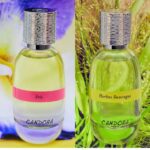
- 12ml Eau de Toilette you customize: You’ll leave with a spray-size bottle made during the session.
- Perfume museum tour (guided): You’ll see rare bottles and decorative craft objects, not just a few display cases.
- Olfactory pyramid and matching scents: You’ll hear how perception and mixing are taught in perfumery.
- Three mixed compositions: You practice recognition as they feed into the Flor del Year Eau de Toilette.
- Second Empire-style setting: The museum is described as an old private mansion atmosphere, which makes the tour feel like a small time capsule.
- Spanish-only instructor: You’ll get the full experience only if you’re comfortable following Spanish instructions.
Fragonard’s mini perfume workshop in an old mansion—what you’re really paying for

This isn’t just a “make a perfume” activity. You’re buying a shortcut into the world of perfume history and technique—wrapped into a single, fixed-length session. The price is $36 per person for a 45-minute experience that includes both a guided museum visit and your own 12ml creation.
Here’s why that matters for value. Many fragrance activities give you a bottle but skip the context. This one does the opposite: you first get a museum-style guided tour through old bottles, decorative objects, and the culture of scent, and only then do you build your own fragrance experience. That sequence helps the workshop make more sense, especially if you’re a beginner.
Also, the museum setting is part of the point. The experience is described as taking place in an ancient private mansion atmosphere associated with the Second Empire, with the tour framed like a perfumer’s “laboratory” and a timeline stretching back thousands of years. Even if you only skim a portion of what’s explained, the visual language of antique perfume bottles and ornate craftsmanship tends to stick.
A few more Paris tours and experiences worth a look

The 45-minute flow: timing you can actually handle

The total duration is 45 minutes, with the workshop portion described as about 15 minutes and a museum visit described as a 20-minute visit. That leaves a small buffer for explanations and the handoff from museum story into hands-on mixing.
This short length is the main trade-off. You’ll learn, but you won’t “slow travel” the room. If your dream is an unhurried, photo-heavy museum wander, plan to treat this as a guided hit—efficient, not leisurely.
A practical tip: arrive 5 minutes early at the Fragonard Perfume Museum front desk. The session begins on time, and late access to the workshop room isn’t allowed. Think of it like a theater schedule—miss the opening and you’ll lose part of the explanation (and you don’t want to lose the part where they teach you how to smell and match).
Inside the museum: rare bottles, craft objects, and perfume evolution

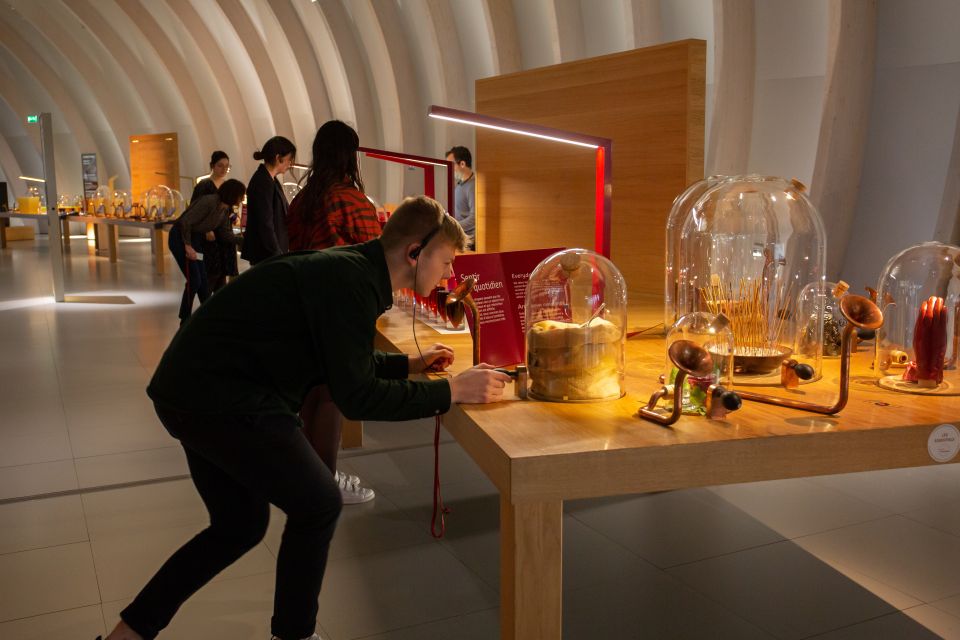
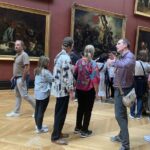
The museum visit is where the experience earns its meaning. Instead of only talking about fragrance notes in the abstract, the tour is built around objects: bottles, antique containers, and decorative craft items.
The museum is described as housing a unique collection of old fragrance bottles, presented as crossing three thousand years of history. You’re also told the museum is connected to perfume making (with references to how Grasse is involved, and the idea of perfumery as a practice shaped by what materials were available). Even if you’re not a perfume historian, the object-based approach helps you understand that fragrance is tied to trade, technology, and culture—not just “pretty smells.”
The tour framing includes two parts:
- A first segment presented as the perfumer’s working world, connecting scents to the culture and use of fragrance.
- A second segment focused on artistic objects and goldsmith feats, with unusual, rare bottles presented as witnesses of social and cultural habits.
The bottle range is also a selling point. The experience description notes bottles from historical figures and elite craft traditions, including references stretching from pharaohs to Fabergé. That’s the kind of detail that makes you pay attention, because it turns perfume into something you can “see” as history, not just fragrance.
The workshop lesson: olfactory pyramid, matching scents, then your 12ml spray

After the museum portion, the experience shifts into a sensory explanation and then mixing. This is where you’ll get the most “I can do this” confidence.
You’ll hear about a development of sensory and olfactory memory, including an explanation of the olfactory pyramid. That matters because it changes how you smell. Instead of just asking whether something smells good, the pyramid concept gives you a structure for recognizing how scents change and layer.
Then you’ll do recognition exercises. You’ll be guided to recognize three mixed compositions that are used as part of the Eau de Toilette called Flor del Year. You’re not just sniffing; you’re learning a method for understanding what you’re smelling and how combinations become a finished fragrance.
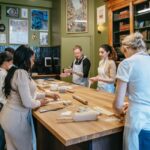
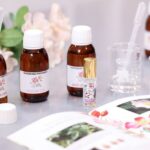
Finally, you create your own fragrance. During the workshop you’ll create and customize your Eau de Toilette (12 ml in spray) with advice from the teacher. In other words, you leave with a personal souvenir that’s tied to what you practiced in the room.
One more thing to keep expectations realistic: with only about 15 minutes for the workshop, you won’t be doing lab-level perfumery. You are doing guided blending within a curated framework. That’s ideal if your goal is learning the basics while walking away with a bottle you actually made.
Flor del Year and your olfactory memory: why this isn’t just a mixing gimmick
It’s easy to treat perfume workshops like a novelty. This one is set up to avoid that feeling by giving you a teaching structure.
The olfactory pyramid piece is the key. It helps explain why one scent can feel different at first smell versus a later scent “moment.” Even if the vocabulary is Spanish-only, the idea is visual and practical: scent perception isn’t one flat thing—it unfolds.
The three mixed compositions also give you a more grounded way to think about results. If you’ve ever wondered why different perfumes feel similar even when names differ, this kind of exercise trains you to notice the building blocks behind the final character.
So when you customize your 12ml spray, it’s not random. It’s connected to the earlier sensory training, with the workshop tied to Flor del Year as the target Eau de Toilette you’re building into.


Language-only reality: Spanish instruction and how to prepare
This workshop is Spanish only, taught by a Spanish instructor. If your Spanish is basic, you can still enjoy the experience, especially because the work includes smelling and hands-on steps. But you should know this up front: the guided museum tour and the workshop directions are delivered in Spanish, and the pace is tight.
My advice is simple:
- Review a few perfume basics in Spanish before you go (words for smell, notes, strength, and preference).
- Go with curiosity more than expectations of perfect comprehension.
- If you’re unsure, focus on what they ask you to do: smell, compare, and choose based on the guided set-ups.
Also, the museum visit is a guided walk, not a self-paced audio tour. So language matters more here than in an exhibit you can read at your own speed.
What the museum experience feels like in practice: pacing and group attention
This activity is short enough that it can feel a bit “on the move.” The session begins on time, you have limited time in the space, and the workshop room is reached only with proper timing. If you’re the type who needs to settle in, scan slowly, and ask many questions, you may feel squeezed.
There’s also a social reality: in smaller workshops with guided explanation, the instructor may naturally focus attention on participants who ask questions or respond quickly. If you’re quiet or hesitant to jump in, you might still learn a lot, but your questions may not get as much airtime.
That doesn’t mean it’s not worth it. It just means you should go prepared to receive information and follow the steps more than negotiate the pace.
Price and value: is $36 a fair deal for a museum plus a bottle?
At $36 per person for a 45-minute activity, you’re paying for three bundled elements:
- Entrance and a guided museum tour
- A structured perfume teaching moment (including the olfactory pyramid and recognition exercises)
- Your own 12ml spray creation made during the workshop
The biggest value question is whether you’ll use both parts. If you only care about leaving with a bottle, the museum portion might feel like extra time. If you care about learning what you’re doing—why you smell and how mixing works—then the museum context makes the workshop feel less like a retail experience and more like a real skill-building session.
Also, you’re not stuck with a generic souvenir. A 12ml bottle isn’t enormous, but it’s practical: it’s enough to carry, gift, or test later without committing to a full-size purchase.
Who this suits best (and who might want a different option)
This workshop is a great fit for:
- People who enjoy museums but want something short and guided
- Beginners who want a clear, structured way to learn about scent
- Spanish speakers (or confident learners) who don’t mind following instruction in one language
- Travelers who want a hands-on souvenir made during the experience
It may not be ideal for you if:
- You want lots of photo time or a slow, self-guided museum wander
- You need step-by-step accessibility accommodations (the experience is stated as not suitable for people with mobility impairments)
- You’re traveling with oversized luggage (oversize luggage isn’t allowed)
One more mindset tip: treat this as a fast, taught experience rather than a “free explore” museum ticket. If you match that expectation, you’ll probably leave satisfied.
Practical tips for a smoother, calmer experience

You’ll get the best outcome by planning for the timing and language.
- Arrive at the front desk a few minutes early so you don’t miss the start.
- Wear or bring something comfortable for quick movement inside a museum setting.
- If you’re sensitive to strong scents, keep that in mind—perfumery involves active smelling, and that’s part of the lesson.
And if the opening feels a bit chaotic, don’t panic. This type of short workshop relies on fast coordination. Once you’re inside and the instructor starts teaching, it usually becomes much more focused.
Should you book the Fragonard Paris mini perfume workshop?
Book it if you want a compact, hands-on fragrance experience that includes a guided museum look and a personal 12ml Eau de Toilette creation. The value is strongest when you actually care about the “why” behind scent—olfactory memory, the olfactory pyramid idea, and the matching process that leads to Flor del Year.
Skip it if you need long museum time, lots of photo opportunities, or you’re not comfortable with Spanish-only instruction. Also, if mobility constraints are an issue for you, this one is stated as not suitable.
If your goal is to leave Paris with a story you can smell—and a bottle you made in under an hour—this is an easy yes.
FAQ
Is the Fragonard mini perfume workshop offered in English?
No. The workshop is only in Spanish, and the instructor teaches in Spanish.
How long is the experience?
The duration is 45 minutes.
What do I make during the workshop?
You create your own Eau de Toilette (12 ml in spray) during the perfume workshop.
Does the price include the museum visit?
Yes. The entrance to the perfume creation workshop plus the guided tour of the Fragonard perfume museum are included.
Where do I meet the group?
Meet at the Fragonard Perfume Museum front desk.
Is food or drinks included?
No. Food and drinks are not included.
Can I bring oversized luggage?
No. Oversize luggage is not allowed.
Is the workshop suitable for people with mobility impairments?
No. It is not suitable for people with mobility impairments.
Can I cancel or change my booking?
Free cancellation is available up to 24 hours in advance for a full refund.