REVIEW · CHAMBORD
From Amboise : Full-Day Chambord & Chenonceau Chateaux
Book on GetYourGuide →Operated by A La Francaise Tourisme - Bordeaux · Bookable on GetYourGuide
Two Loire châteaux in one packed day. This is a small-group tour from Amboise that brings Château de Chenonceau and Château de Chambord into the same itinerary, with an English guide steering you through the big moments. I like that you get guided time plus breathing room at both castles, so you don’t just rush from one room to the next. I also like that the day is built around the two places most visitors want most: the bridge-castle drama at Chenonceau and the sheer scale of Chambord. One consideration: it’s a long day in a minivan, and each château gets about 90 minutes, so you’ll need to choose what to linger on.
What really makes this plan feel smart is the pacing. I like the mix of scenic drive, a guided walk, and then free time to look at what you personally care about—architecture, gardens, or views from the grounds. The small group (limited to 8) also means the guide can actually manage questions and keep the day running smoothly.
In This Review
- Key Things I’d Focus On Before You Go
- Why This Amboise Tour Makes Sense for Loire Valley First-Timers
- From Amboise Tourist Office to Chenonceau: The Ride and the Early-Impression Factor
- Château de Chenonceau: The Bridge Castle, Gardens, and the “Feminine Influence” You Can Feel
- The Midday Break: Lunch Options and How to Spend Your Free Hour Well
- Château de Chambord: Scale, Art, and Park Views That Actually Hit
- Guides Matter: What English Commentary Changes About Both Châteaux
- Winter Christmas Atmosphere: A Loire Day That Feels Seasonal
- Price and Logistics: Is $230 Per Person Actually Good Value?
- When This Tour Fits Best (And When It Might Not)
- Should You Book This Chambord and Chenonceau Day Trip?
- FAQ
- How long is the tour from Amboise?
- Where do I meet the guide?
- Is lunch included?
- Are entrance fees included?
- How big is the group?
- What should I bring and wear?
- Is the tour suitable for kids or wheelchair users?
Key Things I’d Focus On Before You Go

- Small-group max 8: less waiting, more human-scale guiding.
- Skip the ticket line: more time inside the castles.
- Chenonceau bridge layout plus Cher River views from the gardens area.
- Chambord guided room picks plus time to roam the park for big panoramas.
- Lunch break built in so you can eat flexibly at a bakery or bring your own.
- Winter/holiday ambiance during the Christmas season.
Why This Amboise Tour Makes Sense for Loire Valley First-Timers

If you’re basing yourself in Amboise and you want to hit the Loire Valley’s headline châteaux without spending your day figuring out transport, this is a clean solution. Two castles, one day, and an English-speaking guide who keeps the route simple: you start at the Amboise Tourist Office, then you’re sent straight to Chenonceau first and Chambord after.
The big value here is not just that you visit two famous names. It’s the order and the structure. Chenonceau works early because it’s all about atmosphere—its unusual bridge setting and the garden rhythm you can enjoy with guided context. Chambord works right after lunch because the scale can be overwhelming if you walk in cold. Having someone point out the most emblematic spaces and the hidden details helps you leave with more than photos.
Also, this isn’t a “sit and watch” tour. You get guided time, then you’re allowed to explore on your own. That freedom matters at these châteaux because your eyes will naturally chase different things: staircases, ceilings, tapestries, garden geometry, or long sightlines across the park.
You can also read our reviews of more tours and experiences in Chambord.


From Amboise Tourist Office to Chenonceau: The Ride and the Early-Impression Factor

The day begins at the Office de Tourisme Amboise Val de Loire. You meet your guide there, then climb into a minivan for the drive. You’re not stuck on a huge bus with strangers, and that matters in the Loire Valley because the views on the way are part of the experience. You’ll also appreciate a pre-planned route because parking, tickets, and timing can eat up your day if you do this independently.
The tour includes transportation by minivan, and it’s built for the day’s flow: get you to Chenonceau, guide you through the important pieces, then keep the schedule moving toward lunch and Chambord. If you’re the type who gets stressed by logistics, that’s where this kind of guided day trip earns its keep.
Two practical notes from the tour rules that affect your comfort:
- You’ll want comfortable shoes and clothes. These sites involve a lot of walking.
- Food is not allowed in the vehicle, so plan to eat only during the break (or bring lunch for later, not for the van).
Château de Chenonceau: The Bridge Castle, Gardens, and the “Feminine Influence” You Can Feel

Château de Chenonceau is the kind of place that looks unusual even before you fully understand why. The main dramatic idea is right in the description: it’s built on a bridge over the Cher River. That setup changes how you experience the château. You’re not only walking through rooms—you’re also surrounded by the sense of being connected to the river crossing.
You’ll get a guided visit plus time to wander. The guided portion is important here because Chenonceau’s story is woven into how the space is arranged and who is associated with it. You’ll stroll the manicured gardens tied to Catherine de Médicis and Diane de Poitiers—both of whom were linked to the château’s life. Even if you don’t want a lecture, the guide’s context helps you notice what you might otherwise miss: design choices that reflect the occupants’ tastes and the calm, controlled feeling of the grounds.
You also have time for antiques and fresh flower arrangements. That’s one of those details that can feel “small” until you’re there—then you realize the château is not just stone and wood. It’s staged like a lived-in residence, with items placed to communicate style and status.
What to watch for in your 90-minute window:
- Arrive with a quick priority list in your head. Do you care more about rooms, gardens, or the bridge view?
- If you love gardens, use the free time to slow down. The guided part sets the context; the unhurried part lets your eyes adjust.
Possible drawback: Chenonceau is popular, so you’re investing time in being there. The good news is skip-the-line ticket handling helps, and the guide will pick what’s most emblematic for you rather than letting you guess.
The Midday Break: Lunch Options and How to Spend Your Free Hour Well

Between the two châteaux, the tour includes a break with about an hour set aside. Lunch is not included, but you’re not left to figure it out blindly. Your guide provides flexible choices: bring your own food, or buy something like a sandwich or salad at a French boulangerie along the way or around Chenonceau or Chambord.
Because food isn’t allowed in the vehicle, this is one of those times when timing matters. The best move is to treat lunch like part of the itinerary, not something you shove in at the end. If you’re hungry, plan to stop when the break begins rather than delaying and arriving at Chambord with lower energy.
A small strategy I like for châteaux days: eat something light but filling, then keep water and snacks in your day bag for later. You’re going to walk, and both Chenonceau and Chambord reward patience. A sluggish afternoon makes the big moments feel less magical.
Château de Chambord: Scale, Art, and Park Views That Actually Hit

Then comes Chambord, and you’ll feel the shift almost immediately. Chambord is enormous, and that can turn into a trap if you’re self-guiding: you get pulled in too many directions and end up seeing parts but not really connecting the dots.
This is where the guided approach pays off. Your guide selects emblematic rooms to visit and gives anecdotes and hidden details while you move through the interior. The goal isn’t to see everything—it’s to understand what makes Chambord Chambord.
You’ll also get free time, which is huge because Chambord’s best “wow factor” isn’t only inside. The park offers breathtaking views of the castle from different angles. That’s the kind of moment you can’t replicate well from inside a room.
If you’ve ever visited a very big château and felt overwhelmed, this plan is designed to prevent that. Guided highlights give you a mental map, and then free roaming helps you follow your own interests without totally losing the structure.
One practical tip: at Chambord, prioritize viewpoints in the park. The castle’s exterior lines and roof details are a big part of why people come here. If you only focus on rooms, you’ll miss the “big picture” effect.
Guides Matter: What English Commentary Changes About Both Châteaux
The tour is led by an English-speaking guide, and the day lives or dies on how that guide manages pacing and explanation. From the guide names you may encounter—like Alex, Michele, Dimitri, and Marion—the consistent theme is clear: the guiding style tends to be both knowledgeable and personable, with a good balance between structured visits and time to explore.
I also like that your guide doesn’t just recite facts. The best moments come when the guide makes the rooms feel legible—why certain spaces matter, what you’re looking at, and how the château’s design connects to the people linked to it.
You’ll notice the group size helps here. With a small group (max 8), your questions aren’t getting swallowed by a crowd. The guide can redirect you, suggest what to look for, and keep the day moving without feeling rushed.
And if you’re trying to catch a train afterward, there’s a helpful extra: at least one guide has handled a drop-off near a train station when timing demanded it. That’s a detail that tells you the operation is aware of how this day trip fits into real schedules.
Winter Christmas Atmosphere: A Loire Day That Feels Seasonal

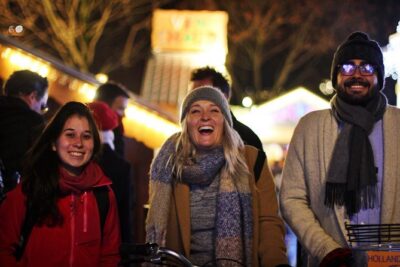
If you’re traveling in winter, this tour can add a little extra atmosphere. The experience is specifically noted for a warm ambiance of Christmas during winter. That doesn’t mean you’re going to be marching through a themed village all day. It means the châteaux visit can feel a bit more festive in the way the grounds and seasonal mood land on you.
This is especially appealing if you’ve seen Loire châteaux in other seasons and want a different emotional texture. Winter light changes how stone and gardens look, and the guided context helps you notice what the season adds.
If you want photos that feel less “summer postcard” and more “cinematic historic,” winter timing is worth thinking about.
Price and Logistics: Is $230 Per Person Actually Good Value?
At $230 per person, you’re paying for a lot more than admission tickets. This price includes entrance fees to both châteaux, an English-speaking guide, transportation by minivan, and a small group setup. It also includes skip-the-ticket-line access, which can save real time on busy days—time you can spend inside instead of queuing.
Lunch and drinks are not included, so you do need to budget for that. The good part is the tour gives you realistic options: boulangeries where you can grab a sandwich or salad, or bring your own food for the break.
Where the value really shows up is in decision-making. If you do this independently, you pay with time and attention: sorting tickets, figuring out parking, and trying to know what to prioritize. Here, your guide already chooses the most emblematic rooms and helps you avoid wandering in circles.
Who feels the price most worth it?
- You want two top châteaux in one day without juggling transport.
- You like guided context because it changes how you experience rooms and gardens.
- You prefer a small group, not a giant bus.
When This Tour Fits Best (And When It Might Not)
This day works best for people who want a guided highlight route with enough flexibility to breathe. You get guided time at both Chenonceau and Chambord, plus free time to wander. That’s a strong fit if you like structure but don’t want to feel locked in.
It’s also a good match if you enjoy asking questions and getting quick, useful answers. The small group size makes that easier.
That said, it’s not a match for everyone:
- It’s not suitable for wheelchair users based on the tour details.
- Children must be at least 4 years old.
- Pets and oversize luggage aren’t allowed, and drinks in the vehicle aren’t allowed either.
If you’re traveling with very young kids, or if mobility is a big concern, you’ll likely want a different format (smaller sites, slower pace, or private options).
Should You Book This Chambord and Chenonceau Day Trip?
Book it if you want the Loire Valley’s two headline châteaux—Chenonceau’s bridge drama and Chambord’s overwhelming scale—without spending your day on logistics. The small group size, English guidance, entrance fees included, and skip-the-line handling make this feel like a day designed for actual humans, not just checkboxes.
Skip it (or compare options) if you know you need more time at a single château. With about 90 minutes at each site, you’ll see plenty, but you won’t have a slow, private, hours-long experience at both. In that case, you might prefer a plan that lets you linger longer at just one château.
My take: if your goal is to see both Chenonceau and Chambord in one efficient, well-paced day, this tour is the kind of value that usually feels worth it. You’ll leave with more than memories—you’ll leave with a clearer sense of what you just saw and why it matters.
FAQ
How long is the tour from Amboise?
The duration is 510 minutes (about 8.5 hours).
Where do I meet the guide?
You meet at the Office de Tourisme Amboise Val de Loire.
Is lunch included?
No. Lunch and drinks are not included, but you can bring your own food or buy something like a sandwich or salad at a French boulangerie around the châteaux or along the route.
Are entrance fees included?
Yes. Entrance fees to both châteaux are included, and ticket lines are skipped.
How big is the group?
It’s a small group with a maximum of 8 participants.
What should I bring and wear?
Wear comfortable shoes and comfortable clothes.
Is the tour suitable for kids or wheelchair users?
The tour is not accessible for children under 4 and is not suitable for wheelchair users. Pets and oversize luggage are also not allowed.