REVIEW · PARIS
Explore Le Marais like a local – Private walking tour
Book on Viator →Operated by MY PRIVATE PARIS · Bookable on Viator
Le Marais rewards slow walking. Behind its fashionable shops and cafés, you find medieval lanes, elegant town houses, private courtyards, Jewish heritage, and small art shops. This private tour gives you a local guide for your group alone, with time to ask questions and adjust the pace. I especially like the secret Saint Paul village and the garden at the National Archives, two places easy to miss when you explore on your own.
I also like the route’s shape. It begins at the Saint Paul and Saint Louis church and links several different sides of Le Marais, ending at Hôtel de Ville. The main consideration is price: at $276.67 per person, it is a serious purchase unless you are traveling with enough people to share the private experience and value personal attention.
In This Review
- Key points at a glance
- Why Le Marais works so well for a private walk
- Starting at Saint Paul and Saint Louis church
- Saint Paul village and the quieter side of Le Marais
- Place des Vosges and the art of a Paris square
- The Jewish Quarter and medieval street patterns
- The Soubise mansion gardens and the National Archives
- Hôtel de Ville and the close of the walk
- What the private guide adds
- Price, group size, and real value
- Who should book this Le Marais walk?
- Should you book it?
- FAQ
- How long is the private Le Marais tour?
- Where does the tour start?
- Where does the tour end?
- Is this a private tour?
- Which places are included?
- Are food and drinks included?
- Can I cancel for a full refund?
Key points at a glance
- A private group of your own: Your guide works only with your party, not a mixed group.
- Five useful stops in 2.5 hours: The route covers Saint Paul village, Place des Vosges, the Jewish Quarter, the Soubise mansion gardens, and Hôtel de Ville.
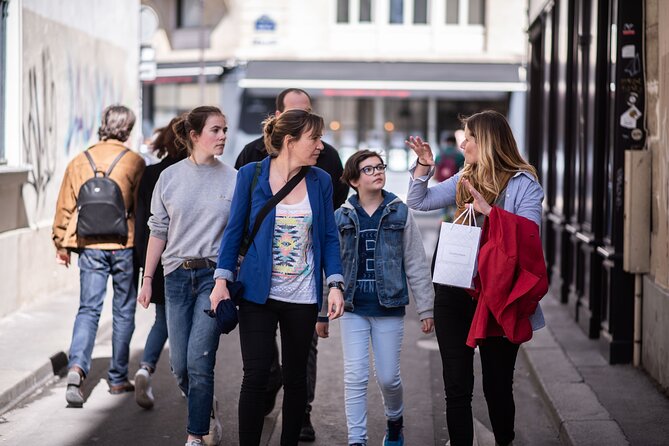
- Guides include Audrey and Marie: Both are praised for making the walk personal, friendly, and tailored to the group.
- Good variety without admission fees: Gardens, churches, historic streets, art shops, and public buildings shape the walk.
- A practical first or final Paris outing: The tour helps you understand one central neighborhood without requiring museum tickets or a full day.
- Book around your walking energy: The route takes about two and a half hours, with no food, drinks, or hotel transfers included.
Why Le Marais works so well for a private walk
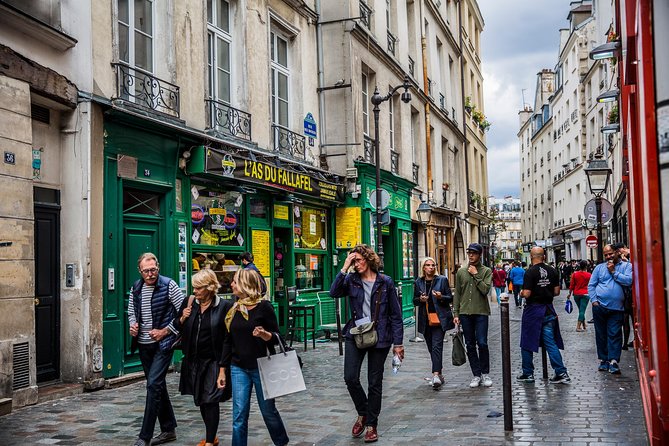
Le Marais is compact, but it is not simple. You can cross a few streets and move from a church-lined avenue to a quiet courtyard, then into a neighborhood shaped by Jewish life and medieval street patterns. That variety makes a guide useful. Without one, you may see attractive façades but miss the reason they matter.
The private format changes the feel of the outing. You are not trying to hear a guide over a large crowd or keep up with strangers. You can ask why a street bends, pause at a garden, or spend more time on the parts that interest your family or friends.
This matters most if your group has mixed interests. One person may care about architecture, another about local shops, and another about Parisian history. A personal guide can connect those subjects as you walk rather than forcing everyone through a fixed lecture.
The tour lasts about 2 hours and 30 minutes. That is long enough to give Le Marais some shape, but short enough to fit beside other Paris plans. I would avoid placing it after a packed day of major sights if your legs are tired. A walking tour is more enjoyable when you have enough energy to look up, stop, and listen.
You can also read our reviews of more walking tours in Paris



Starting at Saint Paul and Saint Louis church
The meeting point is in front of Paroisse Saint-Paul Saint-Louis at 99 Rue Saint-Antoine, in the 4th arrondissement. The church provides a clear landmark and gives the tour an attractive beginning rather than a vague street corner.
Starting here also puts you directly into the character of eastern Le Marais. You begin with a church, an old street, and a guide who can explain how the surrounding neighborhood developed. The experience does not begin with a bus ride or hotel pickup, so plan your route to the meeting point in advance.
The tour returns to the same meeting point at the end. That is useful if you have left belongings nearby or want to continue exploring from a familiar spot. It also means the walk does not function as point-to-point transportation. You are booking neighborhood exploration, not a transfer.
The location is near public transportation. You should still allow a little extra time to find the church, especially if you are arriving from another part of Paris. A mobile ticket makes access to your booking simple, but it does not replace checking the start time and meeting address.
Saint Paul village and the quieter side of Le Marais
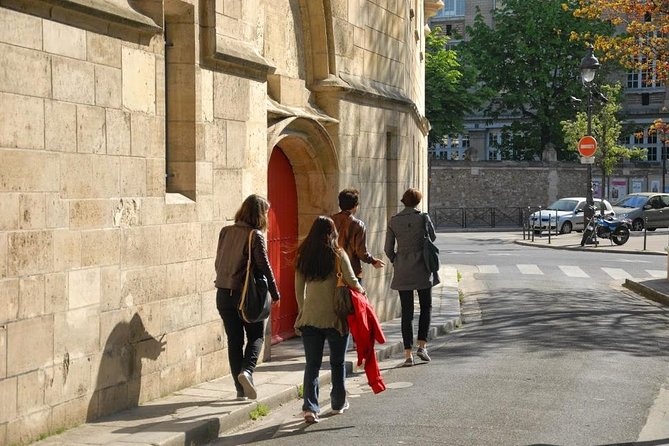
The first stop is Village St-Paul, described as a secret village within the district. You spend about 30 minutes here, with no admission ticket required.
This is a smart first stop because it shows that Le Marais is not only grand squares and well-known streets. The village setting gives your guide room to point out small passages, courtyards, and art shops that can be easy to walk past. The appeal lies in the change of pace. You move from the public street into a more contained, tucked-away part of the neighborhood.
I would expect this section to suit anyone who enjoys small details more than headline sights. It is also a good place to ask your guide for local context. Which spaces are open to the public? Which buildings have changed use? How do the art shops fit into the area? The supplied information does not promise specific shop visits, so think of the art shops as part of the setting rather than a guaranteed shopping appointment.
The word secret should not lead you to expect a major attraction with a long list of formal exhibits. The value is in seeing a less obvious corner and understanding how the district’s smaller spaces fit together.
Place des Vosges and the art of a Paris square
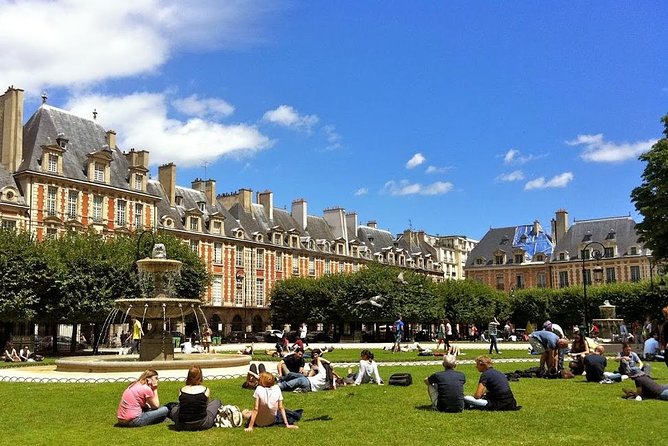
The walk continues to Place des Vosges, where you spend about 30 minutes strolling through the garden. This is one of the most recognizable parts of Le Marais and a natural counterpoint to the quieter Saint Paul village.
The square gives you a chance to step back and see a more ordered side of Paris. Its garden, surrounding buildings, and broad open shape provide a welcome break from narrow cobblestoned streets. Your guide can help you read the space rather than simply take a photograph and move on.
This stop is especially useful for first-time visitors who want a strong sense of Parisian architecture without committing to a museum. You can enjoy the setting at no extra admission cost, then ask about the buildings and people connected with the square.
The half-hour allocation is enough for a proper look, but not so long that the tour gets stuck in one place. If you are traveling with children or older family members, a garden stop also gives the group a less confined stretch of walking.
Remember that this remains a walking tour. Cobblestones and changing surfaces are part of Le Marais. The information says most people can participate, but it does not provide a detailed accessibility assessment. If someone in your group has mobility concerns, ask the provider for current route details before booking.
The Jewish Quarter and medieval street patterns
The Jewish Quarter receives its own 30-minute section. Here you wander through medieval streets and learn about the area’s Jewish identity and past.
This is one of the tour’s most important stops because it adds human and cultural context to the attractive architecture. A neighborhood can look charming while its stories remain invisible. A guide helps connect the streets to the people and traditions that shaped them.
The route description does not promise a food tasting or a visit inside a religious site. Food and drinks are not included. You should book this part for its streets, stories, and context, not as a culinary tour.
The Jewish Quarter also gives the walk a different tone from Place des Vosges. Instead of focusing mainly on a formal square or garden, you move through older streets with a more intimate scale. That contrast is part of the reason the route works. Every half hour brings a slightly different view of Le Marais.
If this subject matters to you, use the private format to ask thoughtful questions. You have more freedom than on a large group walk, and the guide can explain what you are seeing at a pace that suits your group.
You can also read our reviews of more private tours in Paris





The Soubise mansion gardens and the National Archives
The fourth stop takes you to the garden of the Soubise Private Mansion, connected with the Musée des Archives Nationales. You spend about 30 minutes here, again without an admission ticket listed for the walk.
This is the sort of stop that can turn a general neighborhood stroll into a more memorable outing. The setting combines a private mansion, formal garden space, and the work of the National Archives. You get a look at Le Marais as a district of grand residences and institutions, not just shops and cafés.
The garden offers another change from the street. After the close lanes of the Jewish Quarter, an enclosed garden gives you room to pause and take in the architecture. Your guide can also explain why these old mansions matter to the neighborhood’s development.
Do not confuse this stop with a full museum visit. The experience focuses on the garden of the Soubise mansion. If you want to spend serious time inside the National Archives, you would need a separate plan. That is not a flaw, but it is an important boundary when you compare this tour with a museum ticket or a longer history walk.
The inclusion of this space is valuable because it adds a quieter, less obvious destination. It also helps break up the walking route with a place where you can stop and listen.
Hôtel de Ville and the close of the walk
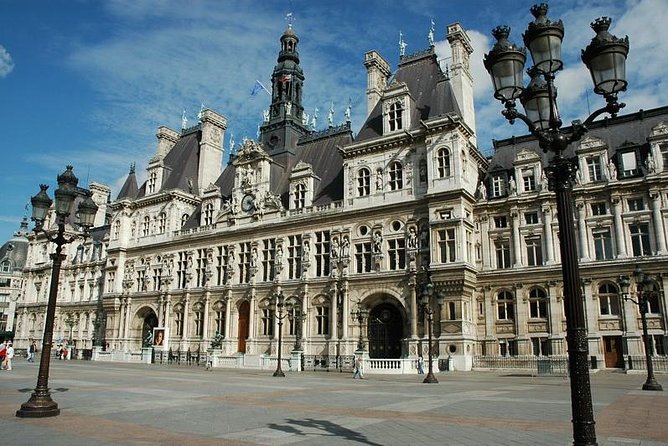
The final stop is Hôtel de Ville, Paris City Hall. You spend about 30 minutes hearing the stories behind the building before returning to the starting point.
City Hall gives the tour a fitting finish. After exploring small passages, a famous square, a cultural quarter, and a mansion garden, you end with one of Paris’s major civic buildings. The stop broadens the focus from local streets to the city itself.
The description promises stories about Hôtel de Ville, not an interior tour. Keep that distinction in mind. You will learn about the building from the outside as part of the walk, but no indoor access is included in the stated package.
Ending back at Saint Paul and Saint Louis church makes the logistics easy. You do not have to work out where to meet a vehicle or find your way back from an unfamiliar suburb. At the same time, you should not expect the route to finish at City Hall. If you have dinner or another timed booking afterward, allow for the walk back.
What the private guide adds
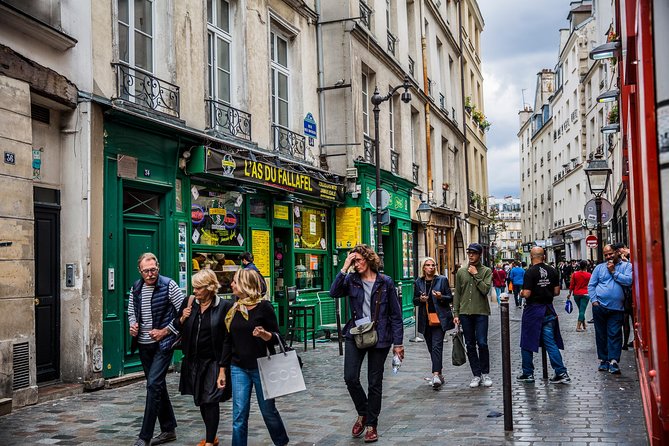
The strongest reason to book this experience is the guide, not simply the list of places. The route includes public spaces you can technically visit without paying for entry. You are paying for explanation, connection, and the ability to shape the conversation.
Audrey is specifically associated with a warm, passionate approach. One family of five found the experience comfortable even late in a Paris stay, after several days of heavy walking and stair climbing. That detail is useful if you are worried about the pace. It suggests that the guide can respond to a group’s energy, though you should still communicate any needs at the start.
Marie is described as making the tour feel like a friend showing you a neighborhood. Her approach was tailored to the group and included history, personal perspective, and unusual details. That is exactly where a private tour earns its keep: the walk can feel less like a script and more like a conversation.
The guide names are not guaranteed at booking, so treat Audrey and Marie as examples of the company’s guiding team rather than a promise that one of them will lead your tour. If a particular guide matters to you, ask the provider before confirming.
Price, group size, and real value
The listed price is $276.67 per person. That is high for a 2.5-hour walking experience if you are comparing it with a standard group tour or free neighborhood stroll.
The calculation changes when you are traveling as a larger party. This is a private activity for your group only, and group discounts may be available. A family of five or a group of friends can share the cost while keeping the advantages of a personal guide. The price becomes easier to justify if you value flexibility and conversation more than admission tickets.
You are not paying for food, drinks, transportation, or entry to a museum. You are paying for the guide’s time and a planned route through several areas that are free to enter. I would book it for personal attention and local interpretation, not as a bargain way to see paid attractions.
The booking pattern also matters. This experience is booked, on average, 99 days ahead. That does not guarantee that every date sells out, but it is a useful warning for people building a Paris trip months in advance. If your dates are fixed, check early rather than leaving this decision until the week before departure.
Who should book this Le Marais walk?
I would recommend it to a family, couple, or group of friends who want one neighborhood explained properly without giving up half a day. It is a good fit for people who enjoy architecture, local stories, gardens, and street life more than a long museum lecture.
It also suits a group with different interests. The private format lets you ask about art shops, churches, the Jewish Quarter, public gardens, or Paris City Hall without worrying about holding up strangers.
This is less suitable if you want a food tour, hotel pickup, a full visit inside the National Archives, or a low-cost group excursion. It may also feel expensive for solo visitors or pairs who are comfortable exploring independently.
For the best experience, wear comfortable shoes, arrive at the Saint Paul and Saint Louis church with time to spare, and keep your schedule open enough that the 2.5-hour duration does not create stress. The tour is most enjoyable when you can walk at a steady pace and give the details your attention.
Should you book it?
Book this tour if you want Le Marais to feel like a neighborhood rather than a checklist of famous addresses. The stops are varied, the group is private, and guides such as Audrey and Marie bring a personal touch that can make the streets easier to understand.
Skip it if your main goal is the lowest possible price or a museum-heavy experience. At $276.67 per person, the value depends on group size and how much you want a local guide’s time. For a family or friends traveling together, this can be a comfortable, thoughtful way to see several sides of Le Marais in one well-paced walk.
FAQ
How long is the private Le Marais tour?
The walking tour lasts approximately 2 hours and 30 minutes.
Where does the tour start?
It starts in front of Paroisse Saint-Paul Saint-Louis at 99 Rue Saint-Antoine, 75004 Paris, France.
Where does the tour end?
The activity ends back at the meeting point.
Is this a private tour?
Yes. Only your group participates, with a local guide assigned to you and your party.
Which places are included?
The route includes Village St-Paul, Place des Vosges, the Jewish Quarter, the garden of the Soubise Private Mansion at the Musée des Archives Nationales, and Hôtel de Ville.
Are food and drinks included?
No. Food and drinks are not included in the tour price.
Can I cancel for a full refund?
Yes, if you cancel at least 24 hours before the experience start time. Cancellations or changes made less than 24 hours before the start time are not accepted for a refund.