REVIEW · PARIS
ESSENTIAL MONTMARTRE Walking Tour: the essential highlights+MORE!
Book on Viator →Operated by Black Cat Tours · Bookable on Viator
Montmartre can feel like a movie set. This tour gives you the real landmarks, plus the artist stories that made the hill famous. I especially love the clear big-picture route that hits the top sights without rushing, and I like how the guide explains Montmartre through a Parisian point of view. One heads-up: it’s a hilly, stair-heavy walk, and the weather (wind and cold) can feel sharper up on the hill.
I also like that you get value baked in: most stops are listed with free admission, and the tour includes a coffee break so you’re not scrambling for a caffeine fix. At the end, you step out near the Moulin Rouge Cabaret Club, which is a satisfying finish even if you skip the show.
This is built for people who want an efficient afternoon with real context, not just a checklist. It’s offered in English, uses a mobile ticket, and keeps the group size to a maximum of 20—small enough that your questions don’t vanish.
In This Review
- Key highlights worth your time
- Starting at Anvers, ending at Moulin Rouge: the flow makes sense
- Rue de Steinkerque to Sacré-Cœur: viewpoints plus a rare quiet moment
- Inside Sacré-Cœur without rushing: what you’ll actually notice
- Place du Tertre: the artist square you can watch in real time
- Vigne du Clos Montmartre and the last-windmill story at Le Moulin de la Galette
- Bateau-Lavoir: where modern art seemed to cluster
- Passe-Muraille, Le Lapin Agile, and Montmartre’s humor
- Dalida, Van Gogh, and the Café des Deux Moulins Amélie connection
- Rue des Abbesses: a beautiful street moment with a reason
- Moulin Rouge exterior: what’s included, what isn’t
- How to prepare for the walk: stairs, wind, and a realistic pace
- Price and value: is $59.13 a smart spend?
- Guides make the difference: from Ewan to Johnny to Shelby
- Who should book this Montmartre tour?
- Should you book this Montmartre walking tour?
- FAQ
- How long is the Montmartre walking tour?
- What time options do I have?
- Where does the tour start and where does it end?
- Is the tour offered in English?
- Is coffee included?
- Are entry tickets included?
- What’s the group size limit?
Key highlights worth your time
- Three start times let you choose a slot that fits your day in Paris
- Sacre-Cœur serenity from the basilica interior to the panoramic feel of the hill
- Place du Tertre’s working artists where you can watch portraits and paintings being made
- Bateau-Lavoir’s modern art cluster tied to Picasso and other major figures of Montmartre
- Amélie filming nostalgia at Café des Deux Moulins alongside the “real neighborhood” street moments
- A photo-friendly finale at Moulin Rouge without the pressure of staying for a show
Starting at Anvers, ending at Moulin Rouge: the flow makes sense
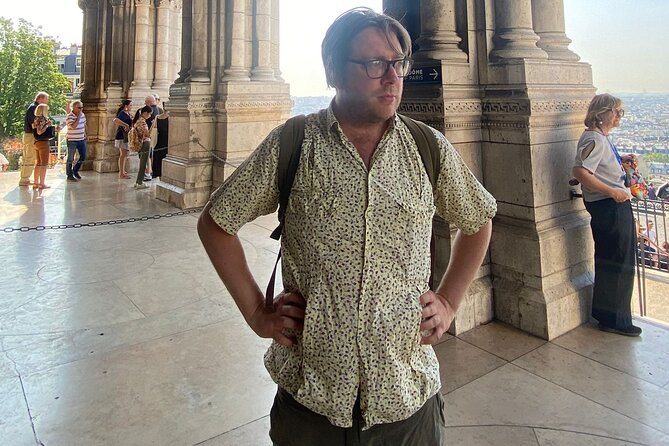
You’ll meet in the Anvers area (Anvers 75018) and finish at Moulin Rouge (82 Bd de Clichy, 75018). That matters more than you might think. Montmartre is a hill, and going “up and out” on foot can drain energy fast. This format keeps you moving through the neighborhood instead of backtracking all the way to where you started.
The tour is about three hours, and it’s paced with multiple short stops that give you time to look, ask questions, and reset your legs. The group stays relatively small (up to 20), which makes it easier to hear the guide even when the sidewalks get busy near the sights.
If you’re planning the rest of your day, I’d treat this as an afternoon anchor. When you’re done, you’ll be standing close to a major landmark for dinner plans or a late stroll.
You can also read our reviews of more walking tours in Paris



Rue de Steinkerque to Sacré-Cœur: viewpoints plus a rare quiet moment
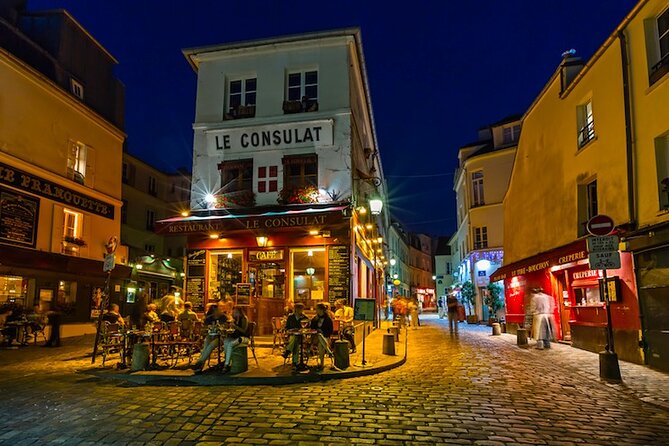
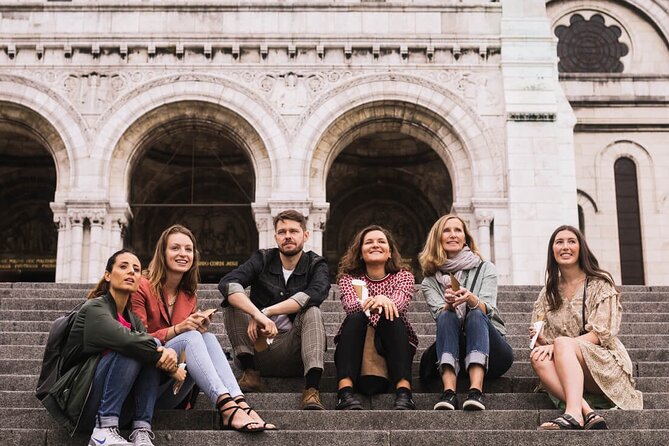
You start in the Anvers-to-Sacré-Cœur direction and work your way up toward the basilica area, with the funicular part of the approach. Even if you’ve seen Sacré-Cœur from far away, walking up the neighborhood streets gives you a better sense of how Montmartre “builds” its view.
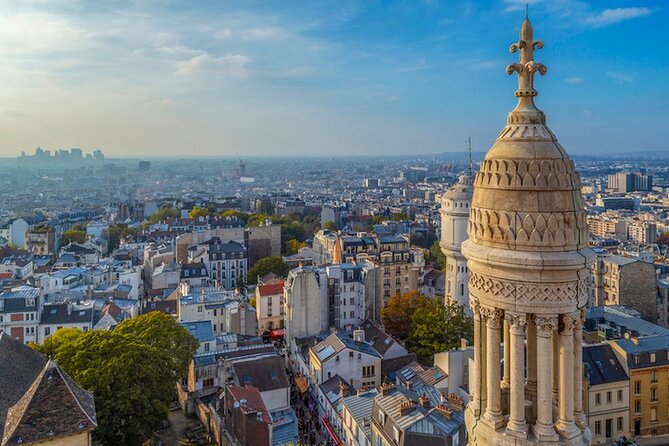
The standout moment here is inside Basilique du Sacré-Cœur de Montmartre. The tour is designed around a brief pause where you can slow down rather than just pass through. From the basilica area, you also get that classic overlook feeling over Paris—sufficient time to take photos, but not so long that you lose the thread of the tour.
Practical note: plan on uphill walking and expect some stairs. If your mobility is limited, tell the guide early so they can keep the route as comfortable as possible.
Inside Sacré-Cœur without rushing: what you’ll actually notice
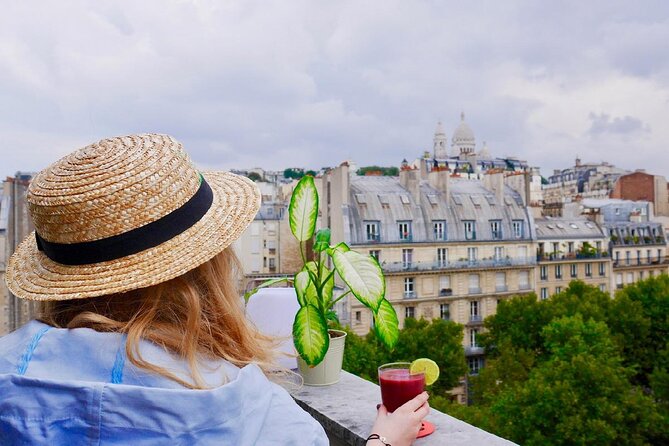
A lot of visitors treat Sacré-Cœur like a quick photo stop. This tour gives you a different tempo: you’re encouraged to notice the atmosphere and then tie it back to Montmartre’s role as a place artists loved (and where locals shaped daily life).
Also, because the tour stays in the “morning of the hill” zone first, you often get the rhythm before the crowds peak. That makes the interior moment feel less like a squeeze and more like a breather.
Place du Tertre: the artist square you can watch in real time
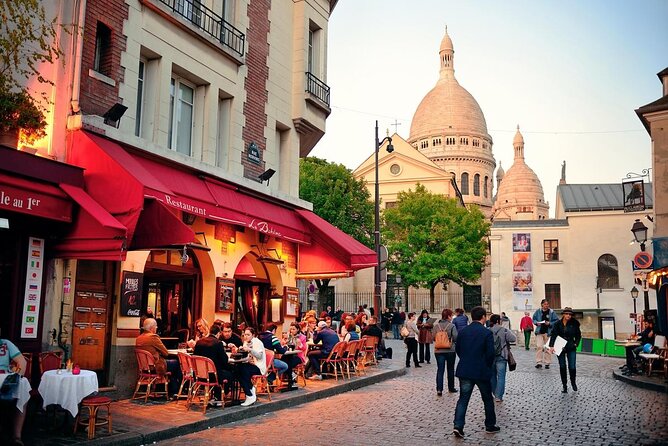
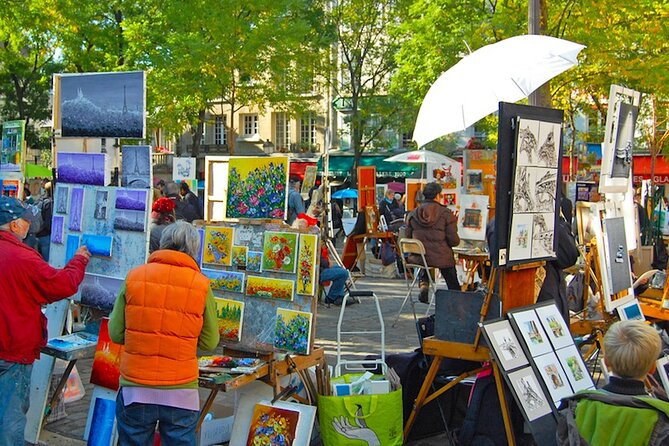
From Sacré-Cœur, the tour drops you into Place du Tertre, the medieval-feeling market square where artists work outdoors. This isn’t just a viewpoint—it’s a living scene. You’ll be able to wander among painters making portraits, caricatures, and scenes right there in front of you.
The best part isn’t shopping. It’s the chance to watch how the work gets made and why this square still functions like a Montmartre tradition. The guide’s context makes it easier to see these artists as part of the neighborhood’s story, not just performers selling souvenirs.
If you’re the type who likes to stop and read details on building fronts, you’ll probably want a little extra time here. The allotted time is short, but it’s enough to get a feel for the square without turning it into a full-on detour.
Vigne du Clos Montmartre and the last-windmill story at Le Moulin de la Galette
Next comes a contrast: Vigne du Clos Montmartre, a small historic vineyard. It’s one of those places that reminds you Montmartre wasn’t only about studios and nightlife. It also had agricultural roots, and the idea of vineyards on this hill gives the neighborhood a different texture.
Then you move toward Le Moulin de la Galette, where you’ll see the last remaining windmill in the Montmartre area, plus the neighboring Moulin Blute-Fin. The tour connects this windmill landscape to the famous “Bal” (the lively dance ball) and to how artists like Renoir and Picasso helped lock these scenes into cultural memory.
This section works well if you like art history but don’t want a lecture. You’re walking through places that match the stories, and the guide ties them to why those moments became famous.
One consideration: this is still a walk up and around. Comfortable shoes matter. If your calves get mad easily, pace yourself and take the short moments when the group stops.






Bateau-Lavoir: where modern art seemed to cluster
You’ll reach Le Bateau-Lavoir, known for its ties to major modern artists such as Pablo Picasso, Le Douanier Rousseau, Amedeo Modigliani, Henri Matisse, Georges Braque, Guillaume Apollinaire, and Jean Cocteau.
Even if you don’t know every name, the logic is easy: these artists didn’t just appear out of nowhere. The tour helps you understand why Montmartre became a magnet for creativity and how a place like this fits that pattern.
This is also a good stop for questions. If you love the idea of art movements forming in real neighborhoods, you’ll probably want to ask how the guide connects these artists to the everyday world around them.
Passe-Muraille, Le Lapin Agile, and Montmartre’s humor
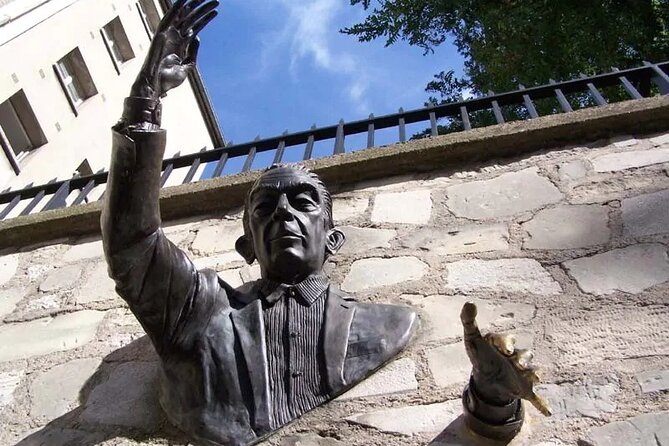
Between the big landmarks, you’ll hit smaller stories that make Montmartre feel human. You’ll spot Le Passe-Muraille, the sculpture of a man passing through a wall, linked to a story by French novelist Marcel Ayme.
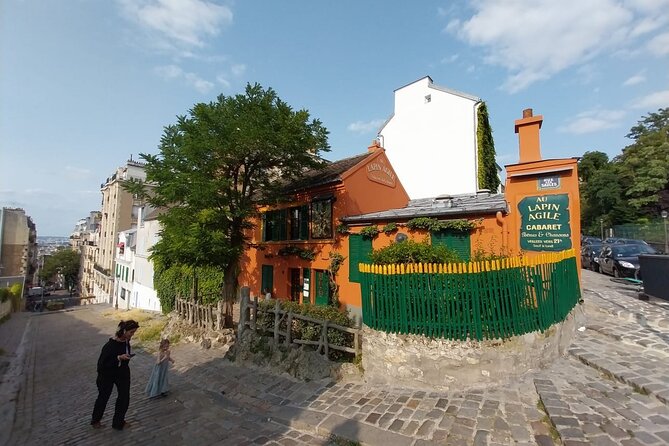
Then there’s Le Lapin Agile, a historic cabaret venue. This is the kind of stop that’s easy to gloss over if you treat it like another building—but the tour treats it like a character. You’ll hear about the entertainers and famous names associated with the venue over time (including Picasso and other famed Montmartre figures), and you’ll get the idea of why this place earned a reputation for humor and folk music.
If you want to plan your evening, this is where you can anchor a night out with a Montmartre vibe. Even if you don’t go, it adds a needed emotional layer to the walk.
Dalida, Van Gogh, and the Café des Deux Moulins Amélie connection
This is a fun “who lived here” and “what got filmed here” stretch, and it helps the neighborhood feel current rather than only historic.
You’ll see:
- Dalida Statue, tied to the pop star’s life and story
- La Maison de Dalida, where she lived
- Van Gogh’s House, where Vincent Van Gogh lived with his brother Theo
- Café des Deux Moulins, connected to the film Amélie (the tour highlights the setting used in the movie, known in English as The Fabulous Destiny of Amélie Poulain)
These stops work best if you like cultural crossovers—music stars and painters, film sets and real residences. It also makes the walk feel less repetitive. You’re not only looking up at churches and monuments; you’re also looking at how Parisian creativity shows up in daily life.
Rue des Abbesses: a beautiful street moment with a reason
Then you’ll stroll Rue des Abbesses, a charming street that the tour notes was featured in the Guardian as one of the most beautiful streets in Paris. Even if you don’t care about the specific article, it’s a nice reset between the heavier landmark stops.
This is the kind of section where you can go slower, take photos, and enjoy the street-level Paris vibe. If your legs are tired, this is also a good place to lean into small moments instead of trying to force big viewpoints.
Moulin Rouge exterior: what’s included, what isn’t
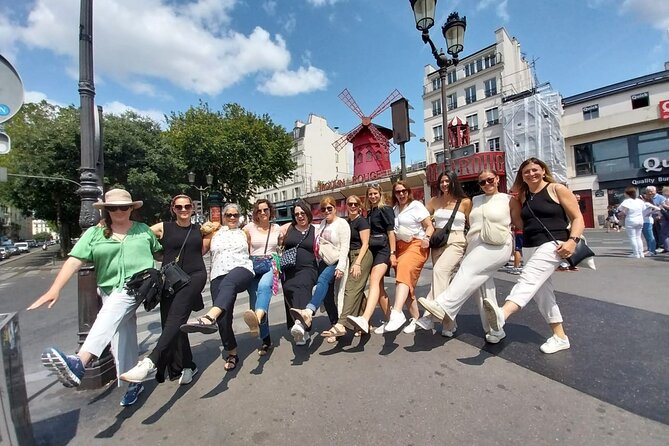
You’ll finish near Moulin Rouge, but the tour is clear about one thing: a Moulin Rouge show is not included. That means you can treat the finale as a landmark moment rather than a ticketed event.
For me, that makes the ending easier to manage. You get the famous building and the energy of the area, and you can decide on the spot whether you want to spend extra money for a performance or simply continue your Paris evening elsewhere.
If you’re sensitive to the neighborhood around nightlife hotspots, just know you may encounter busier streets and higher-energy foot traffic near the end.
How to prepare for the walk: stairs, wind, and a realistic pace
Montmartre is not flat. Expect lots of walking uphill and down, and be ready for stairs. Several guides in the same company style the tour as energetic and story-driven, so the best way to enjoy it is to wear footwear you can trust.
Weather can also change how it feels. The hill catches wind, and it can get chilly even when the rest of Paris feels mild. I’d bring a layer you can shrug on quickly.
Also, keep in mind that the tour time is about three hours. If the guide spends extra time answering questions or if the group moves slower at key stops, the schedule can stretch. That’s usually a sign of a good guide doing their job—just don’t plan a tight dinner reservation at exactly tour end time.
Price and value: is $59.13 a smart spend?
At $59.13 per person for roughly three hours, the value depends on two things you probably care about in Paris: time and context.
You’re paying for:
- a guided route that hits major landmarks efficiently
- narrative structure so you’re not just wandering
- free admission listed for multiple stops (so you’re not paying entry fees repeatedly)
- a coffee break included during the walk
What you’re not paying for: snacks and a Moulin Rouge show. So if you want a performance, you’ll need to budget separately.
For families and first-timers, this kind of “everything in one afternoon” deal often beats trying to build your own route. For repeat visitors, it can still be worthwhile because the guide connects art, places, and names in a way that turns familiar scenes into something you can explain back at home.
Guides make the difference: from Ewan to Johnny to Shelby
The strongest theme in the guide feedback is simple: people liked guides who keep the energy up and the details grounded. You may meet different guides, but names that show up include Ewan, Johnny, Shelby, and Leleh.
Common strengths:
- They’re friendly and willing to answer questions
- They manage the story flow so it stays interesting without turning into a lecture
- They can adjust how the group moves, including handling older visitors and mixed groups
- They take requests like photo stops seriously and keep things moving
One practical tip: during the walk, ask one question you actually care about. If you’re even slightly curious about how modern art took shape in Montmartre, you’ll usually get a more useful answer than generic history.
Who should book this Montmartre tour?
This tour is a good fit if:
- you want a guided overview of Montmartre’s top landmarks in a single afternoon
- you like art and culture stories linked directly to places
- you’re traveling with kids or a range of ages and want a route that doesn’t feel random
- you want to end at Moulin Rouge and keep your evening flexible
It might not be ideal if:
- you hate hills or stairs
- you need a perfectly rigid schedule with no variability
- you’re expecting a ticketed Moulin Rouge experience (a show is not included)
Should you book this Montmartre walking tour?
I’d book it if you want an efficient, story-rich Montmartre afternoon and you like learning while you walk. The route hits Sacré-Cœur, Place du Tertre, the windmills, Bateau-Lavoir, and the film-and-music pop culture connections, and the free admission pieces reduce friction.
I’d skip or reconsider if your plan is extremely time-sensitive at the end, or if hills and stairs are a deal-breaker for you. Also, since one or two cancellations have happened at short notice in the broader experience world, keep a flexible mindset and have a backup plan for your Montmartre day.
If you’re ready for a real neighborhood walk with artists, myths, and landmarks connected into one evening-ready arc, this is a solid value.
FAQ
How long is the Montmartre walking tour?
It runs about 3 hours.
What time options do I have?
You can choose from three convenient start times.
Where does the tour start and where does it end?
It starts at Anvers 75018 Paris, France and ends at Moulin Rouge, 82 Bd de Clichy, 75018 Paris, France.
Is the tour offered in English?
Yes, it’s offered in English.
Is coffee included?
Yes. The tour includes a coffee stop during the walk. Drinks are not otherwise included.
Are entry tickets included?
The tour lists free admission for many of the key stops. A Moulin Rouge show is not included.
What’s the group size limit?
The tour has a maximum of 20 travelers.