Burgundy wine can seem like a code known only to locals. This 45-minute visit at Clos Marey-Monge makes the system easier to follow, linking vineyard classifications, soil, farming, and taste before pouring a selection of local wines. The setting is the organic estate in Pommard, just outside Beaune.
I like the six-person limit, which gives the wine advisor room to answer questions rather than deliver a speech. I also like the practical tasting guidance and the chance to compare wines from Château de Pommard and Famille Carabello-Baum. The main drawback is clear: the historic cellars are closed during renovation, so this is an estate and tasting visit, not a cellar tour.
In This Review
- Key points at a glance
- Why this short Burgundy experience works
- Arriving at Clos Marey-Monge in Pommard
- Burgundy’s five subregions in one concise lesson
- Understanding classifications without getting lost
- Seven terroirs at one estate
- Organic and biodynamic farming in plain terms
- Learning to taste wine like a professional
- What you taste from the two producers
- A look at the guides and the welcome
- Who will get the most from this visit
- Is $18 good value?
- Booking details worth knowing
- Should you book Discover Burgundy?
- FAQ
- Where does Discover Burgundy begin?
- How long does the experience last?
- How many people can join the group?
- How many wines are included?
- Can I visit the cellars?
- Can I cancel for a full refund?
Key points at a glance
- Seven estate terroirs: Learn how different plots at Clos Marey-Monge can shape the character of the wine.
- Small group of six: The intimate format suits visitors who want time for questions and personal tasting advice.
- Burgundy made simpler: Get an introduction to appellations, classifications, five subregions, and UNESCO-listed Climats.
- Biodynamic farming explained: See how organic and biodynamic methods fit into modern Burgundy winemaking.
- A focused tasting: Sample five Burgundy wines as advertised, including wines associated with Château de Pommard and Famille Carabello-Baum.
- Cellars currently closed: Renovation limits the visit, so set your expectations around the estate, vineyard story, and tasting.
Why this short Burgundy experience works
Burgundy is famous for making a small area feel wonderfully complicated. A bottle may tell you its region, village, Premier Cru or Grand Cru status, and vineyard name, all of which affect its place in the local hierarchy. If those labels usually leave you squinting at the bottle, this experience gives you a useful framework.
The setting helps. Clos Marey-Monge is an organic wine-growing estate in Pommard, one of Burgundy’s best-known wine villages. You are not just tasting an anonymous local wine in a shop. You are connecting the glass to a specific estate, its plots, and the wider traditions of Burgundy.
At about 45 minutes, this is a compact introduction rather than a full afternoon among the vines. I see that as a strength if you are fitting wine into a busy Beaune schedule. You can learn the essentials, taste several wines, and still have time for lunch, a museum, or another appointment.
It also means the guide has to keep things moving. You should expect a concentrated lesson, not a long stroll through every corner of the property. The small group helps make the short format feel personal.
You can also read our reviews of more tours and experiences in Beaune.

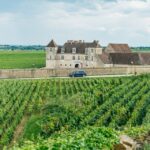
Arriving at Clos Marey-Monge in Pommard
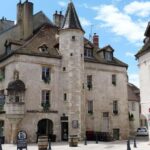
The meeting point is 15 Rue Marey Monge, 21630 Pommard, France. The activity begins and ends there, so plan your transport around Pommard rather than Beaune’s town center. The location makes sense for the subject: you are visiting a working wine estate in the village where the wine story is rooted.
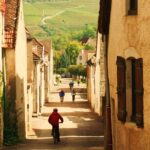
The estate itself is part of the appeal. You get a sense of Burgundy through the property, its vineyard traditions, and its position within the region. The visit is not built around grand scenery or a long walk. Its value comes from placing the tasting in an authentic wine setting.
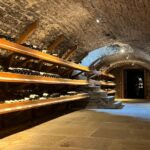
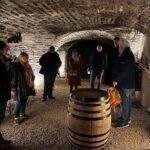
The cellars cannot be visited while renovation work is under way. This matters if you have pictured rows of barrels underground or hoped for a detailed look at the production spaces. You should instead expect the estate visit, an explanation of the property and its methods, and a guided tasting.
That limitation does not cancel the experience, but it changes the balance. If cellar architecture is your main reason for visiting Burgundy wineries, choose a tour that confirms cellar access. If you mainly want a clear introduction to Burgundy wines, the closure is less serious.
Burgundy’s five subregions in one concise lesson
One of the most useful parts of the experience is the introduction to Burgundy’s five subregions and their specialties. Burgundy is not a single wine style. Its towns, slopes, soils, grape-growing traditions, and appellations create important differences from one area to the next.
You will hear how the region is organized and why place matters so much. The goal is not to memorize every village. It is to understand the basic map well enough to make sense of a wine label and to notice why two bottles from the same broad region may taste different.
The discussion also covers the UNESCO World Heritage Climats of Burgundy. In this context, a Climat is a precisely defined vineyard plot with its own name and growing conditions. The idea is central to Burgundy: a small patch of land can have an identity that winemakers and wine buyers treat as meaningful.
I appreciate this approach because it connects geography to taste. Instead of hearing a list of French wine terms, you learn why Burgundy places so much weight on origin. The lesson is especially useful before the tasting, since you can then listen for differences rather than simply decide which glass you like best.
Understanding classifications without getting lost
Burgundy’s classifications can sound daunting, but this is where a good wine advisor earns the small-group format. You learn the basic levels of Burgundy wine classification and how they relate to place and reputation.
The important point is that classification is not just a prestige ladder. It tells you something about the vineyard location and the accepted status of that place within Burgundy’s system. That can help explain why wines made from the same broad grape varieties command different prices.
You should not expect a professional qualification in 45 minutes. You should expect a working vocabulary. After the visit, terms such as appellation, village wine, Premier Cru, Grand Cru, and Climat should feel less like a wall of French terminology.
This lesson also helps you shop. Burgundy bottles can be expensive, and labels do not always make the value obvious to a new buyer. A short explanation of classification gives you a better chance of understanding what you are paying for.
Seven terroirs at one estate
Clos Marey-Monge is presented through its seven different terroirs, making the property a practical classroom for Burgundy’s central idea: soil and site leave a mark on wine.
Terroir is often used loosely, but here it has a useful purpose. You are encouraged to think about the relationship between soil, slope, exposure, farming, grape variety, and winemaking. The tasting then gives you a chance to look for those differences in the glass.
This is one of the strongest reasons to choose the experience over a basic wine bar tasting. You are not only comparing finished bottles. You are being shown how the estate’s separate plots can express themselves through wine.
The exact sensory differences will depend on the day’s selection and on your own palate. You might notice changes in aroma, structure, freshness, weight, or finish. The guide’s role is to give you a way to describe those changes without insisting that there is only one correct answer.

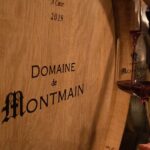
Organic and biodynamic farming in plain terms
The estate focuses on organic wine growing and biodynamic techniques. You will learn how those methods affect vineyard work and how they fit into the estate’s approach to winemaking.
This is valuable because farming is often the missing part of a wine tour. People talk about grapes and barrels, but the work in the vineyard begins much earlier. A discussion of organic and biodynamic methods helps you see that the bottle reflects decisions made in the soil long before fermentation.
You may already have strong views about organic or biodynamic wine. The experience gives you a chance to ask direct questions and understand how these methods are used at this estate. The topic is presented as part of Burgundy’s living wine culture, not as a separate environmental lecture.
The estate’s biodynamic approach was one of the elements I would want clarified during the visit. Ask how the methods affect vineyard care, harvest decisions, and the final wines. With a group capped at six, you should have a better chance to ask than you would on a large coach tour.
Learning to taste wine like a professional
The tasting is guided by a professionally trained wine advisor. You are shown basic techniques for tasting, which makes this useful even if you know very little about wine.
A professional tasting is not about swirling your glass theatrically or finding obscure flavors to impress the table. It is about slowing down and paying attention. You can look at the wine, smell it, taste it, and consider its balance and finish. The guide can also help you connect those impressions to the vineyard and winemaking choices.
Xavier has led particularly well-regarded sessions, with a reputation for clear explanations about the vineyard and wine. He has also helped visitors think through food pairings. If Xavier is your advisor on the day, you can ask him to explain how a wine’s structure affects what you serve with it.
The small group makes this lesson more useful. You can ask why one wine seems lighter, why another feels more structured, or how a particular bottle might work with dinner. You will not leave as a certified expert, but you should leave tasting with more confidence.
What you taste from the two producers
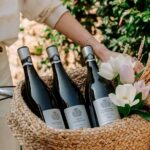
The experience is advertised as a tasting of five different Burgundy wines. The program specifically identifies wines from Château de Pommard and Famille Carabello-Baum, giving you a chance to compare wines from two producers rather than focusing on one label.
The supplied details also describe four wines from those producers, so the exact number and lineup may vary. I would confirm the day’s pours if the precise fifth wine matters to you. Either way, the tasting is designed to show range, not simply offer one sample.
The comparison is important. Burgundy is often discussed through tiny differences in site, producer, and vintage. Tasting wines connected with two producers helps you see that the winemaker’s choices matter alongside the vineyard itself.
The wine selection may also give you a practical buying lesson. One bottle may appeal to you because of its freshness, another because of its texture or depth. The staff can explain ordering and shipping options, which may be useful if you want Burgundy delivered home. Shipping fees have been described as reasonable, but you should confirm current costs and destination rules before buying.
A look at the guides and the welcome
The quality of a short wine visit depends heavily on the person leading it. Xavier is specifically associated with warm, informed tours and has handled both vineyard questions and food pairing advice. That combination matters because it turns the session from a memorized talk into a conversation about how you might actually drink the wine.
Marie at the front desk has also been helpful with practical arrangements, including making a dinner reservation for a group. That is a small but useful touch if you are planning a full day in Pommard or Beaune.
The welcome appears to be part of the experience rather than an afterthought. Still, guide assignments can change, so I would not book solely on the assumption that Xavier will lead your visit. The broader promise is a trained wine advisor and a group no larger than six.
Who will get the most from this visit
I would choose this experience if you are new to Burgundy and want the basic system explained without committing to a half-day tour. It also suits wine drinkers who want to understand biodynamic farming and the relationship between soil and taste.
It works well for couples, small groups of friends, and solo visitors who prefer a quiet setting. A group of six is small enough for questions and large enough to create a little conversation around the tasting.
Families can combine this with the Jeunesse Experience, which introduces children to the journey of the grape while adults taste. That option makes the estate more workable for parents who do not want to skip a wine visit altogether.
I would be more cautious if you want an extensive vineyard walk, a long cellar tour, or a full meal with the tasting. The short duration and cellar closure make this a focused educational stop, not a complete winery day.
Is $18 good value?
At $18, the experience offers strong value for a guided introduction to Burgundy, especially if the advertised five-wine tasting is available. You are paying for the guide’s explanation as much as for the wine. The classification lesson, estate context, tasting instruction, and comparison of producers give the visit more substance than a simple pour at a counter.
The price is also low enough to fit into a broader Burgundy itinerary. You can use it as an orientation before visiting other vineyards, or as a compact way to add wine education between sightseeing stops in Beaune and Pommard.
Value depends on your expectations. If you judge it only by time, 45 minutes may feel brief. If you use it to gain a framework for Burgundy labels and tasting, it is a practical investment. The small group is another point in its favor, since a personal question can be worth more than another fifteen minutes of general commentary.
Booking details worth knowing
You receive confirmation when booking, and free cancellation is available up to 24 hours before the local start time. Cancel later than that and the payment is not refunded, while changes within the final 24 hours are not accepted.
Most people can take part, and service animals are allowed. The maximum group size is six. Since the activity begins and ends at 15 Rue Marey Monge in Pommard, check your route before setting the appointment, especially if you are staying in Beaune and do not have transport arranged.
The experience is offered by VIVANT WINES. Its focused format makes it easy to pair with other Burgundy plans, but leave enough time to reach the estate without rushing into the tasting.
Should you book Discover Burgundy?
Book it if you want an affordable, small-group introduction to Burgundy wine, with real attention to classifications, terroir, farming, and tasting technique. The estate setting and the seven-terroir discussion give the session a clear sense of place, while Xavier and the other wine advisors can make the technical material approachable.
Skip it if cellar access is essential to your plan, or if you want a long vineyard walk and a full winery tour. The renovation is a real limitation, and the short visit cannot cover every corner of Burgundy.
For most first-time wine visitors in the Beaune area, I would book it as a useful primer. You will not learn everything about Burgundy in 45 minutes, but you can leave with a better map, a sharper palate, and a much clearer idea of what those French labels are trying to tell you.
FAQ
Where does Discover Burgundy begin?
The experience begins at 15 Rue Marey Monge, 21630 Pommard, France. It ends back at the same meeting point.
How long does the experience last?
The visit lasts approximately 45 minutes.
How many people can join the group?
The activity has a maximum of six travelers.
How many wines are included?
The experience is advertised with a tasting of five Burgundy wines. The program specifically names wines from Château de Pommard and Famille Carabello-Baum, though another description identifies four wines, so you may wish to confirm the exact lineup.
Can I visit the cellars?
No. The cellars cannot be visited because they are undergoing renovation.
Can I cancel for a full refund?
Yes. You can cancel at least 24 hours before the local start time for a full refund. Cancellations or changes made less than 24 hours before the experience are not accepted for a refund.