REVIEW · DIJON
Dijon Wine Tour Côte de Nuits and Côte de Beaune Vineyards
Book on Viator →Operated by Ophorus · Bookable on Viator
Pinot and Chardonnay in one long Burgundy day. I love the small-group vibe (max 8) and the English driver-guide who ties the bottles to the place as you travel. One thing to consider: the afternoon stop may be more of a cellar or tasting-room experience than a full-on winery visit.
This is a full 8-hour day out of Dijon, starting at 9:00 am and ending back at the same meeting point. You’ll swing through Gevrey-Chambertin, Beaune, and Meursault via the famous Route des Grands Crus, so you get the big Burgundy storyline without doing the driving yourself.
Best of all, the price includes wine tasting fees at three stops plus guided tastings and live commentary on board. Just plan your food: snacks are usually not part of tastings in France, so eat a solid breakfast or lunch before you go.
In This Review
- Key highlights at a glance
- Why pairing Côte de Nuits and Côte de Beaune makes sense
- Dijon pickup: what to know before the 9:00 am start
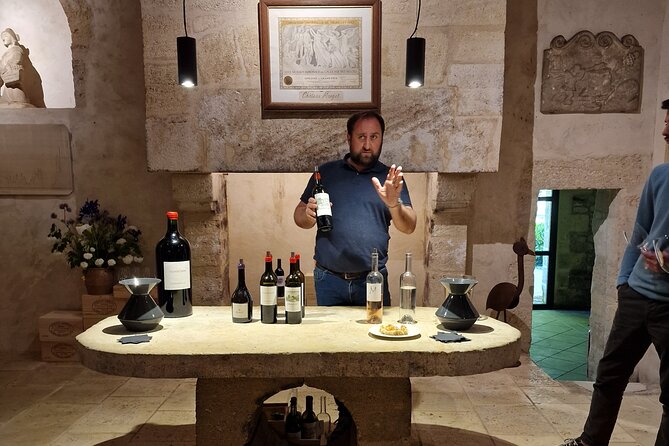
- Stop 1 in Gevrey-Chambertin: Pinot Noir tasting with village context
- Beaune time: tasting, then a real wander through the historic center
- Stop 3 in Meursault: Chardonnay and the feel of Route des Grands Crus
- How many wines you’ll sample (and how to taste without getting overwhelmed)
- Buying decisions: how this tour helps you shop smarter later
- Price and value: what $258.30 buys you in the real world
- Comfort, group size, and communication: where the tour can feel tight
- Who should book this Dijon wine tour (and who might not love it)
- Should you book this Côte de Nuits and Côte de Beaune tour?
- FAQ
- What time does the tour start?
- How long is the Dijon Côte de Nuits and Côte de Beaune tour?
- Where do I meet for the tour?
- Is there hotel pickup or drop-off?
- What’s included in the price?
- What should I do about food during the day?
- Is this tour only for adults?
- Can I bring a pet?
Key highlights at a glance

- Three tastings, two subregions: Côte de Nuits reds in Gevrey-Chambertin and Côte de Beaune whites in Beaune and Meursault
- Small group, max 8: makes it easier to hear the guide and ask questions during tastings
- Route des Grands Crus drive: you see the geography that shapes Burgundy wine classifications
- Beaune free time: time to wander the historic center and plan a lunch on your own
- Local history in the background: the guide connects today’s labels to how winemaking grew over centuries
Why pairing Côte de Nuits and Côte de Beaune makes sense

Burgundy can feel like a code at first: villages, crus, appellations, producers, and all those label terms. This tour helps you crack the code by grouping two neighboring wine “personalities” into one day.
Côte de Nuits is where Pinot Noir really flexes its muscles. Côte de Beaune is where Chardonnay shows its range. By the time you’re done, you’ll understand that these aren’t just different grapes; they’re different styles shaped by hillside location, elevation, and long farming tradition.
And because you travel between villages with live commentary, the day doesn’t feel like random tastings. It feels like a guided reading of Burgundy—how classifications grew, why different areas became known for specific grapes, and what to notice in the glass.
You can also read our reviews of more wine tours in Dijon

Dijon pickup: what to know before the 9:00 am start
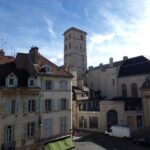
This tour meets at 16 Pl. Darcy, 21000 Dijon and you’re back there at the end. There’s no hotel pickup, so you’ll want to plan an easy walk or a quick public-transport route to the square.
The group rides in a fully equipped minivan, and the tour caps at 8 travelers—good news if you hate cramming into a tour bus setup. Still, one practical note: when a van has more people than ideal (the uncomfortable moments are real on some days), hearing the guide can be harder from certain seats. If you’re sensitive to sound, aim for a spot where you can hear the guide clearly without straining.
Also, use the map link provided by the company if you’re worried about finding the exact meeting spot. Google Maps can sometimes steer people around the wrong streets in older city centers.
Stop 1 in Gevrey-Chambertin: Pinot Noir tasting with village context

Gevrey-Chambertin kicks off your day in the classic Côte de Nuits zone. After a short drive, your first tasting focuses on Pinot Noir—the grape that carries Burgundy’s reputation worldwide.
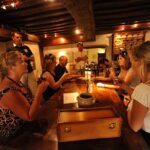
What I like about starting here: Gevrey-Chambertin is a loud name in Burgundy for a reason, so you get immediate clarity on what Pinot Noir can taste like when it’s grown in this part of the Côte d’Or. During the tasting, you’re not only learning how to taste; you’re getting direction on what the guide wants you to notice—aromas, texture, and the way the wine’s style can shift even within the broader Pinot family.
Timing is about 1 hour 30 minutes at this first stop. That’s enough time to go beyond a rushed “sip and smile,” especially in a small group where questions actually land with the guide and the winery staff.
Practical tip: if you want to remember what you liked, take notes on one or two traits per wine. Don’t try to write an essay. Just jot down words like red fruit, spice, oak feel, or freshness level.
Beaune time: tasting, then a real wander through the historic center

Next comes Beaune, the heart of Côte de Beaune. You’ll have a second tasting here, with Chardonnay as the focus. This is where the day starts to click for many people: Pinot Noir first, then Chardonnay, and suddenly you can taste the region’s difference in a very direct way.
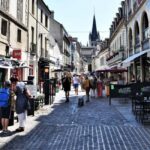
After that, you get free time in Beaune for lunch and wandering. The tour route takes you by Place Carnot and the area of the Hospices de Beaune. Entrance to the Hospices is not included, but seeing it from outside is part of the moment—this is one of those places that makes Burgundy feel both historic and human, not just fancy wine talk.
Two hours of free time is a helpful length. It’s enough to sit down and eat without panic, and it’s also enough to do a slow walk through the streets around the center. If you’re hungry, you’ll want to pick a lunch spot quickly after you arrive, since you’ll be working within that window.
Food reality check: France rarely hands out snacks just because you’re doing tastings. If you didn’t eat before your tour started, this is where you’ll feel it. Aim for a solid breakfast before departure so your lunch goes from forced to enjoyable.
Stop 3 in Meursault: Chardonnay and the feel of Route des Grands Crus

In the afternoon you head south toward Meursault. The drive runs along the Route des Grands Crus, which is one of the best ways to understand why Burgundy wine names matter. You’re seeing the hill-and-valley geography that producers talk about constantly for a reason: slopes, exposure, and soil all shape how wines turn out.
Near Meursault, you’ll visit your third wine stop for about 1 hour 30 minutes including tasting time. This segment is all about refined white Burgundy—very often Chardonnay styles that range from more delicate and mineral to richer, rounder expressions depending on the producer.
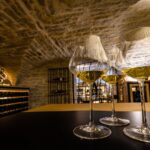
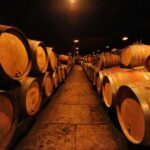
Here’s the balanced view: this final tasting may be in a full winery setting or it may be in a more basic tasting room or cellar experience. That isn’t automatically bad, but it does change the feeling of the visit. If what you want most is a tour through working production spaces, keep your expectations flexible. The upside is that you still get another guided tasting and the chance to compare what you tasted earlier that day.
After Meursault, you return to Dijon. By the time you’re back, you’ll likely have a better sense of which village styles you respond to, and which winemaking approach you prefer.
How many wines you’ll sample (and how to taste without getting overwhelmed)

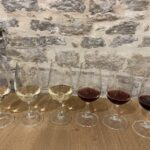
One of the biggest reasons this tour earns such high marks is the volume and variety. In practice, you may end up tasting around 15 wines, including reds, whites, and sparkling, depending on how the wineries schedule pours and how the day flows. Even if you taste fewer, the goal is a solid sampler platter that teaches you what Burgundy tastes like across styles.
But more wine doesn’t automatically mean better learning. So here’s how I’d approach it if you want the experience to stick:
- Start by ranking the wines in your mind: best, second-best, and you’d-skip-next-time.
- Pay attention to texture and finish, not just fruit flavor.
- If the guide talks about classifications or styles, write down one takeaway you can use later when you’re shopping.
Small-group format matters here. When there are fewer people, the guide can answer questions without racing ahead, and you get more time to understand what you’re tasting rather than just moving to the next glass.
Buying decisions: how this tour helps you shop smarter later

Tours like this are most valuable when they turn into better purchases back home. Even if you’re not a wine nerd, tasting with a guide reduces guesswork. You learn what you like—style-wise—so you can spot it on a shelf.
Some guides also help people find specific bottles they’re curious about. That kind of practical support is useful because Burgundy can be intimidating in a shop: too many labels, too many villages, and not always clear guidance for newcomers.
When you’re ready to buy, use your notes. Don’t shop based on a single memory of a wine you liked. Instead, look for repeated signals: did you prefer wines with brighter acidity or wines with a rounder feel? Did you like the way a red finished on spice or on fruit?
One more thing: in France, you should expect tastings to be focused on the wine itself. Since snacks aren’t typically included, your best move is to eat well and keep your body comfortable so you can actually taste well.
Price and value: what $258.30 buys you in the real world

At $258.30 per person, you’re paying for far more than a driver and a van. The big value components are:
- Wine tasting fees at three selected stops
- An English-speaking driver/guide who gives live commentary
- A small-group setting (max 8) with coordination handled for you
If you tried to build this day on your own, you’d quickly hit time costs: booking tastings at multiple villages, figuring out how to route between Gevrey-Chambertin, Beaune, and Meursault, and lining up schedules that actually fit together. This tour removes that stress and gives you a structured day.
What’s not included is also clear: no hotel pickup/drop-off and no food beyond what the tour expects you to handle yourself. If you’re expecting a full meal and snacks during tastings, the budget can feel tight. But if you treat it like what it is—three tastings plus guided context with a lunch break of your choice—then it becomes solid value.
Comfort, group size, and communication: where the tour can feel tight
Most days run smoothly, and the rating reflects that. But I’d rather set expectations honestly.
This tour caps at 8 travelers, which is great on paper. Still, one guest reported cramped seating in the rear of the van and that the guide’s intercom voice wasn’t always clear from that location. If you’re tall, sensitive to cramped spaces, or you care about hearing every word without effort, choose your seat carefully at the start and be ready to ask a question when the guide is closer.
Also pay attention to meeting instructions. A difficult-to-find meeting point can ruin the first 15 minutes of a day like this, and that’s one of the few complaints that comes up repeatedly. Getting to 16 Pl. Darcy on time with the right map route is worth the effort.
Who should book this Dijon wine tour (and who might not love it)
This is a great fit if you want a guided Burgundy day without doing the planning. You’ll enjoy it if you’re a first-timer who wants an easy mental map of Burgundy’s grape regions, or if you’re returning to Burgundy and want to compare styles side-by-side.
It also suits people who like history as part of the wine story. The guide’s narration connects classifications and regional background to what you’re tasting, which makes the labels less random.
It may not be ideal if your must-have is a full working winery experience at every stop. The afternoon can be a cellar/tasting-room setting, and one guest found the last stop less impressive than the earlier ones. If vineyard walking and big production tours are your top priority, you may want to look for a different format.
Finally, it’s adult-only (minimum age 18) and pets aren’t allowed, so plan accordingly.
Should you book this Côte de Nuits and Côte de Beaune tour?
Yes—if you want a high-value Burgundy sampler day starting from Dijon, this tour is a strong choice. Three tasting stops plus guided context, a Beaune walk with time to eat, and the Route des Grands Crus drive make it feel like a complete mini-education rather than a rushed drinking session.
I’d book it if you:
- Want Pinot Noir and Chardonnay in one day
- Prefer a small group (max 8) with room for questions
- Like having someone else handle scheduling and driving
I’d hesitate if you:
- Expect every stop to be a full winery tour with lots of facility viewing
- Know you get uncomfortable in tight vehicle seating, especially from farther back
If you show up fed, take quick notes during tastings, and use the map link to find 16 Pl. Darcy without stress, you’ll get a memorable Burgundy day that’s built for real learning and real enjoyment.
FAQ
What time does the tour start?
The tour starts at 9:00 am.
How long is the Dijon Côte de Nuits and Côte de Beaune tour?
The duration is about 8 hours.
Where do I meet for the tour?
You meet at 16 Pl. Darcy, 21000 Dijon, France.
Is there hotel pickup or drop-off?
No. Hotel pickup and drop-off are not included.
What’s included in the price?
The price includes wine tasting fees at three selected wineries, an English-speaking driver/guide, live commentary on board, and transportation in a fully equipped minivan.
What should I do about food during the day?
Snacks are usually not provided during wine tastings in France, so it’s recommended that you have a good breakfast or lunch beforehand. Food and drinks other than what’s stated are not included.
Is this tour only for adults?
Yes. It’s an adult-only tour with a minimum age of 18.
Can I bring a pet?
No. Pets are not allowed on the tour.