REVIEW · REIMS
Champagne Guy De Chassey: Traditional Tour & Tasting
Book on Viator →Operated by Champagne Guy de Chassey · Bookable on Viator
The most interesting part of this visit is the look at manual riddling, an old Champagne method still used to move sediment through the bottle. You also see the working side of the estate, from grape pressing and juice storage to bottling, rather than only admiring finished bottles in a shop.
I like the small maximum group of 12, which gives Hélène room to answer questions. I also like the tasting of three traditional cuvées, paired with a local aperitif and a clear explanation of how each bottle reaches the market.
The main thing to consider is the location. The meeting point is in Val de Livre, at 1 Pl. de la Demi Lune, rather than in central Reims, and private transportation is not included. Plan your route before booking.
In This Review
- Key points to know before you book
- Why this small estate visit feels different
- Reims Mountain begins with the vineyard
- From pressing to stored grape juice
- Handmade vaulted cellars and the old methods
- Bottling shows the final stages
- Three cuvées make the tasting worthwhile
- Is $36.05 a fair price?
- Timing, meeting point, and group size
- Who will enjoy this Champagne tour most?
- Should you book Champagne Guy de Chassey?
- FAQ
- Where does the Champagne Guy de Chassey tour begin?
- Where does the tour end?
- How long does the tour last?
- How much does the tour cost?
- What language is the tour offered in?
- How many people can join the tour?
- What is included in the tasting?
- Is private transportation included?
- Can I see the vine collection during the visit?
- What is the cancellation policy?
Key points to know before you book
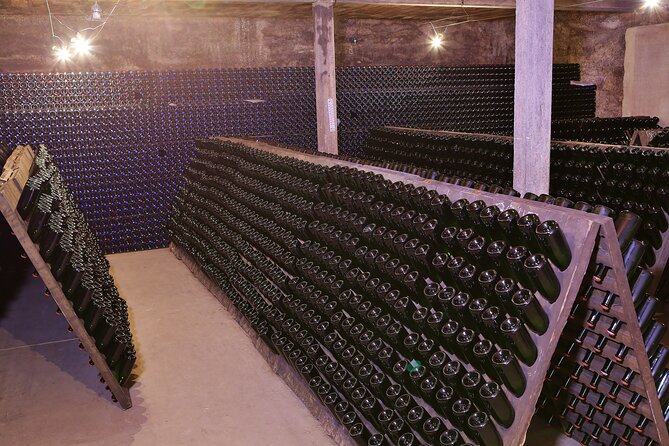
- Manual riddling remains part of the story: You learn how this traditional step helps prepare Champagne for sale.
- The tour shows production from start to finish: See equipment used for pressing, extracting, storing, and bottling the wine.
- Hélène leads the visit: Her patient, clear explanations are well suited to curious first-time Champagne visitors.
- Three cuvées are included: The tasting gives you a chance to compare the estate’s traditional wines.
- The group is capped at 12 people: A small format makes questions easier and the cellar visit more personal.
- Summer adds a vine collection: During the warmer months, you may examine grape varieties from France and other parts of the world.
Why this small estate visit feels different
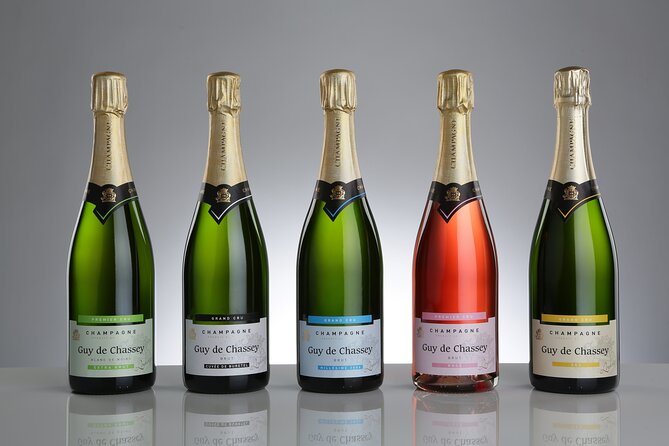
Champagne tours near Reims can range from grand commercial houses to small family producers. Champagne Guy de Chassey belongs firmly in the second camp. The emphasis here is on how the wine is made, how the estate works, and why the soil and weather of the Reims Mountain matter.
That makes this a good choice if you want more than a polished tasting room. You see the practical side of Champagne production and hear how older methods still shape modern cuvées. The visit is not built around a huge brand or a dramatic public attraction. Its strength is the direct connection with a working producer.
The tone also appears personal. Hélène guides the visit and has shown patience with late arrivals and long lists of questions. That matters in a 90-minute tour. You are not simply moved from one room to the next. The format allows time for explanation, especially if you want to understand terms that can sound mysterious when first encountered.
The group limit of 12 is another plus. It does not guarantee a private tour, but it keeps the experience from feeling like a bus excursion. A smaller group also helps when you are standing near machinery or in the cellars, where a large crowd can make explanations harder to hear.
You can also read our reviews of more food & drink experiences in Reims
Reims Mountain begins with the vineyard
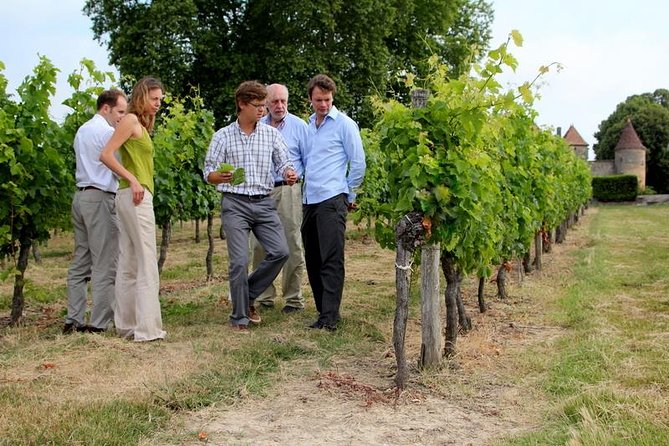
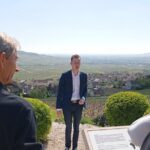
The estate uses the setting of the Reims Mountain to explain the role of terroir. In plain terms, terroir is the combination of soil, slope, exposure, and local growing conditions that shapes the grapes. Champagne is not made from fruit alone. The place where those grapes mature affects the wine in your glass.
During summer, the experience includes a chance to observe a collection of vines from France and around the world. This is a useful addition because it links the finished bottle to the plant itself. You can see that grape growing is not one-size-fits-all, and weather has a direct effect on ripening.
The tour specifically connects weather conditions with grape maturation. That point is easy to overlook when you are focused on tasting. A warm or cool season changes how quickly grapes develop, and those changes influence decisions later in the cellar.
The vine collection is seasonal, so do not assume it will be available at every time of year. The core cellar and production visit is the main attraction. The summer display is an extra benefit for people who enjoy the agricultural side of wine.
From pressing to stored grape juice
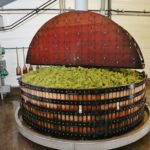
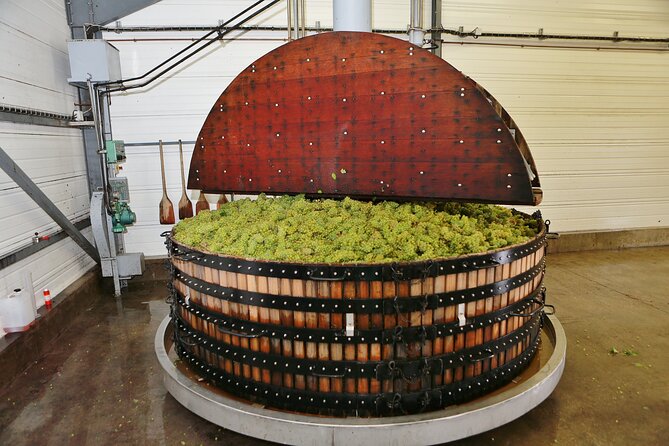
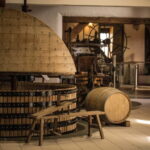
One of the clearest parts of the visit is the explanation of the machinery used to press grapes, extract the juice, and store it. This section gives you a better sense of the work that happens before fermentation and bottling.
You learn the basic journey of the fruit as it becomes wine. The pressing equipment is not just background machinery. It is the first major control point, since the producer must handle the grapes carefully and separate usable juice from unwanted material.
The estate also explains how the juice is stored. That helps connect the vineyard to the cellar. Instead of treating Champagne as a finished luxury product, you see it as a chain of careful decisions that begins soon after harvest.
The visit is especially useful for first-time Champagne drinkers. If you already know the production process well, the machinery section may feel familiar. Still, the small-estate setting gives the information a practical edge. You are looking at the equipment used by the producer, not only at a diagram or a museum display.
Handmade vaulted cellars and the old methods
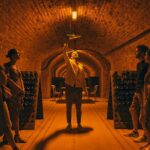
The handmade vaulted cellars provide the most atmospheric part of the visit. The setting offers a physical sense of where the bottles spend time and why cellar work is central to Champagne.
The estate presents its traditional methods as part of a modern production process. Manual riddling is the key example. During riddling, bottles are gradually moved so sediment collects in the neck. The method requires care and time, and it helps explain why Champagne production is more involved than simply adding bubbles to wine.
This is also where the idea of traditional cuvées becomes easier to understand. The estate connects its wines to the Reims Mountain terroir while using methods that have been practiced for generations. At the same time, the aim is not to preserve old techniques for show alone. Those techniques support the current cuvées sold by the estate.
The phrase cellar of the grandfather appears in the family story shared during the visit. That detail gives the cellar a personal link to the estate’s past. You are not just seeing an underground storage area. You are hearing how a family-run producer connects earlier generations with the bottles being made today.
Expect a cellar visit rather than a grand architectural spectacle. The appeal is scale and authenticity. If you want imposing halls, endless bottle racks, and a large corporate brand, this may feel modest. If you prefer to see a smaller producer’s working environment, the cellars are likely to be the highlight.
Bottling shows the final stages
The tour continues through the bottling process and explains the route from pressing to sale. This completes the picture. You have already seen the early work with grapes and juice, then the cellar methods, and now the steps that prepare the Champagne for customers.
Bottling is a useful point of focus because it shows how much happens between harvest and the moment a cork is removed. It also helps explain why the final price of Champagne reflects more than the cost of grapes. Equipment, storage, labor, time, and careful handling all play a role.
You should not expect a full industrial factory tour. The experience centers on understanding the process at this estate. The amount of machinery in operation may vary, and the available information does not promise that every part of production will be running during your visit.
Still, seeing the equipment and hearing the stages in order gives you a useful framework for future tastings. The next time you read about riddling, pressing, or bottling, you will have a clearer picture of what those terms mean.
You can also read our reviews of more wine tours in Reims
Three cuvées make the tasting worthwhile
The tasting includes three glasses from the estate’s traditional cuvées, along with a local-production aperitif. This is enough to compare the wines without turning the visit into a long drinking session.
Three pours can reveal differences in style, balance, and flavor. The experience is not presented as a single sample followed by a sales pitch. You get a small range of the producer’s work, which makes it easier to decide what you actually like.
The tasting also benefits from the cellar explanation that comes first. A glass of Champagne can taste very different when you understand where the grapes came from and how the bottle was handled. You can pay attention to the connection between the methods described and the wine itself.
The local aperitif adds a regional touch. The exact food pairing is not specified, so you should not book this expecting a substantial meal. Think of it as a welcome drink and tasting accompaniment, not lunch.
The tasting is likely to appeal to people who enjoy buying bottles directly from producers. One visitor planned to order bottles for home, and the estate clearly makes it possible to discover cuvées you may want to take with you. Any purchases beyond the included tasting are not part of the stated price, so allow for that separately if you like what you taste.
If you are driving, remember that the tour includes alcoholic beverages. The experience does not include private transportation, so arrange your transport with care.
Is $36.05 a fair price?
At $36.05 per person, the value depends on what you want from a Champagne visit. For a short tasting alone, the price could feel high. For a 90-minute tour that includes production equipment, vaulted cellars, traditional methods, explanations from Hélène, a local aperitif, and three glasses, the cost is more reasonable.
You are paying for access to a small family producer and for the time required to explain the full process. Large Champagne houses may offer more elaborate facilities, but a small estate can give you a closer look at the people and methods behind the bottle.
The maximum of 12 people also helps the value. A small group makes it easier to ask questions and follow the guide’s explanation. It does not make this a private tour, but it should feel more personal than a large scheduled group.
I would call it good value for a visitor who wants context with the tasting. If your only goal is to sample Champagne in central Reims, you may find easier options in town. The price makes the most sense when you value the cellar and production story as much as the three pours.
Timing, meeting point, and group size
The experience lasts about one hour and 30 minutes. That is long enough to cover the vineyard context, production equipment, cellars, bottling, and tasting without taking up an entire day.
The meeting point is 1 Pl. de la Demi Lune, 51150 Val de Livre, France. The tour ends back at the same meeting point. Since private transportation is not included, you need to handle the journey to and from the estate yourself.
This is the most important practical drawback for people basing themselves in Reims. The location is associated with the Reims Champagne area, but the stated meeting point is in Val de Livre. Check the route and allow enough time to arrive. One useful detail is that Hélène has waited for a group that was running late, but you should not treat that as a guaranteed late-arrival policy.
The tour is offered in English. Hélène has also answered questions in Spanish during a visit, but English is the language explicitly listed for the activity. If you need another language, confirm it before booking.
Confirmation arrives within 48 hours, subject to availability. Free cancellation is available when you cancel at least 24 hours before the start time. Cancellations or changes inside that window are not accepted for a refund.
Service animals are allowed. The stated maximum is 12 people, and the mobile ticket makes it easy to keep the booking details on your phone.
Who will enjoy this Champagne tour most?
I would choose this visit if you are curious about the process behind Champagne and prefer a small producer to a major commercial house. It suits couples, families, and small groups who want a manageable activity rather than a full-day wine itinerary.
The tour can also work well for families because the production story and machinery offer more than a tasting alone. Alcohol is included, but the educational parts can interest children too. Parents should still decide how the cellar setting and alcohol-focused visit fit their own group.
It is a good match for wine beginners. The explanations cover the journey from pressing through sale, so you do not need a technical background. You can ask basic questions without feeling out of place.
It also suits experienced Champagne drinkers who want to compare traditional cuvées and learn more about manual riddling. The experience is less suited to anyone looking for a large-scale attraction, a meal, or transportation from Reims.
Should you book Champagne Guy de Chassey?
Book it if you want a personal, production-focused Champagne visit with three tastings and a guide who takes time with questions. The small group limit, handmade cellars, manual riddling, and family connection give the experience a clear sense of place.
Think twice if you need a central Reims meeting point or private transport. You also should not expect a full lunch or a lengthy vineyard excursion. The core activity is a 90-minute estate visit with cellar and production explanations, followed by tasting.
For the right visitor, the price is fair. You leave with a better understanding of how Champagne moves from grapes to bottle, not just with a quick sample in a glass. Check the route to Val de Livre, allow time for the drive, and book at least a few weeks ahead if possible, since this experience is often reserved about 26 days in advance.
FAQ
Where does the Champagne Guy de Chassey tour begin?
The tour begins at 1 Pl. de la Demi Lune, 51150 Val de Livre, France.
Where does the tour end?
The activity ends back at the meeting point in Val de Livre.
How long does the tour last?
The tour lasts approximately one hour and 30 minutes.
How much does the tour cost?
The listed price is $36.05 per person.
What language is the tour offered in?
The activity is offered in English.
How many people can join the tour?
The maximum group size is 12 people.
What is included in the tasting?
You receive three glasses from Champagne Guy de Chassey’s traditional cuvées, plus an aperitif featuring local production.
Is private transportation included?
No. Private transportation is not included, so you must arrange your own way to and from the meeting point.
Can I see the vine collection during the visit?
During summer, you will also get to observe a French and worldwide vine collection and learn about how weather affects grape maturation.
What is the cancellation policy?
You can cancel at least 24 hours before the start time for a full refund. Cancellations or changes made less than 24 hours before the experience are not accepted for a refund.