REVIEW · REIMS
World War I Tour of Northern France; the Argonne Forest
Book on Viator →Operated by Promenade 14-18 · Bookable on Viator
The most moving part of this Argonne Forest WWI tour is its raw setting. You walk through actual trench lines, bunkers, tunnels, camp areas, and former field hospital sites, rather than simply viewing monuments from a roadside. Your guide may read diary entries written by French and German soldiers in 1915 at the same places you are exploring.
I like the choice between a simpler route along pavement and a tougher route through the woods. I also like the private format, since your guide can shape the visit around your interest in the American Argonne sector, French troops, German positions, or military engineering. The main caution is clear: this is not an easy walking tour. Expect hills, rough ground, tall grass, nettles, mud, and possibly wet clothing.
In This Review
- Key points to know before you book
- Walking into the Argonne Forest battlefield
- Choose the pavement or the trench route
- What you see during the 2.5-hour route
- Trench lines and tunnels
- Bunkers and cannon positions
- Communication posts and field hospitals
- Camps and former battalion areas
- Diary entries make the ground personal
- How difficult is the walk?
- Why the private format matters
- What this tour does not provide
- Practical preparation for the morning
- Who will appreciate the Argonne Forest tour?
- Should you book this Argonne battlefield walk?
- FAQ
- Where does the tour start and finish?
- How long does the tour last?
- Is this a private tour?
- How much does the tour cost?
- Do I need to be physically fit?
- Can I choose an easier route?
- What should I wear and bring?
- Does the tour operate in bad weather?
Key points to know before you book
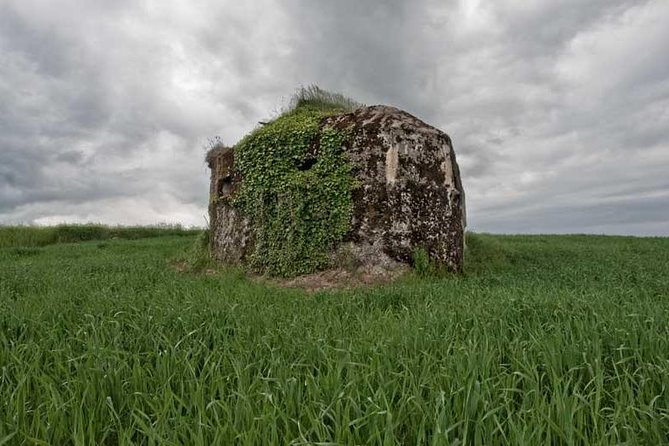
- Real trenches and bunkers: You visit surviving wartime positions, tunnels, communication posts, cannon bunkers, camps, and hospital sites.
- A physically demanding walk: You need to walk firmly for about 2.5 hours, with a moderate fitness level for rough woodland terrain.
- Two route choices: Stay mainly on pavement for an easier outing, or go in and out of trenches for the more original experience.
- Personal guiding: This is a private activity for your group only, with room to adjust the pace and subject matter.
- Strong historical storytelling: French and German diary entries help connect the physical sites with the soldiers who lived there.
- Bring outdoor gear: Wear clothes that can get dirty and wet, and bring a flashlight if you have one.
Walking into the Argonne Forest battlefield
The meeting point is at 2 Rue du Pont in Servon-Melzicourt, with the tour beginning at 9 a.m. and ending back there. That detail matters. You are not being collected at a central Reims hotel, and one review found the meeting place difficult for a visitor from the United States to locate. I would allow extra time to find the address and confirm your route before the morning of the tour.
Once you meet your guide, the experience begins as a walk through the former battalion area behind the front line. The Argonne Forest was not just a single line of trenches. It was a working military zone, with fighting positions linked to communications, medical care, supply areas, artillery, and shelter.
That connection is what gives this tour its value. You are not looking at one isolated bunker and then moving on. You follow the remains of a wartime system. Trenches led toward bunkers. Tunnels and communication posts helped move messages. Field hospitals treated the wounded. Camps supported soldiers who lived and fought in the area.
Your guide explains how these pieces fit together while you walk. Isabelle, one guide associated with the experience, is especially well informed about the local ground and the First World War period. She has also adjusted tours for visitors whose plans changed, which is useful in a rural area where timing can be less forgiving than it is in a city.
You can also read our reviews of more tours and experiences in Reims.

Choose the pavement or the trench route
The tour offers an important choice. You can take an easier walk along the pavement, or choose the more demanding route through the woods, entering and leaving trenches along the way.
The pavement option is the sensible choice if you want the historical explanation but have concerns about balance, stamina, wet ground, or steep sections. It should not be confused with a short stroll, however. You still need to manage about 2.5 hours on your feet.
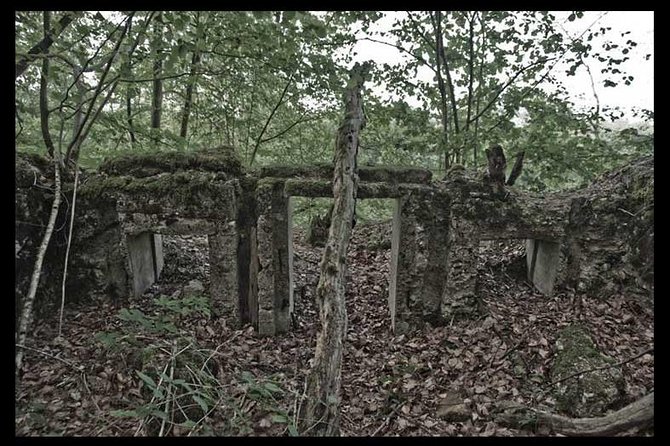
The woodland route gives you the stronger sense of place. You may walk through trench lines, rough ground, and bunker entrances where plants and weather have changed the site over time. The setting is original in a way that a restored museum display cannot reproduce. You can see the uneven ground, the enclosed trench spaces, and the practical difficulties faced by soldiers trying to move, communicate, sleep, and treat the wounded under fire.
The tradeoff is comfort. You may go up and down hills, pass through tall grass, and encounter nettles. Wet conditions can make trenches and paths slippery or muddy. One disappointing experience came from expecting paved paths and a gentle walk, only to find a vigorous outing in rain and high grass. Take that warning seriously.
What you see during the 2.5-hour route
The exact order can vary because the guide adapts the walk to your group, but the main areas form a clear picture of life behind the front line.
Trench lines and tunnels
The trenches are the heart of the visit. Some sections are open enough to walk through, while others may require more careful movement. You get a physical sense of how narrow, uneven, and exposed these positions could be.
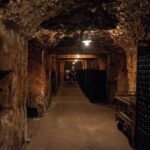
Tunnels add another layer. They show how troops used the ground for shelter, movement, and protection. A flashlight is worth bringing, even though the tour information does not promise that every tunnel will be dark or fully entered. It is a simple item that can make rough interior spaces easier to examine.
Bunkers and cannon positions
The bunkers provide some of the most substantial remains. You may see structures that are still intact, along with cannon bunkers and related defensive positions. These are not polished exhibits, so you should expect weathered masonry, uneven entrances, and natural growth.
That lack of polish is part of the appeal, but it also means you need to watch your footing. If you want a collection of large monuments, formal cemeteries, and museum galleries, this outing may not match your expectations. If you want to see military remains in their original surroundings, it is a strong fit.





Communication posts and field hospitals
Communication posts help explain how the front line functioned beyond direct combat. A battle depended on messages, orders, and coordination, and these hidden positions were part of that network.
The field hospital sites bring a human cost to the walk. The guide connects these places with stories of hardship behind the front line. You are not only hearing about attacks and artillery. You are also learning where wounded men were brought and how the battalion area supported soldiers through long periods of fighting.
Camps and former battalion areas
Camp areas show that the front was also a place of daily routine. Soldiers needed shelter, rest, food, medical treatment, and ways to move supplies. The guide follows the former battalion area and uses the surviving remains to explain that wider setting.
The experience does not treat the forest as a collection of random ruins. The sites work together as evidence of how a First World War unit lived and operated.
Diary entries make the ground personal
The tour includes diary entries written by French and German soldiers in 1915. Your guide reads them at the same locations you are visiting, which gives the walk a personal focus.
This is one of the experience’s best features. Military dates and unit names can feel distant when you encounter them in a book. A diary entry connected to a trench, bunker, or hospital site brings the scale down to one person dealing with cold, fear, fatigue, injury, and uncertainty.
The French and German perspectives also help avoid a one-sided account. The Argonne was fought by opposing armies, and the guide uses writings from both sides. That does not erase the violence of the conflict, but it gives you a fuller picture of the men who served there.
If your main interest is the American campaign in the Argonne sector, say so when arranging the visit. The private format allows the guide to respond to your interests, and one particularly positive experience focused on the US First World War connection. The information provided does not promise a separate American-only itinerary, so treat this as a request for emphasis rather than a guaranteed specialty route.
How difficult is the walk?
The tour description calls for moderate physical fitness, but the feedback makes the practical meaning sharper: you need hearty stamina and energy. You must be able to walk for the full 2.5 hours over rough terrain, with possible climbing and repeated movement in and out of trenches.
The route can include:
- Hills and uneven woodland ground
- Tall grass and nettles
- Mud and wet conditions
- Trench entrances and exits
- Bunkers and tunnels
- Possible mosquito bites and ticks in grassy areas
You should check yourself for ticks after the walk if you have gone through tall grass. That is sensible outdoor practice based on the conditions described, not a reason to avoid the tour.
Winter can be a particularly good season for seeing the trenches and bunkers because there is less plant growth. The tradeoff is colder, wetter weather, so sturdy outdoor clothing matters even more. In every season, wear clothes and shoes that you do not mind getting dirty.
Service animals are allowed. The experience operates in all weather, so rain does not automatically stop the outing. You should be prepared for the possibility of getting wet and dirty in the trenches and bunkers.
Why the private format matters
The price is $171.61 per group of up to 15 people, rather than a charge per person. That makes the value depend heavily on your group size.
With 15 people, the listed cost works out to about $11.44 per person. With five people, it is about $34.32 each. For two people, the per-person cost is much higher, but you get a private guide and a tour that can be adapted to your pace and interests.
A private group also helps with questions. You can spend more time on a bunker, ask about a particular army, or choose the easier route without being tied to strangers’ preferences. The guide can adjust the tour after a misunderstanding about plans, as happened with one booking, which shows the practical benefit of having a flexible operator.
The group limit of 15 is generous. A full group could feel less intimate on a rough trail, while a small family or history-minded party should have plenty of room for conversation. Since the experience includes only the local guide, you need to bring your own food and drinks.
What this tour does not provide
This is not a conventional sightseeing loop through Reims. Hotel pickup and drop-off are not included, and the meeting point is in Servon-Melzicourt. You need to arrange your own transport to and from the starting address.
It is also not a museum visit. The focus is on walking outdoors among trenches, bunkers, tunnels, camps, and other remains. You will not get a planned package of paved paths, formal monuments, museums, and cemeteries based on the information provided.
That distinction is central to your decision. If you want a comfortable introduction to First World War sites, look for an outing built around vehicles, paved access, or indoor collections. If you want to examine the ground itself and accept the discomfort that comes with it, this is the more direct experience.
Practical preparation for the morning
I would prepare for this as a short woodland hike with expert historical commentary.
Wear long trousers and sturdy shoes. Choose layers that can handle changing weather, and bring rain protection. Clothes may get wet or dirty, especially if you select the trench route. A flashlight can help in tunnels and dark bunker spaces.
Bring water and a snack because food and drinks are not included. Start the morning with enough time to reach the meeting point at 2 Rue du Pont, 51800 Servon-Melzicourt, France. The tour starts at 9 a.m., and the activity returns to that same location.
The operator confirms bookings within 48 hours, subject to availability. Free cancellation is available until 24 hours before the start time. Changes or cancellations inside that 24-hour window are not accepted for a refund, with cut-off times based on local time.
Who will appreciate the Argonne Forest tour?
I would recommend this experience to you if you have a serious interest in First World War history, military archaeology, or the American Argonne campaign. It is also a good fit if you prefer original sites to restored displays and like learning through walking, close observation, and first-person accounts.
Families with older children may find it meaningful, provided everyone can manage the terrain. The private format gives you more control than a large scheduled group, but it does not remove the physical demands.
I would be cautious about booking if you want a gentle walk, have difficulty on uneven ground, or dislike wet weather and insects. The route can be adapted, but the tour still requires firm walking for about 2.5 hours. Do not choose it based on the idea of a simple stroll to a few bunkers.
Should you book this Argonne battlefield walk?
Book it if you want the forest, trenches, and wartime remains to be the main event. The strongest reasons are the authentic ground, the French and German diary readings, the private guide, and the chance to see bunkers, tunnels, hospitals, camps, and communication posts in one connected route.
Skip it if your ideal visit includes paved access, museums, monuments, and cemeteries with little exertion. The mixed rating reflects that difference in expectations more than a simple question of quality.
For a fit history enthusiast who arrives prepared for mud and rough ground, the $171.61 group price can be good value, especially with several people sharing the cost. Bring proper clothing, allow extra time to find the rural meeting point, and choose the trench route only if you are ready for the real physical conditions of the Argonne.
FAQ
Where does the tour start and finish?
It starts at 2 Rue du Pont, 51800 Servon-Melzicourt, France, at 9 a.m. The activity ends back at the same meeting point.
How long does the tour last?
The tour lasts approximately 2 hours and 30 minutes.
Is this a private tour?
Yes. Only your group participates, with a maximum of 15 people.
How much does the tour cost?
The listed price is $171.61 per group of up to 15 people.
Do I need to be physically fit?
You need moderate physical fitness and must be able to walk firmly for about 2.5 hours. Rough terrain, hills, trenches, tunnels, and climbing may be part of the route.
Can I choose an easier route?
Yes. You can choose an easier walk along the pavement or a more challenging route through the woods and trenches. The guide adapts the tour to your group’s needs and interests.
What should I wear and bring?
Wear outdoor clothing that can get wet and dirty. Dress appropriately for all weather, and bring a flashlight if you have one. Food and drinks are not included.
Does the tour operate in bad weather?
Yes. The tour operates in all weather conditions. You should be prepared for wet and muddy conditions, nettles, tall grass, and rough ground.