REVIEW · DIJON
🍷 Masterclass Pinot Noir – Wine tasting in Dijon 🇫🇷
Book on GetYourGuide →Operated by Les Clos Vivants · Bookable on GetYourGuide
Pinot Noir, mapped step by step. In Dijon, you get a focused tasting that walks you through how Burgundy’s Climats shape taste, from village levels up toward Grand Cru.
What I like most is the tight structure: you taste four wines in one session and get real guidance on how to taste them, not just sip and move on. I also like that the tasting is run for small groups (up to 8), so questions don’t vanish into the background noise.
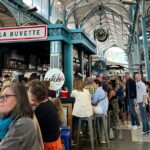
One thing to consider is comfort. The setting is a wine shop, and some participants report having to stand longer than expected if space is tight, with shoppers moving through.
In This Review
- Key highlights at a glance
- Why Dijon’s Climats matter in a 45-minute Pinot Noir session
- Les Clos Vivants: where the tasting starts and the tone gets set
- The tasting ladder: 4 Pinot Noirs from village up toward Grand Cru
- What the Burgundy wine expert teaches you to taste (and how that helps on the wine route)
- Small group size: why up to 8 people is a real advantage
- Where your tasting fits into a Burgundy trip plan
- Buying after the tasting: how to make the most of their selection
- Price and value: is $41 fair for 4 Pinot Noirs?
- Comfort and logistics to think about before you go
- Who should book this Pinot Noir masterclass in Dijon
- Should you book it? My decision guide
- FAQ
- How long is the Pinot Noir masterclass in Dijon?
- How many wines will you taste?
- What is the group size?
- Where is the meeting point?
- What languages are offered?
- Is the experience suitable for children?
- Is it wheelchair accessible?
Key highlights at a glance

- Small group size (max 8) keeps the tasting personal and question-friendly.
- Burgundy expert-led session teaching you how to taste, not just what to taste.
- Four Pinot Noirs traced from village levels toward Grand Cru, matching Burgundy’s classification ladder.
- Vignobles & Découvertes certified experience, a quality label for wine tourism.
- All wines come from their selection, so you can buy what you taste afterward.
Why Dijon’s Climats matter in a 45-minute Pinot Noir session

Dijon is the kind of base that makes Burgundy easier to understand. You’re not just in a city with wine bars—you’re close to the Climats de Bourgogne UNESCO World Heritage area, where the “where” matters as much as the grape.
This tasting is built around that idea. You’ll move through Burgundy’s hierarchy—from lower classifications up toward the top—so you start seeing the logic behind why a bottle can taste more precise, more layered, or more intense as you climb the ladder. It’s the difference between knowing Burgundy as a list of labels and actually grasping how the system connects to flavor.
And yes, Pinot Noir is the star here. But the real win is learning how people interpret site, style, and quality as the wines progress.
You can also read our reviews of more food & drink experiences in Dijon
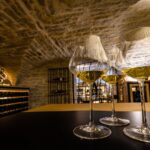

Les Clos Vivants: where the tasting starts and the tone gets set

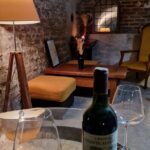
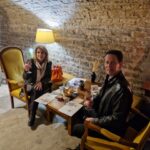
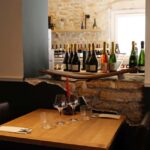
Your session meets at Les Clos Vivants – Wine Shop. That matters more than you might think. A shop setting keeps the experience grounded: you’re surrounded by wine in a place where people talk shop daily, not in a formal tasting room that feels distant from real Burgundy life.
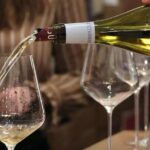
Because it’s designed as a short masterclass (about 45 minutes), the host has to get you oriented quickly. Expect a guided flow, with you tasting as the teaching happens, so you don’t waste time wondering what to pay attention to.
That said, this is also the downside for some people. If the shop is active or seating is limited that day, you might find yourself standing. If you’re sensitive to standing for long stretches, I’d plan to bring a small expectation buffer and pick comfortable shoes.
The tasting ladder: 4 Pinot Noirs from village up toward Grand Cru

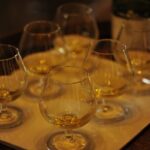
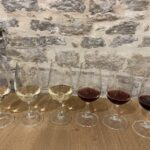
You’re tasting four wines, organized to give you a measure of Burgundy from village to Grand Cru. That structure is the whole point. It’s not random selection; it’s a guided comparison designed to help you hear the differences.
One participant described the way their lineup worked as starting with a lower denomination style and moving upward to Grand Cru. Even if your exact order is slightly different day to day, the goal stays the same: you taste the classification step-by-step so your palate can recognize what changes as you move up.
Here’s what that means in practical terms for you:
- You’ll have a chance to compare more than one bottle enough times to notice patterns (not just one “wow” wine).
- You can ask questions while the differences are fresh, like why one wine tastes more focused or why another feels broader.
- You leave with a better sense of what people mean when they talk about village character versus Grand Cru character.
If you’ve ever looked at a Burgundy label and felt lost, this format helps you stop guessing. You’re training your ear and your nose to follow the story Burgundy tells through its hierarchy.
What the Burgundy wine expert teaches you to taste (and how that helps on the wine route)

The masterclass is led by a Burgundy wine expert—named options include Mattéo, Guyonne, or Adrien. In practice, some sessions are led by hosts such as Emily or Pierre, and the common thread is clear: they focus on making the terroir and the system understandable.
So what do you actually learn in a short session like this? Not trivia. You learn how to look and taste.
- How to pay attention to aroma, not just flavor.
- How to connect what you taste to the basic Burgundy idea that the site plays a major role in the final wine.
- How to start thinking about “why this level vs that level” in a way you can use later when you visit wineries.
The value here is speed with structure. Many wine tastings wander. This one is designed to educate you while you taste, so you walk away with a mental toolkit for your next stops in Burgundy.
Small group size: why up to 8 people is a real advantage

This tasting caps at 8 participants. That isn’t just a nice-to-have. In wine learning, the best parts are usually the questions: Why does this bottle taste this way? How should I interpret that label? What should I order next?
In a larger crowd, those questions can get cut off or ignored. With a small group, you’re more likely to get the kind of attention that helps you leave with real clarity.
Language-wise, the tasting runs in French and English, so you can choose what you’re most comfortable with. That matters because wine terms can be slippery in translation, and you’ll get more benefit when the explanations land naturally.
You can also read our reviews of more wine tours in Dijon

Where your tasting fits into a Burgundy trip plan

You don’t need a full day to start understanding Burgundy. This masterclass gives you a compact education before you hop on the broader wine route.
Here’s how I’d plug it into a typical itinerary:
- If you’re in Dijon for a day or two, this is a smart first “Burgundy primer.”
- If you’re about to drive or train out to other areas, you’ll be better prepared to interpret what you’re seeing and tasting.
- If you prefer hands-on experiences over lectures, the tasting format gives you feedback right away.
It’s also a good match for people who feel overwhelmed by choice. Burgundy can look complicated fast—this turns complexity into a guided ladder you can follow.
Buying after the tasting: how to make the most of their selection

One of the practical perks: the wines you taste come from the provider’s selection, so you can buy them after. That’s a real advantage compared to tastings where you only taste and then wish you could re-buy with confidence.
But don’t buy automatically. Use the tasting as a shortlist builder:
- If you liked a specific style level, ask yourself what you liked most—aroma, texture, balance, or intensity.
- If you’re planning a dinner back home, think about how a village-style wine and a higher-level wine might pair differently (even if you’re not doing a full pairing plan yet).
Since you’re moving through classifications, you’ll often find your personal “sweet spot” where the wine feels special without feeling too intimidating in price or expectation.
Price and value: is $41 fair for 4 Pinot Noirs?
At $41 per person for about 45 minutes, you’re paying for three things: expert-led guidance, a structured tasting with four wines, and a high-quality tourism format marked with the Vignobles & Découvertes label.
Is that cheap? No. But for Burgundy education, it’s also not just paying for alcohol. You’re paying to shorten your learning curve.
If you’ve ever tried to learn Burgundy by yourself while reading labels in a shop, it can get expensive fast because you end up buying multiple bottles without understanding what you’re testing. Here, you taste a progression with guidance in one go. That tends to make the cost feel more like tuition than like a casual stop.
Also, the small group size helps the value. When you get real interaction, you’re less likely to leave with vague impressions.
Comfort and logistics to think about before you go

This experience is wheelchair accessible, which is a big plus. Still, the practical comfort story is mixed.
Some people expected a more sit-down setup with a private room. Instead, the shop environment can be active, and a participant reported needing to stand for over 60 minutes. That’s longer than the stated duration, but it highlights the same risk: if the space gets crowded, you may not have the comfort you want.
My advice: if standing makes your trip less enjoyable, wear shoes that won’t punish you and consider arriving with the expectation that the format may be more like an active tasting than a seated classroom. If you can, choose a time when the shop is less busy.
Who should book this Pinot Noir masterclass in Dijon
This is best for you if:
- You want a guided Burgundy lesson without committing to a full tour day.
- You’re into Pinot Noir and want to understand how Burgundy’s classification system shows up in taste.
- You enjoy tasting as a teaching tool—asking questions and making comparisons.
It’s also a solid choice for couples or solo travelers who don’t want a big group vibe.
It’s not suitable for children under 18, so plan this as an adult wine experience.
Should you book it? My decision guide
Book this masterclass if you want a quick, structured way to understand Burgundy—especially if you’re the kind of person who likes Pinot Noir and learns best by tasting in sequence. The expert-led approach, the Vignobles & Découvertes certification, and the small group size make it feel like you’re paying for clarity, not just wine.
Skip it or adjust expectations if you strongly need comfortable seating in a dedicated room. Because it happens in a wine shop and can be crowded, comfort may vary by day.
If you’re heading into the Climats area or planning wine stops around Burgundy soon, this is a smart starting point: you’ll taste the ladder once, and later you’ll recognize the steps faster.
FAQ
How long is the Pinot Noir masterclass in Dijon?
It lasts 45 minutes.
How many wines will you taste?
You’ll taste 4 wines, from village to Grand Cru.
What is the group size?
The experience is a small group limited to 8 participants.
Where is the meeting point?
You meet at Les Clos Vivants – Wine Shop.
What languages are offered?
The instructor speaks French and English.
Is the experience suitable for children?
It is not suitable for children under 18.
Is it wheelchair accessible?
Yes, the experience is wheelchair accessible.