REVIEW · REIMS
Verdun Battlefield Tour, Expert Historian & Tickets Included
Book on Viator →Operated by Royal Journey France · Bookable on Viator
Verdun is heavy history, made clear. This 8-hour battlefield day trip from Reims turns famous names into places you can actually stand in, with hotel pickup that saves you from wrangling transport. I love the way the tour keeps things intimate, so you can ask follow-up questions without feeling rushed. I also love that several major stops have tickets included, so you’re not scrambling mid-day. One drawback: lunch isn’t included, so you’ll want a plan for food between sites.
What makes this tour especially useful is the structure. You’re not just checking monuments off a list. You’ll move by car or minivan from one key site to the next, with a guide who explains how the fighting worked—fortifications, trenches, supply pressure, and why certain ground mattered. It’s the kind of pacing that helps you connect the dots instead of losing them to noise.
Because the group maxes out at 7 travelers, it tends to feel more like a shared lesson than a big bus parade. That also means you can go at a pace that fits your interests, whether you’re drawn to forts like Douaumont or the museum side of the story. The day is intense, but it’s well managed.
In This Review
- Key highlights to look for
- Verdun From Reims: Smart Timing and Fewer Headaches
- Private-Group Format: When Your Questions Actually Get Answered
- Fort Douaumont: Seeing a WWI Fort Up Close
- L’Ossuaire de Douaumont: Crosses, Names, and the Weight of Silence
- Fleury and the Destroyed Village Feel
- Tranchée des Baïonnettes: Why This Trench Became Legendary
- Memorial de Verdun Museum: Objects, Both Sides, and Better Context
- Monument Maginot: A Quick Pause With Big “System” Context
- Verdun Memorial Trenches: What’s Left and What It Means
- Fort de Souville: Gun Turret and Shell Holes
- Transport Comfort, Pace, and the Lunch Reality
- Price and Value: What You’re Paying For at $624.76
- Who Should Book This Verdun Battlefield Day Trip?
- Should You Book It? My Take
- FAQ
- Where is the tour starting point?
- What time does the tour begin?
- How long is the tour?
- Is the group size limited?
- Are tickets included for the main sites?
- Is lunch included?
- Is the tour offered in English?
Key highlights to look for
- Hotel pickup in the Reims area reduces stress and gets you out the door early
- Max group size of 7 keeps the experience personal and question-friendly
- Tickets included for Fort Douaumont, L’Ossuaire de Douaumont, and Memorial de Verdun
- Short, targeted stops mean you see a lot without burning the day waiting around
- English-speaking expert guide helps translate the battle into real geography
- Air-conditioned transport and bottled water keep the long day more comfortable
Verdun From Reims: Smart Timing and Fewer Headaches
If you’re based in Reims, this is a strong option because it treats transportation like a problem worth solving. Pickup runs from Reims Central Train Station and from hotels or locations in the Reims area (and Champagne Ardenne TGV). The tour starts at 8:30 am and ends back at your meeting point, so you’re not left figuring out how to get back after an emotionally draining day.
Verdun is famous, but it can also be intimidating if you try to DIY it. You’ll need the right routing, the right stops, and the right interpretation. This tour handles that. You’re basically buying a day of expert direction plus a comfortable ride between sites, which matters because several stops are outside and the walking is spread out across a long route.
Starting in the morning also helps you get better light for photos at the more visual sites, like forts and ossuary grounds. And because the schedule is tight but not chaotic, you’re not spending your best energy trapped in traffic or stuck waiting for transit.
You can also read our reviews of more tours and experiences in Reims.


Private-Group Format: When Your Questions Actually Get Answered
This is a small-group tour with a maximum of 7 travelers. That detail changes the vibe. On bigger tours, you’re often stuck listening at a distance. Here, the guide can slow down to answer what you care about, whether that’s trench tactics, fort design, or what soldiers experienced day after day.
Your guide will lead you in English, and the tour uses a private car or minivan to move between stops. That means less time fighting for seats and more time listening. It’s also air-conditioned, with bottled water included, which is quietly important in the middle of a day that can feel long even when each stop is timed.
One other practical point: the tour format encourages curiosity. If you want the story behind a location, you can ask. If you want the map context first, the guide can give it. Some guides on this route—like history-teacher types named in previous group experiences such as Gwendal and Roger—are known for explaining movements and context with clear, grounded explanations before the sites start stacking up.
Fort Douaumont: Seeing a WWI Fort Up Close
Fort Douaumont is where the “how could anyone fight here?” question starts making sense. The fortification visit is timed at about 50 minutes, and that’s just enough time to get oriented inside and around the structure without feeling like you’re being marched through.
Why this stop matters: Douaumont wasn’t just a dramatic backdrop. It was part of the larger system of fortifications designed to hold, control, and influence the battlefield. When you see the engineering and layout firsthand, it helps you understand why battles weren’t only about holding a line on a map. They were about occupying space that affected movement, observation, and survival.
What I’d watch for during your time there:
- How the fort’s design shapes movement and visibility
- The idea of protection versus vulnerability (a fort can protect, but it can also become a target)
- Any interpretive context your guide gives about why this site drew attention
A fort visit can feel “technical” on paper, but with the right guide it becomes human again. You learn how systems of defense connected to the soldiers living and working in and around these structures.
L’Ossuaire de Douaumont: Crosses, Names, and the Weight of Silence
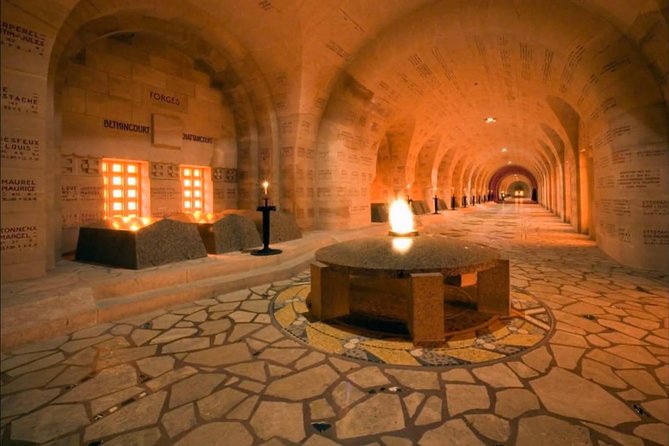
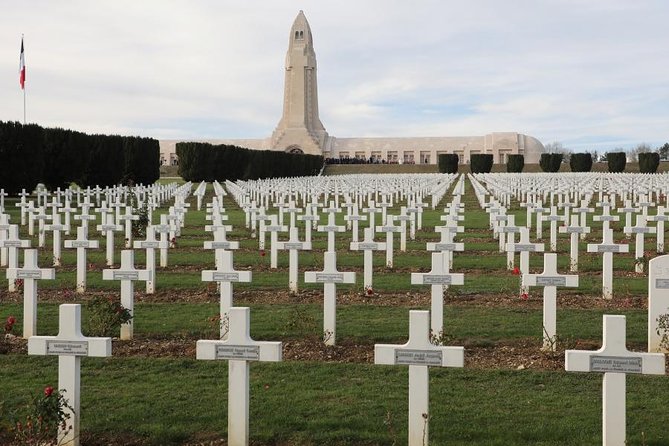
Next comes L’Ossuaire de Douaumont, about 45 minutes. This stop is not loud or performative. It’s a cemetery and ossuary experience built to hold memory—hundreds of crosses and a sense of scale that’s hard to fully grasp until you’re there.
This is one of those places where a guide’s framing helps. Without context, you can still feel the gravity, but you might miss the “why” behind what you’re seeing. With a guide, you get a clearer explanation of how the burials and memorial elements connect to the battle’s human cost.
Practical reality: you’ll likely spend part of your time standing, walking slowly, and reading. That’s why it’s a good idea to pace yourself. Don’t try to absorb everything at once. Let the guide’s narration settle, then take a few minutes to look without filtering it through your phone camera.
Fleury and the Destroyed Village Feel
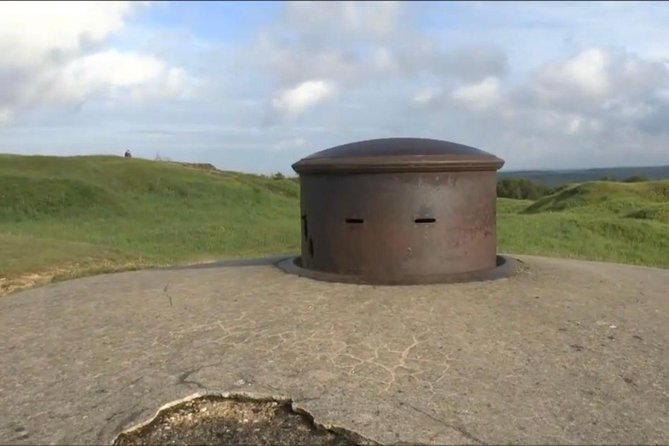
Fleury is a shorter stop (about 20 minutes), but it plays a key role. You’ll visit one of the destructed villages, and this is where the battle stops being only fortifications and turns into civilian reality.
A destroyed village is often more about what’s missing than what’s present. You might notice fragments, outlines, or the way the area signals loss. Even with limited time, this kind of stop adds emotional and historical balance. It reminds you that the battle affected far more than the soldiers in trenches.
Because this stop is free and brief, I’d treat it as a chance to reset your brain. You just moved from a fort and a cemetery. Fleury is a reminder that the battlefield extended outward and changed communities.





Tranchée des Baïonnettes: Why This Trench Became Legendary
About 15 minutes at Tranchée des Baïonnettes rounds out the “ground-level” experience. This is a famous trench site, associated with the bayonet fighting that became part of Verdun’s legend.
Trench sites can sometimes feel like you’re looking at a static slice of history. But with the right explanation, they become a story about proximity, fear, and the brutal logic of close combat. The guide can help you understand what trench fighting meant in practice—how visibility, movement, and cover worked when both sides were locked into the same broken terrain.
Because the stop is short, plan to absorb it in layers:
1) what you see now,
2) what it would have looked like during fighting,
3) why it mattered in the bigger battle.
Memorial de Verdun Museum: Objects, Both Sides, and Better Context
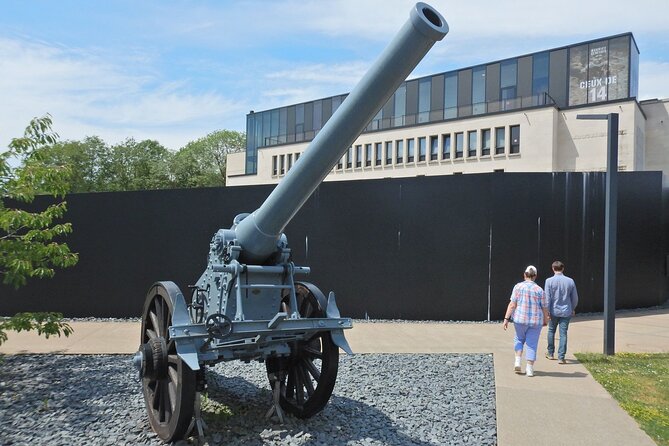
Then you’ll get a more structured look at the war. The Memorial de Verdun visit is about 40 minutes, and admission is included.
What I like about a museum stop here is that it gives your day a backbone. Forts and trenches are physical. A museum explains what you’re looking at in a way that connects geography to human experience. This museum includes objects from fighters on both sides, which matters because it prevents the battle from becoming one-note propaganda. It’s still tragic, but it’s fuller, and it helps you understand that the same ground held different uniforms and different stories.
If you want to learn efficiently, use this time to ask yourself what you’ve just seen. Where did the fortifications fit in? How does the trench fighting relate to what you learned? The guide can tie it together, and the museum’s artifacts make those connections feel concrete.
Monument Maginot: A Quick Pause With Big “System” Context
Monument Maginot is brief—about 5 minutes—and free to visit. Don’t expect a long walk here. Think of it as a checkpoint in the broader story of French military planning and defenses.
Even in a short stop, this kind of monument can help you step back. Verdun is a WWI battle, but it also sits inside the long timeline of fortification thinking. If you’re the kind of traveler who likes to understand how wars shape what comes next, you’ll appreciate the added perspective.
Verdun Memorial Trenches: What’s Left and What It Means
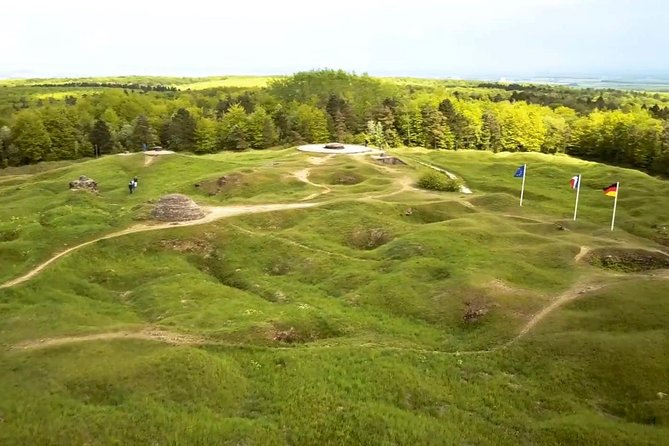
The Verdun Memorial stop is about 10 minutes and free, focused on remaining trenches and the battlefield. This is the “you are here on the same ground” segment.
It’s easy to feel overwhelmed at Verdun because the sites are so famous. This stop is useful because it gives you a concentrated look at what remains and what’s been preserved. You’re not spending hours here, but you’ll likely leave with stronger spatial memory—knowing what you saw and where it sits relative to the rest of the day.
Fort de Souville: Gun Turret and Shell Holes
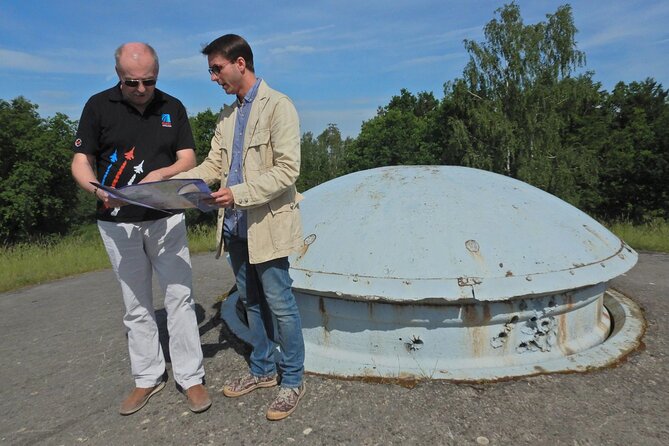
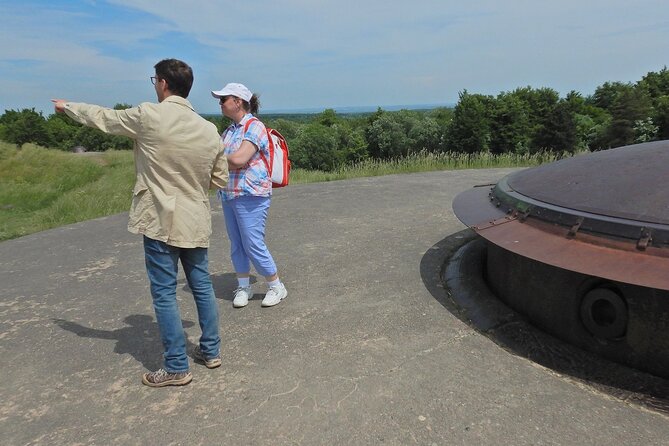
Fort de Souville wraps up the battlefield loop (about 10 minutes, free). You’ll see a gun turret and shell holes—one of the most visual reminders that the area was fought over in real time, with real destruction.
Why a late-day fort stop works: by this point you’ve already built a mental framework through Douaumont and the trenches. Souville then becomes a confirmation. You see how firepower and battlefield pressure played out on the ground.
This is also a good time for photos, as long as you’re mindful of the pace and crowd rules on site. Short stop means quick decisions: take the shot you’ll want, then listen for the guide’s final explanation so you don’t leave with only images and no connections.
Transport Comfort, Pace, and the Lunch Reality
This tour is about 8 hours, with multiple stops totaling several hours of active sightseeing time. You’ll be in an air-conditioned vehicle between locations, and bottled water is included. That said, you are moving for most of the day, and the stops—though timed—can involve standing, walking on uneven ground, and reading interpretive material.
Bring these:
- Comfortable walking shoes (many sites involve uneven surfaces)
- A light layer (museums and forts can vary in temperature)
- Something simple for food since lunch isn’t included
Because lunch isn’t part of the package, you’ll likely want to plan to eat near the tour route or carry a snack. You don’t want low energy to turn an educational day into a survival day.
Also, keep your phone/camera handy, but don’t treat this as a pure photo mission. Verdun is one of those places where your biggest payoff comes from understanding what you’re seeing while you’re there.
Price and Value: What You’re Paying For at $624.76
At $624.76 per person, the price isn’t “cheap.” But it also isn’t just paying for seats and sightseeing.
Here’s what you’re actually getting value for:
- Private transportation in an air-conditioned car or minivan for the day
- Tickets included for major anchor stops (Fort Douaumont, Ossuary of Douaumont, and Memorial de Verdun)
- A guide who connects battle history to real locations, not just facts on placards
- A small group size (max 7), so your time with the guide isn’t diluted
If you DIY Verdun from Reims, you’ll still face costs: fuel or transit, admission fees at key sites, and the time cost of figuring out the best route and order. A guided day is often worth it when the goal is understanding, not just access.
One more value point: this tour is commonly booked well ahead (on average 115 days). If you’re traveling in peak seasons, the fact that it fills suggests it’s a solid option for planning a meaningful day without last-minute scrambling.
Who Should Book This Verdun Battlefield Day Trip?
This tour fits best if:
- You care about WWI and want context that turns sites into a story
- You want a guided experience rather than reading alone
- You’re staying in or near Reims and don’t want the transport headache
- You like small groups and the ability to ask questions
It can also work well for family groups with older kids or teens, since the stops are designed to be “bite-sized” while still meaningful. If you’re visiting with someone who gets restless on long museum days, the mix of forts, trenches, ossuary, and museum keeps variety high.
Should You Book It? My Take
I think this is a strong book for anyone who wants Verdun to make sense. The combination of hotel pickup from the Reims area, small-group pacing, and paid-entry stops at the key sites makes the day efficient and emotionally grounded.
The main reason to hesitate is also simple: if you specifically want lots of free time in town, this itinerary doesn’t prioritize that. You’ll be focused on the battlefield circuit, and the day moves with purpose. Also remember lunch isn’t included, so you’ll need to cover food on your own.
If you’re after a clear, well-run, expert-led WWI day with minimal logistical stress, this is the kind of tour that earns its price.
FAQ
Where is the tour starting point?
The tour starts at Reims Central Train Station (51100 Reims, France) and also offers pickup from hotels or locations in the Reims area, plus the Champagne Ardenne TGV area.
What time does the tour begin?
The start time is 8:30 am.
How long is the tour?
It runs for approximately 8 hours.
Is the group size limited?
Yes. The maximum group size is 7 travelers.
Are tickets included for the main sites?
Yes. Admission tickets are included for Fort Douaumont, L’Ossuaire de Douaumont, and Memorial de Verdun.
Is lunch included?
No, lunch is not included.
Is the tour offered in English?
Yes, it’s offered in English.