REVIEW · AVIGNON
Truffle Hunting in Provence
Book on Viator →Operated by Les Pastras · Bookable on Viator
Black gold, sniffed out by dogs, feels magical. At Les Pastras near Cadenet, you start with a shady farm walk and learn how truffles are grown, then you help the hunters track them in the fields. It’s taught in English and kept small enough that you’ll actually participate.
I loved two parts most. First, seeing the work of Mirabel, Caramel, and Eclair—focused dogs with noses doing the heavy lifting. Second, the long tasting after the dig: truffle hors d’oeuvres, then truffle ice cream with truffle honey, plus oils, truffle salt, and Champagne.
One thing to plan for: this is a working farm. You’ll be outside on uneven ground, and it depends on good weather, since the experience runs only on select days and seasons.
In This Review
- Key Things to Know Before You Go
- Les Pastras in Cadenet: A Real Truffle Farm, Not a Show
- Meeting Johann and the Dogs: How the Hunt Plays Out in the Fields
- What You Learn Before You Taste: Truffles, Terroir, and the Real Economics
- The Summer Kitchen Tasting: From Hors d’Oeuvres to Truffle Ice Cream
- How to Use Fresh Truffles After the Tour (and Not Get Fooled)
- Price and Timing: Is This Worth $139.27?
- What to Wear and Bring for a Smooth Hunt
- Who This Tour Fits Best
- Should You Book This Truffle Hunting Experience in Provence?
- FAQ
- Where does the truffle hunting tour start?
- How long is the tour?
- Is the tour offered in English?
- How many people are in each group?
- When is the tour available?
- What ticket method do you get?
- How soon will you get confirmation after booking?
- What happens if the weather is bad?
- Is there free cancellation?
Key Things to Know Before You Go
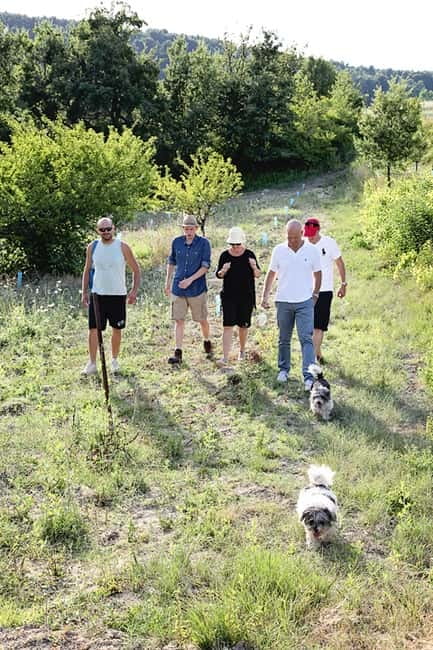
- A working truffle farm: you’re not looking at truffles behind glass—you’re in the real production area.
- Dog-led hunting: expect time in the fields with a French hunter and three truffle dogs doing their job.
- English teaching, not a script: you’ll hear how truffles grow and how hunting works, with room for questions.
- A full truffle tasting run: hors d’oeuvres, ice cream with truffle honey, then oils/salt, finished with Champagne.
- Practical buying and dining tips: you learn what to look for in restaurants and in truffle products.
- Small group size: maximum 14 travelers keeps it personal.
Les Pastras in Cadenet: A Real Truffle Farm, Not a Show
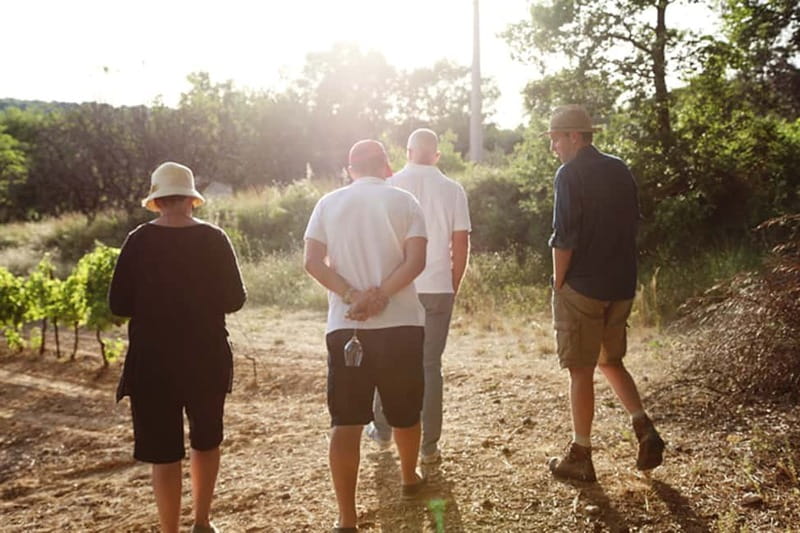
The experience starts at Les Pastras (84160 Cadenet). That matters, because you’re stepping into a production site, not a staged “tour-like” set. The whole flow makes sense: you get farming context first, then you go hunt, then you eat what you found.
You begin with a walk to a cool, shady area on the property. This is where the guide sets the stage—how truffles are cultivated, and how hunting actually works. In a place like Provence, that first grounding helps you read the farm with new eyes, instead of treating the hunt like a mystery game.
The group stays small (up to 14), and that changes the vibe. You’re not hovering in a crowd. You’re more like part of the team—listening, walking, then helping with the digging when the dogs indicate a spot.
You can also read our reviews of more tours and experiences in Avignon.


Meeting Johann and the Dogs: How the Hunt Plays Out in the Fields
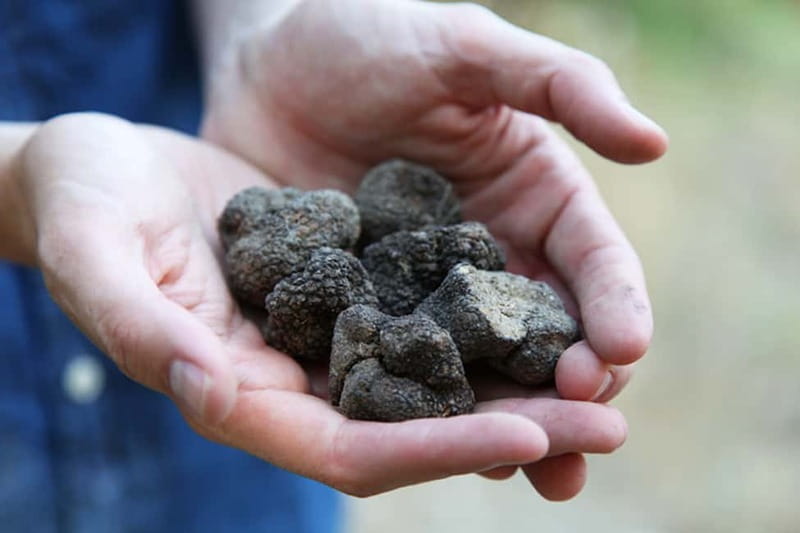
After the farm intro, you meet the French hunter and his three dogs. This is the moment the afternoon turns from lesson to action. You’ll move into the hunting area and watch the dogs search, then dig with your help when they signal.
One of the best parts is how quick it feels once the hunt starts. The dogs move through the area, and your attention stays locked on what they’re doing. If you love animals, it’s hard not to smile here—these dogs are adorable, but they’re also clearly trained and purposeful.
You’ll also see the hunt in a very “Provence farm” way. Some hunts happen under the trees in the fields, so you’re not just standing in one spot. You’ll walk, pause, and pay attention to the small cues the dogs give before anything gets dug up.
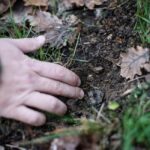
And yes, it’s exciting to participate. You’re not just watching. When the crew asks for help, you’re doing the hands-on part, learning how truffles are treated once they’re found.
What You Learn Before You Taste: Truffles, Terroir, and the Real Economics
This tour does more than point at truffles. It explains the bigger picture—where truffles come from, why they’re slow-growing, and why they can be so expensive. That context makes the tastings far more meaningful.
You’ll hear about cultivation and harvest timing. You’ll also get taught how truffle hunting fits into the cycle of the farm. Even if you think you already know truffles, you’ll likely pick up something new on why the process takes years and why the dogs matter so much.
The best education here is practical. During the tasting portion, the guide talks you through what to look for when dining out and when buying truffle products. That includes learning how to think beyond marketing labels—so you can recognize quality and avoid the stuff that’s mostly flavoring.
It’s also the kind of teaching that stays entertaining. Many people rave about the host’s humor and storytelling, and you can feel that the tone is designed to keep the lesson light while still packing in real facts.
The Summer Kitchen Tasting: From Hors d’Oeuvres to Truffle Ice Cream
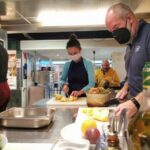
After the hunt, you head to the summer kitchen area. This is when the afternoon becomes a meal, not just snacks. First come three different truffle hors d’oeuvres, served alongside the farm’s atmosphere and the scenic setting on the property.
Then the tasting shifts sweet. You’ll try truffle ice cream with truffle honey. It’s one of those combinations that sounds unusual until you taste it—then you understand how truffle flavor can work beyond savory dishes.
Next comes a lineup of truffle-inflected products. You’ll taste organic extra-virgin olive oil, truffle oil, and truffle salt. This part is valuable because it trains your palate. You start noticing differences between real shaved truffle impact and the flavors you get from infused oils and salts.
Finally, you’ll enjoy Champagne as part of the tasting. The tour includes all you care to drink Champagne during the tasting, so you’re not rationed to a tiny glass. It’s a fun way to mark the end of the hunt without switching into a totally different experience.
How to Use Fresh Truffles After the Tour (and Not Get Fooled)
A big reason I think this tour is worth it is what happens at the “later-day” level. The tasting portion doesn’t stop at eating. You learn how to clean, store, and prepare fresh truffles yourself.
That’s the practical stuff most people miss. Truffles aren’t like a basic pantry ingredient. Treat them right, and they taste like the real thing. Treat them casually, and you lose aroma fast. Knowing the basics helps you use any truffles you buy after the tour, instead of letting good ingredients go to waste.
You also learn how to spot fake or low-quality truffle products. That’s useful even if you never plan to “hunt” truffles again. Truffle oil and truffle salt are common in shops, and the tour helps you understand what those products can and can’t do for your food.
If you’re the type who likes to bring home a couple items you’ll actually use, this is a great fit. In fact, you may have a chance to purchase truffles and truffle products on-site, which can help you recreate the flavors you tasted later.

Price and Timing: Is This Worth $139.27?
At $139.27 per person, the price isn’t the cheapest thing in Provence. But it also isn’t random. You’re paying for a real, working farm experience plus real ingredient use plus a structured tastings program.
The value comes from three parts working together:
- You get instruction (how truffles are cultivated and how hunting works).
- You get participation (digging with the dogs and crew).
- You get a multi-course tasting with Champagne, including ice cream and several truffle products.
The duration is about 3 hours, which is long enough to feel complete without eating your whole day. You also get the benefits of a maximum group size of 14—so you don’t feel like a spectator at a festival.
Timing matters too. The tour runs on weekdays (excluding public holidays) and only during certain seasons: November–March and May–September. If you’re traveling in April or early May (or late fall), you’ll likely need to adjust dates or look for alternatives.
What to Wear and Bring for a Smooth Hunt
This is outdoors time on a farm. Wear comfortable shoes you don’t mind getting a little dusty or scuffed. You’ll be walking and moving with the group, and truffle hunting areas are not polished tourist paths.
You don’t need fancy gear. The key is traction and comfort. Plan for cool shade at the start, but also be ready for outdoor movement during the hunt.
Bring your curiosity. You’ll get the most out of it if you ask questions during the teaching portion—especially about truffle products, storing them, and how to use what you buy later.
Who This Tour Fits Best
This is a great choice if you want an authentic food experience in Provence that goes beyond tasting at restaurants. You’ll learn the farm side of the story, then eat in a way that actually connects to what you saw.
It also suits people who enjoy animals and interactive activities. Watching Mirabel, Caramel, and Eclair work is fun, and the hunt adds movement even if you’re not usually outdoorsy.
If you’re traveling with kids, it can work too, especially if your family likes animals and food learning. The most important point is that it’s outdoors and not designed to be a quiet museum stop.
Should You Book This Truffle Hunting Experience in Provence?
If you care about food quality and you like learning how things are made, I’d book it. The best reason is the tight link between farming, hunting, and tasting. You don’t just eat truffles—you understand them, then you learn how to buy and use them with more confidence.
Book it sooner rather than later. Tours like this often fill, and this one is usually booked about 70 days in advance on average. If you’re in the right season (November–March or May–September) and you can make a weekday, you’re in a sweet spot.
One last tip: treat it as a farm morning/afternoon, not a dinner show. Dress for the outdoors and enjoy the fact that you’re part of a real truffle harvest day.
FAQ
Where does the truffle hunting tour start?
It starts at Les Pastras, 84160 Cadenet, France, and ends back at the same meeting point.
How long is the tour?
The duration is about 3 hours.
Is the tour offered in English?
Yes, it’s offered in English.
How many people are in each group?
The group size has a maximum of 14 travelers.
When is the tour available?
It runs on weekdays (excluding public holidays) and is offered in November–March and May–September.
What ticket method do you get?
You receive a mobile ticket.
How soon will you get confirmation after booking?
You’ll receive confirmation within 48 hours of booking, subject to availability.
What happens if the weather is bad?
This experience requires good weather. If it’s canceled due to poor weather, you’ll be offered a different date or a full refund.
Is there free cancellation?
Yes. You can cancel for free up to 24 hours in advance for a full refund. If you cancel less than 24 hours before the start time, the amount paid isn’t refunded.