REVIEW · AVIGNON
Provence Cru Wine Small-Group Half-Day Tour from Avignon
Book on Viator →Operated by Time 4 Provence.H · Bookable on Viator
Small group, big Rhône flavor. In five hours, you’ll hop from Gigondas into Châteauneuf-du-Pape (plus a Vacqueyras stop) and taste Provence’s prized Cru wines with expert-led tastings.
I especially like the 8-person max (so questions don’t get lost in the shuffle) and the three tastings that give you a quick, useful sense of how the wines differ by place.
One thing to watch: your day is tightly timed, and if a winery partner changes at short notice, you may end up with fewer tastings than usual.
In This Review
- Key highlights worth planning for
- Why this half-day Provence Cru tour fits Avignon so well
- Gigondas stop: Roman roots, modern wine-making
- Châteauneuf-du-Pape: the soils lesson that makes wine click
- Vacqueyras tasting stop: the bridge between styles
- The tastings: what you’ll learn and how to get more out of each glass
- Van comfort, group size, and the pace you should expect
- Price and value: is $108.89 worth it?
- Who should book this Provence Cru half-day tour
- FAQ
- How long is the Provence Cru wine tour from Avignon?
- When does it start?
- Where do I meet for the tour?
- What’s included in the price?
- How big is the group?
- What are the age rules?
Key highlights worth planning for
- Small group feel (max 8 people) with a guide who can pace the conversation.
- Three appellations in one afternoon: Gigondas, Vacqueyras, and Châteauneuf-du-Pape.
- Expert-led wine tastings designed to connect flavor to soil and grape choices.
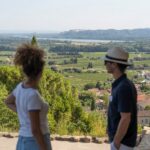
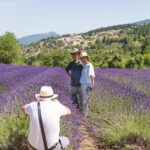
- Photo breaks in the vineyard areas so you’re not just riding past the scenery.
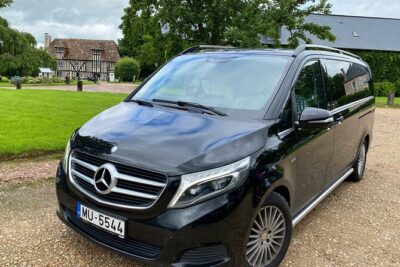
- Air-conditioned minivan pickup and drop-off right in Avignon.
- More than just wine: you may run into extra fun pairings like a chocolate tasting at one stop.
Why this half-day Provence Cru tour fits Avignon so well
This tour is built for the way Avignon days often play out: you’ve got a morning for markets, a lunch that runs late, and then you want a solid afternoon plan without committing to a whole day out in the countryside. It starts at 2:30 pm and runs about 5 hours, ending back at the meeting point on 41 Cr Jean Jaurès.
At $108.89 per person, you’re paying for three things: (1) transportation by air-conditioned minivan, (2) access to multiple tasting rooms, and (3) guide time that helps you taste with a purpose. If you’ve ever done wine tastings where you feel handed a glass and a menu, this tour format is the opposite. You’ll get guided tastings and context while you’re there, not after you get back to town and try to remember what you liked.
One practical plus: it’s offered in English, and you get a mobile ticket. That’s helpful on a trip where you’re already juggling reservations, train times, and museum tickets.
You can also read our reviews of more wine tours in Avignon
Gigondas stop: Roman roots, modern wine-making
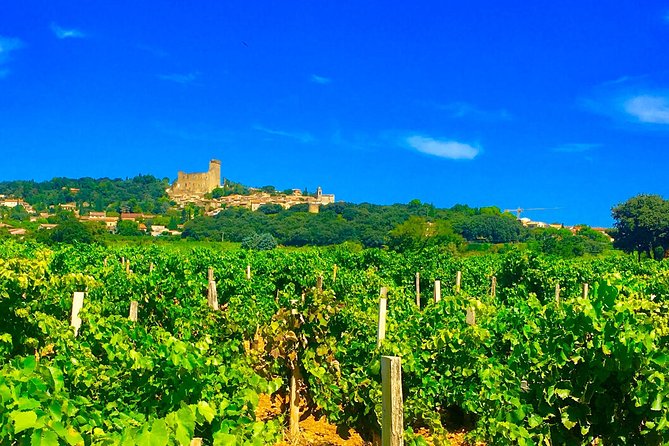
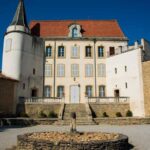
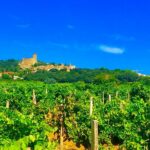
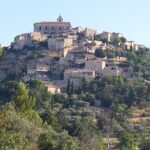
Your first real wine focus is Gigondas, a village in the southern Rhône known for winemaking traditions that stretch back for centuries. You’ll hear the local origin story: in Roman times the town was called Jucunditas, Latin for something like to give oneself up to joy. It’s a fun reminder that wine isn’t new here. People have been living with this place’s vines for a very long time.
You’ll spend about 45 minutes at this stop, and you’ll be tasting as part of the visit. The big value of Gigondas in the itinerary is that it sits in the middle of the Rhône conversation. It’s not just a “pretty village stop.” It’s a working wine area, so the tasting gives you a baseline for what changes later as you move toward Châteauneuf-du-Pape.
What to expect on the ground:
- A stop designed around tasting first, then explanation.
- Enough time to learn the key ideas without feeling like you’re stuck in a long lecture.
- A guide who helps you connect what you’re tasting to why the region makes its wines the way it does.
A small consideration: with a half-day tour, you may not get the long wander time you’d get if you were driving yourself and staying two hours at one estate. That trade-off is what makes the rest of the itinerary possible.
Châteauneuf-du-Pape: the soils lesson that makes wine click
Then you shift gears to Châteauneuf-du-Pape, the appellation that puts a spotlight on Rhône reds worldwide. The tour doesn’t treat it like a generic tasting. It gives you the reason behind the style.
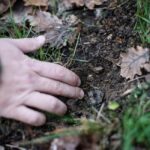
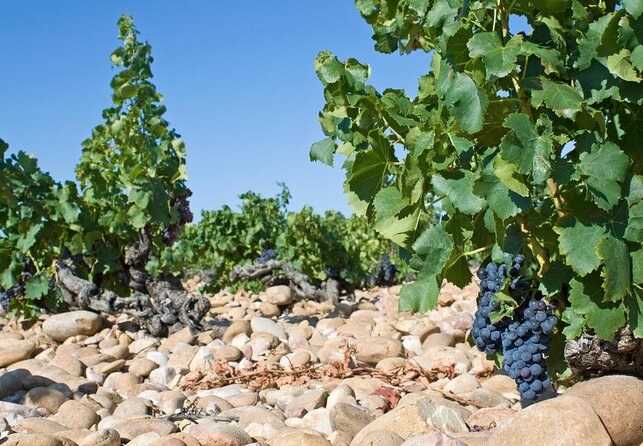
Here’s the key concept you’ll hear: this area’s soils vary widely, including a layer of large rolled pebbles called diluvium alpin above red clay. In plain language, that combination helps grapes reach a high level of maturity. That matters because it’s one of the building blocks for why Châteauneuf wines can feel powerful, concentrated, and satisfying.
You’ll have about 2 hours at this stop, which is more breathing room than most half-day itineraries manage. That extra time matters because Châteauneuf-du-Pape isn’t a one-note wine category. Different sectors, different vineyards, and different grape mixes can push the flavor in different directions. A good guide turns that into something you can taste and remember.
What I like about this stop from a practical standpoint:
- You get time to ask questions and compare the wines rather than just sampling and moving on.
- The explanation ties soil to flavor, so you’re learning something you can actually use later when you’re shopping for bottles.
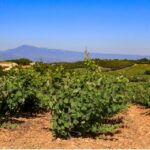
- Many guides also add extra “read the vineyard” moments, including photo opportunities in the wine areas.
If you’re the type who likes to understand your glass, you’ll appreciate how this stop is framed.
Vacqueyras tasting stop: the bridge between styles
The tour highlights three Cru-area stops, and in practice that includes Vacqueyras along with Gigondas and Châteauneuf-du-Pape. This is the part of the afternoon that often works best for people who want more than just the headline name of Châteauneuf-du-Pape.
Why Vacqueyras is a smart “bridge” stop:
- It helps you see how the Rhône region’s character changes as you move across appellations.
- It gives you another tasting profile to compare against what you learned in Gigondas.
- It keeps the afternoon from feeling repetitive. Three tastings can blur together if they’re all explaining the same thing. Adding Vacqueyras helps separate the concepts.
You won’t be doing deep research like you’d do on a full-day wine road trip, but you will finish with a clearer sense of the region’s “map in your glass.” That’s the main reason these three stops work so well together.
The tastings: what you’ll learn and how to get more out of each glass
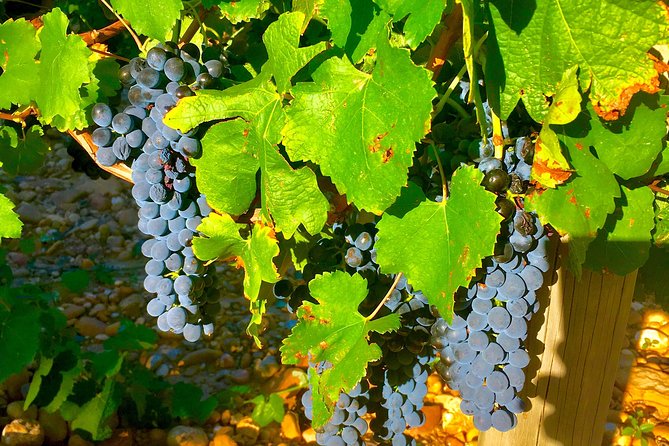
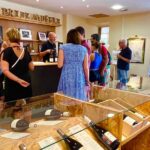
This tour is built around three expert-led tastings, and the best guides treat those tastings like an education, not a transaction. People often love the way guides such as Natalie, Anne, and Kelsey lead the group—making sure the explanation lands, keeping the energy up, and adjusting pace so everyone can keep up.
Here’s how to make the tastings pay off:
- Start by tasting once without overthinking, then taste again with questions in mind: Is this more about fruit, spice, structure, or something else?
- Ask what the wine maker wants you to notice, not just what the wine is called.
- If the guide talks about soils, grapes, or ripeness, connect it to what’s in front of you. That’s where the learning sticks.
You might also encounter small extras depending on the stop. One example from past tour experiences is a chocolate tasting added during the afternoon. If it happens, treat it like a quick “flavor contrast” exercise: sweet against wine can make aromas pop in a different way.
One caution on pacing: because the schedule is tight, you may not have unlimited time at each cellar. If you’re someone who loves long conversations with vineyard owners, this tour is still great, but you’ll want to keep your questions short and targeted.
A few more Avignon tours and experiences worth a look

Van comfort, group size, and the pace you should expect
This is a small-group tour with a maximum of 8 travelers. That number sounds small on paper, but in real life it changes everything. You’re less likely to lose the guide’s explanation when the van turns a corner, and you’re more likely to get direct answers.
The ride is in an air-conditioned minivan, and you also get bottled water. On hot summer afternoons, that matters more than you’d think.
Still, remember it’s half-day. You’ll have drive time between regions, and you’ll usually have:
- Shorter tasting windows than a full-day tour.
- Time for photo stops so you can capture the vineyard areas.
- A guide managing logistics like timing, seating, and the flow of the group.
Weather can also change the feel of the afternoon. If it rains, the schedule can feel more “buttoned up,” and roads may slow things down. The goal is safety and staying on track, not turning the day into a slow art project.
Price and value: is $108.89 worth it?
Let’s talk value in a practical way.
You’re paying $108.89 per person for a tour that includes:
- Transport by air-conditioned minivan
- Hotel pickup (or at least pickup service from your lodging area—your exact pickup instructions come with confirmation)
- Wine tastings at multiple stops
- Bottled water
- A driver/guide
- Round-trip transport back to where you start
For the average visitor, the biggest savings is time and hassle. Driving yourself means renting a car, parking problems, and juggling who’s driving after tastings. Here, you can actually enjoy the tasting part without turning it into a math problem.
The other value piece is education. If you’re new to Rhône wines, three targeted tastings in three linked appellations can be worth more than buying a few random bottles and hoping for the best.
The only “value risk” is timing variability. The tour is designed for three tastings, but a short-notice winery partner change can reduce that number on a given date. The operator’s approach in those cases has been to adjust the situation and handle refunds when needed, but you should still know that your day isn’t immune to last-minute changes.
Who should book this Provence Cru half-day tour
Book it if you:
- Want a smart way to sample Gigondas + Vacqueyras + Châteauneuf-du-Pape without a full day away.
- Like learning how wine changes by place and soil, not just collecting bottle labels.
- Prefer small-group tours where you can ask questions and still move through the day.
Skip it (or consider another option) if you:
- Hate tight schedules and want long, slow winery time.
- Plan to taste wine without much attention to learning—because this tour’s strength is the guided explanations.
- Need guaranteed three tastings no matter what; while the tour is built for that, short-notice changes can happen.
If you’re visiting Avignon and want an afternoon that feels like you’re getting a handle on the Rhône rather than just doing a tasting “tour,” this is a strong fit.
FAQ
How long is the Provence Cru wine tour from Avignon?
It runs for about 5 hours.
When does it start?
The start time is 2:30 pm.
Where do I meet for the tour?
You meet at 41 Cr Jean Jaurès, 84000 Avignon, France, and the tour ends back at the meeting point.
What’s included in the price?
The tour includes bottled water, wine tastings, a driver/guide, and round-trip transport by air-conditioned minivan.
How big is the group?
It’s limited to a maximum of 8 travelers.
What are the age rules?
Minimum drinking age is 18, and children must be accompanied by an adult. Service animals are allowed.