REVIEW · AVIGNON
From Avignon: Full-Day Best of Provence Tour
Book on GetYourGuide →Operated by Provence Panorama · Bookable on GetYourGuide
Provence looks like a postcard for a reason. This full-day tour from Avignon strings together the region’s most iconic sights with real walking time, not just driving past them—especially with stops like Pont du Gard and the village of Gordes.
I especially love the small-group feel (up to 8 people), because it keeps the day from turning into a stampede and makes it easier to ask questions. And the guides often bring the sites to life with details and even a bit of humor—I’ve seen names like Nico, Hubert, David, and Thierry pop up for that exact reason.
One thing to plan for: lunch isn’t included, so you’ll want to budget time and cash for food on your own while you’re out in the villages.
In This Review
- Key highlights you’ll feel right away
- Why this Provence day trip makes sense from Avignon
- Pickup and van comfort: the difference between tiring and enjoyable
- Fontaine de Vaucluse: a spring town moment before the hill villages
- Gordes walking: red streets, classic views, and a real village feel
- Luberon and lavender timing: how to plan your expectations
- Roussillon ochre lands: color you can’t fake
- St-Rémy-de-Provence stroll: calm town energy
- Baux-de-Provence and Alpilles panoramas: where the views do the talking
- Pont du Gard: Roman engineering with real presence
- Price and value: what $141 buys in a 9-hour loop
- Small-group pacing: why the day feels manageable
- Who this tour fits best (and who should be cautious)
- Quick checklist: what to bring
- Should you book the Best of Provence full-day tour from Avignon?
- FAQ
- How long is the tour?
- Where does pickup happen?
- Is lunch included?
- What’s included for Pont du Gard?
- How big is the group?
- What languages are available?
- Are pets or large bags allowed?
Key highlights you’ll feel right away
- Pont du Gard entrance included and a chance to skip the ticket line
- Small group (max 8) in an air-conditioned van for a calmer pace
- Gordes walking time through the classic red-stone village look
- Roussillon ochre lands for color, texture, and great photo opportunities
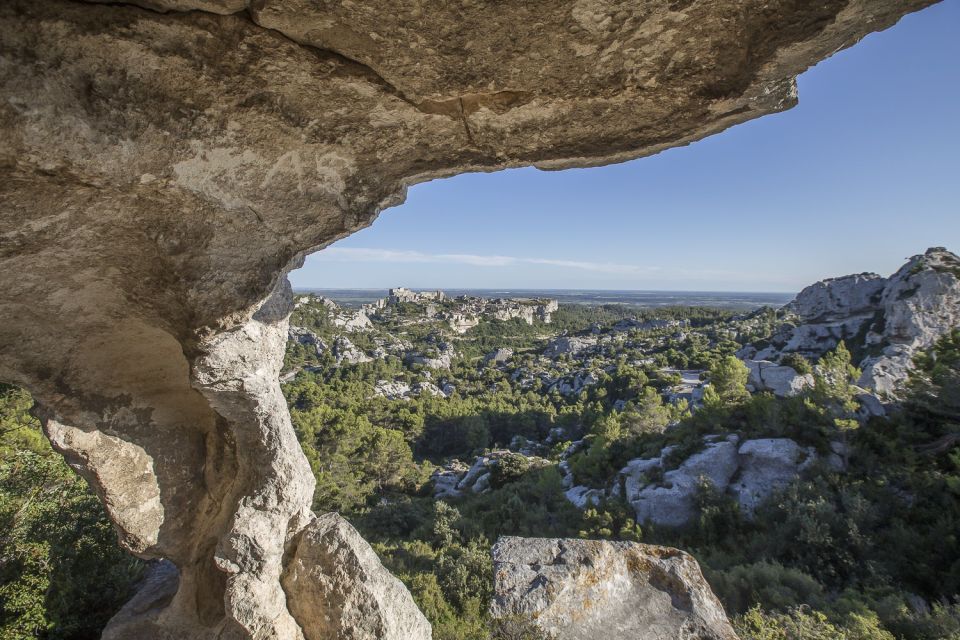
- Panoramic views from Baux-de-Provence across the Alpilles
- Seasonal lavender photo stop in summer (mid June to end of July, depending on bloom)
Why this Provence day trip makes sense from Avignon
If you base yourself in Avignon, you’re in a smart spot. This part of Provence isn’t far, but it’s scattered—villages, viewpoints, and major “must-sees” that don’t line up nicely unless you drive. This tour solves that problem with one organized loop and a van that handles the long stretches while you focus on the stops.
What makes it work is that you don’t just see Provence from a bus window. You get short walks and photo breaks in places where the streets and viewpoints actually matter. The day is built around a mix: one big Roman landmark, two standout hill villages (Gordes and Baux-de-Provence), a color-driven stop in Roussillon, and the relaxing spring-town atmosphere of Fontaine de Vaucluse.
The result is a solid overview—the kind of day that helps you understand why people keep coming back to Provence. You’ll leave with a mental map and a shortlist of where you’d want to return for a deeper visit.
A few more Avignon tours and experiences worth a look

Pickup and van comfort: the difference between tiring and enjoyable
Let’s talk about the ride, because it’s the backbone of a full day like this. You’re picked up in Avignon from designated addresses and travel in an air-conditioned van. The group size is limited to 8 participants, which changes the mood fast.
In a small group, you’re more likely to:
- hear the guide’s commentary clearly
- fit better into tight village streets and parking areas
- get help making quick decisions on where to stand, walk, or look for views
Comfort matters here because the day is long—9 hours—and you’re spending time getting in and out at multiple locations. Some guides are also described as strong at pairing information with good driving and smooth timing. The best part is that you don’t have to think about traffic or parking math while trying to enjoy the scenery.
Fontaine de Vaucluse: a spring town moment before the hill villages
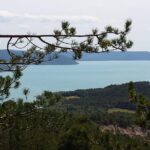
Your day starts with a scenic drive to Fontaine de Vaucluse, a town known for its spring at the foot of the Vaucluse Mountains. This is a good opening stop because it sets a different tone than the hilltop villages. Instead of climbing immediately, you get a more relaxed atmosphere first.
What you’ll like here is the pacing. Fontaine de Vaucluse feels like a breather—good for walking, stretching your legs, and taking in the backdrop of the mountains behind the town. It also gives you a geography lesson: you start to see how Provence’s landscapes connect, not just how individual villages look.
If you like taking photos, this stop also helps you understand the “Provence look” beyond the famous stone towns. Water, cliffs, and a calmer street life create a contrast that makes the later ochre and panoramic viewpoints feel even more dramatic.
Gordes walking: red streets, classic views, and a real village feel
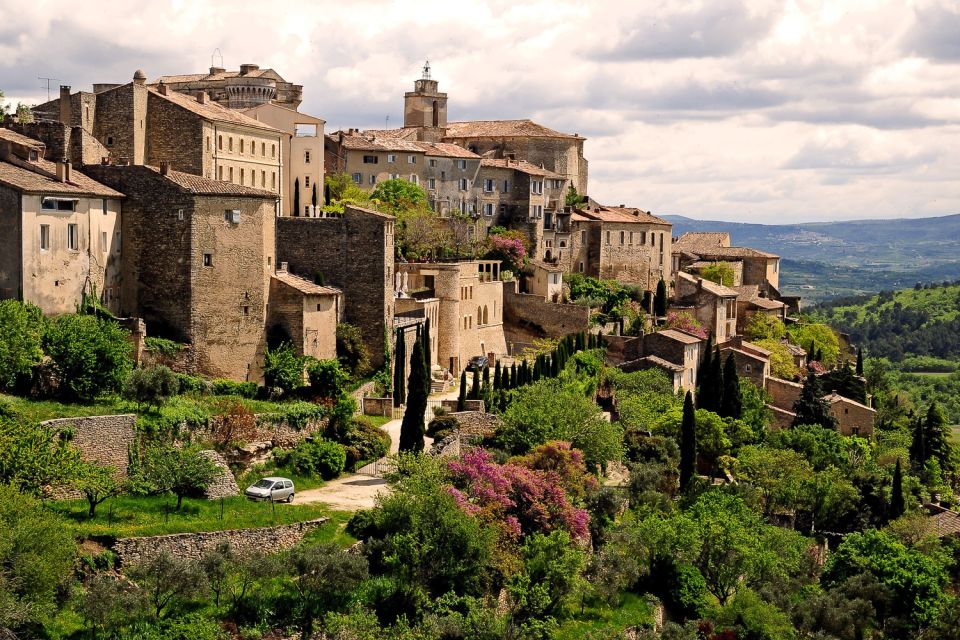
Gordes is one of those places that lives up to the hype because it’s built for walking and looking. You’ll go for a walk in this village listed as one of the most beautiful in France, which is a fancy way of saying the streets are photogenic and the layout rewards slow steps.
Here’s what I’d expect you to notice right away:
- the strong color of the village stone and streets
- viewpoints that appear as you turn corners
- the sense that the town was designed for observers, not just passers-through
Gordes can also be warm. If you’re visiting in summer, you’ll likely feel the heat more here than you would in a flat city. Wear comfortable shoes and bring water if the weather is hot. (A couple of people have mentioned difficulty with uphill walking due to leg issues, so pace yourself and don’t feel pressured to “power through.”)
The payoff is that Gordes isn’t just a background. You actually get to experience it on foot.
Luberon and lavender timing: how to plan your expectations
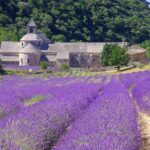
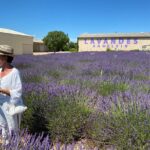
Between Fontaine de Vaucluse and Gordes, you’ll spend time in the Luberon area and you may get a photo stop in lavender fields in summer. The schedule is seasonal—typically mid June to end of July, depending on bloom.
This matters because lavender is one of those Provence icons people either get or miss. If your dates fall outside bloom season, don’t assume you’ll see full purple fields. But even when lavender is past peak, the Luberon hills still deliver that wide-open countryside look.
My practical advice: if lavender is the main reason you booked this tour, check your travel dates carefully. If you’re flexible, you’ll enjoy Luberon just as much for the driving views and the overall Provençal countryside feel.

Roussillon ochre lands: color you can’t fake
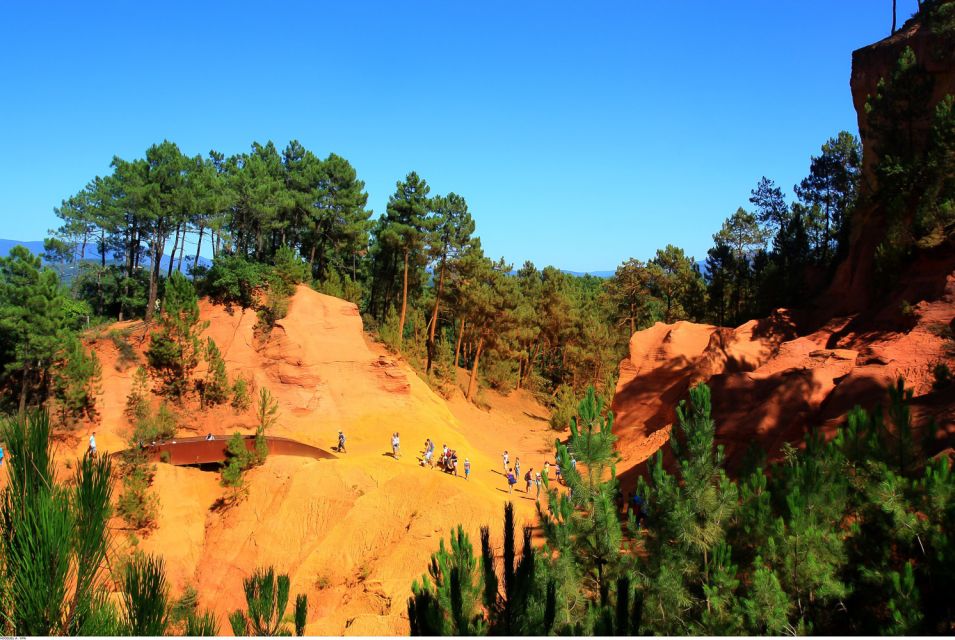
Roussillon is where Provence turns into color therapy. You’ll discover the ochre lands—earth tones in red, orange, and gold that look almost unreal until you stand close enough to see the texture.
This stop is built for photos, yes, but it’s also visually interesting in a different way. Ochre landscapes don’t just look pretty from afar; they feel detailed and sculpted. The color changes based on the angle of the light and even how high you stand.
One small tip from the general vibe of the day: if there’s time for snacks in Roussillon, I’d keep an eye out for lavender-flavored treats mentioned in the area—one example named L’Ocrier for lavender ice cream. Even if you don’t try anything, it’s a good reminder that you can pair the visual stop with a quick flavor break.
St-Rémy-de-Provence stroll: calm town energy
After the color intensity of Roussillon, the day shifts again with a stroll through St-Rémy-de-Provence. This is one of those “slow down” stops where you can walk, observe, and reset.
I like St-Rémy on this route because it balances the day. You’ve had big attractions and village scenery; now you get a chance to experience street life at a gentler pace. Even a short walk can change your perspective on Provence—from dramatic landscapes to everyday rhythms.
If you enjoy browsing quietly, this is a good place to do it. Just remember the schedule is full, so don’t get too comfortable if you’re the type who drifts off for long cafés.
Baux-de-Provence and Alpilles panoramas: where the views do the talking
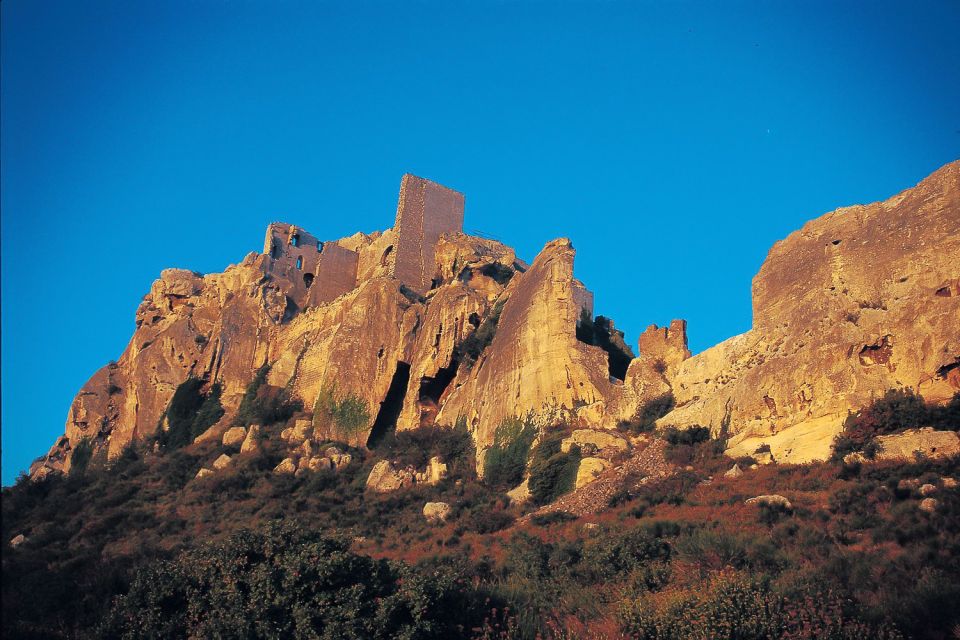
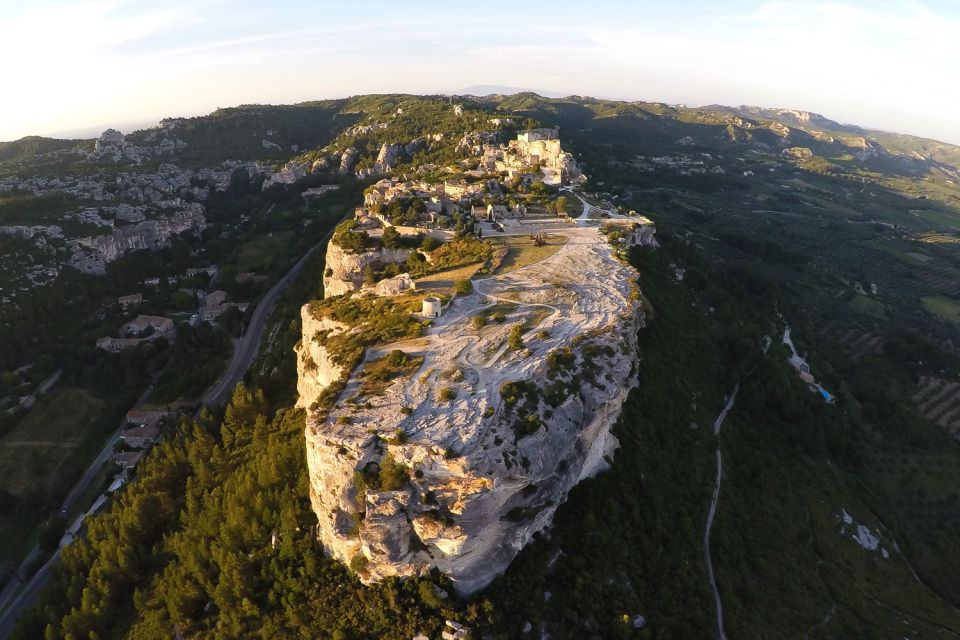
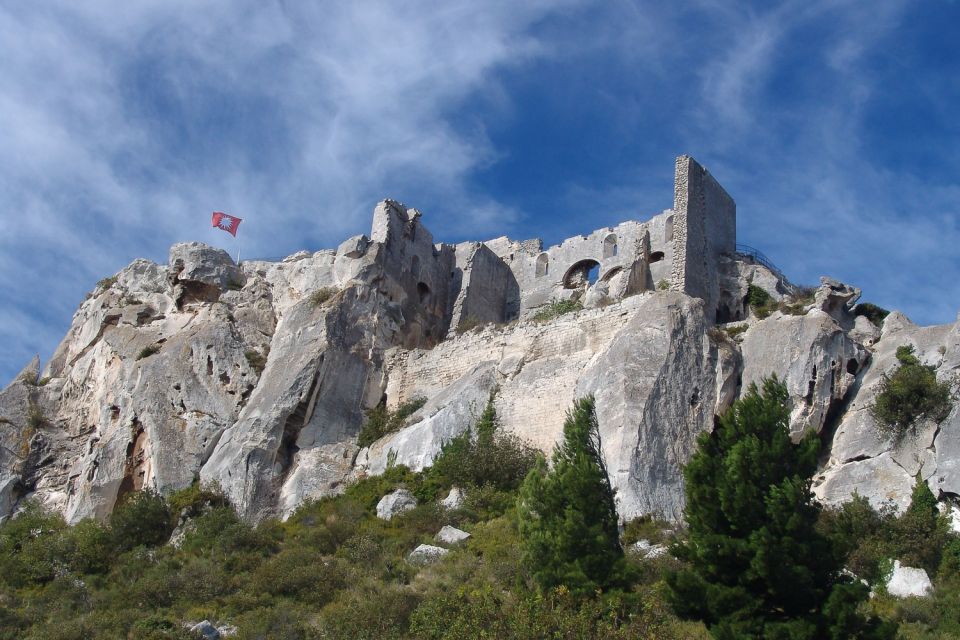
Baux-de-Provence is the kind of place you remember because of the scale of what you can see. From there, you’ll get panoramic views of the Alpilles.
This stop is worth it because viewpoints don’t happen accidentally in Provence. They’re usually located where you can understand the region’s shape. Standing above the Alpilles gives you that “this is why people paint it” moment—wide horizons, layered hills, and a sense of distance that makes the earlier village streets feel even more charming.
Practical note: viewpoints often come with uneven stone and steps. Go slowly, keep your footing steady, and treat the view like the main event—not a quick photo run.
Pont du Gard: Roman engineering with real presence
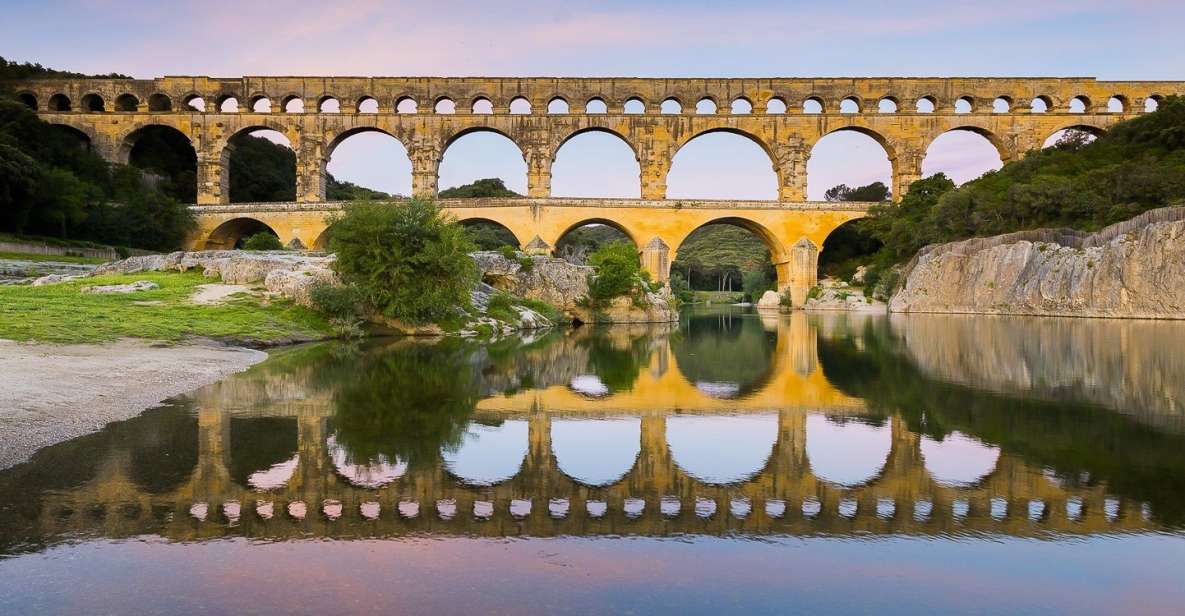
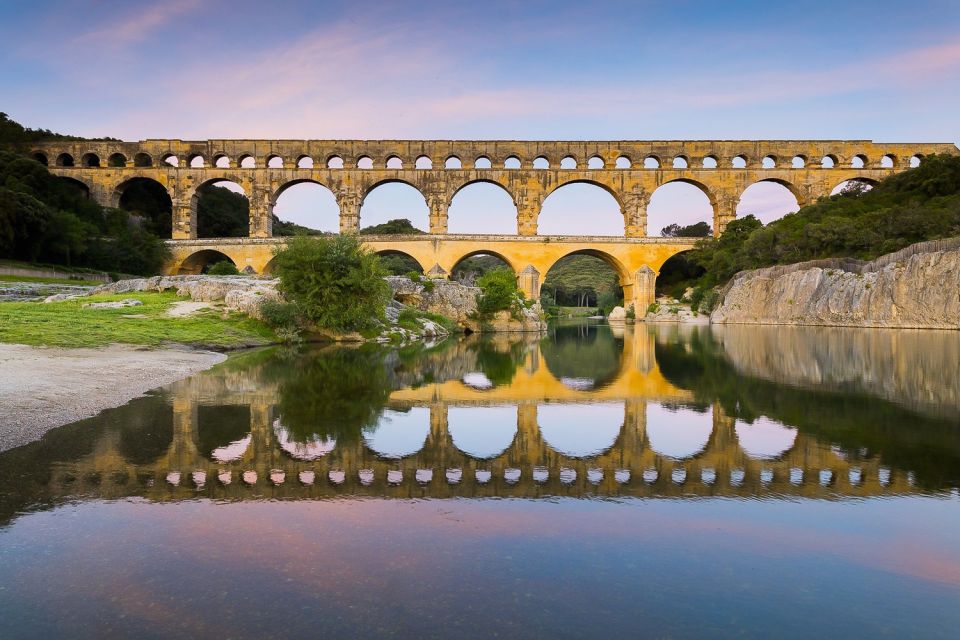
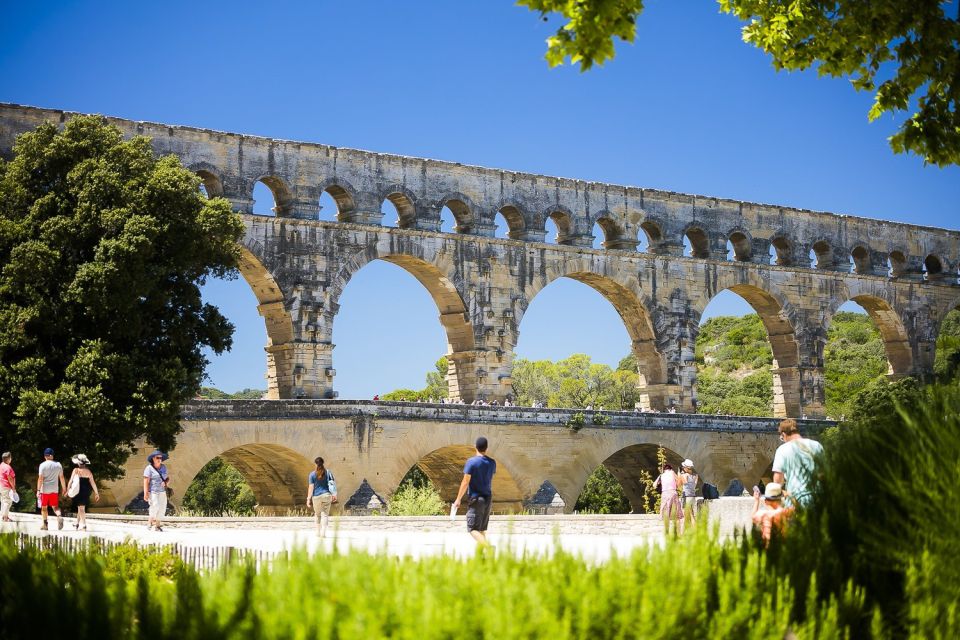
Then you end on something that’s not just famous, but physically impressive. Pont du Gard is an ancient Roman aqueduct, and you’ll stop there before returning to Avignon. The entrance fee is included, and you can skip the ticket line, which saves time at the one stop where lines are likely to happen.
Why it hits: it’s one of those landmarks where you can see the work of engineers at human scale. You don’t need extra explanation to feel the size and the purpose of the structure. You see how it was built to last, and you understand why it became a symbol.
This ending also makes sense. After villages and viewpoints, Roman stone feels grounded—less about color and sky and more about a single massive achievement. It’s a strong wrap-up for a day that covered the “best of” Provence from a few different angles.
Price and value: what $141 buys in a 9-hour loop
At around $141 per person for a 9-hour day, the value is mostly about the savings you get from not dealing with:
- planning a workable driving route
- finding parking repeatedly in old villages
- paying separate ticket costs for major sights (Pont du Gard entrance is included)
- spending time waiting in line for the biggest attraction (the tour notes skipping the ticket line)
You’re also buying time. Provence’s highlights are spread out, and you’d likely spend part of the day just getting from one “icon” to another if you go on your own without a car. Here, the van handles the transit so you can use your energy where it matters: walking and looking.
One tradeoff with this style of tour: you won’t have endless time at each stop. It’s designed as an overview, not a deep-dive vacation. If you want long café lunches in every village, you’ll likely feel the schedule.
Still, for a first taste of Provence beyond Avignon, this is the kind of day trip that can save you days later figuring out where you want to return.
Small-group pacing: why the day feels manageable
A lot of day tours fail on one thing: the pacing. Too many stops can mean rushed photo moments and cranky energy. Here, the small group size (max 8) and a smooth van plan help keep the day from feeling chaotic.
From the guides you’ll encounter—names like Nico, Hubert, David, Brigitte, Thierry, and Frederick come up in shared experiences—the common thread is that they tend to keep commentary going while also staying flexible at stops. That flexibility matters in places like Gordes and viewpoints where weather, crowds, or walking comfort can change the best place to stand.
Also, because you’re in a smaller group, it’s easier for the guide to offer practical suggestions—what to look for, which directions give the best views, and where to spend your limited time.
Who this tour fits best (and who should be cautious)
This is ideal if you:
- want a fast, high-impact overview of Provence highlights
- don’t want to drive or worry about parking in old hill towns
- prefer a guide to add context while you walk and take photos
- like small-group energy more than big-bus chaos
It may be less ideal if you:
- need very long meal breaks (lunch isn’t included, and the day is full)
- struggle with uphill walking or hot conditions (villages and viewpoints can mean steps and hills)
- travel with a lot of luggage or large bags (those aren’t allowed)
- travel with pets (pets aren’t allowed)
If you’re traveling with mobility limitations, it’s still possible you can enjoy the day—but you should go in with realistic expectations about walking on uneven village streets.
Quick checklist: what to bring
You’re outdoors in villages and viewpoints, so pack like it’s a mini hiking day:
- comfortable shoes for stones, steps, and uneven streets
- water on warm days
- a light layer (weather can shift in spring and fall)
- sun protection if you’re visiting in peak summer for lavender
And mentally budget time for lunch since it isn’t included. The day gives you multiple village moments where grabbing food makes sense, but you’ll need to handle it yourself.
Should you book the Best of Provence full-day tour from Avignon?
Book it if you want the smartest “first pass” at Provence. This tour hits the headline sites that make people fall for the region—Gordes, Roussillon ochre, Baux-de-Provence views, and Pont du Gard—and it does it in a format that’s comfortable and manageable thanks to the small-group van and a guide who adds color and context.
Skip it or reconsider if you’re the type who needs a relaxed day with long lunches and slow meandering. This is a highlights loop, so you’ll move. Also, if lavender is a must, aim for mid June to end of July for the best chance of a lavender field photo stop.
If you’re staying in Avignon and want to turn that base into a memorable Provence day without the stress of logistics, this is a strong choice.
FAQ
How long is the tour?
It lasts 9 hours.
Where does pickup happen?
You’ll be picked up in Avignon from designated addresses.
Is lunch included?
No. Lunch is not included.
What’s included for Pont du Gard?
Pont du Gard entrance fee is included, and you can skip the ticket line.
How big is the group?
It’s a small group limited to 8 participants.
What languages are available?
The live guide offers English and French.
Are pets or large bags allowed?
Pets are not allowed. Luggage or large bags aren’t allowed either.