REVIEW · AVIGNON
Expression at the House Brotte
Book on Viator →Operated by Musée du Vin Brotte · Bookable on Viator
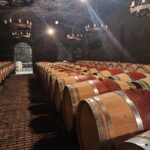
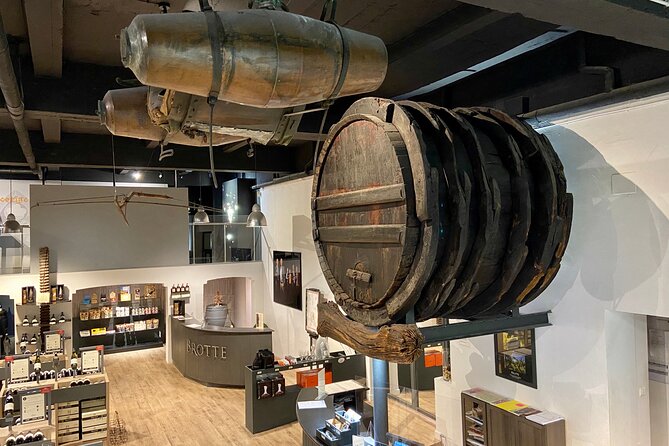
The best part of the Expression at the House Brotte is the combination of museum visit and guided tasting. You begin with the Brotte family’s wine story and the history of its Châteauneuf-du-Pape work, then sit down to taste three cuvées, including a 2010 vintage. The audio guide lets you move at your own pace, while the tasting gives the visit a warm, human finish.
I like the self-paced museum format, especially if you prefer to pause over displays rather than follow a fixed group. I also like the food pairings, which add more than a few crackers on the side: the tasting includes gourmet combinations described as both delicious and surprising. The main consideration is location. The experience is listed in Avignon, but the visit itself is at Musée du Vin Brotte in Châteauneuf-du-Pape, so check your transport plan carefully before booking.
In This Review
- Key points
- Three Châteauneuf-du-Pape wines in one compact visit
- The Brotte family story begins in 1931
- A museum visit that lets you set the pace
- Emiline brings the tasting to life
- Why the 2010 vintage matters
- The value of $21.29 per person
- Avignon listing, Châteauneuf-du-Pape focus
- Who will enjoy the Expression at the House Brotte
- Practical details before you book
- Should you book this Brotte tasting?
- FAQ
- Where does the Expression at the House Brotte take place?
- How long does the experience last?
- What does the tasting include?
- Is museum admission included?
- Is the experience offered in English?
- Is there an audio guide?
- Are food pairings included?
- Who leads the wine tasting?
- Is the experience suitable for people with mobility issues?
- Can I cancel for a full refund?
Key points
- Three wines in the tasting: The Parcours La Fiole includes three Brotte cuvées, with a 2010 vintage among them.
- Audio guide at your own pace: You can explore the museum without being tied to a live lecture from start to finish.
- Sommelier-led explanation: Emiline has been praised for explaining the wines, their story, and the food pairings with warmth.
- A long-running wine museum: Musée du Vin Brotte has welcomed wine tourism visitors since 1972.
- Good value for a short visit: At $21.29 per person, the experience combines admission, interpretation, and tasting in about one to two hours.
- Easy participation: Service animals are allowed, public transportation is nearby, and most people can take part.
Three Châteauneuf-du-Pape wines in one compact visit
This experience is built around a simple idea: learn a little, taste a little, and leave with a better sense of what Brotte does. That balance works well for an afternoon in the Rhône wine country, especially if you want more than a quick glass but less than a full-day winery program.
The central tasting is the Parcours La Fiole. It includes three cuvées from the Brotte range, and one is a 2010 vintage. That older bottle gives the tasting a useful point of comparison. You are not only sampling three labels at random. You are getting a chance to consider how different wines from the same producer can vary, and how age may affect what you taste.
The exact tasting order and the names of all three wines are not provided, so I would not arrive expecting a detailed list of bottles in advance. The important point is that admission includes the tasting, rather than adding a separate charge after the museum visit.
You can also read our reviews of more tours and experiences in Avignon.

The Brotte family story begins in 1931
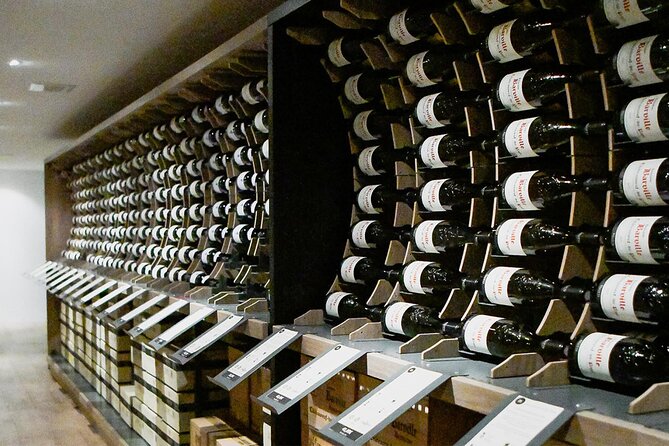
Brotte has been a wine-growing family since 1931. That family background gives the museum visit a clear focus. You are not touring a general wine exhibit with disconnected facts. You are learning how one producer developed its work in Châteauneuf-du-Pape and how that work continues across generations.
The museum presents the Brotte family’s wine story along with the traditions of the area. For someone new to Rhône wine, this context matters. A tasting can otherwise become a parade of names, grape varieties, and tasting notes that disappear as soon as you leave the room. The museum gives those wines a setting and a reason to remember them.
Since the wine museum has been a wine tourism site since 1972, it also has a long record of presenting this subject to the public. That does not mean the visit is old-fashioned in every detail. The audio guide adds a flexible way to absorb the material, and you can take the time you need with the displays.
A museum visit that lets you set the pace
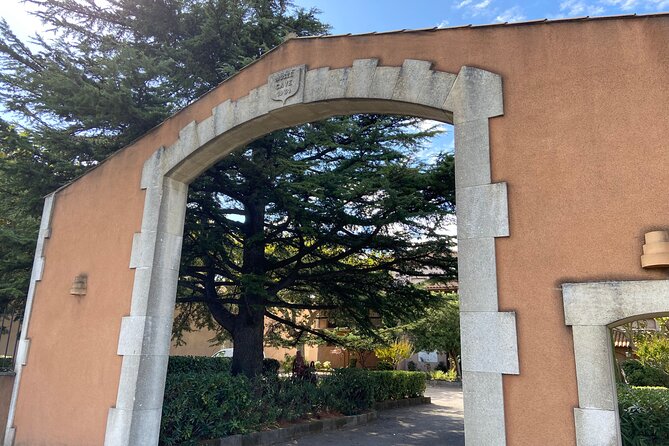
The audio guide is one of the most practical features here. You can listen as you move through the museum, pause when something catches your attention, and continue when you are ready. This is a better fit for many people than a nonstop talk delivered to a group.
I especially like this setup for couples and small groups who do not all read or listen at the same speed. You can take in the visual displays, follow the audio, and still have room to discuss what you are seeing. One particularly useful detail is that the visit has been described as visually and aurally stimulating, so it is not just a room of labels and dusty equipment.
The museum also works for people with mobility concerns. The experience has been described as suitable for anyone with mobility issues, and most participants can take part. The available information does not provide a detailed accessibility map or specify every surface, restroom, or seating point, so you should contact the provider if you need precise arrangements. Still, the self-paced format can make the visit less tiring than a tightly scheduled walking tour.
Emiline brings the tasting to life
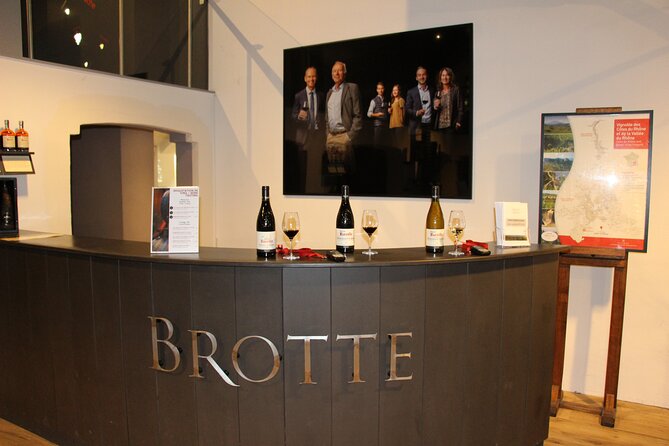
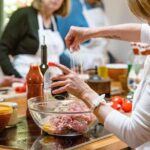
The museum supplies the background, but the tasting is where the experience becomes personal. A sommelier explains the wines, their story, and the foods served with them. Emiline has been singled out for her friendly approach and clear guidance, which is useful if wine language usually feels like a private code.
You do not need to arrive as an expert. The point of this kind of tasting is to notice differences and ask questions. The sommelier can help you connect the wine to its pairing, rather than simply telling you that a bottle has an aroma of something obscure.
The food is an important part of the visit. The pairings have been described as gourmet, delicious, and surprising. That suggests a more thoughtful tasting than wine poured alongside plain bread. Since no full menu is provided, you should not book expecting a specific dish or ingredient. Instead, think of the food as part of the interpretation, helping you see how each cuvée behaves with something to eat.
A good tasting should leave you with a clearer sense of what you like. This one seems designed to do that through conversation and comparison. If you are unsure about tannins, acidity, age, or the difference between a lighter and fuller wine, this is the moment to ask.
Why the 2010 vintage matters
The 2010 wine adds a touch of depth to a modestly priced visit. An older vintage can show how a wine changes over time, even if you are not used to tasting aged bottles. It gives you something to compare with the other two cuvées and makes the tasting more than a basic introduction to the current range.
That said, the presence of a 2010 bottle does not guarantee that you will prefer it. Older wine can be more subtle, and some people simply like younger, fruitier styles. That is part of the value of tasting three wines side by side. You can decide for yourself instead of relying on a shelf description.
The available information does not identify the exact vintage years of the other two cuvées. I would treat the 2010 as the special reference point, not as a promise that the whole tasting centers on older wine.


The value of $21.29 per person
At $21.29 per person, the price is reasonable for a one to two hour visit that includes both the museum and three-wine tasting. You are paying for more than the liquid in the glasses. The admission includes access to the Brotte Wine Museum, an audio-guided presentation, a sommelier-led tasting, and gourmet pairings.
The value is strongest if you want a structured introduction to Brotte and Châteauneuf-du-Pape without committing to a long excursion. It also works well as a break between sightseeing stops. The duration is long enough to give the subject some attention, yet short enough to fit into a day with other plans.
The price may feel less attractive if your only goal is to buy a bottle or have a quick drink. This is an educational visit as much as a tasting. You should book it if you want context, explanation, and food along with the wines. If you already know the Brotte range well, the museum and 2010 vintage may still appeal, but the instructional side could feel familiar.
Avignon listing, Châteauneuf-du-Pape focus
The experience is listed under Avignon, but the actual stop is Musée du Vin Brotte, connected directly with Châteauneuf-du-Pape wine. That distinction matters when you plan your day. Do not assume the tasting takes place in central Avignon simply because Avignon appears as the location in the tour details.
The information confirms that the venue is near public transportation. It does not specify the exact route, journey time, or transit line, so I would check the meeting point and local transport before setting out. If you are building a day around the visit, leave enough room for the transfer rather than treating the one to two hour duration as the entire outing.
This is also a useful stop if your plans already include Châteauneuf-du-Pape. The museum gives you a way to understand the area’s wine culture through one family’s work. It is not presented as a vineyard walk or a full winery production tour, so keep your expectations focused on museum interpretation and tasting.
Who will enjoy the Expression at the House Brotte
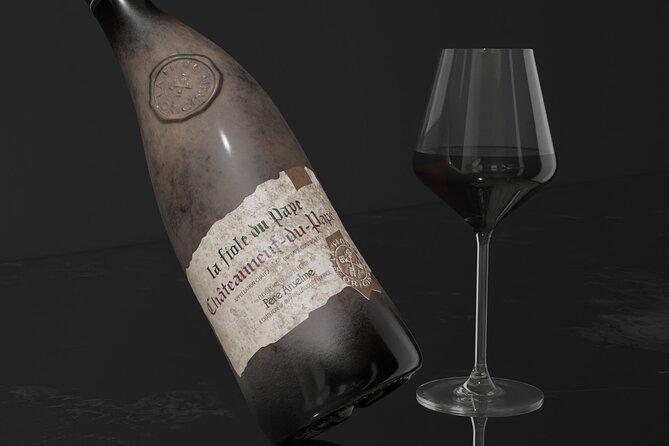
I would recommend this experience to several types of visitors:
- You are new to Châteauneuf-du-Pape and want an approachable introduction.
- You enjoy wine but prefer a short, organized activity rather than a full-day tour.
- You like audio guides because they let you control the pace.
- You want a tasting with food pairings, not just three pours.
- You are traveling with someone who has mobility concerns and prefers a less hurried visit.
- You want a cultural stop that works for couples, since the tasting has also suited a romantic stay.
It may be less suitable if you want vineyard scenery, cellar production details, or a large selection of wines. The details provided center on the museum, the Brotte family story, and three cuvées. That focused format is a strength for beginners, but it is not the same as visiting several estates or spending a full day among the vines.
Practical details before you book
Your confirmation arrives at the time of booking, and the ticket is mobile, so you do not need a printed voucher. The experience is offered in English, which makes it a practical choice for English-speaking visitors.
Service animals are allowed, and the venue is near public transportation. Most people can participate. If you have specific mobility needs, ask for precise details before booking even though the self-paced visit has been suitable for people with mobility issues.
The cancellation terms are generous if you plan ahead. You can cancel for a full refund at least 24 hours before the experience begins. Cancellations made less than 24 hours before the start time are not refunded, and late changes are not accepted. The cut-off follows local time, so keep that in mind if you are booking from another time zone.
Should you book this Brotte tasting?
I would book it if you want a compact, well-rounded introduction to Châteauneuf-du-Pape wine. The combination of a long-running museum, flexible audio guide, three cuvées, a 2010 vintage, and thoughtful food pairings gives the $21.29 price real value.
The strongest reason to choose it is the tasting host. Emiline and the sommelier team help turn the visit from a display of wine facts into a conversation about what is in your glass. The main caution is practical: confirm exactly how to reach the Brotte museum from your base in Avignon, since the wine stop is tied to Châteauneuf-du-Pape.
Book it for a focused museum-and-tasting experience. Skip it only if you are seeking a vineyard tour, extensive cellar access, or a full day devoted to wine.
FAQ
Where does the Expression at the House Brotte take place?
The experience is listed in Avignon, and its included stop is Musée du Vin Brotte in Châteauneuf-du-Pape. Check the exact meeting location before setting out.
How long does the experience last?
Plan on approximately one to two hours.
What does the tasting include?
The Parcours La Fiole includes a tasting of three Brotte cuvées, including a 2010 vintage.
Is museum admission included?
Yes. Admission to the Brotte Wine Museum is included.
Is the experience offered in English?
Yes. The experience is offered in English.
Is there an audio guide?
Yes. The museum visit uses an audio guide, allowing you to explore at your own pace.
Are food pairings included?
Yes. The tasting includes gourmet pairings with the wines.
Who leads the wine tasting?
A sommelier leads the tasting. Emiline is identified as one of the sommeliers associated with the experience.
Is the experience suitable for people with mobility issues?
The visit has been described as suitable for people with mobility issues, and most people can participate. Contact the provider for detailed accessibility information related to your needs.
Can I cancel for a full refund?
Yes. You can cancel at least 24 hours before the experience start time for a full refund. Cancellations or changes made less than 24 hours before the start time are not accepted for a refund.