REVIEW · FRANCE
Tasting of 5 Chablisian wines and Gourmet Plate
Book on Viator →Operated by Domaine Céline & Frédéric Gueguen · Bookable on Viator
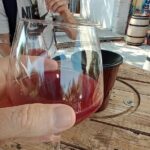
Chablis is best understood with a glass in one hand and a local cheese plate in the other. This one-hour tasting introduces you to five Chablis and Auxerrois wines, while your guide explains how Icaunais soils and winegrowing shape what you taste.
I like the clear, friendly teaching and the chance to compare wines from two nearby areas in one sitting. I also like the generous food pairing, which turns a quick tasting into a small meal. The one concern is serving size: the pours follow the standard 5-centiliter tasting measure, so anyone expecting full glasses may find them modest.
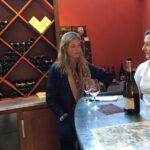
The session takes place at Domaine Céline & Frédéric Gueguen, at 5 Bis Rue Jules Rathier in Chablis. Staff members such as Frédérique, Alexandre, and Chloé are praised for patient explanations and personal advice, though the experience is still brief enough to fit neatly into a busy Burgundy day.
In This Review
- Key points to know before booking
- What happens during the one-hour Chablis tasting
- Understanding Chablis and Auxerrois in the glass
- The gourmet plate: cheese, charcuterie, and practical pairings
- Why the guide makes the difference
- How much value do you get for $38.16?
- Who should book this experience?
- Practical details at 5 Bis Rue Jules Rathier
- How to get more from the tasting
- The drawbacks to weigh before you reserve
- Should you book the Chablis wine tasting?
- FAQ
- Where does the wine tasting begin?
- Where does the activity end?
- How long does the experience last?
- How many wines are included?
- Is food included?
- What does the guide explain?
- Is this a private activity?
- Can children drink the wine?
- Are service animals allowed?
- Can I cancel for a full refund?
Key points to know before booking
- Five regional wines: Taste a selection from Chablis and/or Auxerrois, with enough variety to compare local styles.
- Cheese and charcuterie included: The board adds substance and gives you practical food-pairing ideas.
- A lesson in local terroir: Your guide explains winegrowing and the different soils of the Icaunais region.
- One-hour format: This is a focused tasting, not a vineyard walk or a full winery tour.
- Private experience: Only your own group participates, which allows for direct questions and tailored advice.
- Central Chablis meeting point: You begin and finish at 5 Bis Rue Jules Rathier, with no transport between stops.
What happens during the one-hour Chablis tasting
The experience begins at Domaine Céline & Frédéric Gueguen in Chablis. You meet at 5 Bis Rue Jules Rathier, and the activity ends at the same address, making the logistics simple if you are already exploring town.
This is not presented as a long cellar tour or a drive through the vineyards. It is a sit-down tasting built around conversation, wine, and food. That matters because you can fit it before lunch, after a walk around Chablis, or between other Burgundy stops without giving up half a day.
Your guide introduces the wines one by one. The selection comes from Chablis and/or Auxerrois, two parts of the wider Yonne wine area. The exact bottles can vary, but the purpose is consistent: help you notice differences in style, origin, and expression rather than simply hand you five unrelated glasses.
The tasting also gives you a useful introduction to the work of winegrowers. You learn how local producers deal with the soils and conditions of the Icaunais region, and why two wines made in nearby areas can taste different.
The strongest part of this format is its directness. You do not need prior wine knowledge. If terms such as minerality, acidity, or terroir usually make wine tastings feel foggy, the guide can connect those ideas to what is actually in your glass.
You can also read our reviews of more food & drink experiences in France
Understanding Chablis and Auxerrois in the glass
Chablis is famous for crisp white wine, but a short tasting is more useful when it shows range within the area. Comparing several wines helps you notice that Chablis is not one single flavor. Differences in producer, vintage, vineyard site, and winemaking can all affect the final bottle.
Auxerrois adds another useful comparison. The experience is designed to show wines from Chablis and/or Auxerrois, so you may taste bottles from distinct local zones rather than staying with one narrow style.
That comparison is valuable if you plan to buy wine in Burgundy. A bottle shop label can be confusing when you are not sure how the appellations relate to one another. A guide who explains the regional structure while you taste gives you a better base for choosing bottles later.
I would pay attention to the order of the wines and ask questions as you go. Ask which bottle is most typical of Chablis, which wine is best with seafood or cheese, and which bottle the guide would choose for drinking soon. The staff members named in the available information, including Alexandre, Frédérique, and Chloé, are described as clear, professional, and willing to advise.
The experience is also a chance to ask about the winegrower’s job. You can learn about the connection between vineyard work and the finished wine, rather than treating the bottle as a product that appears without a story.
The gourmet plate: cheese, charcuterie, and practical pairings
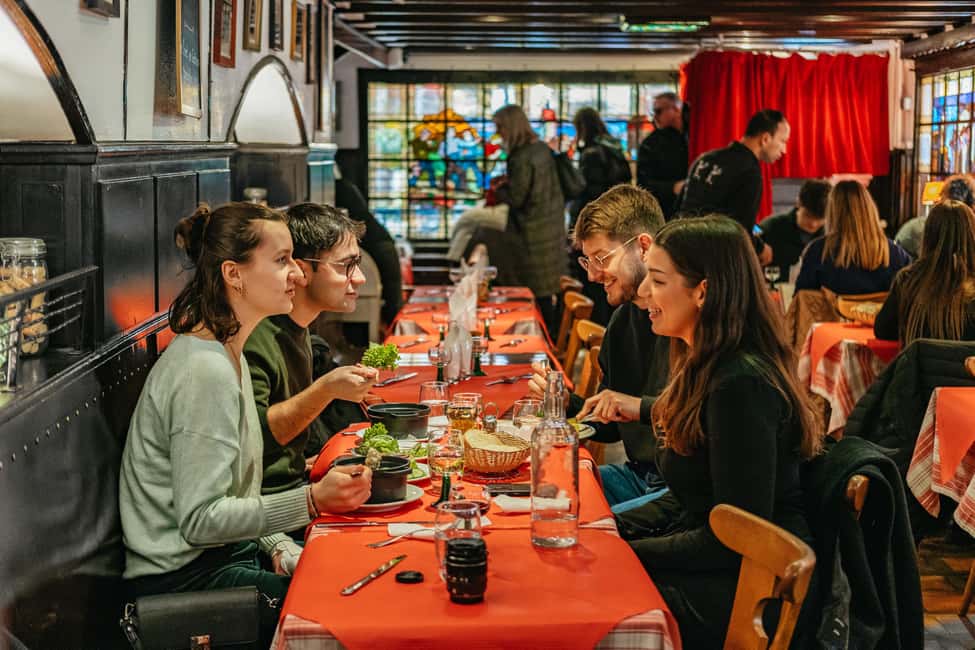
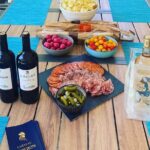
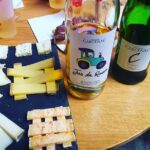
The food is more than decoration. You receive a board of charcuterie and local cheeses alongside the wine, giving you something savory to eat as each pour arrives.
I like this pairing for two reasons. First, it makes the hour more comfortable, especially if you have been walking around town. Second, it gives you a direct way to test how food changes wine. A cheese can make acidity seem softer or sharper, while cured meat may bring out a different side of the same pour.
The local angle matters, too. This is not simply a bowl of generic snacks meant to keep you occupied. The food is intended to connect the tasting to Burgundy’s eating culture and to show how regional products work together.
There is a balance issue to keep in mind. One piece of feedback describes the cheese and charcuterie as stronger than the wines because the tasting pours felt too small. That is a fair concern. If you want a substantial meal, do not treat this as a replacement for lunch or dinner. If you want a light plate that supports a guided tasting, the format makes more sense.
You can also use the board to slow yourself down. Smell the wine before eating, taste it with cheese, then try it again with charcuterie. You will get more from the session than if you simply finish each glass and wait for the next one.
Why the guide makes the difference
Wine tasting can be dull when the host recites technical terms without connecting them to your glass. Here, the human element appears to be one of the main strengths.
Frédérique is described as warm, attentive, and good at offering advice. Alexandre is praised for covering the important details in a professional way. Chloé is noted for listening carefully and helping people through their discovery. These details suggest a session that can work for both beginners and people who already know a little about Burgundy wine.
The private format helps. Only your group participates, so you can ask basic questions without worrying about slowing down a larger room. You can also steer the conversation toward the subjects that interest you, such as food pairing, buying bottles, or the difference between Chablis and Auxerrois.
The welcoming atmosphere is another recurring strength. The setting is described as friendly and comfortable, and one account specifically notes air conditioning. That can be useful during a warm day, since a cool indoor tasting gives you a break from walking and makes it easier to concentrate on the wines.
Still, keep your expectations in proportion. A private group does not turn a one-hour tasting into a full vineyard visit. You receive an explanation of winegrowing and terroir, but the stated experience does not include transport into the vineyards, a long cellar tour, or a detailed production demonstration.
How much value do you get for $38.16?
At $38.16 per person, the price is reasonable if you value the combination of five pours, food, and a personal explanation. You are paying for more than the liquid in the glasses. The food board, the staff time, the private setting, and the chance to compare local wines all form part of the value.
The calculation changes if your main goal is to drink large quantities. The standard tasting measure is 5 centiliters, and one dissatisfied customer felt the wine portions were too small compared with the food. Five pours at that size add up to about 25 centiliters of wine, or a little over two standard glasses in total. That is enough for comparison, but not a wine-heavy afternoon.
For me, the price works best for someone who wants orientation. If you are new to Chablis, this session can help you decide what to order at dinner or what to bring home. If you already have a strong grasp of the region and want rare bottles or a long technical discussion, you may find the hour limited.
The shop setting also gives you the option of buying bottles afterward. Do not feel you must purchase wine simply because you enjoyed the tasting. But if a particular bottle suits your taste, you can extend the experience at home and use the guide’s advice when choosing.
You can also read our reviews of more wine tours in France


Who should book this experience?
This tasting suits you if you want a manageable introduction to Burgundy wine without committing to a full-day excursion. It is especially useful for first-time visitors to Chablis, couples, small groups, and anyone who prefers a personal explanation to a large commercial presentation.
Food-minded visitors should also consider it. The local cheese and charcuterie make the session feel connected to the region, and you can learn which wines work with the products on the board.
It is a good choice for mixed-knowledge groups. A beginner can ask what the basic wine terms mean, while a more experienced drinker can ask about vineyard sources, regional differences, or bottle recommendations.
The one-hour length suits people with tight schedules. You can build it around sightseeing in Chablis instead of arranging your whole day around a distant estate.
I would be more cautious if you want a vineyard setting, extensive production detail, or a large meal. None of those is the central purpose here. You should also be comfortable with measured tasting pours rather than full glasses.
Only people over 18 may consume alcohol. Service animals are allowed, and most people can participate. Since this is a private activity, your own group is the only group taking part.
Practical details at 5 Bis Rue Jules Rathier
The meeting point is 5 Bis Rue Jules Rathier, 89800 Chablis, France. Start and finish at the same place, so you do not need to arrange a taxi or follow a guide to a second location.
A mobile ticket is accepted, and confirmation is received when you book. The session lasts about one hour, though you should allow a little extra time if you plan to browse or buy bottles afterward.
The experience is booked about 10 days ahead on average. That does not guarantee that every date fills quickly, but it is a useful sign that you should not leave a preferred time until the last minute, especially if your Burgundy schedule is fixed.
Cancellation is free up to 24 hours before the start time for a full refund. Inside that window, the price is not refunded and changes are not accepted. The cut-off follows local time in France.
How to get more from the tasting
Arrive ready to pay attention, not just to sample. The experience is short, so you will get more from it if you ask about each wine while it is in front of you.
A few useful questions include:
- Which wine best represents Chablis?
- What should I notice when comparing Chablis with Auxerrois?
- Which cheese works best with this pour?
- Which bottle is the best value?
- How should I serve and store the wine at home?
Eat slowly rather than finishing the board at once. Taste the wine alone, then with cheese, then with charcuterie. This simple comparison can teach you more than a long list of wine terms.
If you are driving afterward, plan carefully. The experience involves five alcoholic pours, even though the measures are small. The supplied information does not state the alcohol level, transport options, or local driving arrangements, so you should make your own safe plan.
The drawbacks to weigh before you reserve
The main limitation is the short format. One hour is enough for a focused introduction, but not enough for a full account of every Chablis vineyard, wine style, and stage of production.
The food may also dominate the session for some people. The plate is a benefit if you want a snack and pairing lesson, but it can distract from the wine when the pours are modest.
The exact selection is not guaranteed beyond the promise of five wines from Chablis and/or Auxerrois. If you have a specific producer, vintage, or appellation in mind, ask before booking rather than assuming it will appear.
Finally, the overall rating is 4.3 from 11 ratings, which suggests a generally positive experience but not universal agreement. The praise centers on the welcome, explanations, food, and wine variety. The criticism centers on portion size and the balance between food and wine. That is a useful, honest picture of what you are buying.
Should you book the Chablis wine tasting?
Book it if you want a friendly, private introduction to Chablis and Auxerrois with local food at a fair midrange price. The strongest reasons are the clear guidance from staff such as Frédérique, Alexandre, and Chloé, the regional cheese and charcuterie, and the chance to compare five wines without spending half a day on the road.
Skip it if you want generous wine pours, a vineyard walk, or a full meal. For everyone else, this is a practical way to get oriented in Chablis, sharpen your palate, and leave with better ideas about which Burgundy bottles belong on your table.
FAQ
Where does the wine tasting begin?
It begins at 5 Bis Rue Jules Rathier, 89800 Chablis, France.
Where does the activity end?
The activity ends back at the meeting point at 5 Bis Rue Jules Rathier.
How long does the experience last?
The tasting lasts approximately one hour.
How many wines are included?
The experience includes five wines from Chablis and/or Auxerrois.
Is food included?
Yes. The tasting comes with a board of charcuterie and local cheeses.
What does the guide explain?
The guide explains the work of winegrowers and the different terroirs that make up the Icaunais region.
Is this a private activity?
Yes. Only your group participates in the activity.
Can children drink the wine?
No. Only people over the age of 18 may consume alcoholic beverages.
Are service animals allowed?
Yes. Service animals are allowed.
Can I cancel for a full refund?
Yes. You can cancel at least 24 hours before the start time for a full refund. Cancellations within 24 hours are not refunded.