REVIEW · PARIS
Swift Access: Mona Lisa and Louvre
Book on GetYourGuide →Operated by RJ TURISMO · Bookable on GetYourGuide
The main draw here is simple: you get help reaching the Mona Lisa without joining the Louvre’s regular entry line, then keep the freedom to explore on your own. Your English-speaking guide leads the Mona Lisa visit for about 30 minutes and explains Da Vinci’s techniques, the sitter’s famous expression, and why the painting still commands so much attention.
I like the practical meeting point at 162 Rue de Rivoli, close to the Palais Royal Musée du Louvre Métro station. I also like the mix of structure and independence: you receive guidance for the museum’s most sought-after work, then choose your own galleries. The main caution is that skip-the-line does not mean walking straight inside with no wait. You join a faster priority line, and your selected time may be moved to another opening that same day.
In This Review
- Key points to know before booking
- Why the Mona Lisa is the right place to begin
- Meeting at 162 Rue de Rivoli
- What skip-the-line access really means
- Inside the Louvre with a focused first stop
- Venus de Milo and Winged Victory
- Ancient Egypt, Greece, and Rome
- Medieval and Renaissance art
- Later European painting and regional collections
- Is $89 good value?
- Who should book this Louvre experience?
- Should you book it?
- FAQ
- Where do I meet the guide?
- How do I reach the meeting point?
- Is the entire Louvre visit guided?
- Does skip the line mean there is no waiting?
- What happens if my selected time is unavailable?
- What should I bring, and what is not allowed?
Key points to know before booking
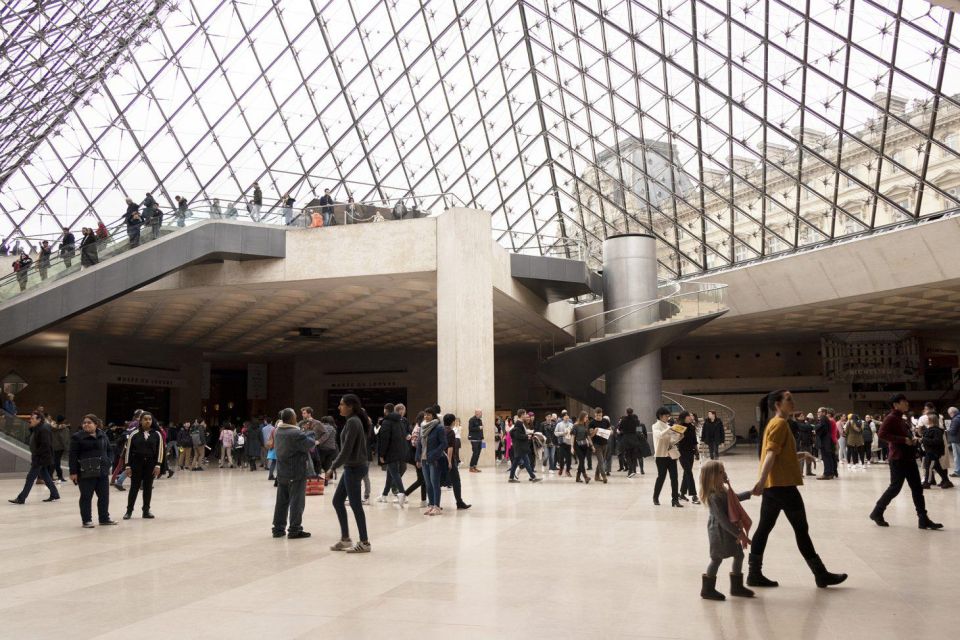
- The Mona Lisa visit lasts about 30 minutes: This is the guided part, not a full guided tour of every Louvre department.
- You explore the rest independently: After the Mona Lisa, you can visit the museum’s galleries at your own pace for as long as you like.
- The meeting point is outside the museum: Find the guide at 162 Rue de Rivoli, in front of the souvenir shop to the left of the foreign exchange counter.
- Priority entry saves effort, not all waiting: You use a quicker access line with other priority-entry visitors.
- The Louvre is too large to see in one visit: Plan a short list of must-sees instead of trying to cover all 35,000 works.
- Bring identification and leave large bags behind: A passport or ID card is required, and bags over 55 by 35 by 20 centimeters are not allowed.
Why the Mona Lisa is the right place to begin
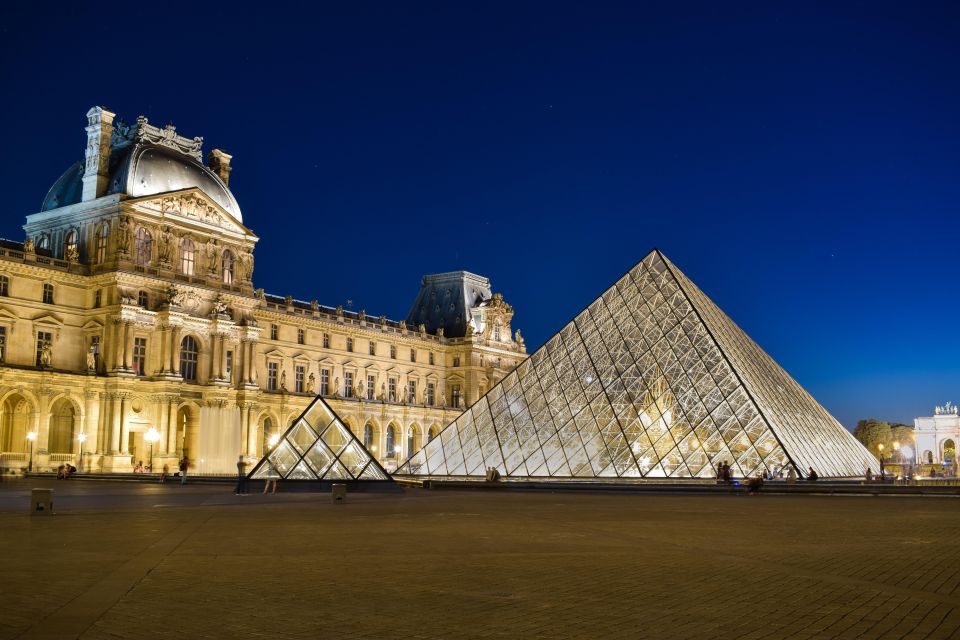
The Louvre can feel like a small city under one roof. Its collections cover ancient Egypt, Greece, Rome, medieval Europe, the Renaissance, later European painting, and art from Africa, Asia, and the Pacific. Without a plan, you can spend more time finding the famous rooms than looking at the art.
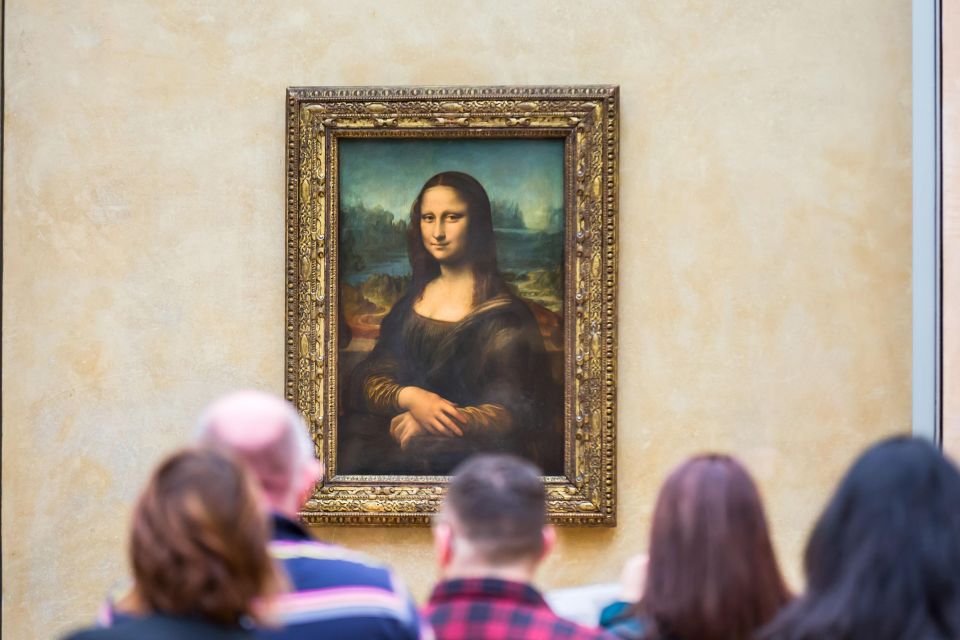
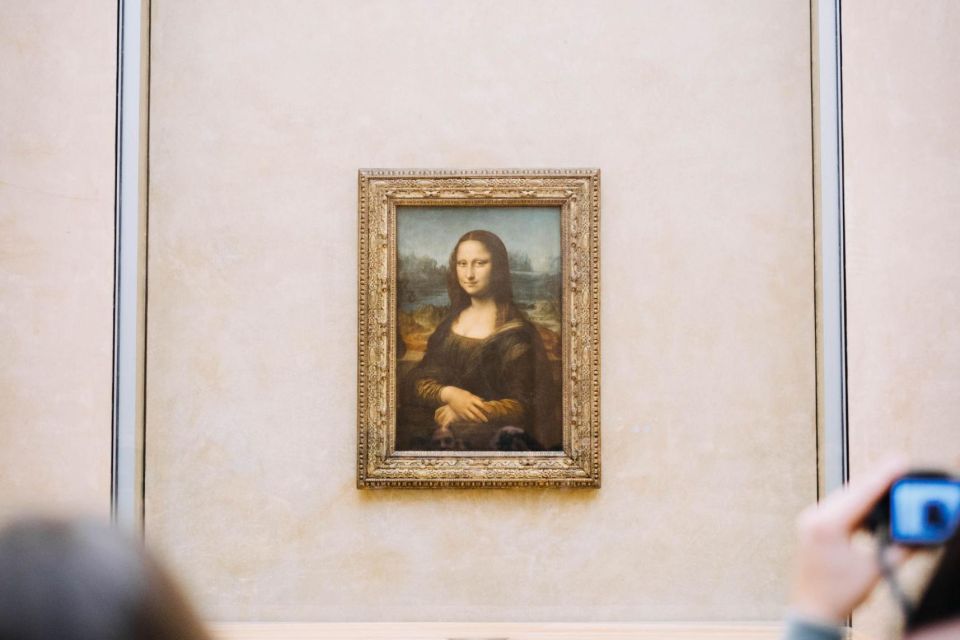
This experience solves one part of that problem by taking you directly to Leonardo da Vinci’s Mona Lisa. The guide gives context about the sitter’s mysterious smile, her steady gaze, and Da Vinci’s painting methods. That short explanation matters because the painting itself is smaller than many people expect, and the room can be busy.
You should not expect a quiet, private viewing. The Mona Lisa is one of the Louvre’s biggest attractions, so the stop is designed to get you to the painting efficiently and help you understand what you are seeing. You will have a better sense of why the work matters than you would from simply following the crowd toward the famous portrait.
The guided portion lasts roughly 30 minutes. That makes this a useful choice if you want a focused introduction rather than several hours of scheduled commentary. It also means you should read the description carefully: this is not a full museum tour led by a guide from room to room.
You can also read our reviews of more tours and experiences in Paris.



Meeting at 162 Rue de Rivoli
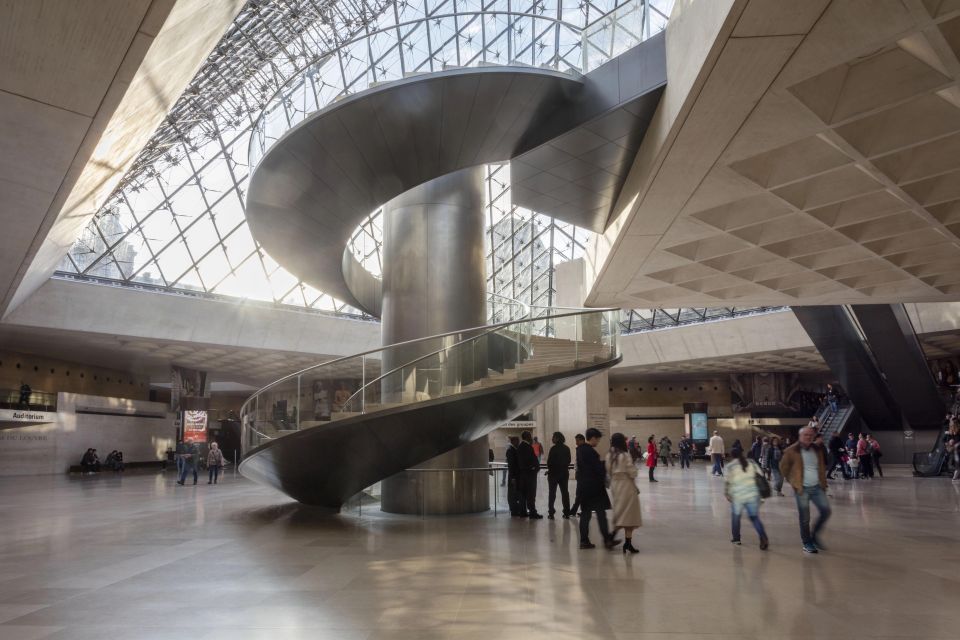
Your starting point is at 162 Rue de Rivoli, outside the Louvre. Look for the souvenir shop to the left of the foreign exchange counter. Do not enter the museum first. The local partner escorts you from the meeting point to the priority access area.
The nearby Métro stops are Palais Royal Musée du Louvre on Lines 1 and 7. This is helpful if you are coming from another part of Paris, though you should allow enough time to find the exact meeting spot after leaving the station. A major museum entrance is not always a precise meeting point, and this one depends on the souvenir shop and exchange counter as landmarks.
Arrive on time. Late arrivals are treated as no-shows, so this is not the place to cut things close after a long lunch or a last-minute photo stop. You should have your passport or ID card ready, since identification is listed as required.
The tour ends back at the same meeting point. That gives you a clear place to regroup, although you may remain inside the Louvre after the guided portion to continue your own visit. The important distinction is that your guide’s scheduled service centers on the Mona Lisa, while your later museum time is independent.
What skip-the-line access really means
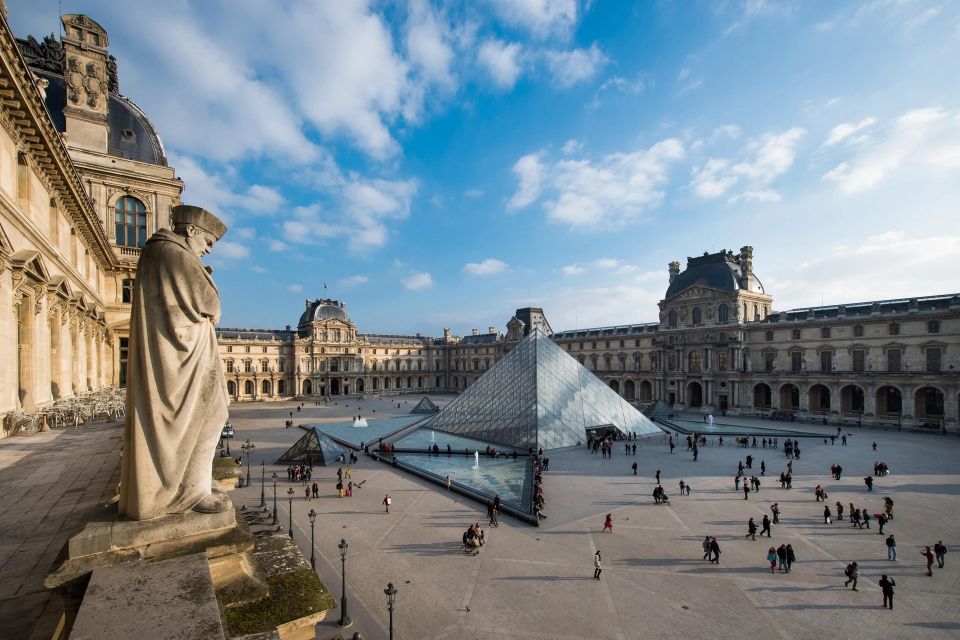
The phrase skip the line needs a little translation. You do not bypass every person at the Louvre. Instead, you use a faster priority line with other people who have arranged priority access.
That can still be valuable. The Louvre is one of Paris’s most visited sights, and a long regular entry line can eat into a morning or afternoon. Paying $89 per person is mainly a payment for organization, admission, and a smoother route to the Mona Lisa, not simply for a few minutes of information about one painting.
Your selected starting time is not fully guaranteed. If that slot is unavailable, you may be moved to another time on the same day, such as 11 a.m., 1 p.m., or 3 p.m. By booking, you accept that possible change. For a same-day or overnight booking, the available visit may be moved to the following day if no opening remains.
This matters if you have a train, dinner reservation, or another timed attraction. I would leave plenty of room around the Louvre rather than booking this immediately before something fixed. The booking includes free cancellation up to 24 hours before the activity, and you can reserve now and pay later, which helps if your Paris schedule is still shifting.
Inside the Louvre with a focused first stop
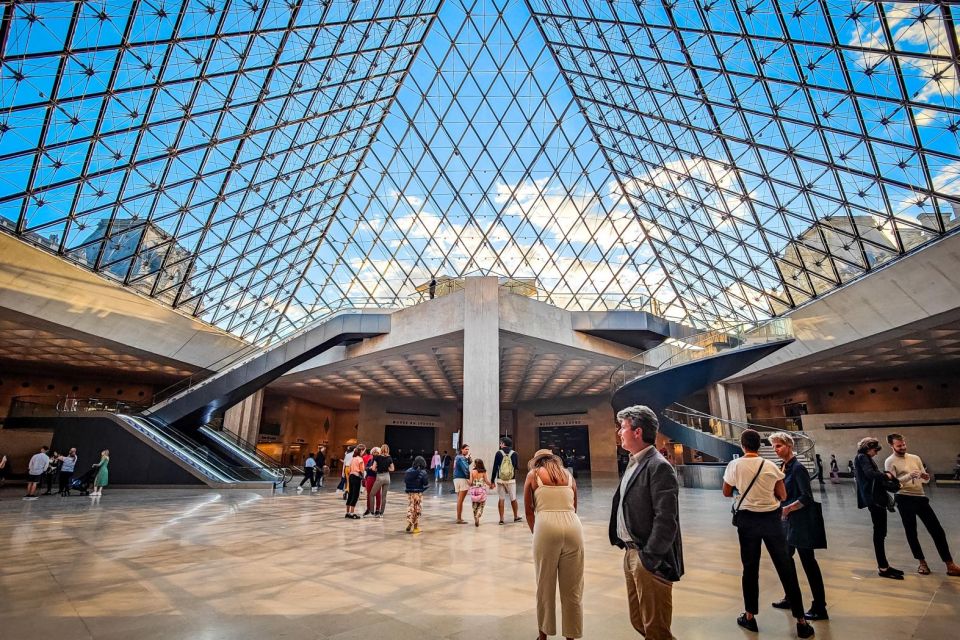
Once you reach the museum, the guide takes you to the Mona Lisa. The guided commentary focuses on the painting’s expression, gaze, and Da Vinci’s techniques. These details give you something specific to look for instead of reducing the visit to a quick photograph.
The painting’s fame can create unrealistic expectations. You may find the work surrounded by a crowd and protected behind glass, with people moving through the viewing area. The value of the guided stop is not solitude. It is getting there by an organized route and receiving a short explanation before you set off on your own.
After this stop, you are free to choose your route. The Louvre’s scale is both its great strength and its main challenge. You can spend the rest of your visit with sculpture, ancient objects, paintings, decorative arts, or regional collections, but you will not see everything in one afternoon.
I suggest choosing two or three themes before you arrive. For example, you could see the Mona Lisa, then visit Greek and Roman sculpture before finishing with Renaissance paintings. Or you could pair the Mona Lisa with Egyptian antiquities and medieval art. A short plan will help you look carefully instead of marching from name to name.
Venus de Milo and Winged Victory
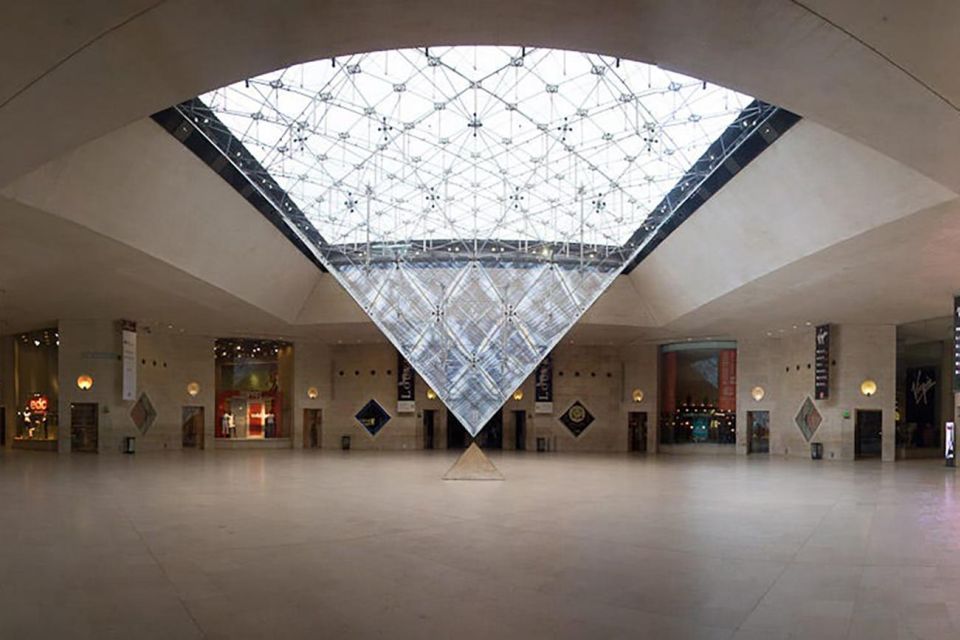
The Venus de Milo is one of the Louvre’s essential sculpture stops. The work gives you a chance to shift from Da Vinci’s small painted portrait to a larger ancient sculpture displayed as a major museum highlight. It is a natural choice after the Mona Lisa if you want two of the Louvre’s best-known works in one visit.
The Winged Victory of Samothrace offers a different kind of experience. Its strong pose and dramatic presentation make it a memorable sculpture stop, even for someone who does not usually spend much time with ancient art. Both works are useful anchors for your independent route.
The Louvre also includes the Laocoön Group and the Belvedere Torso among its Greek and Roman highlights. These works help show the range of ancient sculpture, from complex human figures to fragments that still shaped later European art.
You should not assume all of these stops sit a few steps apart. The museum is large, and moving between departments takes time. Ask the guide for the quickest route to your priorities before the guided portion ends, or use the museum map to set your direction.




Ancient Egypt, Greece, and Rome
If ancient cultures interest you, the Louvre gives you plenty to work with. The Egyptian collection includes mummies, artifacts, and hieroglyphs. It is a good choice when you want objects that connect art with daily life, religion, writing, and burial customs.
The Greek and Roman galleries offer sculptures and relics from societies that have shaped European art for centuries. The named works, including the Laocoön Group and Belvedere Torso, are good starting points, but the surrounding rooms can be just as useful if you slow down and compare figures, materials, and poses.
I like this part of the museum because it gives the Louvre a wider frame than the single famous portrait. You can move from Da Vinci’s Renaissance technique to objects made many centuries earlier, then see how later artists borrowed from ancient forms. That contrast makes the museum feel less like a checklist of famous names.
Allow extra time if you want to read labels or examine smaller pieces. The experience does not include food or drinks, so plan refreshments outside the museum rather than counting on a quick snack during the visit.
Medieval and Renaissance art
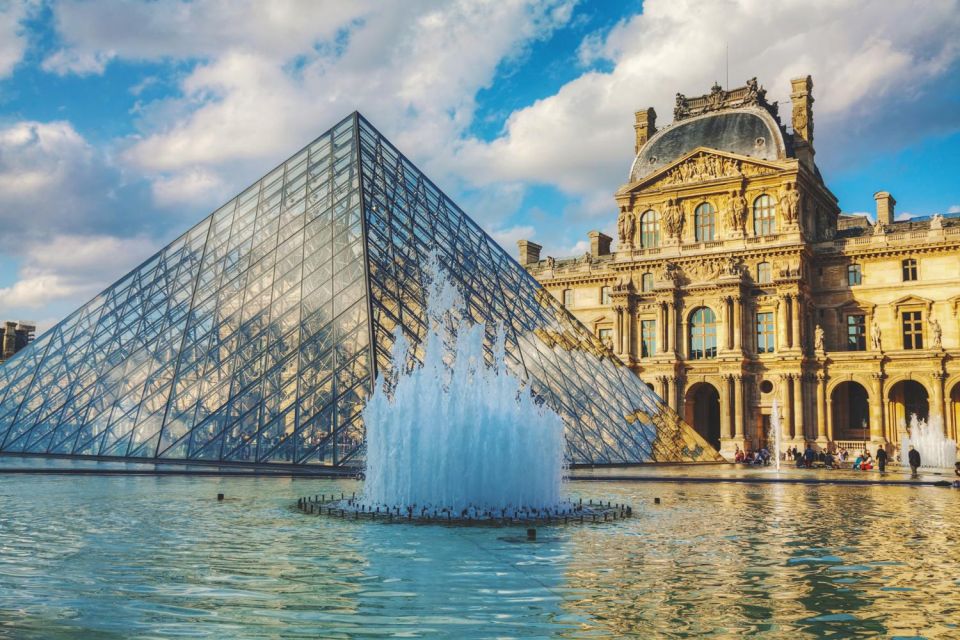
The Louvre’s medieval holdings include tapestries, sculptures, and paintings. These works can be less instantly famous than the Mona Lisa, but they help explain how European religious and courtly art changed over time.
The Renaissance section is likely to be a major priority for many people. Works connected with Raphael, Michelangelo, and Leonardo da Vinci let you look at the period from more than one angle. The Mona Lisa becomes more meaningful when you see it alongside other Renaissance ideas about portraiture, anatomy, balance, and human expression.
Because the guide’s scheduled commentary is limited to the Mona Lisa, you will need to explore these departments independently. That is a benefit if you dislike being hurried. It is a drawback if you want a guide to explain every major room or organize the entire museum for you.
Later European painting and regional collections
The museum’s later European art includes works by Matisse, Van Gogh, and Delacroix. These collections let you follow changes in color, composition, subject, and artistic purpose after the Renaissance. They are a useful choice if your interests go beyond ancient sculpture and old master paintings.
You can also seek out African, Asian, and Pacific art. These collections broaden the museum’s scope and offer a chance to look at artistic traditions that do not fit neatly into a Western European timeline.
The supplied information describes more than 35,000 works in the Louvre. That number tells you why an independent route needs limits. You can make a satisfying visit by choosing a few departments, but you should not expect to cover the whole collection simply because admission is included.
The museum’s size also affects the value of the $89 price. If you plan to spend several hours inside and would otherwise struggle with the regular entry process, the fee may feel reasonable. If you want only a quick look at the Mona Lisa and have little interest in other galleries, the price is harder to justify.
Is $89 good value?
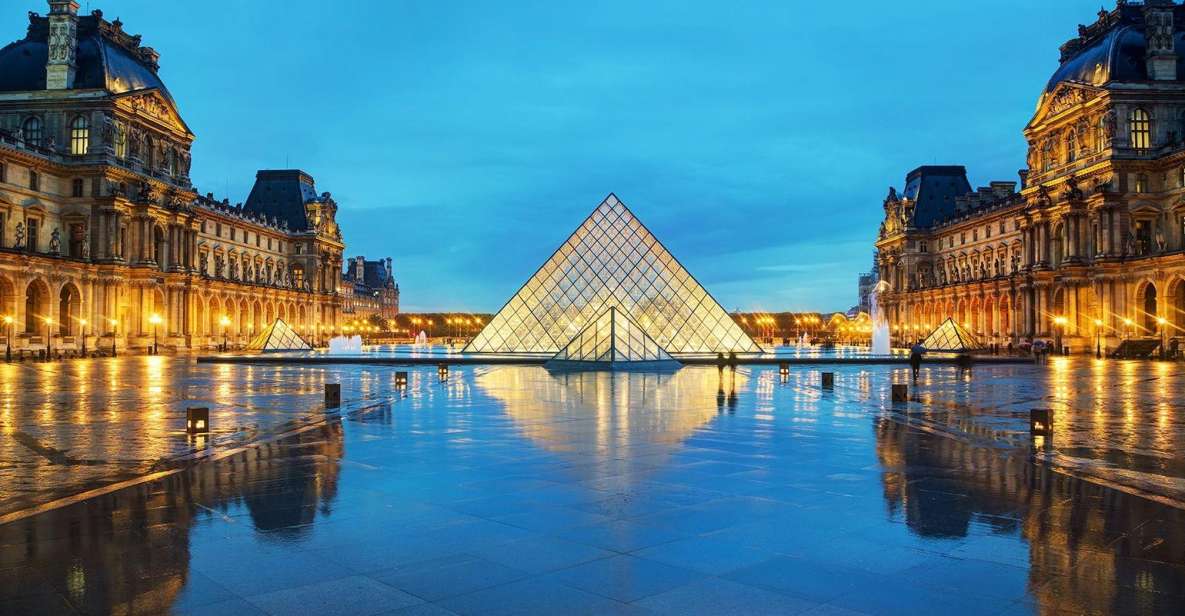
At $89 per person, this is not a budget museum ticket. The cost includes admission, a licensed English-speaking guide, and priority access. It also buys you a practical route to the Mona Lisa and the freedom to stay and explore independently after the guided stop.
I see the value most clearly for a first-time Louvre visitor who wants the famous portrait without handling the entry process alone. The guide’s short introduction also helps you get oriented before facing the museum’s many choices.
The value is weaker for an experienced art lover who already knows the Louvre’s entrances, has a timed museum ticket, or wants a long, fully guided tour. This experience does not promise a guide in every gallery, and the 30-minute duration refers to the guided Mona Lisa visit.
The one written rating supplied for this experience says simply that it was great. That is positive, but it offers little detail about the guide, crowd levels, or exact timing. I would base your decision on the clear structure of the activity rather than expecting a long list of personal recommendations from the guide.
Who should book this Louvre experience?
This suits you if:
- You are visiting the Louvre for the first time.
- You want help reaching the Mona Lisa.
- You prefer a short guided introduction followed by free exploration.
- You are comfortable choosing your own galleries.
- You can keep your schedule flexible in case the start time changes.
- You want admission and priority access arranged together.
It may not suit you if you need a wheelchair-friendly activity, since it is listed as unsuitable for wheelchair users. It is also a poor match if you are carrying luggage or large bags. Bags larger than 55 by 35 by 20 centimeters are not allowed inside, so leave suitcases and oversized day bags elsewhere.
The activity is offered in English only. Food, drinks, and hotel pickup or drop-off are not included. Transportation is not presented as a hotel transfer, so you should make your own way to Rue de Rivoli.
Should you book it?
Book this if your priority is the Mona Lisa plus flexible Louvre time. The guide gives you a clear start, priority access reduces the hassle of the regular line, and the rest of the museum is yours to explore without a fixed group route.
Think twice if you want a full museum tour, guaranteed control over the exact start time, or the lowest possible price. The best plan is to keep your schedule open, arrive early at 162 Rue de Rivoli, bring identification, carry only a small bag, and decide in advance which two or three collections you most want to see.
For the right visitor, this is a practical compromise: a guided introduction to the Louvre’s biggest attraction, followed by the freedom to make the enormous museum your own.
FAQ
Where do I meet the guide?
Meet at 162 Rue de Rivoli, in front of the souvenir shop to the left of the foreign exchange counter. Do not enter the museum first, because you will be escorted to the priority access point.
How do I reach the meeting point?
You can take Métro Line 1 or Line 7 to Palais Royal Musée du Louvre.
Is the entire Louvre visit guided?
No. The guided visit focuses on the Mona Lisa and lasts about 30 minutes. Afterward, you can explore the Louvre independently for as long as you like.
Does skip the line mean there is no waiting?
No. You use a faster priority line with other people who have chosen priority access instead of the regular line.
What happens if my selected time is unavailable?
You may be transferred to another available time on the same day. For last-minute bookings, you may instead be allocated to the following day if no availability remains.
What should I bring, and what is not allowed?
Bring a passport or ID card. Luggage and large bags are not allowed, and bags larger than 55 by 35 by 20 centimeters cannot enter the museum.