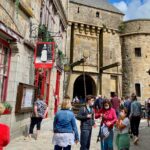
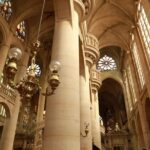
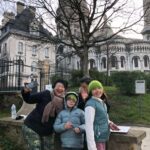
Paris reveals itself quickly on this 2.5-hour central walking tour, which links royal gardens, luxury squares, grand architecture, the Louvre, and Notre-Dame. Guide Guillaume brings ten years of experience and a personal feel for the city, mixing major events with smaller details you might miss alone.
I like the efficient route and the fact that you travel on foot, with no bus window between you and Paris. I also like Guillaume’s range: his tours cover both major landmarks and less expected neighborhoods, and his approach includes food tips along with history and architecture. The main drawback is clear: you stay outside the Louvre, and the area around Notre-Dame remains restricted because of the fire.
In This Review
- Key points at a glance
- A fast introduction to Paris on foot
- Meeting Guillaume near Rue Saint-Florentin
- The Tuileries: a formal opening to the walk
- Place Vendôme and the polished side of Paris
- Opera and Bourse: architecture with a city story
- The Louvre without museum entry
- Place Dauphine and the older Parisian plan
- Notre-Dame from a respectful distance
- What Guillaume adds beyond the landmarks
- Price, pace, and what you receive
- Practical planning for the 2.5-hour walk
- Who should book this Paris walk
- Should you book Welcome to Paris?
- FAQ
- How long does the tour last?
- Where does the tour start?
- Where does the tour end?
- Is the Louvre included?
- Can I enter Notre-Dame during the tour?
- Is the tour offered in English?
- Is food or transportation included?
- What is the cancellation policy?
Key points at a glance
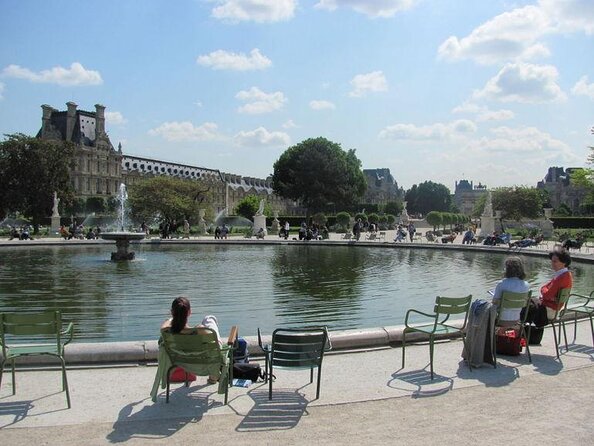
- A compact route through central Paris: Six stops connect the Tuileries, Place Vendôme, the Opera area, Louvre, Place Dauphine, and Notre-Dame.
- Led by Guillaume: You get a Parisian guide with ten years of guiding experience who works in French, English, or Spanish.
- Built for first visits: The walk gives you a useful orientation when your Paris time is short.
- Landmarks are viewed from outside: This is a city walk, not a museum-entry tour.
- A personal, story-led approach: Guillaume brings in small details, local advice, architecture, geography, and food.
- A moderate physical outing: You will be on your feet for about two and a half hours in all weather.
A fast introduction to Paris on foot
This experience makes the most sense as a first look at the city rather than a deep visit to any one sight. In a short span, you move through places tied to French kings, imperial ambition, high fashion, opera, art, and the medieval heart of Paris.
The route is especially useful if you have only a day or two. You will not enter the Louvre, and you will not receive a long interior visit at Notre-Dame, but you will see how these famous places fit together. That basic map can make the rest of your stay easier.
The price is $325.11 per person, with group discounts available. That is a serious amount for a 2.5-hour walk, so the value depends on your group and your need for a private, tailored introduction. For a larger family or group, a discount may improve the math. For a solo visitor looking mainly for quick facts, it may feel steep.
You can also read our reviews of more tours and experiences in Paris.



Meeting Guillaume near Rue Saint-Florentin
The walk begins at 258 Rue Saint-Florentin in the 1st arrondissement. This puts you in a central part of Paris, close to the Tuileries and the grand avenues around the Place de la Concorde area.
Look at the meeting details carefully before you go. The activity ends in a different location, but the exact end point is not supplied here. That matters if you have a timed museum visit, a dinner reservation, or a train to catch right afterward.
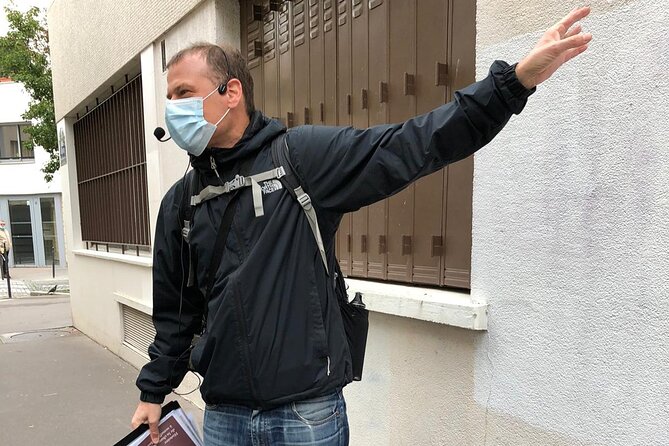
Guillaume is described as a professional Parisian guide with ten years of experience. His style, based on the available descriptions of his work, leans toward explanation rather than simply pointing at buildings. He connects large events with personal stories, architecture, geography, and present-day Paris.
That mix is valuable. A guide can tell you that a square is old, or can explain why it looks the way it does, who used it, and how Paris changed around it. Guillaume’s background also includes food, so you may get useful restaurant suggestions along the way. Food is not included, but that local angle can help you plan the next part of your day.
The tour operates in English, and the guide may also work in French and Spanish. The stated maximum is 20 people. Since the experience is called a private walking tour but also lists a maximum group size, confirm how your booking will be organized if exclusivity matters to you.
The Tuileries: a formal opening to the walk
The first stop is the Jardin des Tuileries, a carefully ordered French-style garden. It is a good place to begin because it gives you an immediate sense of Paris as a planned royal city, not just a collection of pretty streets.
Expect about ten minutes here. That is enough for orientation and a look at the garden’s structure, but not enough for a leisurely stroll through every path. If you love gardens, you may want to return on your own later.
The garden is also a useful contrast to the dense streets that follow. Its straight lines and open views help you understand the grand scale of central Paris. The experience does not include an admission ticket here, and you should not expect an extended garden visit. Think of this stop as a visual introduction and a chance to get your bearings.
Wear comfortable shoes. Even when the walking between stops is not long, the route uses city streets and open spaces, and the tour runs in all weather.
Place Vendôme and the polished side of Paris
After the Tuileries, the route reaches Place Vendôme, described as the luxury square of Paris. This is one of the clearest moments on the tour for seeing the city’s elegant, high-end face.
The stop lasts about ten minutes and has no admission fee. The square is best understood from its unified design and the way luxury businesses occupy its surroundings. Guillaume’s role here is important because the visual impression alone only tells part of the story.
You can use this stop to ask about Parisian style, the square’s history, and how central Paris balances royal planning with modern commerce. Do not expect shopping time. Ten minutes is enough to look, listen, and take photographs, not to browse in detail.
I like this kind of short stop on a first-day tour. It shows you a recognizable side of Paris without pretending that one square can explain the whole city.
Opera and Bourse: architecture with a city story
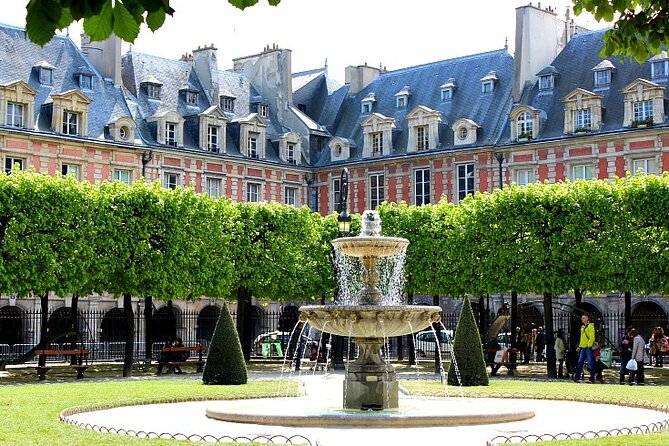
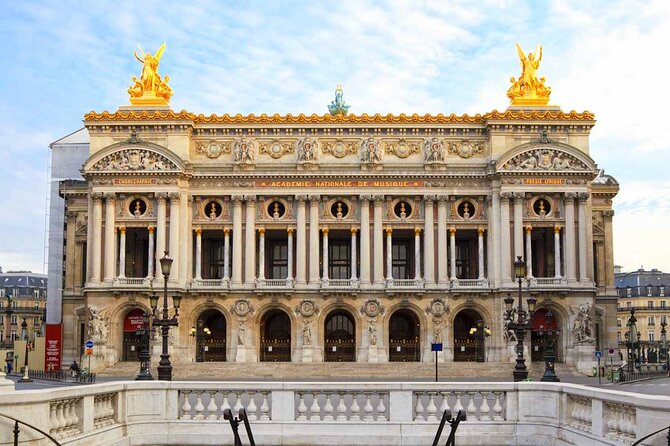
The next point is the Opera and Bourse area, with about ten minutes devoted to the historic opera house of Paris. This part of the route shifts from garden and palace design to monumental urban architecture.
The Opera area can feel grand and theatrical even before you know the details. A guide’s explanation helps you see more than the façade. You may learn how the building relates to the city’s ambitions, its public life, and the growth of modern Paris.
The stop is outside, with no admission fee included or needed for the listed visit. If you hoped to enter the opera house, this tour does not promise that. It gives you context and an exterior view instead.
This is one reason the walk works best as an orientation. You receive a broad look at several major places, then can choose which ones deserve a longer return visit.

The Louvre without museum entry
The Louvre is the longest listed stop, at about 15 minutes, but you remain outside. That point deserves emphasis because the Louvre is often the first thing people associate with a Paris sightseeing tour.
You can expect a look at the museum’s exterior and an explanation of why it matters. The building itself tells a long story through its scale, courtyards, and changing purpose. Yet 15 minutes cannot replace time inside the galleries, and no Louvre admission is included.
That limitation is not a flaw if you want a city walk. It is a real drawback if your main goal is the Mona Lisa, Egyptian antiquities, sculpture, or the museum’s other collections. You will need a separate ticket and a separate visit for that.
I see the Louvre stop as a planning advantage. A guide can help you understand the museum’s place in Paris before you return with time set aside for it. But do not book this experience expecting priority access, an indoor visit, or a museum lecture.
Place Dauphine and the older Parisian plan
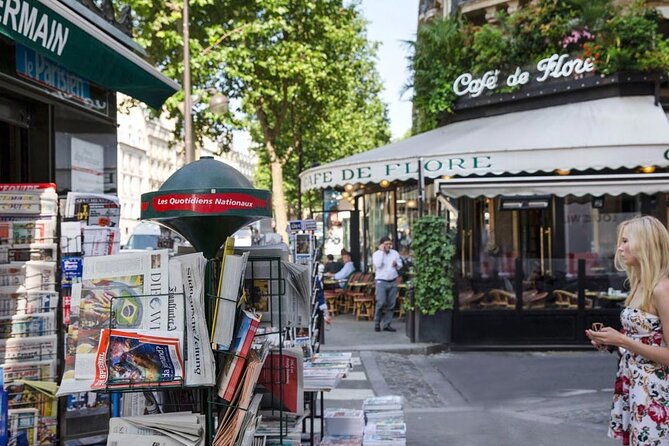
Place Dauphine offers a quieter change of mood. It is presented as a strong example of a French square from the time of Henri IV, and it gives the walk a more intimate setting after the formal scale of the Louvre and Opera.
The listed time is ten minutes. That is brief, but the square’s shape and setting make it a useful stop for discussing how Paris was organized in earlier periods. Here, the value lies in the connection between design and daily life.
This is also the kind of place where a guide can add more than a basic date. Guillaume’s work is praised for linking major events with smaller human stories, and a compact square is a natural setting for that method. You might hear how the space relates to the people who lived, worked, or gathered nearby.
If you enjoy quiet corners and urban design, this may be more rewarding than another famous façade. If you want a long pause or café break, the schedule does not allow much time for it.
Notre-Dame from a respectful distance
The final listed stop is Notre-Dame de Paris, with about ten minutes to see it. Because of the fire, the route cannot approach as closely as it once could. You will still see the cathedral, but access and viewing remain limited.
This is an important expectation to set before booking. The stop is not an interior visit, and it is not a close architectural inspection. It is a chance to place Notre-Dame within the story of the Île de la Cité and to understand its importance from the available public viewpoints.
The cathedral is a powerful ending because it brings the walk back to the older center of Paris. After the royal garden, luxury square, opera district, and Louvre, Notre-Dame gives the route a strong medieval anchor.
Ten minutes will pass quickly. If Notre-Dame is a top priority, check current access conditions separately and plan extra time beyond this tour.
What Guillaume adds beyond the landmarks
A list of famous sights is easy to assemble. The harder part is making the spaces meaningful, and that is where this experience appears strongest.
Guillaume’s work has been described as passionate, lively, and well organized. His approach combines major French history with small stories, present-day Paris, architecture, geography, and food advice. One family outing also included children from ages four to twelve in a different neighborhood tour, suggesting that he can adapt his explanations for mixed ages, though this specific route is still best for people comfortable walking and listening.
A school group of 35 students has also used his guiding services, while the central walk lists a maximum of 20 people. That range suggests experience with families, adults, and organized groups. Still, you should not assume every departure is tailored to your exact interests. Tell the provider about special needs or preferences when booking.
The strongest reason to choose a guide is the chance to ask questions. You can ask why a square looks formal, how a neighborhood changed, or where to eat afterward. That back-and-forth is more useful than a recorded commentary if you want practical help during your stay.
Price, pace, and what you receive
At $325.11 per person, this is not a budget introduction to Paris. You are paying for a professional guide, a guided route, and personal attention rather than admission tickets or transport.
The price may make sense for a family or group that wants one person to explain the city and adjust the conversation to its interests. Group discounts could help, but the exact savings are not provided. Ask about the discount before booking if you are traveling with several people.
The price is harder to justify if you mainly want a checklist of sights. The route moves quickly, and most stops last ten minutes. You do not enter the Louvre, do not receive food or drinks, and do not get transportation to or from the attractions.
I would judge the value by your priorities. If you want orientation, stories, questions answered, and a human guide who can offer restaurant ideas, the cost may be worthwhile. If you want maximum sightseeing time inside museums, a self-guided route plus separate tickets may serve you better.
Practical planning for the 2.5-hour walk
The tour is offered in English and operates in all weather. Bring clothing suitable for rain, sun, wind, or cooler conditions, since much of the experience takes place outdoors.
A moderate fitness level is required. You should be prepared to walk and stand for roughly two and a half hours, with short pauses at the six listed stops. Children must be accompanied by an adult.
Food and drinks are not included, and transportation is not included. Eat beforehand or plan a meal afterward. If you have dietary requirements, advise the provider when booking, even though the tour itself does not include a meal.
Confirmation is sent within 48 hours, subject to availability. Free cancellation is available if you cancel at least 24 hours before the start time. A cancellation made less than 24 hours ahead is not refunded, and late changes are not accepted. The cut-off uses local Paris time.
Who should book this Paris walk
I would recommend it most strongly to first-time visitors, people with limited time, and families or small groups who want a guide to set the city in context. It also suits you if you enjoy stories about how Paris works today, not only dates about kings and buildings.
It is a good fit for visitors who want to see several major areas before choosing where to return. The route gives you a practical mental map of central Paris, and Guillaume’s food interest may help with the rest of your day.
I would hesitate if your priority is entering the Louvre, getting close to Notre-Dame, shopping at Place Vendôme, or spending long stretches in each place. The tour gives you a broad sweep, not a slow visit.
Should you book Welcome to Paris?
Book it if you want a guided first look at central Paris and value a personal conversation over museum admission. Guillaume’s ten years of experience, broad subject range, and ability to work in English, French, or Spanish are the main reasons to consider it.
Before paying, make two checks. Confirm the group arrangement, since the experience is described as private but also lists up to 20 people, and verify the different end location if your day is tightly scheduled.
For a short Paris stay, this can be a useful investment in orientation. For a Louvre-focused visit, choose a separate museum tour and treat this walk as optional.
FAQ
How long does the tour last?
The tour lasts approximately 2 hours and 30 minutes.
Where does the tour start?
It starts at 258 Rue Saint-Florentin, 75001 Paris, France.
Where does the tour end?
The activity ends at a different location from the starting point. The exact end location is not specified in the supplied details, so check it before booking.
Is the Louvre included?
No. The Louvre is visited from outside, and admission is not included.
Can I enter Notre-Dame during the tour?
No interior visit is listed. Because of the fire, the guide cannot get as close as before, but you can still see the cathedral.
Is the tour offered in English?
Yes. It is offered in English, and the guide may also operate in French and Spanish.
Is food or transportation included?
No. Drinks, food and drinks, and transportation to or from the attractions are not included.
What is the cancellation policy?
You can cancel at least 24 hours before the start time for a full refund. Cancellations or changes made less than 24 hours before the start time are not accepted for a refund.