REVIEW · STRASBOURG
Strasbourg : European District Walking Tour
Book on GetYourGuide →Operated by Bretzel&Fun · Bookable on GetYourGuide
The EU starts with a walk. Strasbourg’s European District turns big, abstract institutions into street-level stories, starting right by the Council of Europe campus. I love the way the guide connects the city’s Franco-German tensions to today’s cooperation, so the European Union feels human instead of theoretical.
I also like the mix of ideas and scenery: you stroll into the fast-building Wacken area and follow the Ill River for an easy sense of place. On top of that, there are quick stops for unusual Art Nouveau houses near the Orangerie District, so the tour isn’t all politics and plaques.
One important consideration: this is a walking route and it’s not suitable for people with mobility impairments. You’ll want comfortable shoes, because the best parts here are meant to be experienced on foot.
In This Review
- Key highlights to look for
- Strasbourg’s European District: where EU politics meets real streets
- Agora start point and the Council of Europe footprint
- Council of Europe and the European Court of Human Rights, explained simply
- Orangerie District detours: Art Nouveau houses that change the mood
- Wacken and the Ill River: a modern Strasbourg stroll with a purpose
- European Parliament area, outside-only, with a self-visit option
- Price and value: what $35 buys you in 90 minutes
- Who this walk suits best, and what to bring
- Should you book this Strasbourg European District walking tour?
- FAQ
- How long is the Strasbourg European District walking tour?
- Where does the tour start, and how do I recognize the guide?
- Is entry to the European Parliament included?
- What languages are available?
- What should I bring?
- Is the tour suitable for people with mobility impairments?
Key highlights to look for
- Agora to the Council of Europe area: kick off with the right context at the start point, not half a city later
- Clear EU institution explanations: what the Council of Europe and European Court of Human Rights actually do, in plain language
- Wacken district street-level change: new buildings, bike paths, and the Ill River shaping daily life
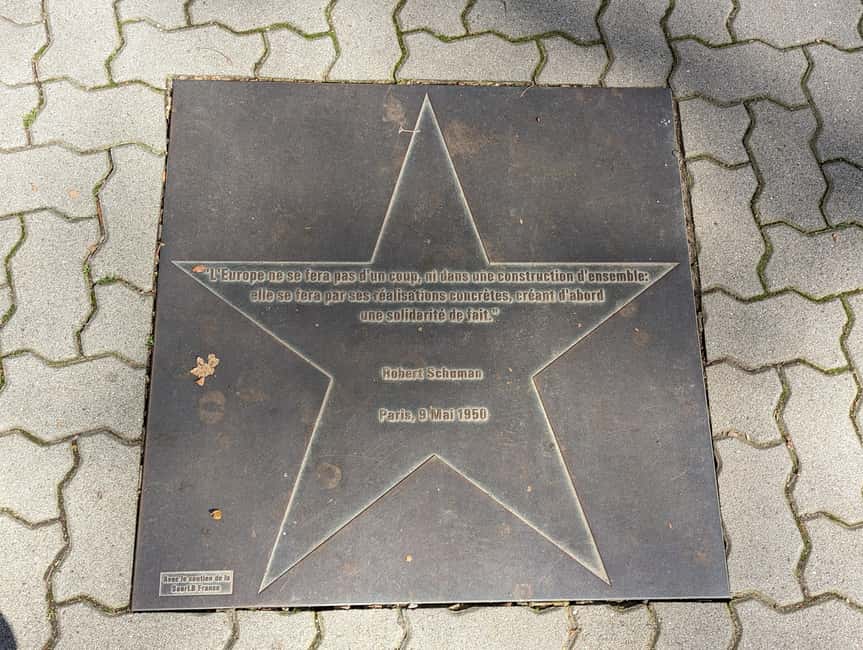
- European Parliament area (outside only): how laws are voted by deputies from each country, without needing to enter
- Art Nouveau around Orangerie: quick visual detours that make Strasbourg feel different from brochure photos
Strasbourg’s European District: where EU politics meets real streets
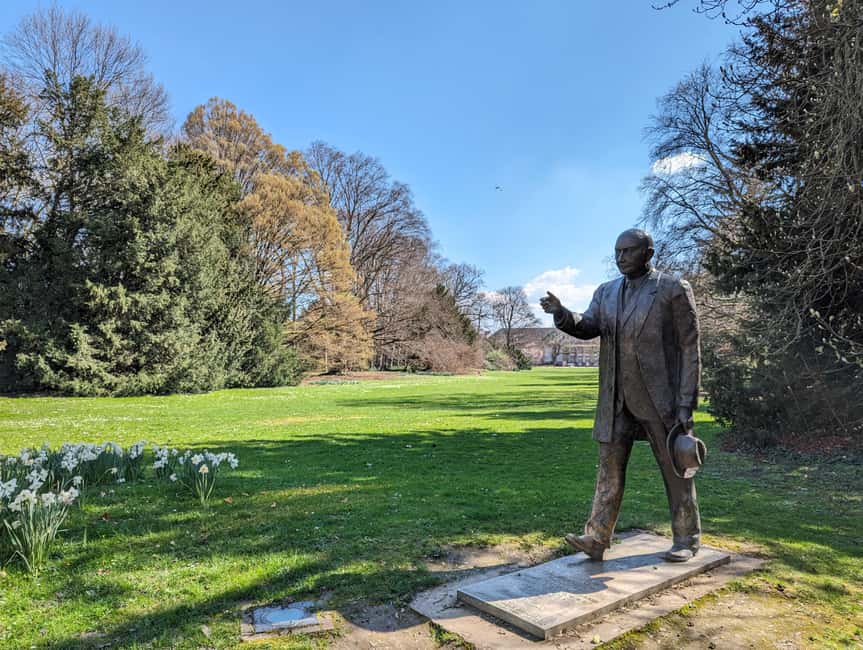
Strasbourg is one of those European cities where the past doesn’t sit quietly in museums. Here, you can literally walk alongside institutions that help shape the rules of modern Europe. That is the whole point of this 90-minute experience: you get the big picture, then you see where the big picture lives.
I like that the tour treats the EU as a process, not a slogan. You start with why Strasbourg matters: for a long time, it was a flashpoint between the Franco-German “couple.” Today, it’s a symbol of cooperation and of the long work it took for European political institutions to come together.
And yes, there’s time for the fun part too. You’ll move through the Wacken district, follow the Ill River, and spot Art Nouveau details near Orangerie. It’s a smart reminder that politics happens in the same streets where people also ride bikes, cross bridges, and walk home.
You can also read our reviews of more walking tours in Strasbourg

Agora start point and the Council of Europe footprint
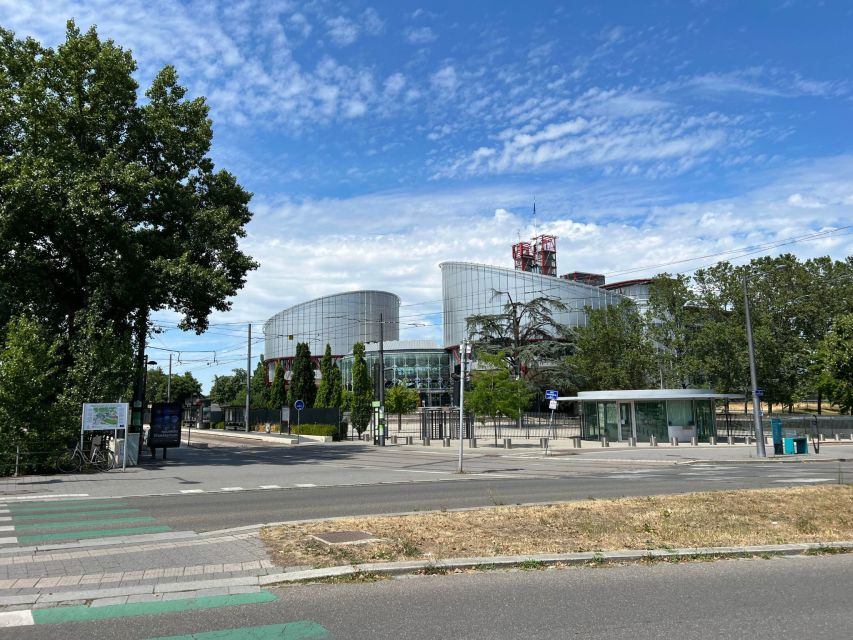
The tour begins at the Agora – Conseil de l’Europe. Look for your guide in a black t-shirt with an orange Bretzel&Fun logo, and you’re set to go. This matters because it anchors the story early: you’re not learning about Europe while standing in the middle of nowhere, you’re starting where the European institutions are physically present.
From the first stretch of the walk, expect an orientation that helps everything click. The guide sets up the relationship between the city and these organizations, then starts pointing out what you’re actually seeing around you—rather than tossing dates at you and hoping it sticks.
This is one of the best-value parts of the format. In a compact 90 minutes, you get context fast, then your eyes have something to do: notice buildings, spot locations relevant to the institutions, and connect them to what you’re hearing.
Council of Europe and the European Court of Human Rights, explained simply
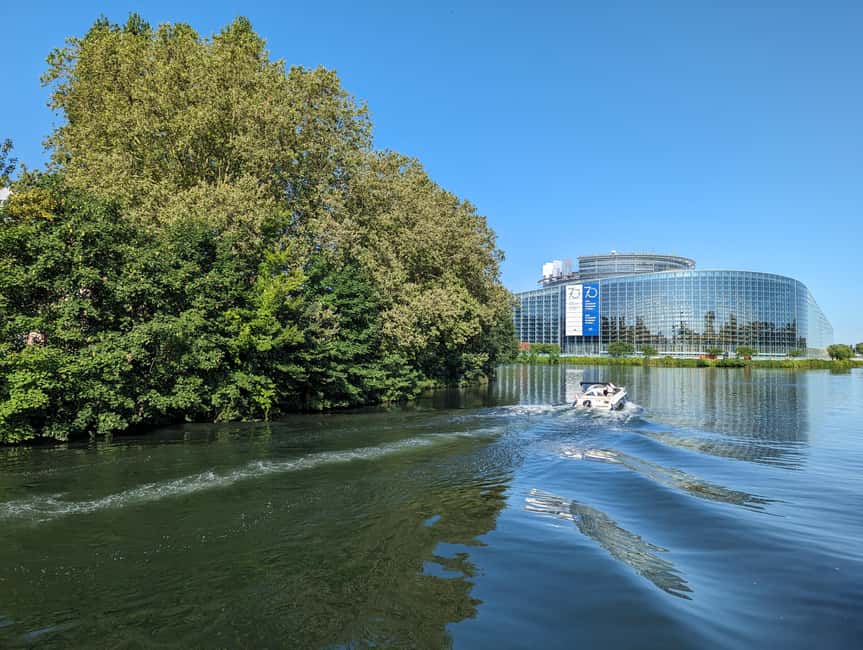
A big chunk of the walk focuses on two closely linked institutions: the Council of Europe and the European Court of Human Rights. The guide talks about what they are and why they matter, and you’ll get the point without needing to memorize acronyms.
What I like here is the balance between structure and clarity. The tour doesn’t just say these organizations exist. It explains their specific role and the reasoning behind them, so you leave understanding what the “European district” means beyond the tourist basics.
You also get a pleasant walking base at their doorstep. This area isn’t just a backdrop; it’s a working district where the purpose of the buildings influences the feel of the streets. You’re at the foot of these institutions, so even small stops become more meaningful.
If you want an easy way to track the story, listen for the guide’s comparisons: what each institution is focused on and how they fit into the wider European system. That’s what makes this feel less like a lecture and more like a guided street lesson.
Orangerie District detours: Art Nouveau houses that change the mood
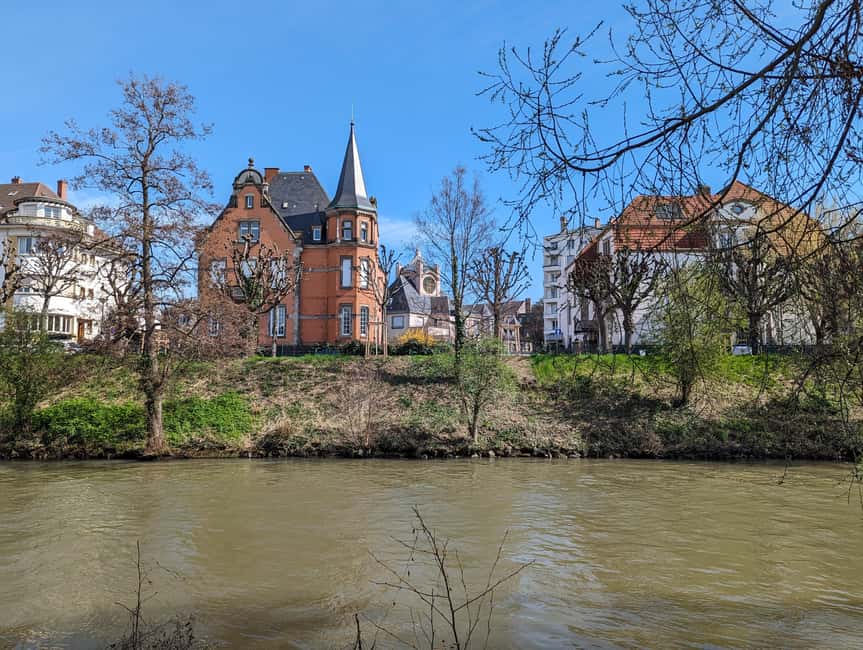
Not everything here is serious stone and formal entrances. Near the Orangerie District, the tour includes a look at unusual houses in Art Nouveau style. This is a small detour, but it works because it shifts your brain out of policy mode.
These details matter for two reasons. First, Strasbourg’s character is visible in its architecture, not only its institutions. Second, the tour keeps your walk varied—so you stay engaged during the full 90 minutes.
So when the guide points these houses out, take a moment and slow down your pace. Look at how the facades and lines create personality. You’re basically getting an extra layer of Strasbourg in the same time window, without it turning into a separate neighborhood tour.
Wacken and the Ill River: a modern Strasbourg stroll with a purpose
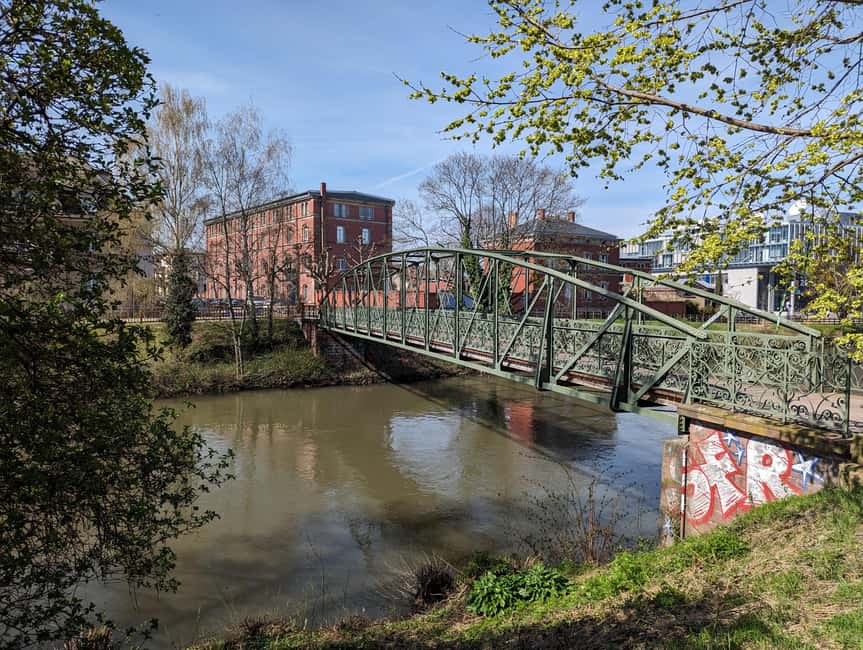
Then you head to Wacken, a fast-growing, dynamic part of town. The tour highlights practical, real-world changes: new buildings, bike paths, and the Ill River running through the area.
This is where the walk feels most like Strasbourg today. The city’s modern rhythm is easier to understand when you see it with context. The guide frames what you’re looking at and ties it back to the European institutions nearby, so it doesn’t feel random.
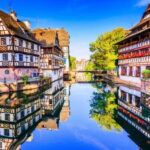
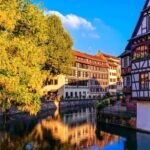
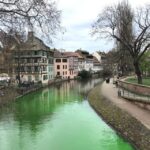
Following the Ill River is also a smart move for a short tour. It gives you a clear route and a natural pace. You can look around, take photos, and still keep moving without feeling rushed.
As you approach the European Parliament area, the focus tightens. You’ll learn about how deputies from each country vote on European laws. And importantly, you’ll get this explanation while standing outside in the correct place—so the concept lands with less effort.


European Parliament area, outside-only, with a self-visit option
One of the tour’s stated boundaries is simple: there’s no entry to the European Parliament during the guided portion. You’ll see the Parliament area from outside, which is perfect for this kind of time-boxed tour.
Here’s the trade-off. You won’t tour inside with a guide, but you’ll still get the core explanation: how European laws are voted on by deputies representing each country. For many people, understanding how the system works is the real payoff anyway.
There’s also a built-in extra: after the guided walk, the guide drops you close to the Parliament entrance, so you can visit on your own. The entrance is free, which makes the outside-only choice feel less like a limitation and more like a flexible add-on.
Price and value: what $35 buys you in 90 minutes
At $35 per person for 90 minutes, the value mostly comes down to the “why” of the experience. This isn’t only a walk for views. It’s a guided explanation of European institutions in a setting where you can immediately connect the story to the streets and buildings around you.
You also get a few practical perks that make the price feel more reasonable:
- Small group size (limited to 6 people), which usually means more time for questions
- A local guide with English and French narration
- Photo opportunities, so you’re not guessing where to pause
- Best advice for your stay in the region, which can help you turn a one-night stop into a better plan
The small group part matters more than you might think. In a topic like EU governance, you want a guide who can answer your exact question. This tour’s format supports that, and guides such as Nicolas and Remy have been praised for being friendly, clear, and willing to take time for questions.
If you’re short on time in Strasbourg but want more than a postcard version of the city, this is a strong use of an afternoon.
Who this walk suits best, and what to bring
This tour is a good fit if you like:
- walking through a city with a story
- practical explanations of big institutions
- a mix of modern districts and architectural details
It’s less suitable if you need step-free access, because it’s not made for mobility impairments. Also, plan on a rain-or-shine outing. If weather is tricky, wear shoes you trust.
What to bring is straightforward: a passport or ID card. That’s especially helpful around secure institutional areas. It’s also wise to keep personal items simple, since the activity notes that explosive substances, weapons, or sharp objects aren’t allowed.
Finally, set your expectations for the pace. Ninety minutes is long enough to connect ideas to places, but short enough that you won’t do slow sightseeing. You’ll be moving, listening, and stopping at the moments the guide decides you should notice something.
Should you book this Strasbourg European District walking tour?
Book it if you want the European District to make sense fast. In under two hours you’ll understand why Strasbourg mattered in the Franco-German story, learn what the Council of Europe and the Court of Human Rights do, and walk through Wacken and along the Ill River with a clear narrative thread.
Skip it if you need a fully guided interior visit of the European Parliament during the tour itself. This is outside-only, with the free self-visit option on your own afterward. Also skip it if mobility is an issue for you.
If your priority is meaning over sightseeing checklists, this one is an efficient, well-shaped way to spend your time in Strasbourg.
FAQ
How long is the Strasbourg European District walking tour?
It lasts about 90 minutes.
Where does the tour start, and how do I recognize the guide?
You meet at the Agora – Conseil de l’Europe. The guide wears a black t-shirt with an orange Bretzel&Fun logo.
Is entry to the European Parliament included?
No. The tour is outside only, and the guide does not take you inside the Parliament. You can visit on your own afterward, and the entrance is free.
What languages are available?
The live guide is available in English and French.
What should I bring?
Bring a passport or ID card.
Is the tour suitable for people with mobility impairments?
No. It’s listed as not suitable for people with mobility impairments.