REVIEW · PARIS
Skip-the-line Rodin Museum Guided Tour Semi-Private 8ppl Max
Book on Viator →Operated by Babylon Tours Paris · Bookable on Viator
Rodin without the queue is a relief. This semi-private, skip-the-line outing is a smart way to see Musée Rodin efficiently, and I like that the group stays small (max 8). I also like that the guide helps you connect works like The Gates of Hell and The Thinker to what Rodin was studying. One possible drawback: if your group ends up tiny, you’ll want to be a bit assertive about staying together and asking follow-up questions.
You’re looking at about 2 hours total, with entrance fees included. That makes the value feel clearer than tours where you still have to pay extra at the door, especially in a museum that can be busy. You’ll also get an English-speaking guide and a mobile ticket, which keeps things simple.
Practical note: museum security can slow things down, and the day’s arrangements can change if the museum has an unexpected closure or delay. You’ll also need to follow the dress and bag rules, so pack light and plan for a bit of walking.
In This Review
- Key highlights to look for
- Skip-the-line entry at Musée Rodin (and how it really feels)
- Inside Musée Rodin: hands, movement, and the works everyone points to
- The gardens after the galleries: sculpture in open air
- How the guide helps you see Rodin as modern (not just famous)
- The second hour with Babylon Tours Paris: city stories that fill gaps
- Price and value: is $143.13 worth it?
- Who this tour fits best (and who might want a different format)
- Before you go: dress, bags, and the quiet-room rules
- Weather and closures: what happens if the museum timing shifts
- Should you book the Rodin Museum skip-the-line semi-private tour?
- FAQ
- How many people are in the group for this Musée Rodin tour?
- How long does the tour take?
- Is the tour in English?
- What’s included in the price?
- Do I need to buy museum tickets separately?
- Where is the meeting point?
- Is hotel pickup or drop-off included?
- Are tips included in the tour price?
- Is the tour suitable for wheelchair users or limited mobility?
- What should I know about bags and security at the museum?
- What if the Rodin Museum is delayed or closed?
Key highlights to look for

- Semi-private size (8 max): calmer pace, easier questions, and less waiting around.
- Skip-the-line entry: you head inside faster, though security lines can still happen.
- Rodin’s best-known works in context: The Walking Man, The Thinker, and The Gates of Hell are tied to his methods.
- Studies of the human form: hands, movement, and clay work that helps you see Rodin’s craft.
- Manicured gardens after the galleries: sculpture outdoors gives you a breather from indoor rooms.
- Paris story-telling hour with Babylon Tours Paris: you get help reading the city beyond the obvious landmarks.
Skip-the-line entry at Musée Rodin (and how it really feels)

This starts at Musée Rodin, at 77 Rue de Varenne in the 7th arrondissement. The meeting point is central enough that you can plug it into a normal Paris day, and the tour is designed to get you moving inside without the long wait you’d face on your own.
The “skip-the-line” part matters most when you’re trying to control your time. Musée Rodin is the kind of place where a missed entry window can throw your whole schedule off, and here you’re aiming for a smooth arrival. Still, don’t assume it’s zero lines forever: the tour notes that security measures at attractions can mean lines form even with skip-the-line access.
What I like about the semi-private format is that you’re not stuck in a huge herd. With up to 8 people, you can actually hear explanations and pivot when you’re curious. You’ll also have an easier time keeping your bearings, especially if you’re the type who likes to look first, then read the story behind what you’re seeing.
You can also read our reviews of more guided tours in Paris


Inside Musée Rodin: hands, movement, and the works everyone points to

The first phase of your time is inside the museum galleries, where you’ll encounter sculptures plus a standout collection of more than 200 paintings that Rodin accumulated. That combination is a big deal. Seeing the art across media helps you understand that Rodin wasn’t only chasing finished masterpieces—he was studying how humans look in motion and in detail.
You’ll focus on Rodin’s studies of the human form, including the obsessively expressive subject he returned to again and again: hands. Hands are one of those things visitors often glance at, then move on from. A good guide course-corrects that by showing you what to notice—gesture, pressure, tension, and how Rodin used form to suggest feeling.
You’ll also learn about a life-sized work called The Walking Man. Even if you’ve seen photos of Rodin sculptures before, seeing the idea of walking rendered as a physical experience tends to click differently in person. It’s the kind of piece that makes you slow down and look at how the body transitions from one moment to the next.
A highlight of the tour is the way the guide connects Rodin’s circle to his process. You’ll hear about contemporaries he depicted in clay, including the French writer Balzac. That’s useful because it frames Rodin as a working artist in his era—not just as a name attached to famous statues.
And yes, you’ll get to one of the most recognizable paths through his work: The Gates of Hell and The Thinker. The value here is not just seeing the famous elements, but understanding how the guide ties the masterpiece to Rodin’s broader themes. When the explanation connects the dots, The Thinker stops being a single icon and starts feeling like part of a larger artistic argument about people and expression.
The gardens after the galleries: sculpture in open air
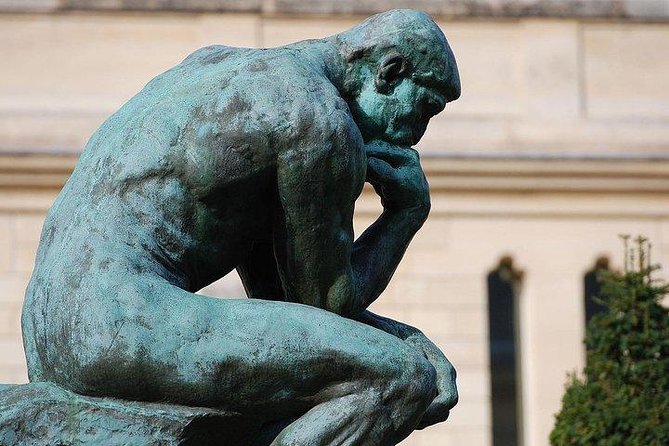
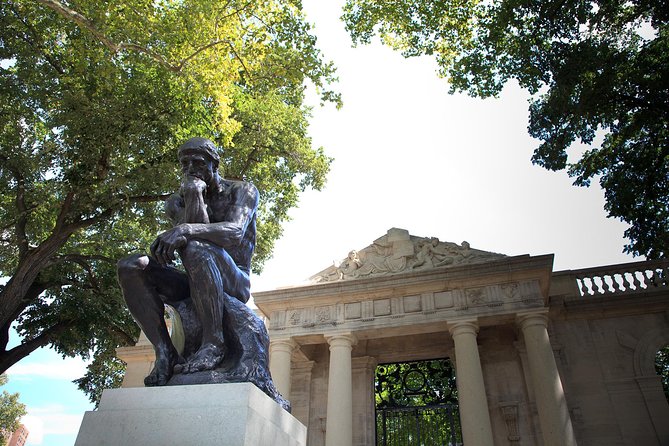
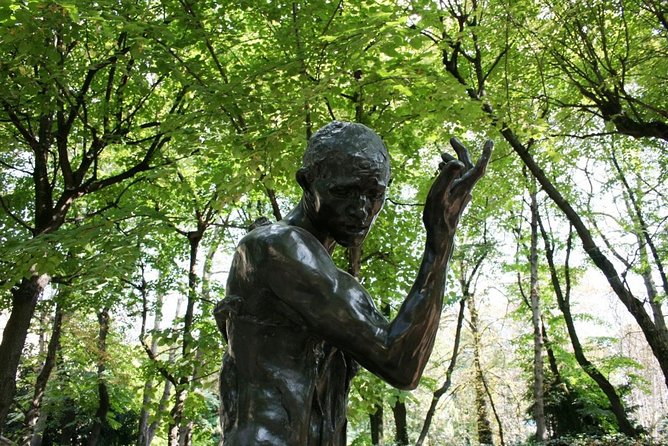
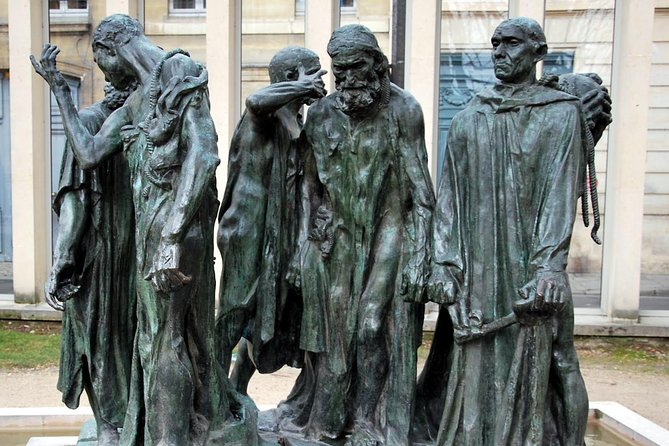
After the indoor rooms, you’ll have time to stroll the museum gardens. This is more than a pleasant break. Outdoor sculpture changes the way you read Rodin’s surfaces because you’re dealing with daylight, shadows, and changing angles as you move.
The gardens also keep the momentum going. You’ll find more sculptures outside, so you don’t hit that awkward moment where you leave the main exhibits and lose the thread. For me, this outdoor time is where the museum starts feeling like a place rather than a checklist.
Go slowly here, even if you’re tempted to rush for photos. Rodin’s work is about form and movement, and gardens encourage you to change your viewpoint naturally—step left, step back, and see how the same work looks different as the light shifts.
How the guide helps you see Rodin as modern (not just famous)
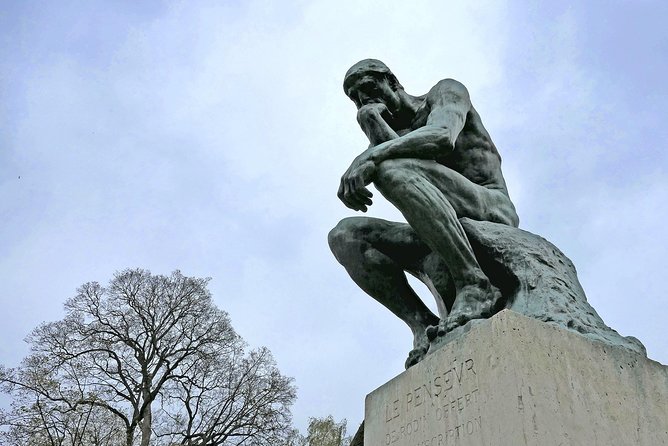
Rodin gets called the father of modern sculpture, and the tour’s approach is designed to show why. The useful part is the emphasis on his studies and techniques—how he built forms, how he experimented, and how he captured the human body as something that’s always changing.
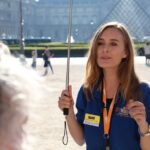
This is where a strong guide makes or breaks the experience. The tour has professional guides, and some are specifically singled out for turning Rodin into a real person with a real working method. Names like Dunya and Anatole come up as guides who made the presentation feel structured, with enough clarity that you could hold onto the story as you walked.
In practical terms, what you want from a Rodin guide is this: quick context, then specific pointers on what to look for. With small groups, you’re more likely to get answers to your questions instead of just listening to a lecture at maximum volume.
One small caution: not every guide style will match your preferences. There’s at least one account where the guide’s friendliness and group management weren’t ideal, including a case where a very small party didn’t feel firmly kept together. My advice is simple: if you’re someone who needs a clear path, ask where to meet after each room and check in if you feel the group is drifting.
The second hour with Babylon Tours Paris: city stories that fill gaps
After the Rodin Museum time, the tour shifts to Babylon Tours Paris for a second 2-hour block focused on stories, secrets, and scandals. The description is all about helping you understand Paris beyond the headline sights—wandering streets and museum areas with an English-speaking guide who shares what you’re unlikely to figure out just by reading a plaque.
This part is less about one single artwork and more about learning how to read the city. If you’ve spent time in Paris before, you’ll know that the difference between a good trip and a great one often comes from atmosphere and context. This format tries to provide that, while keeping the day moving.
There’s also a note that Babylon Tours guides offer priority entrance and skip lines at places like the Louvre and Musée d’Orsay on their other programs. That matters mainly because it signals the company understands how to handle popular museum logistics with fewer headaches. For this specific Rodin + stories experience, you should treat it as a guided narrative and walk through the city’s layers rather than assume you’ll automatically be entering the Louvre or Orsay.
You can also read our reviews of more private tours in Paris





Price and value: is $143.13 worth it?
At $143.13 per person for about 2 hours, this isn’t a budget tour. But I don’t think it’s overpriced for what you’re buying, mostly because the tour includes all entrance fees and gives you skip-the-line access.
Here’s how to judge value in your own planning:
- If you hate queues, the skip-the-line portion can save time you’d otherwise spend standing around with no payoff.
- If you want guidance on what to notice in Rodin’s sculptures and studies, the guide’s role becomes part of the value, not an optional add-on.
- The semi-private group cap of 8 matters. It’s not a full private tour, but it’s also not the big-group cattle car that often turns “guided” into “heard from far away.”
Also, this tour is typically booked about 46 days in advance. That’s a sign demand is real, and it’s not just a random listing. If you’re traveling in a busy season or on a tight schedule, that advance booking window often helps you lock in a workable time.
Who this tour fits best (and who might want a different format)

This is a good match if you want a guided Rodin experience that isn’t rushed and isn’t huge. You’re likely to enjoy it if you:
- prefer a small group (max 8) and want to ask questions
- like art that’s explained in terms of technique and observation (hands, movement, studies)
- appreciate outdoor time through manicured gardens after indoor rooms
It’s not a great fit if you have walking limitations. The tour notes it isn’t recommended for those with walking disabilities or using a wheelchair. There’s also a moderate fitness level requirement, which makes sense given that museums and gardens involve uneven pacing and some walking.
Before you go: dress, bags, and the quiet-room rules
A few details here can save you stress on arrival.
Museum security and bags: the tour notes that no large bags or suitcases are allowed inside. Only handbags or small thin bag packs are allowed through security. If you show up with a big daypack, you may lose time dealing with storage before you even get inside.
Dress requirements: appropriate dress is required for entry into some sites on the tour. Paris museums are usually relaxed, but rules do vary, so keep it simple and avoid anything too casual for museum entry.
Quiet or restricted rooms: some specific rooms inside the museum are subject to very quiet or restricted right to speak. Your guide will give information about these areas before entering them. This is normal in art museums, but it’s good to know so you’re not surprised by sudden silence expectations.
And one more reality check: even with skip-the-line access, some lines may form due to security. If you’re the type who gets anxious when things run tight, give yourself a little buffer.
Weather and closures: what happens if the museum timing shifts
Museé Rodin may have occasional closures without prior warning from museum management. When that happens, the tour says an appropriate alternative is provided if museum opening time is delayed more than 1 hour from the tour starting time.
The trade-off is that in these cases refunds or discounts aren’t provided. I like that there’s a backup plan, but I also think it’s smart to treat this as an art-and-logic excursion, not a guaranteed photo mission.
Should you book the Rodin Museum skip-the-line semi-private tour?
I’d book it if you want a small-group, guide-led way to understand Rodin’s major themes without fighting crowds. The included entrance fees and the skip-the-line access make it feel practical rather than just sightseeing. And the focus on how to look—hands, movement, studies, and links between The Gates of Hell and The Thinker—is exactly what transforms a museum visit from seeing objects to understanding art.
I’d think twice if you’re extremely sensitive to guide style or you hate the idea that group attention can vary in very small parties. The tour has strong overall performance (a 4.8 rating and 95% recommendation), but no human-run tour is perfect. If you like structure and reassurance, arrive early enough to feel settled, then ask the guide where you’ll meet between sections.
If you want one dependable thing in Paris that’s worth paying for, this is a solid choice—especially if you value small-group access and guidance that helps you read Rodin’s work with confidence.
FAQ
How many people are in the group for this Musée Rodin tour?
The group size is limited to a maximum of 8 guests, making it semi-private.
How long does the tour take?
The duration is about 1.5 to 2 hours (approx.).
Is the tour in English?
Yes, the tour is offered in English.
What’s included in the price?
The tour includes a skip-the-line semi-private museum tour with a professional guide, entrance fees, and all entrance fees are included.
Do I need to buy museum tickets separately?
No. Admission/entrance fees are included.
Where is the meeting point?
The meeting point is Musée Rodin, 77 Rue de Varenne, 75007 Paris, France.
Is hotel pickup or drop-off included?
No, hotel pickup and drop-off are not included. Uber or taxi is recommended.
Are tips included in the tour price?
No. Gratuities are not included and are optional.
Is the tour suitable for wheelchair users or limited mobility?
It is not recommended for those with walking disabilities or using a wheelchair.
What should I know about bags and security at the museum?
No large bags or suitcases are allowed inside. Only handbags or small thin bag packs are allowed through security.
What if the Rodin Museum is delayed or closed?
If the museum opening is delayed more than 1 hour from the tour starting time, the provider will offer an appropriate alternative. Refunds or discounts are not provided in these cases.