REVIEW · REIMS
Reims: Champagne House Mumm, Winery Visit with Lunch
Book on GetYourGuide →Operated by À la Française Champagne ! · Bookable on GetYourGuide
Chasing bubbles sounds simple, but this day in Champagne is built like a mini story: you start with the UNESCO vineyards outside Reims, then move into the village world of Hautvillers and finish with a classic Maison visit at Mumm. I like that you get both scales of Champagne—small grower craft and a big-name house—without the day feeling like a checklist.
Two things make it especially worth your time: the chance to see how wine is made at a family-run producer (press, tanks, cellar) and the tasting volume built into the schedule (7 tastings total, plus lunch). The only real drawback is that the itinerary packs a lot into one long day, so if you prefer a super relaxed pace, the last stop can feel a bit time-tight.
In This Review
- Key Things To Know Before You Go
- Reims Start: The Vineyard Drive Sets the Tone
- Hautvillers: Dom Pérignon’s Church and the Champagne Birthplace
- The Family-Run Winery: How Champagne Is Made (and Why It Tastes Better)
- Lunch at a Champagne Grower: Food, Timing, and Not Overdoing It
- Maison Mumm in Reims Cellars: A Big House View Without Losing the Plot
- The Small-Group Advantage: Guides Who Connect the Dots
- Timing, Transport, and What to Pack for One Long, Cool Day
- Price and Value: Is $294 Worth It?
- Who This Tour Is For (and Who Might Want Something Different)
- Should You Book This Champagne House and Winery Day?
Key Things To Know Before You Go

- Max 8 people on the minivan keeps the day personal instead of crowded
- Hautvillers + Dom Pérignon church access gives real context beyond tasting
- Family winery cellar time happens in cool corridors (average 10°C)
- 7 included tastings plus a lunch that fits the Champagne theme
- Skip-the-ticket-line helps you spend more minutes tasting and less time waiting
- Maison Mumm in Reims, with an alternative house if availability changes
Reims Start: The Vineyard Drive Sets the Tone

Your day begins at 9:20 am meeting your English-speaking local guide outside the tourist office next to Reims centre train station. There are a couple of nearby meeting point options (including 7 Av. de Champagne and 1 Cr de la Gare), but the key is that you’re starting right where Reims traffic and transit makes sense.
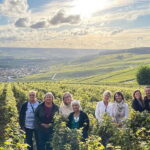
From there, you head out by air-conditioned minivan for the Champagne vineyard drive. This isn’t just scenic commuting. You get a moment to look over the UNESCO Champagne vine area and learn how “terroir” matters here: chalky soils, hillside exposures, and the way vines behave in this specific corner of France. If you’ve ever wondered why Champagne tastes like Champagne even when the brands differ, this early framing makes the later tastings click.
Also, the drive helps you settle in. By the time you’re walking around Hautvillers and down cellar corridors, you’ll already understand what you’re looking at—not just where you are.
You can also read our reviews of more wine tours in Reims
Hautvillers: Dom Pérignon’s Church and the Champagne Birthplace

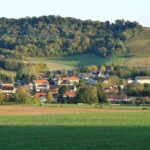
Next up is Hautvillers, with about 45 minutes to explore. This is one of those places where Champagne stops being abstract. You’re in the village tied to the birth story of the style, not just the marketing story.
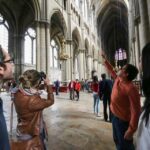
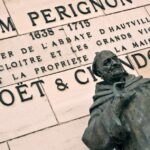
A standout moment is entering the church where Dom Pérignon is buried. Even if you don’t care about monk biographies in general, you’ll feel the significance once you’re inside. It puts a face on the historical narrative and helps you understand why Champagne has always been tied to local identity, not just global branding.
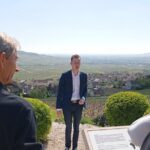
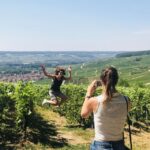
You’ll also appreciate the hillsides around the village. The views are good, but the more practical value is that you start learning to connect the ground—slopes, vines, and distance from chalk—to what ends up in the glass. That connection is what turns tastings from “which one do I like” into “why does this taste different.”
The Family-Run Winery: How Champagne Is Made (and Why It Tastes Better)

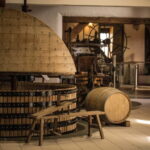
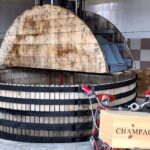
The biggest technical stop is the first family-run winery visit, where you’ll see the traditional flow of production: traditional press, tank room, and cellar. This is exactly the kind of stop that helps you taste with your brain switched on.
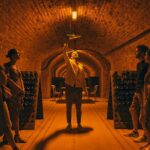
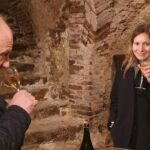
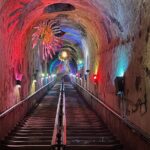
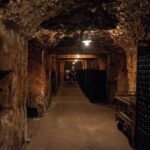
You’ll walk through the cellar corridors where bottles slowly mature, and you’ll feel how production is built around patience. Temperatures run cold underground—around 10°C on average—so bring a jacket. This isn’t a “nice to have.” It’s the difference between enjoying the walk and counting minutes until you warm up.
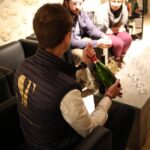
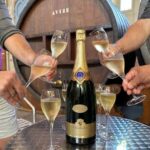
Then comes the part most people really care about: tastings. You’ll enjoy several tastings of the winery’s best-seller cuvées. The tour structure is designed to show you value, too—how different bottlings relate to one another and which ones are worth your money if you’re trying to take home a few bottles that actually fit your taste.
One practical note: cellars and tastings compress your senses. Give yourself a second between samples. Sip, pause, and then decide. You’ll get more out of the flight that way.
Lunch at a Champagne Grower: Food, Timing, and Not Overdoing It

After the winery walk and tastings, the day breaks into a 2-hour lunch at a family-run winery. This is more than a meal stop—it’s a smart pacing tool.
Lunch helps reset you physically before the Champagne house visit. It also gives your tasting brain something to do other than constantly evaluate acidity and bubbles. If you’ve ever had too many tastings back-to-back, you know how quickly your palate gets tired. Here, lunch becomes the palate’s off-switch.
The tour is built so lunch sits right after the producer experience, which makes sense: you get the “how it’s made” story, then you eat, then you shift gears to the bigger house. If you’d rather focus on quality and stories instead of shopping and sightseeing, this placement keeps the day coherent.
For drinks: lunch and tastings are included, but other drinks aren’t. If you want soda or water options, plan to rely on what the winery provides at the table.
Maison Mumm in Reims Cellars: A Big House View Without Losing the Plot

In the afternoon, you return to Reims and visit Maison Mumm in the Reims cellars. If Mumm isn’t available for your date, it can be replaced by a similar champagne house, so you still get the same “big house” angle.
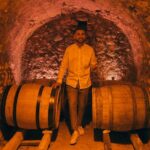
This part is where the tour does something clever: you see the process and taste an emblematic cuvée. You’re not just touring for prestige; you’re comparing scale. A family winery tends to emphasize hands-on production and a clearer sense of land. A large house emphasizes consistency, branding, and the systems that make repeatable quality possible.
You’ll also get a final tasting session (about 1.5 hours). That’s enough time to pay attention to differences, but not so much that you’re stuck in the “one more glass” trap.
One reality check: the day is long, and the schedule can feel brisk at the end. If you’re the type who likes to linger, plan to focus on the tasting and process information rather than trying to do extra sightseeing at the last stop.
A few more Reims tours and experiences worth a look


The Small-Group Advantage: Guides Who Connect the Dots

This is a small-group tour (maximum 8 people), which matters more than it sounds. In Champagne, details make the difference: small production choices, vineyard influences, and even how producers explain their decisions.
The experience is led by a local English-speaking guide, and the guides seem to bring more than facts. Names from past tours include Perrine, Martin, Julie, Suzanne, Etienne, and Oli. While each guide’s style differs, what’s consistent is how they connect places and techniques—so you don’t just walk through cellars, you understand what you’re seeing.
You’ll also have the advantage of smaller group pacing. When questions come up—how chalk affects the wine, why certain cuvées are structured differently—there’s space to ask.
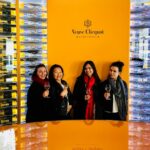
And yes, the day includes plenty of photo-worthy stops. Guides often help you capture the landscape and the group in the right light because the schedule actually gives you time where it counts.
Timing, Transport, and What to Pack for One Long, Cool Day

You’re out for about 8 hours, with pickup at 9:20 am and drop-off around 5:30 pm back in Reims. Transport is by air-conditioned minivan, which is useful in both directions—especially when your day includes cold cellars and outdoor vineyard viewing.
What to pack is simple:
- A jacket for the cellar (average around 10°C)
- Comfortable walking shoes for winery floors and cellar corridors
- Sun protection if the vineyard drive is clear, plus a hat if you like shade
- A plan for water: tastings stack up fast
Also note two “don’t get surprised” rules:
- Children under 4 aren’t suitable
- Animals aren’t allowed on shared tours for passenger comfort
If you’re arriving on your own, this route works best if you’re already in the Reims area. Hotel pickup isn’t included, and Paris pickup/drop-off isn’t available (the recommendation is to take the train instead).
Price and Value: Is $294 Worth It?

At $294 per person, this isn’t a bargain Champagne crawl. But it can still be good value if you compare what’s included: two winery experiences (including entrance fees), 7 tastings, lunch, entrance fees for Maison Mumm, guided interpretation, and transport in a small group.
Where the price starts to make sense is in the “you can’t easily DIY this” parts:
- coordinated access to cellars and tastings
- structured explanation of terroir and production
- skipping the ticket line at the Champagne house
- minimizing time spent figuring out logistics between stops
It’s also a smart buy if you want to bring home bottles. The tasting format is built to help you identify what’s worth your money, not just what’s famous.
If you’re the type who wants to drink a ton and never pay attention to the production side, the value may feel less clear. But if you like learning while tasting, the $294 is closer to a ticket to a well-run education than a simple drinking tour.
Who This Tour Is For (and Who Might Want Something Different)

I’d book this day trip if:
- you want both vineyard context and winery technique
- you enjoy tastings but prefer them guided and paced
- you want a small group day with time to ask questions
- you care about taking home a few bottles based on value, not just hype
You might skip it if:
- you hate schedule compression (it’s a full day)
- you’re traveling with very young kids
- you’re extremely sensitive to cold and don’t want to bring a jacket
For couples, solo travelers, and small groups, it hits a sweet spot: big enough to include major highlights, small enough to feel personal.
Should You Book This Champagne House and Winery Day?
If your main goal is to understand Champagne—where it grows, how it’s made, and how different producers interpret the same region—this is a strong match. You get a clean progression: vineyards → Hautvillers context → family production and cellar tastings → lunch that resets your palate → a Maison visit in Reims.
Book it if you’re ready for a full, structured day and you’ll pack a jacket. Skip or consider another option if you want lots of free time or you’d rather spend your afternoon exploring at your own speed.
If you can’t decide, the decision rule is simple: do you want the story behind the bubbles, or just the bubbles? This tour is for the story lovers.