REVIEW · PARIS
Paris : Wine tasting at the cellar of Joël Robuchon
Book on GetYourGuide →Operated by La Cave de Joël Robuchon · Bookable on GetYourGuide
Cellar wine tasting beats typical Paris sightseeing. In Joël Robuchon’s cellar, you get an intimate tasting room setup and a guided progression of four wines, each paired with food, that makes the differences easy to spot.
At $100 per person for 90 minutes, it’s not a long, roam-and-sample-everything affair. Also, tasting all bottles in the cellar isn’t included.
In This Review
- Key things to know
- Why Joël Robuchon’s cellar is a smart break from Paris crowds
- The 90-minute flow: two whites, two reds, and pairings that make sense
- Light, delicate whites to start: finesse and what to look for
- Opulent, fleshy whites: noticing the shift in weight and texture
- Red number one: light, fruity, and fine
- Red number two: suave, with body and structure
- The hosts and sommeliers: why the personality matters
- Food pairings and dietary needs: getting the full point of the flight
- The take-home bottle option: a value move that feels practical
- Price and pacing: is $100 per person worth it?
- Who this wine tasting is best for
- Quick “before you go” tips that help
- Should you book this wine tasting?
- FAQ
- How long is the wine tasting?
- Where does the experience start?
- What’s the price per person?
- What wines are included?
- Are food pairings included?
- What is the tasting order?
- Are dietary needs handled during the tasting?
- Is this activity private?
- Is it suitable for children?
- What languages are offered?
Key things to know

- An intimate back-shop tasting room where the flight feels personal, not like a factory line.
- Four wines, split by style: two whites then two reds, so you compare like with like.
- Food pairings for each pour that help you notice how the wine changes with what’s on your plate.
- Sommeliers present the wines and the dishes in a clear, step-by-step way.
- You can finish or take bottles home after the tasting, which adds real value.
Why Joël Robuchon’s cellar is a smart break from Paris crowds

Paris can be loud. It can also be very on-the-go. This tasting gives you the opposite: a quiet cellar experience built around attention and calm comparisons.
You start by arriving at Joël Robuchon’s cellar, then you settle into the tasting space in the back shop. It’s designed so you’re not fighting for seats or trying to hear over a group shuffle. Instead, you’re there to focus on what’s in the glass and why the wines taste the way they do.
I also like the fact that this isn’t just a sip-and-go event. The structure is simple. Two whites. Two reds. Then food with each step so you can actually understand the differences.
You can also read our reviews of more food & drink experiences in Paris



The 90-minute flow: two whites, two reds, and pairings that make sense

Plan on 90 minutes total, and go in hungry-but-not-massively. The experience is built as a guided progression, with staff presenting both the wines and the foods you’ll taste.
Here’s the order you can expect:
- First, a light and delicate white wine
- Second, another white wine that’s more opulent and fleshy
- Third, a light red wine that’s fruity and fine
- Fourth, a second red wine that’s suave, with more body and structure
Each stage is meant to show contrast. You taste one style, learn what to look for, then move to a different style. That’s how wine tastings stop feeling random.
Light, delicate whites to start: finesse and what to look for

The tasting opens with a light, delicate white wine. This first pour is a “set your baseline” moment. It’s often the kind of wine that teaches you the basics fast: balance, freshness, and subtle flavor cues.
In a cellar setting, that starting choice works well. You’re calm. Your palate hasn’t been pushed yet. So when the second white arrives, you’ll actually taste the change instead of wondering what hit you.
This first step also helps if you’re new to wine. You don’t have to be a specialist to enjoy it. The staff presentation is there to guide you through what’s happening in the glass, while the food keeps things interesting.
Opulent, fleshy whites: noticing the shift in weight and texture
Next comes a second white wine, more opulent and fleshy. Think of it as the “now we add weight” stage. If the first white is about finesse, this one is more about presence—how the wine feels on your palate and how the flavors broaden.
That contrast is the whole point. You taste the lighter style first, then you get a fuller one. Your brain does the comparison automatically, which makes the learning stick.
Food pairings matter here. Wine can taste one way alone and another way with something on your plate. The pairing nudges your attention toward aroma, mouthfeel, and the way the wine finishes.
Red number one: light, fruity, and fine

Then you move into reds with a light red wine described as fruity and fine. This is not a heavy start. It’s a transition that keeps the tasting moving without jumping straight to a bold, structured style.
You’ll likely appreciate this if you prefer reds that don’t feel heavy or overly tannic. A light red can be charming and easy, especially when the staff keeps talking you through what you’re experiencing and why it fits with the dish.
Also, the timing helps. After two whites, your palate is warmed up to flavor differences, so the first red feels like a new chapter, not a shock.
You can also read our reviews of more wine tours in Paris



Red number two: suave, with body and structure
The final wine is a red that’s suave, with more body and structure. This is where you get the more serious backbone of the flight. If you’ve been paying attention during the earlier stages, you’ll understand the shift as it happens rather than just tasting “something stronger.”
This last pour is a great place to slow down. Take a moment to notice structure—how the wine holds up, how long it lingers, and how it pairs with the food bite you choose right after the sip.
It’s also an ideal ending if you’re the type who likes a clear takeaway. After four wines, your palate has a framework. You know what you liked and why, and you can speak about it without sounding like you memorized a wine dictionary.
The hosts and sommeliers: why the personality matters
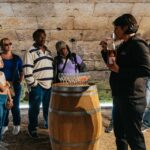
This kind of tasting lives or dies by the people leading it. The experience is designed so sommeliers present the wines and foods, rather than leaving you with a menu and a guess.
In the feedback you can see a pattern: the hosts bring fun energy and hospitality. Names like Igor and Jose show up in comments tied to warmth and know-how. Even if you don’t recognize the name of the host before you arrive, the team’s delivery seems to land as friendly and welcoming, not stiff.
You’ll feel this most during the comparisons. When the guide frames what to notice—light versus opulent, fine versus structured—the flight becomes a lesson you’ll actually remember.
Food pairings and dietary needs: getting the full point of the flight

The experience includes varied dishes along the way. That matters because wine tasting isn’t only about the liquid. It’s about what happens when wine meets food.
The event also notes that dietary options related to the wines are offered during the tasting. Translation: you should expect some attention to what you can eat alongside what’s in your glass, so you aren’t stuck eating something that ruins the pairing—or skipping entirely.
If you have a dietary restriction, tell the team clearly when you arrive. This is especially important because the tasting is paced. You don’t want to be waiting mid-flight while someone scrambles for an alternative.
The take-home bottle option: a value move that feels practical
After the tasting, you can finish the bottles in the tasting room or take them with you. That’s one of the smartest parts of the experience, because it changes the whole math.
Instead of thinking only about the tasting fee, you can treat it like a guided tasting plus a small personal wine stash. If you’re the type who likes to bring home something you actually understand—rather than a random bottle—this format helps.
It also makes the evening plan easier. You can enjoy the tasting now, then continue the experience later without needing to hunt down a bottle that matches what you liked.
Price and pacing: is $100 per person worth it?
At $100 per person for 90 minutes, the value comes from three places that fit together:
- You get a guided progression through four wine styles (not just one or two).
- You get food pairings throughout, which makes the tasting more meaningful.
- You leave with bottles you can finish or take home.
If you’re looking for a casual glass with no instruction, you might feel it’s pricey. But if you want an organized tasting where someone helps you hear the differences between styles—light and delicate versus more opulent, fruity and fine versus structured—then the price makes more sense.
Also, the pacing keeps it from dragging. Ninety minutes is enough time to taste, learn the focus points, and still feel like you can move on with your day.
Who this wine tasting is best for
This works best if:
- You want a calm, focused activity in Paris that isn’t a “line up and queue” ordeal.
- You like structure. The two whites then two reds setup makes comparisons easy.
- You enjoy food pairings and want the tasting to teach you something real, not just provide drinks.
It’s also a nice pick if you’re celebrating something quietly. Private group format means you can keep it intimate, and the tasting room style feels more like a hosted evening than a public event.
Quick “before you go” tips that help
- If you’re a wine novice, don’t try to memorize labels. Focus on the described differences: finesse vs. opulence, fruity vs. structured.
- If you have dietary needs, speak up early. The tasting is paced, and the best pairings depend on matching what’s on your plate.
- Wear something comfortable. You’ll be sitting and tasting in an intimate room, so you want to feel relaxed.
Should you book this wine tasting?
If you want an easy-to-follow wine experience with clear comparisons, I’d book it. The four-pour structure, paired dishes, and intimate setting are built for people who want to learn without turning it into a test. The option to finish or take bottles home also makes the price feel less abstract.
Skip it only if you’re expecting a long cellar roam or an all-bottles tasting. This is a curated flight, not a warehouse sampling session. For a focused 90 minutes, though, it’s exactly the kind of Paris activity that feels both elevated and practical.
FAQ
How long is the wine tasting?
The tasting lasts 90 minutes.
Where does the experience start?
You meet at Joël Robuchon’s cellar.
What’s the price per person?
The price is listed as $100 per person.
What wines are included?
The experience includes white wines and red wines.
Are food pairings included?
Yes. Varied dishes are included throughout the tasting.
What is the tasting order?
The tasting starts with a light, delicate white, then a more opulent white. After that you taste a light fruity red, followed by a suave red with more body and structure.
Are dietary needs handled during the tasting?
Yes. Diets granted to wines will be offered throughout the tasting so the experience is complete.
Is this activity private?
Yes. It’s described as a private group.
Is it suitable for children?
It’s not suitable for children under 18.
What languages are offered?
Instructors speak French and English.