REVIEW · PARIS
Paris TV Show Tour in a Open Top Vintage French Car Citroen DS
Book on Viator →Operated by Classic 60's Paris Tours · Bookable on Viator
Paris looks better when you’re gliding through it in style. This private tour uses a heated, open-top 1960s-style Citroën DS to cover a lot of ground while your guide Benajmin shares local context and photo stops, including Emily in Paris locations. You also get hotel-area pickup and drop-off, so you spend less time wrangling transit and more time sightseeing.
What I love: the classic car comfort. Even in an open-top design, the seats have heating and generous legroom, which makes the ride feel less like a gimmick and more like a real way to tour. Second, I like how Benjamin blends city facts with show details, and he’s flexible about what you want to emphasize.
One thing to consider: this experience requires good weather. Since it’s open-top, rain can make the day less pleasant, and the operator may reschedule or refund if weather is poor.
In This Review
- Key things you’ll notice fast
- Why the Citroën DS tour feels like a real Paris day
- Private guide Benjamin: the difference between seeing and understanding
- Price and value: what you’re paying for
- Pickup and route planning that actually helps
- Latin Quarter to Saint-Germain: Paris ideas, cafés, and views
- Panthéon and Place de l’Estrapade
- Café de Flore and Les Deux Magots
- Jardin du Luxembourg
- Le Champo cinema and street music near banking-adjacent streets
- Île de la Cité and the romantic core: Notre-Dame and bridges
- Île-Saint-Louis and Berthillon ice cream
- Notre-Dame and Pont Neuf
- Ponts and lovers’ spot
- Palais Royal through Opéra: elegance without the crowds
- Jardin du Palais Royal and Colonnes de Buren
- Place de Valois, Galerie Vivienne, and Place Vendôme
- Opéra Garnier
- Montmartre in fast mode: steps, studios, and Sacré-Cœur views
- Montmartre stairs, Place du Tertre, and Rue de l’Abreuvoir
- Sacré-Cœur Basilica
- Rue Lepic to Moulin Rouge and La Maison Rose
- Le Mur des Je t’aime
- Arc de Triomphe to Eiffel: the power corridor of Paris
- Arc de Triomphe
- Rue de l’Université, École Militaire, and Eiffel Tower area
- Élysée Palace and Les Invalides
- Pont Alexandre III and Champs-Élysées
- Grand Palais, Concorde, and the Seine rhythm
- La Madeleine, Grand Palais, and Petit Palais
- Pont de la Concorde, Luxor Obelisk, and Place de la Concorde
- Drift along the Seine and Tuileries Gardens
- Louvre and Musée d’Orsay areas: art zones without museum marathons
- How long the day really feels (and how to prepare)
- Who should book this Citroën DS Paris TV Show Tour
- Should you book it?
- FAQ
- FAQ
- How long is the tour?
- What’s the price, and how many people can be in your group?
- Is the tour private?
- Do they offer hotel pickup and drop-off?
- Is the tour offered in English?
- What if the weather is bad?
Key things you’ll notice fast

- Heated open-top Citroën DS comfort: vintage vibe, modern comfort.
- Private tour with Benjamin: personal pace, personal questions.
- Hotel-area pickup and drop-off: minimizes time spent commuting.
- Photo-friendly stops across Paris: you’ll have time for views and quick shots.
- Emily in Paris locations plus real landmarks: pop culture and core sights together.
Why the Citroën DS tour feels like a real Paris day

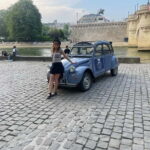
You don’t just see Paris; you watch Paris slide past at street level. The open-top vintage Citroën DS is the star here, but the practical part matters too: the car has heating and comfortable seats with plenty of legroom. That combo is what keeps the tour from feeling like a chilly photo bus ride.
And yes, the car draws attention. Multiple groups talk about people stopping to look, take pictures, and treat them like something special for the afternoon. If you like sightseeing that has a fun “whoa, this is so Paris” factor, this is built for that.
Most of the route is designed for short stops. That’s a smart choice for 3 to 4 hours, because Paris is too big to see at one slow walking pace without sacrificing the breadth of sights.
A few more Paris tours and experiences worth a look



Private guide Benjamin: the difference between seeing and understanding

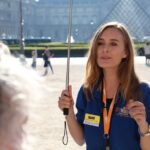
This tour is private, so you’re not stuck listening to a group chat instead of your own guide. Benjamin’s role is simple: he drives, he talks, and he adjusts to your interests. People highlight his city knowledge, his friendly approach, and the way he keeps things engaging without turning it into a lecture.
A recurring detail in the feedback is how photo moments are handled. You’re given time to take pictures, and Benjamin is described as someone who knows the good angles and stops so you can get memorable shots without sprinting across busy streets.
There’s also a show connection for Emily in Paris fans, but the better value is that the tour doesn’t rely on show references alone. Even if you’ve never binge-watched it, you still get the classic Paris landmarks and the “why this place matters” explanations.
Price and value: what you’re paying for
At about $540.95 per group (up to 4), this isn’t the cheapest way to tour Paris. But it’s priced for convenience and personalization.
Here’s the value equation as I see it:
- You’re paying for private guiding plus private transportation in a vintage French car, not a shared bus.
- You’re paying for central pickup and drop-off (within the allowed areas), which can be a big savings in time and hassle—especially if your hotel is far from major transit hubs.
- You’re paying for a format that covers more territory than a walking-focused day, with a comfort-first ride.
If you’re a couple or small family (up to 4), the per-person cost can feel more reasonable. If you’re traveling solo and expecting a low-cost option, this will likely feel steep compared with self-guided routes.
Pickup and route planning that actually helps

The tour offers pickup and drop-off at centrally located hotels, but there are exclusions by arrondissement. Pickup is not offered in the 3rd, 4th, 10th, 11th, 12th, 19th, and 20th arrondissements, and drop-offs are also limited around certain areas including Le Marais, Bastille, République, and Gare du Nord.
If you’re not in a listed hotel area, you may need to coordinate with the supplier after booking, or you can use a meeting point. Two meeting points mentioned are:
- Front of Hôtel Crillon at 10 place de la Concorde (75008)
- Front of the Panthéon at Place du Panthéon (75005)
They also suggest the best schedules fall between 10:00 and 16:00 to avoid traffic slowdowns. That’s practical advice—Paris traffic can turn a “three-hour” plan into a “why are we still in the same place” story.
Latin Quarter to Saint-Germain: Paris ideas, cafés, and views

The tour starts in the Latin Quarter area, where the city feels student-young, historic, and lively in a way that’s hard to fake from a map. You’ll pass landmarks that anchor the neighborhood’s reputation for learning, debate, and late-night conversation.





Panthéon and Place de l’Estrapade
You’ll stop for orientation around the Panthéon, the grand neoclassical monument honoring France’s major minds and heroes. It’s an easy “Paris wow” stop because it’s striking even when you only have a few minutes.
Then you get Place de l’Estrapade, a quieter square near the Panthéon. This is the kind of stop that helps you feel the difference between major monuments and the calmer side streets that visitors often miss.
If you like photography, these short stops are useful: you can grab wide angles and street-level details without committing to a long walk.
Café de Flore and Les Deux Magots
Next comes the café stop area in Saint-Germain-des-Prés: Café de Flore and Les Deux Magots. These names matter because they’re tied to writers, artists, and intellectuals who made the neighborhood part of Paris’s cultural engine.
The downside? A café stop on a tour like this is typically time-limited. If you want a long sit-down experience, plan to return later on your own.
Jardin du Luxembourg
You’ll also spend time at the Jardin du Luxembourg, a classic Paris garden with fountains and shaded paths. It’s a great reset when you’ve been in streets and want a calmer scene where you can actually breathe and people-watch.
Le Champo cinema and street music near banking-adjacent streets
You’ll pass by Le Champo cinema, which holds a special place for Paris film lovers. There’s also a stop near the Banque de Paris area, described as a common local meeting point where street singers and bands show up.
These are the moments that make the tour feel lived-in instead of just scenic.
Île de la Cité and the romantic core: Notre-Dame and bridges

From here, the tour moves toward Île de la Cité, the historic heart of Paris where major landmarks sit tightly packed around the Seine. You’ll have a close-up sense of how the river shapes the city.
Île-Saint-Louis and Berthillon ice cream
One of the more enjoyable stops is on Île-Saint-Louis, tied to a traditional restaurant known for Berthillon ice cream. Even if you don’t buy anything, this stop signals a very Paris ritual: pick a sweet, sit with it, and let the city keep going.
Notre-Dame and Pont Neuf
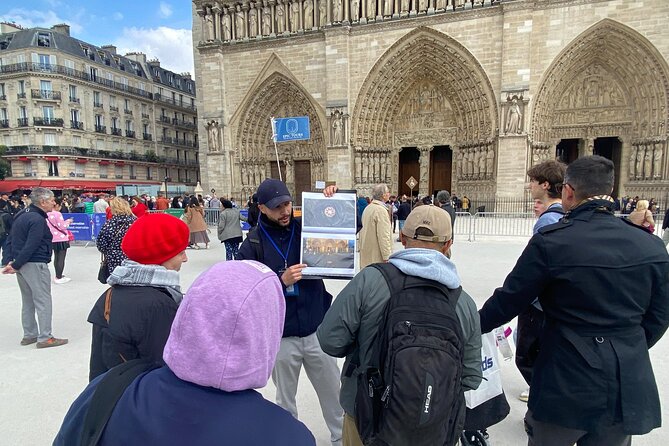
You’ll stop at Cathedrale Notre-Dame de Paris for a short, exterior-style look at the Gothic silhouette and major presence in the center of the island. Another classic is Pont Neuf, one of the oldest bridges linking to Île de la Cité, with the kind of viewpoints that naturally pull you toward river photos.
A quick tip: for the best shots, try to position yourself early and keep your phone camera ready. These stops are short, and the best angles can go fast when other groups arrive.
Ponts and lovers’ spot
The itinerary also includes an “emblematic place for all lovers” in Paris. The important thing for you is the function: it’s a romantic photo moment placed where Paris already looks good. If you’re traveling with a partner, this is one of the easiest “we’ll remember this day” segments.
Palais Royal through Opéra: elegance without the crowds

As the tour shifts toward the central boulevards, the vibe changes from historic island core to polished, architectural Paris.
Jardin du Palais Royal and Colonnes de Buren
At Jardin du Palais Royal, you’ll see elegant gardens and arcades. The standout detail is the famous striped Colonnes de Buren, which makes a strong background for both portraits and casual snapshots.
Place de Valois, Galerie Vivienne, and Place Vendôme
You also stop near:
- Place de Valois, a calmer square close to cultural spots
- Galerie Vivienne, a covered passage with 19th-century style and glass-roof light
- Place Vendôme, where luxury shops and the Vendôme Column dominate the view
This is where the tour gives you variety in a short time: you get classical monuments, then you get “Paris under glass,” then you get that prestige boulevard energy.
Opéra Garnier
Finally in this central stretch is Opéra Garnier, an ornate landmark with artistic heritage. It’s a good stop even if you’re not going inside, because the building itself is the show.
Montmartre in fast mode: steps, studios, and Sacré-Cœur views

Montmartre is one of those neighborhoods that rewards even short visits. The tour hits the hill with several stops that create a “walkable story” even if you’re mostly traveling by car.
Montmartre stairs, Place du Tertre, and Rue de l’Abreuvoir
You’ll pass the Montmartre stairs for the classic climb through narrow streets with postcard views. Then you reach Place du Tertre, where painters show their work and the square feels like a little world of its own.
Rue de l’Abreuvoir is described as one of Montmartre’s picturesque streets with old houses and a village feel. These are the streets that make you understand why Montmartre became a magnet for artists.
Sacré-Cœur Basilica
You’ll stop at Basilique du Sacré-Cœur de Montmartre, whose white domes are easy to spot across the city. Even with limited time, it’s a place where you get a “big Paris from above” moment.
Rue Lepic to Moulin Rouge and La Maison Rose
Next is Rue Lepic, a charming cobblestone street tied to history, art, and cinema. Then the tour goes to Moulin Rouge, with its world-famous cabaret identity and red windmill façade.
Another stop is La Maison Rose, a pink-painted bistro area with a vintage feel and a connection to artists. If you like mixing entertainment icons with authentic-feeling street corners, this sequence works well.
Le Mur des Je t’aime
Then comes Le Mur des Je t’aime, the Wall of I Love You with Je t’aime written in more than 300 languages. It’s a quick stop, but it’s one of those Paris moments that never feels boring because the concept is so visually friendly.
One practical note: since Montmartre is photographed constantly, you’ll get better results if you arrive ready—position yourself, shoot, and move on before you feel rushed.
Arc de Triomphe to Eiffel: the power corridor of Paris
After Montmartre, the tour swings into the bigger, ceremonial Paris—triumphal arches, monumental avenues, and wide river-and-bridge views.
Arc de Triomphe
You’ll stop at Arc de Triomphe, with its major honor to France’s heroes. Even in a quick visit, it’s hard not to feel the scale. The best part of a car tour here is that you get context from multiple angles instead of one viewpoint.
Rue de l’Université, École Militaire, and Eiffel Tower area
The tour includes:
- Rue de l’Université for a picturesque street experience near the Eiffel Tower zone
- École Militaire, an 18th-century landmark tied to French military heritage
- Eiffel Tower, Paris’s most recognizable symbol
This segment is ideal for first-timers. You see the monuments, but you also learn how they relate to each other geographically.
Élysée Palace and Les Invalides
You’ll also pass the Élysée Palace, plus Les Invalides with its golden dome and the tomb area associated with Napoleon Bonaparte.
Even without going inside, these stops explain why the city’s power layout matters. Paris isn’t random. It’s organized by history, and this route shows it.
Pont Alexandre III and Champs-Élysées
Then comes Pont Alexandre III, one of the most opulent bridges, followed by time near the Champs-Élysées, the iconic avenue of luxury, history, and evening lights.
This is also where your expectations should be grounded: a car tour gives you quick impressions. If you want long shopping time or extended restaurant breaks, you’ll do that later.
Grand Palais, Concorde, and the Seine rhythm
The tour continues through central landmarks that act like chapters in a Paris travel book.
La Madeleine, Grand Palais, and Petit Palais
You’ll stop by La Madeleine for its grand neoclassical façade, plus the Grand Palais with its glass-domed presence. There’s also Petit Palais, framed as a quieter museum setting with elegant architecture.
These stops are valuable because they give you variety in architectural style—important when you’re trying to understand why Paris “looks the way it does.”
Pont de la Concorde, Luxor Obelisk, and Place de la Concorde
Next is Pont de la Concorde, plus Place de la Concorde and the Luxor Obelisk. This area is strong for orientation: it shows how the city’s biggest monuments line up with the river corridor.
Drift along the Seine and Tuileries Gardens
You’ll have time for views along the Seine and for the Tuileries Gardens, the green link between the main monuments near Louvre-side areas.
If you’re mentally saving energy for the next stop, this is a good place to do it. Gardens and river air help you reset before you get art-museum iconic zone energy again.
Louvre and Musée d’Orsay areas: art zones without museum marathons
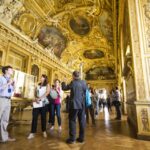
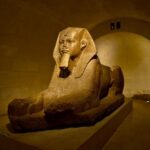
The tour includes a stop by Pyramide du Louvre for views around the Louvre’s glass pyramid. It also covers the Place de la Concorde and then heads toward the Tuileries Gardens before including Musée d’Orsay in the route.
Important expectation for you: the listed stops are described as admission free for the time on the tour. That usually means you’re meant to take in the area and photos rather than spend hours inside a major museum.
This structure is smart. In 3 to 4 hours, you want the “you’re in the right place” payoff, not a full museum day.
How long the day really feels (and how to prepare)
You’re looking at 3 to 4 hours total. That’s long enough to cover a lot of Paris, but short enough that most stops are quick photo-and-context moments.
Your best preparation:
- Wear layers. Even with heating in the car, outside temps can change fast.
- Have your phone charged and a photo plan ready.
- If you care most about Emily in Paris locations, tell Benjamin early so he can prioritize the most relevant stops.
One fun detail from real feedback: some people describe the guide like a Ryan Gosling doppelgänger, and that kind of personality makes the ride feel relaxed, not stiff.
Also, one group reported they spotted Pierre Gadot during the tour and even had a chance to speak with him. That story isn’t something you should plan around, but it does reflect how much attention this format attracts while you’re out and about.
Who should book this Citroën DS Paris TV Show Tour
This tour fits best if you want:
- A private experience with a guide who talks and adjusts to you
- A comfort-focused way to cover lots of Paris in limited time
- A mix of Emily in Paris locations plus classic landmarks that don’t require you to pick a single neighborhood
- Photo stops where you don’t feel like you’re doing the tour at sprint speed
If you want to spend most of your time inside major museums or you want long food breaks at cafés, this may not match your style. This tour is designed for movement, views, and story.
Should you book it?
I’d book it if your priority is a fun, efficient, and stylish first look at Paris—with the bonus of show locations and a guide-led route. The heated Citroën DS, the private pace, and the central pickup/drop-off combine into real time savings, which is where the value often lands.
I’d skip or think twice if weather is likely to be rainy, since the experience requires good weather and it’s an open-top format. And if you’re traveling with a child under 10, note that children aren’t allowed due to no seat belt on the back seats.
FAQ
FAQ
How long is the tour?
It runs about 3 to 4 hours.
What’s the price, and how many people can be in your group?
It’s $540.95 per group for up to 4 people.
Is the tour private?
Yes. It’s private, so only your group participates.
Do they offer hotel pickup and drop-off?
Yes, pickup and drop-off are included at centrally located hotels, but not in certain arrondissements. If your hotel isn’t centrally located, you may be asked to choose a meeting point.
Is the tour offered in English?
Yes, it’s offered in English.
What if the weather is bad?
The experience requires good weather. If it’s canceled due to poor weather, you’ll be offered a different date or a full refund.