REVIEW · PARIS
Paris: Side-Car Tour of Paris’s most Beautiful Monuments
Book on GetYourGuide →Operated by Wild Side Tour · Bookable on GetYourGuide
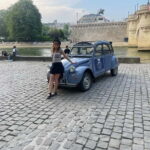
The best thing about this Paris tour is its vintage sidecar. You sit close to the street, feel the city air, and move through the grand center of Paris in a way no sightseeing bus can match. The route takes in the Eiffel Tower, Arc de Triomphe, Champs-Elysées, Invalides, Louvre, and other major sights.
I like the private format for two people and the easy hotel pickup. I also like the chance to stop for photos, with guide Raphael earning special praise for finding good picture spots and sharing sharp details, especially around Notre-Dame. The main drawback is time: the advertised activity details say one hour, so traffic can eat into your sightseeing.
In This Review
- Key details before you book
- Riding through Paris in a vintage sidecar
- Eiffel Tower views and the first photo stops
- Arc de Triomphe and the Champs-Elysées
- Invalides and the central monuments
- The Louvre and Notre-Dame area
- What one hour really means in Paris
- The personal touch of a private guide
- Is $283 good value for two people?
- Comfort, safety, and the sidecar experience
- Who should book this Paris ride?
- Should you book the vintage sidecar tour?
- FAQ
- How long is the Paris sidecar tour?
- How many people can join one booking?
- Where do the two passengers sit?
- Is hotel pickup included?
- Are helmets and gloves provided?
- Which Paris sights are included?
- Is this an indoor museum tour?
- What languages are available?
- Is the tour private?
- Can I cancel for a refund?
Key details before you book

- A vintage sidecar gives you an open-air view: One person rides beside the driver, while the second sits behind the driver.
- The route covers Paris’s biggest names: Expect the Eiffel Tower, Arc de Triomphe, Champs-Elysées, Invalides, Louvre, and other central monuments.
- Raphael may be your guide: He is also a guide at Notre-Dame and has been praised for his stories, friendly manner, and eye for photo stops.
- This is a private experience for up to two people: You do not share the sidecar with a larger group.
- Traffic matters: An early evening departure can turn a one-hour outing into a slow parade through central Paris.
- The price buys a special format, not a full city tour: At $283 per group of two, it makes the most sense for a memorable introduction or celebration.
Riding through Paris in a vintage sidecar

Paris has plenty of ways to see its monuments, but a sidecar changes the feel of the city. You are not sealed behind glass, and you are not walking several miles between sights. Instead, you get a close-up view from a low, open-air seat, with the driver handling Paris traffic and a guide pointing out what matters.
The setup is simple. One passenger sits in the sidecar beside the driver. The second rides behind the driver on the motorcycle. Helmets and gloves are included, and a professional driver operates the vehicle.
That arrangement works best for a couple, parent and adult child, or two friends who do not mind splitting the seating. You should decide in advance who wants the sidecar seat and who prefers the rear seat. The sidecar offers a broad sideways view, while the back position puts you directly behind the driver.
You are booking a private group of up to two, not a large shared tour. That gives you a more personal ride and makes it easier to ask for a photo stop or follow the guide’s commentary. It also helps explain the price. At $283 for the group, this is not a cheap way to cover Paris, but it is a fairly direct price for a private vehicle, driver, guide, equipment, and hotel pickup.
You can also read our reviews of more tours and experiences in Paris.



Eiffel Tower views and the first photo stops

The Eiffel Tower is one of the central sights on the route, and the sidecar is a useful way to approach it without spending the whole hour on foot. You can see the tower as part of a moving tour and pause for pictures when the route allows.
The value here is not a long visit inside the monument. This is an outside sightseeing ride. You will not have time to climb the tower, visit an observation deck, or linger on the surrounding lawns. Think of this stop as a chance to place Paris’s best-known landmark in your trip, take photographs, and keep moving.
The open design helps at the Eiffel Tower. You can look up without a bus roof in the way, and your guide can frame the sight with nearby streets and landmarks. Raphael has been praised for knowing where to position the vehicle for strong photographs, a useful skill when you have only an hour.
If your main goal is a full Eiffel Tower visit, book a separate timed ticket and treat this tour as an overview. If your goal is to see the tower along with several other monuments in one compact ride, the sidecar format works better.
Arc de Triomphe and the Champs-Elysées

From the Eiffel Tower area, the route includes the Arc de Triomphe and the Champs-Elysées. These are two of Paris’s most recognizable city scenes, and they make sense together.
The Arc de Triomphe anchors the broad avenues that radiate across western Paris. From street level, you get a strong sense of the monument’s scale and its place in the city plan. The tour is not presented as an interior visit, so you should expect an exterior look rather than stairs, rooftop views, or a museum stop.
The Champs-Elysées gives the ride a different mood. It is a grand avenue built for movement, lined with shops, restaurants, and major city views. A sidecar lets you watch the avenue from close range instead of viewing it from a distant coach window.
There is one practical catch: this part of Paris can be slow. One early evening ride was badly affected by traffic, with much of the hour spent moving past monuments rather than stopping. I would avoid the busiest traffic period if you have a choice of departure times. Check the available start times carefully before paying.
Invalides and the central monuments

Invalides adds a quieter, more formal monument to the route. Its famous golden dome is easy to recognize, and the complex gives the ride a strong sense of Paris’s military and national past.
You should expect to see Invalides from the outside during this short tour. The one-hour format cannot provide a proper museum visit, and the included stops are designed to show you a broad selection of Paris rather than explore one building in detail.
That tradeoff is the heart of this experience. You get a quick sweep across central Paris, but each sight receives only a short explanation and perhaps a photo stop. I like this approach for a first day, when you want to learn the city’s layout before returning to the places that catch your interest.
A guide can make the difference between a passing monument and a useful introduction. Raphael has been praised for giving informative commentary and for taking riders to places they would not have found on their own. The exact guide is not guaranteed, so you should book this for the format and route rather than assuming Raphael will lead every departure.
The Louvre and Notre-Dame area

The Louvre is another major stop on the ride. From outside, its courtyards, historic facades, and enormous scale give you a quick lesson in how much Paris has packed into its center.
This is not a museum tour. You will not enter the galleries or spend time with the Mona Lisa. The advantage is speed: you can add the Louvre to a route that also includes the Eiffel Tower, Arc de Triomphe, and Invalides without giving up most of your day.
Notre-Dame is not listed among the headline sights in the short summary, but the guide commentary can include it. Raphael also works as a guide at Notre-Dame, and his specific knowledge of the cathedral has been singled out as a highlight. If Notre-Dame is important to you, ask at the start if it will be included in your route and how much time is available.
Again, keep your expectations clear. You are seeing the exterior area and hearing context, not taking a full cathedral visit. For many people, that is enough to mark the location and return later for a longer look.




What one hour really means in Paris

The activity details describe a one-hour tour, while one highlight refers to seeing Paris’s monuments in one hour and 30 minutes. That mismatch is worth clarifying before you book. The practical information gives the duration as one hour, so plan your schedule around that shorter figure unless the provider confirms otherwise.
One hour can work because the route is a drive-by tour with selected photo stops. It cannot work as a full visit to every monument. At each sight, you will probably have time for a quick view, a few facts, and possibly a photograph, not an extended walk or indoor visit.
Traffic is the biggest variable. A clear route can feel fast and full of sights. A slow evening ride can make the hour feel much less productive, especially if this is your first time in Paris and you want to see more than the outside of the landmarks.
I would use this tour as a city orientation. It is especially useful near the beginning of a Paris stay. You can note which areas deserve a second visit, learn the relationship between major sights, and collect photographs without spending a full day walking.
If you have already visited Paris several times, the value depends on your interest in the vehicle itself. The monuments may be familiar, but the sidecar provides a playful change from the usual route. One rider compared it to discovering famous and less familiar spots in a vintage sidecar, which captures the appeal better than a standard sightseeing circuit.
The personal touch of a private guide

The private format is the clearest advantage over a large coach tour. Your guide can speak directly to the two of you, adjust the pace where possible, and help with photographs. You can also ask questions without waiting for a microphone to reach the back of a bus.
Raphael has received the strongest individual praise connected with this experience. He is described as a gentleman with strong knowledge of Paris and Notre-Dame, and as someone who shares interesting facts throughout the ride. He also knows how to use the stops for photographs rather than simply pointing at a monument from the road.
Other details add to the personal feel. One rider received cakes during the outing, though you should not treat that as a guaranteed inclusion because the formal inclusions list only gloves, helmets, the guide, professional driver, and hotel pickup.
The tour is available in English and French. That is useful for international visitors, but you should select the language you want when booking or confirm it before departure.
Is $283 good value for two people?

At $283 per group of two, the cost is high compared with walking around Paris or using public transport. You are paying roughly $141.50 per person when two people share the booking, but the price covers a private sidecar, professional driver, local guide, protective gear, and hotel pickup.
The price makes more sense for a special occasion, a first-day orientation, or someone who values unusual transport. It is also easier to justify if you would otherwise pay for a private guide and separate car. This experience combines the vehicle and commentary in one short outing.
The value drops if you want detailed history at every monument or plenty of time for photographs. A walking tour can spend longer in one neighborhood, and a museum visit gives you much more time with the Louvre or Invalides. The sidecar is selling access to many sights in a memorable format, not depth at each one.
One rider felt the experience was somewhat expensive even while appreciating the driver and the ride. That is a fair way to look at it. I would not call this a budget tour, but the price can feel reasonable if the novelty and private setting matter to you.
Comfort, safety, and the sidecar experience

The professional driver is an important part of the package. Paris traffic can be intense, and one rider specifically appreciated a calm, careful drive despite heavy traffic. That said, the sidecar is still a motorcycle-based ride, and one passenger found the experience uncomfortable enough that a son did not want to join.
This is the main suitability question. You should be comfortable riding in an open vehicle through city traffic. If a passenger is nervous around motorcycles, dislikes the feeling of a side-facing seat, or is unsure about the exposure to traffic and weather, this may not be the right surprise gift.
Helmets and gloves are supplied. The open-air design is a major part of the appeal, but it also means you should consider the day’s conditions when choosing your departure. No weather policy or clothing guidance is provided, so keep your own comfort in mind.
The ride is built for sightseeing, not speed. A careful driver is preferable in central Paris, even if it means moving slowly at crowded times. You want a clear view and safe handling more than a dramatic chase through the city.
Who should book this Paris ride?
I would recommend it most strongly to:
- Two people seeking a private and unusual way to see central Paris
- First-time visitors who want a quick orientation before longer visits
- Couples marking a birthday, anniversary, or other special trip
- Photographers who want help finding good monument views
- Repeat visitors who have already seen the main sights and want a fresh way to pass them
- Anyone who enjoys classic vehicles and open-air sightseeing
I would be more cautious if you have only one hour in Paris and need guaranteed time inside a monument. I would also hesitate if your main interest is detailed history, long walking stops, or a low-cost tour.
Book it early if your schedule is tight, since availability can be limited. Free cancellation is allowed up to 24 hours before the activity for a full refund, and you can reserve now and pay later. Those terms help if your plans are still moving, but they do not solve the traffic issue or guarantee a particular guide.
Should you book the vintage sidecar tour?
Book this tour if you want Paris to feel personal, photogenic, and a little theatrical. The vintage sidecar gets you close to the streets, the private group keeps the experience intimate, and a strong guide such as Raphael can turn a rapid monument circuit into a useful introduction to the city.
Skip it if you want a full visit to the Eiffel Tower, Louvre, Invalides, or Notre-Dame. You will see the major sights from the outside, with limited time at each. I would also avoid an early evening departure if traffic is heavy and every minute matters.
For the right pair, this is a memorable first look at Paris, not a replacement for museums and long walks. The unusual vehicle, photo stops, hotel pickup, and private guide make the high price easier to accept, provided you understand that the advertised duration is one hour and city traffic can shorten the actual sightseeing time.
FAQ
How long is the Paris sidecar tour?
The activity details give the duration as one hour. One promotional highlight refers to one hour and 30 minutes, so confirm the exact duration when checking availability.
How many people can join one booking?
The tour is for a private group of up to two passengers.
Where do the two passengers sit?
One passenger sits in the sidecar beside the driver. The second passenger sits behind the driver on the motorcycle.
Is hotel pickup included?
Yes. Pickup at your hotel is included.
Are helmets and gloves provided?
Yes. Helmets and gloves are included in the activity.
Which Paris sights are included?
The route includes the Eiffel Tower, Arc de Triomphe, Champs-Elysées, Invalides, Louvre, and other Paris monuments. The tour includes drive-by views and photo stops.
Is this an indoor museum tour?
No. This is an outdoor sightseeing ride. It does not include entry to the Louvre, Eiffel Tower, Invalides, or other monuments.
What languages are available?
The live guide is available in English and French.
Is the tour private?
Yes. The booking is for a private group of up to two people.
Can I cancel for a refund?
Yes. You can cancel up to 24 hours in advance for a full refund. You can also reserve now and pay later.