REVIEW · PARIS
Paris: Private Pastry Food Tour of French Sweet and Desserts
Book on GetYourGuide →Operated by Dayin · Bookable on GetYourGuide
Paris has a clever way of turning a snack into a lesson. On this private Left Bank pastry walk, you taste nine French sweets while moving from bakeries and markets to chocolate shops and a grand food hall. You may try éclairs, paris-brest, canelé, and other treats tied to different parts of France.
I like the private format, which lets your guide adjust the pace and, when possible, respond to special requests. I also like the route itself: it links Saint-Germain-des-Prés streets, a historic courtyard, Saint-Sulpice, Beaupassage, and La Grande Épicerie rather than keeping you inside one shop. The main caution is simple: this is not a good fit for vegans, people with food allergies, or anyone who cannot eat lactose.
In This Review
- Key points to know before you book
- A sweet start on Rue Saint-André des Arts
- Cour du Commerce Saint-André and the streets of Saint-Germain
- Thirty minutes at Le Marché Saint-Germain
- Saint-Sulpice brings a pause between pastries
- Chocolate at La Maison du Chocolat Sèvres
- Beaupassage and the final pastry stops
- Finishing at La Grande Épicerie de Paris
- What the private format is really worth
- Guides, language, and the feel of the walk
- Dietary limits and access
- Who will enjoy this pastry walk most
- Should you book this Paris pastry tour?
- FAQ
- How long is the private pastry tour?
- How many tastings are included?
- Where does the tour start and finish?
- What languages are available?
- Is the tour suitable for vegans or people with food allergies?
- Is this a private group experience?
Key points to know before you book
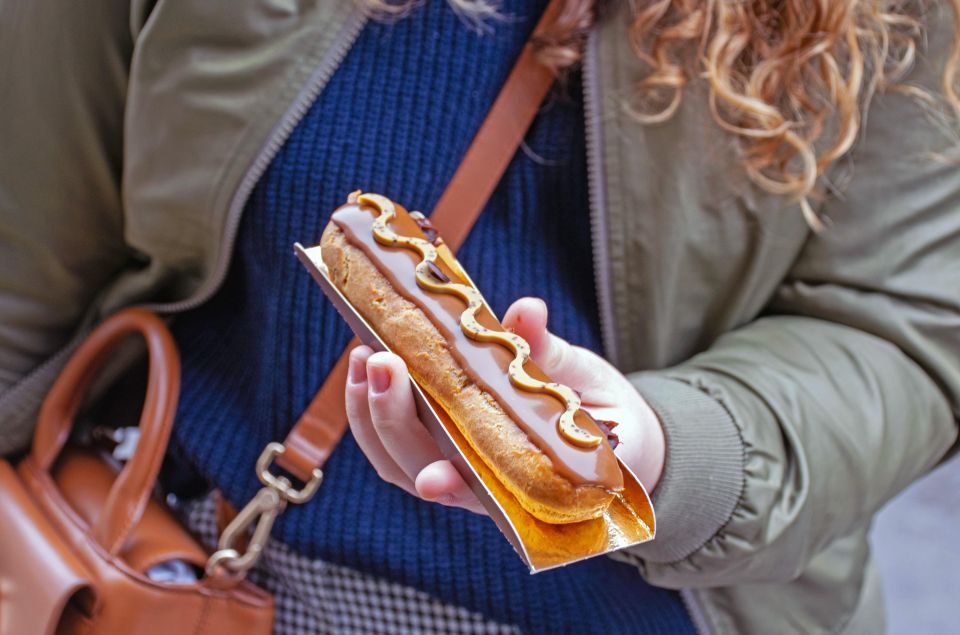
- Nine sweet tastings in 150 minutes: You get a steady sampling of pastries, chocolate, and other French sweets without committing to full portions at every stop.
- A private Left Bank route: The walk begins at 40 Rue Saint-André des Arts and finishes at La Grande Épicerie de Paris.
- A guide who can adapt the experience: Juliette, Benoit, and Clara are named guides associated with the tour, and the private setup allows room for individual requests.
- More than a sugar rush: Your guide explains the regional background, shop stories, and craft behind the pastries.
- Useful local advice: The experience includes city navigation tips and restaurant recommendations.
- Plan for a full dairy and gluten experience: Vegans, people with food allergies, and those with lactose intolerance should choose another activity.
A sweet start on Rue Saint-André des Arts
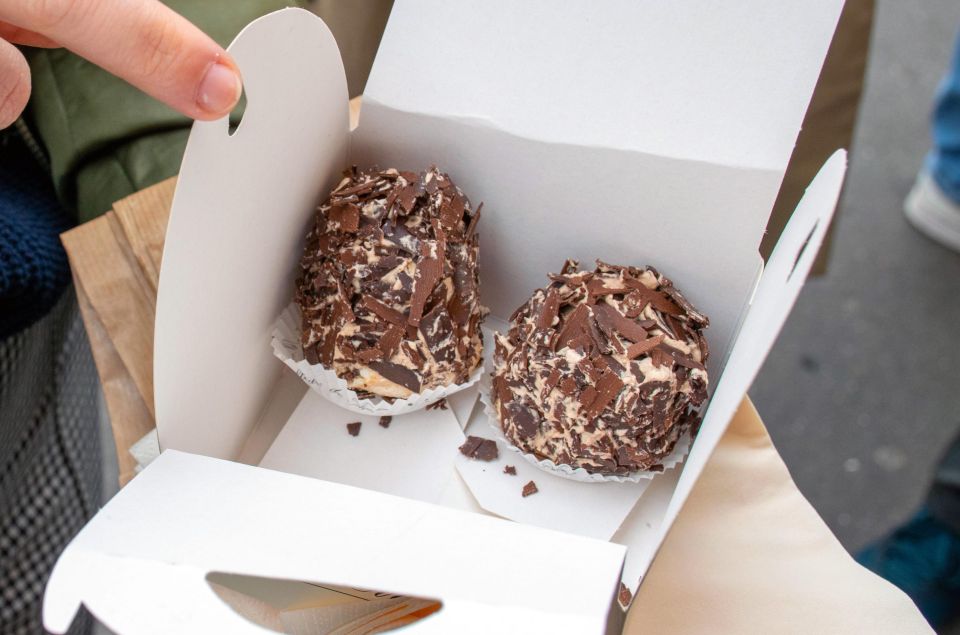
Meet your guide in front of the bakery at 40 Rue Saint-André des Arts. The meeting instruction asks you not to block the entrance or street, so arrive ready to gather nearby without crowding the shop.
This opening location places you in the Saint-Germain area, a natural setting for a food walk. You are not being driven between distant attractions. The route unfolds on foot through a compact section of the Left Bank, with food stops mixed into streets, landmarks, and market visits.
The first tasting takes place at Boulangerie LIBERTÉ and lasts about 10 minutes. A bakery is a useful first stop because it gives you a quick sense of the everyday French bread and pastry tradition before the tour moves toward more specialized sweets.
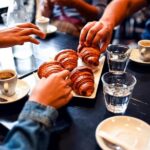
You should expect the food to arrive in tasting portions rather than as a sit-down meal. The exact pastries can vary, but the advertised examples include éclairs, paris-brest, and canelé. If you arrive hungry, that is helpful. If you have just eaten breakfast, the pace may feel generous by the end.
You can also read our reviews of more food & drink experiences in Paris



Cour du Commerce Saint-André and the streets of Saint-Germain
After the first bakery stop, the walk continues to Cour du Commerce Saint-André. You have about 20 minutes here for a photo stop and another tasting.
The courtyard adds a bit of old-Paris atmosphere to what could otherwise be a simple sequence of shop visits. You get time to look around, hear a story, and eat instead of rushing from counter to counter. That balance matters on a private tour, particularly if you want to ask questions or take photographs.
Next comes Rue de Buci, where the guide spends about 10 minutes leading you through the area. This is a short guided segment, but it helps connect the food to the neighborhood. You are seeing how pastry shops, markets, cafés, and specialty food stores fit into a normal Paris walk.
I like this part of the route because it keeps the experience grounded in the city. You are not only sampling famous French names in isolation. You are walking through the Left Bank and learning where these foods are bought and enjoyed.
Thirty minutes at Le Marché Saint-Germain
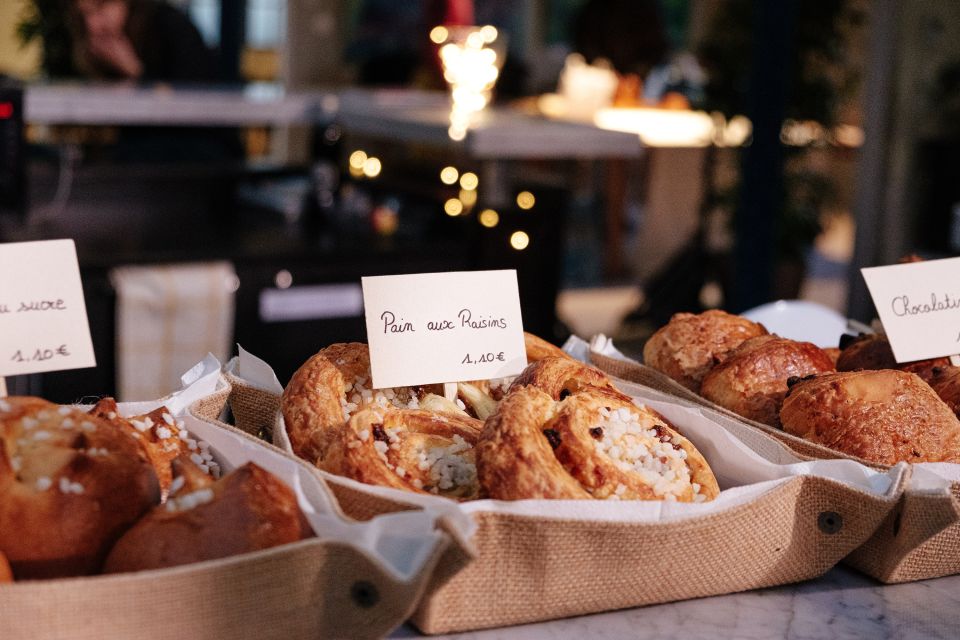
Le Marché Saint-Germain receives the longest single food-focused stop early in the tour, with about 30 minutes for a market visit and tasting. Markets are useful for understanding the range of French food beyond the display case of a patisserie.
The stop may give you a chance to compare different kinds of sweets or see ingredients and prepared foods alongside the pastries. The tour description places emphasis on regional French desserts, so this is one of the better points to listen for explanations about where particular styles come from and why they matter.
A private guide can make a market stop more useful than simply walking through it. You can ask what to buy later, how to recognize a good pastry, or which foods make practical souvenirs. The included city tips and restaurant suggestions also fit naturally here.
One point to keep in mind is that the tour promises nine sweet tastings, not an open-ended market meal. Extra food and drinks cost more. If you see something tempting, you will need to decide if it is worth adding to an already substantial tasting schedule.
Saint-Sulpice brings a pause between pastries
The route reaches the Church of Saint-Sulpice for a 30-minute stop that combines a break, photographs, and another tasting. This is a welcome change of pace. A pastry walk can become tiring when every stop involves standing, choosing, eating, and moving on.
The church gives you a visual landmark and a place to pause while your guide continues the food story. The exact balance between sightseeing and tasting may depend on the group, but the schedule allows enough time here for more than a quick bite.
This stop also shows why the tour is more useful than a list of bakery addresses. You get a small walking tour of the Left Bank, with food used as the thread connecting the places. If your group enjoys architecture and neighborhood details as much as dessert, this part should add value.
The practical issue is the same as with any route that combines food and walking: wear comfortable shoes and leave room in your appetite. The supplied information does not promise a seated restaurant meal, so think of the break as part of the walk rather than a full rest stop.
Chocolate at La Maison du Chocolat Sèvres
La Maison du Chocolat Sèvres is scheduled for about 20 minutes of tasting. This gives the tour a clear change from baked pastries to chocolate.
That change helps keep nine tastings from feeling too repetitive. French sweets are not limited to croissants and cream-filled pastries, and a chocolate stop lets you focus on a different kind of work, texture, and presentation.
The company name suggests a polished chocolate-shop setting, but the important point for you is practical: chocolate is still part of the sweet count. If you are comparing this tour with a broad French food walk, remember that the emphasis here is firmly on desserts and sweet snacks.
A bottle of water is included, which is useful during a tasting-heavy walk. Still, you should not expect extra drinks or additional purchases to be covered. People who prefer savory food may want to supplement the day elsewhere.
A few more Paris tours and experiences worth a look

Beaupassage and the final pastry stops
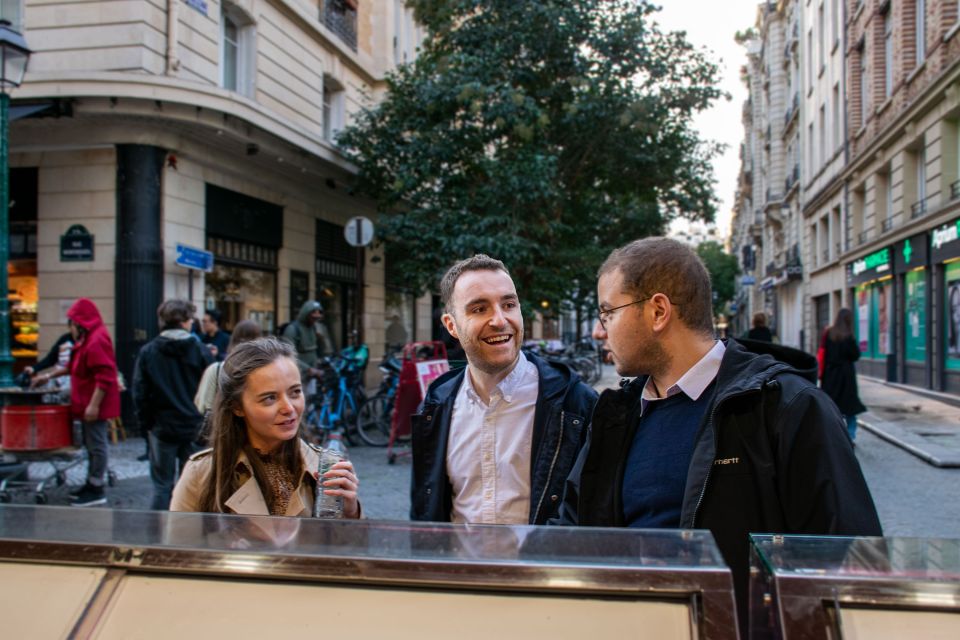
The group then reaches Beaupassage for about 15 minutes of guided touring and photographs. This stop gives you another modern food setting and a chance to see a different side of the neighborhood.
Beaupassage works as a visual interlude between tastings. You are not asked to eat continuously for the full 150 minutes, and these shorter walking and photo segments help break up the sugar. The guide can also use the area to point out dining choices and explain how the district fits into the city’s food scene.
At Philippe Conticini Paris 7ème, you have another 20-minute tasting stop. Philippe Conticini is known for pastry craftsmanship, so this is a useful place to pay attention to texture and construction, not just sweetness. The tour’s focus on artistry makes more sense here: you can consider the balance of pastry, cream, fruit, chocolate, or other elements in each sample.
The experience does not specify the exact item served at every stop. That is normal for a food tour, since shop availability can change. You should book this for the chance to sample a carefully chosen range, rather than for a guaranteed checklist of nine named products.
Finishing at La Grande Épicerie de Paris
The final stop is La Grande Épicerie de Paris, where about 30 minutes are set aside for a visit, shopping, and another tasting. This is a practical ending because you can continue browsing after the guided portion.
A large food store gives you a chance to see packaged sweets, specialty foods, and possible gifts in one place. If something from the tour becomes a favorite, this is a sensible point to look for something to take home. Shopping is optional, and purchases are not included in the tour price.
The tour finishes here rather than returning you to the starting bakery. That matters when planning your day. You can continue shopping, eat nearby, or use the included restaurant recommendations to plan your next meal, but you should not expect hotel pickup or transport back to your accommodation.
What the private format is really worth
The price is $165 per person for 150 minutes. That is a high per-person cost if you judge the activity only by the amount of food. You are not paying for a full lunch or dinner, and extra food and drinks are separate.
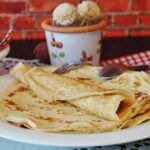
The value improves if you want personal attention. This is a private group, not a large public walk, and the guide can shape the pace around your interests. Deborah’s experience was adjusted to include savory items, with quiche and crêpes added to the plan. That example does not guarantee the same change for every booking, but it shows why it is worth discussing requests before the tour.
The same experience also gave her group enough samples to continue enjoying them over the following days. Again, portions vary, but it suggests that the nine tastings can be more substantial than a series of tiny crumbs.
You are also paying for orientation. The guide provides stories about the shops and food, tips for navigating Paris, and restaurant recommendations. If this is your first time in Paris, those practical suggestions can be worth more than the pastry alone.
The private setup is especially useful for couples, families, or small groups with shared interests. It is less compelling if you simply want the cheapest way to find an éclair. In that case, buying pastries on your own will cost less, though you will miss the route, context, and personal guidance.
Guides, language, and the feel of the walk
The tour is offered in English or Spanish. Named guides include Juliette, Benoit, and Clara. Juliette is described as flexible and well informed, while Benoit is praised for taking his group to excellent places and explaining the history of the shops. Clara is also singled out as an especially good guide.
Those details point to the main strength of the experience: the human side. A pastry list can be copied into a map, but a local guide can explain what you are seeing and adjust the visit to your group.
The schedule is active but not frantic. The stops range from 10 to 30 minutes, with walking and photo breaks mixed into the food visits. Deborah’s group did not feel rushed, which is a useful sign for anyone who wants time to taste and ask questions.
Still, the tour is only 150 minutes. You cannot expect a full lecture on every region of France or a long visit at each business. The guide has to keep the route moving. If you want a slower food workshop, a seated baking class may suit you better.
Dietary limits and access
This experience is not suitable for vegans, people with food allergies, or anyone with lactose intolerance. That warning should be taken seriously. French pastry often includes butter, cream, milk, eggs, and other ingredients, and the tour is built around sweets rather than dietary substitutions.
A savory adjustment was possible for one private group, but you should not assume that the standard tour can be redesigned around allergies or vegan needs. Ask before booking if your needs are not covered clearly.
The tour is listed as wheelchair accessible. Because the route includes streets, shops, a market, a church, and several food venues, it is still sensible to confirm any specific mobility requirements in advance. The provided information does not spell out the accessibility details of every stop.
Free cancellation is available up to 24 hours before the experience for a full refund. You can also reserve and pay later, which is useful if you are building a Paris schedule before every detail is fixed.
Who will enjoy this pastry walk most
I would choose this tour for someone who wants food to guide the sightseeing. It suits first-time visitors who want an introduction to the Left Bank, couples who prefer a private outing, and dessert lovers who want more context than a bakery counter provides.
It is also a good match for people who like variety. The route includes a bakery, market, chocolate shop, pastry specialist, church, courtyard, and food hall. You are tasting across several settings instead of repeating one type of shop.
Families may appreciate the private format, especially if the pace needs to change. The amount of sugar is worth considering for children, though the private arrangement gives your guide more room to respond than a fixed large-group schedule.
I would not book it if your main goal is savory French cuisine, a formal meal, or a baking lesson. The focus remains sweet, even though one private group was able to add savory foods. I would also skip it if food restrictions make most classic pastries unsafe.
Should you book this Paris pastry tour?
Book it if $165 feels reasonable for a private guide, nine tastings, a Left Bank walk, and practical food advice. The strongest reasons are the personal format, the mix of well-known and less obvious food stops, and the chance to adjust the experience when you have a request.
Before paying, contact the provider about dietary needs and any savory additions you want. Arrive with an appetite, wear walking shoes, bring a camera, and remember that the tour ends at La Grande Épicerie rather than returning to the starting point.
If those conditions fit your plans, this is a smart way to turn Paris dessert sampling into a small neighborhood tour. If you only want inexpensive pastries, spend the $165 on a self-guided bakery crawl instead.
FAQ
How long is the private pastry tour?
The experience lasts 150 minutes, or two and a half hours.
How many tastings are included?
Nine sweet food tastings are included. The tour features French pastries and sweet snacks, with examples including éclairs, paris-brest, and canelé.
Where does the tour start and finish?
The tour starts at 40 Rue Saint-André des Arts, in front of the bakery. It finishes at La Grande Épicerie de Paris.
What languages are available?
The live tour guide is available in English or Spanish.
Is the tour suitable for vegans or people with food allergies?
No. The experience is listed as unsuitable for vegans, people with food allergies, and people with lactose intolerance.
Is this a private group experience?
Yes. The tour is offered as a private group experience and is listed as wheelchair accessible.