REVIEW · PARIS
Paris: Openair Double Decker Bus Audio-Guided City Tour
Book on GetYourGuide →Operated by ParisCityVision · Bookable on GetYourGuide
From the bus roof, Paris tells its story fast. I like this air-conditioned panoramic ride because it keeps you comfortable while you sweep past the city’s headline sights. I also like the 11-language expert commentary you can follow on your phone (no scrambling for a paper guide). One drawback to plan for: you’ll need to bring or use your own headphones since headphones aren’t included.
This is the kind of tour that gets you oriented fast. You don’t hunt down monuments on foot—you sit, enjoy the views, and let the narration frame what you’re seeing as the bus moves around central Paris. The crew includes a hostess, and the meeting point is fixed and public-transit friendly.
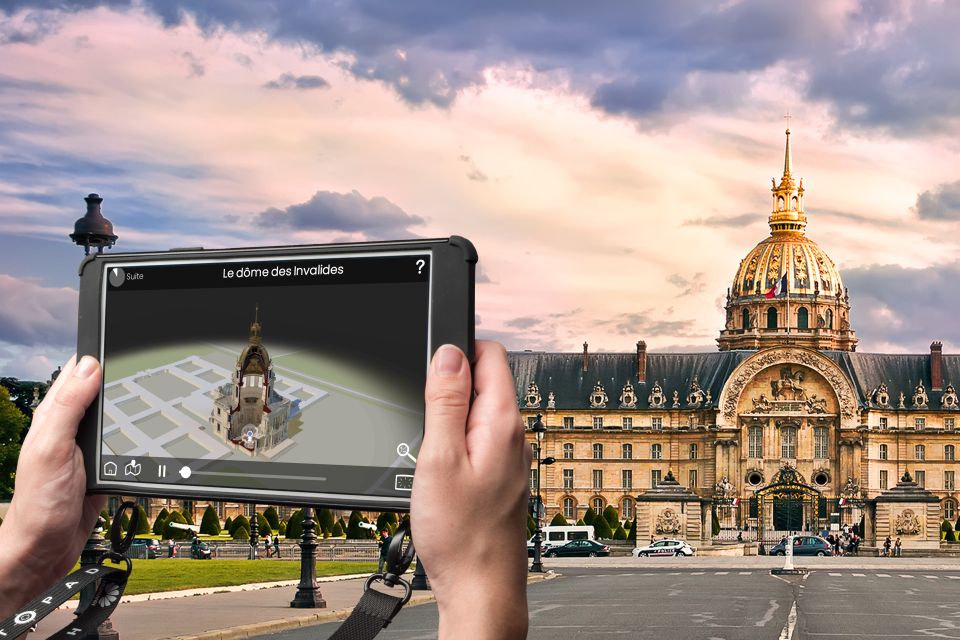
The description also mentions a time-travel option using a Histopad-style interactive tablet. If you’re interested in that add-on version, note that the interactive tablet deposit detail is tied to a newer tour format starting April 1, 2020—so check what’s actually offered for your date. Either way, you’ll ride a double-decker with a covered, enclosed setup designed for sightseeing in comfort.
In This Review
- Key Points at a Glance
- A Quick, Air-Conditioned First Look at Paris
- Meeting Point at Place de Sydney (Avenue de Suffren x Rue Jean Rey)
- What the App Audio Actually Means on This Tour
- The Big Sights You’ll See from the Window (Express Pass-By Views)
- Opera Square and the Grand Avenue Feel
- Place de la Concorde and the Obelisk Moment
- Champs-Élysées and the Arc of Triomphe Approach
- Eiffel Tower Area: Trocadéro Views
- Les Invalides and Pont Neuf: Classic River-City Anchors
- Bastille Square and Luxembourg Gardens
- Notre-Dame Cathedral: A Pass-By Exterior Moment
- Timing, Traffic, and How to Manage Expectations
- Comfort Tips: Seats, Visibility, and Weather
- Price and Value: Does $34 Make Sense?
- Who This Tour Fits Best
- Should You Book This Paris Double-Decker Tour?
- FAQ
- How long is the Paris double-decker bus audio tour?
- Where do I meet the guide for this tour?
- Is hotel pickup and drop-off included?
- What languages are available for the audio guide?
- Do I need headphones?
- Is the Eiffel Tower guaranteed to be on the route?
- Are pets allowed on the bus?
- What’s the cancellation policy?
Key Points at a Glance
- Enclosed, air-conditioned double-decker means easier comfort than open-top buses, especially in changeable weather
- Audio in many languages runs through a phone app, so you can follow along without hearing just one voice
- Express-style driving loop lets you see major landmarks quickly, even if you only have a day
- You pass the classics: Eiffel Tower area, Arc de Triomphe, Place de la Concorde obelisk, Champs-Élysées, Notre-Dame
- Traffic can slow things down—expect some sitting time in busy central streets
- Seat choice matters: a window seat usually makes the views much better
A Quick, Air-Conditioned First Look at Paris
If you’re arriving in Paris and want the city to make sense quickly, this bus tour is a smart shortcut. You’ll glide past the landmarks that everyone sketches, photographs, and argues about online—and you’ll do it with the comfort of an enclosed, panoramic double-decker.
Two things make the format work for most people. First, the covered double-decker setup helps you stay comfortable when the weather turns (rain, wind, that classic Paris temperature swing). Second, the narration is designed to keep pace with what you’re seeing, so you’re not just staring out the window wondering what building is that.
The tour is also practical because it’s short. Ninety minutes is long enough to get your bearings and spot the areas you’ll want to revisit later, but short enough that it doesn’t eat your whole day.
You can also read our reviews of more guided tours in Paris



Meeting Point at Place de Sydney (Avenue de Suffren x Rue Jean Rey)
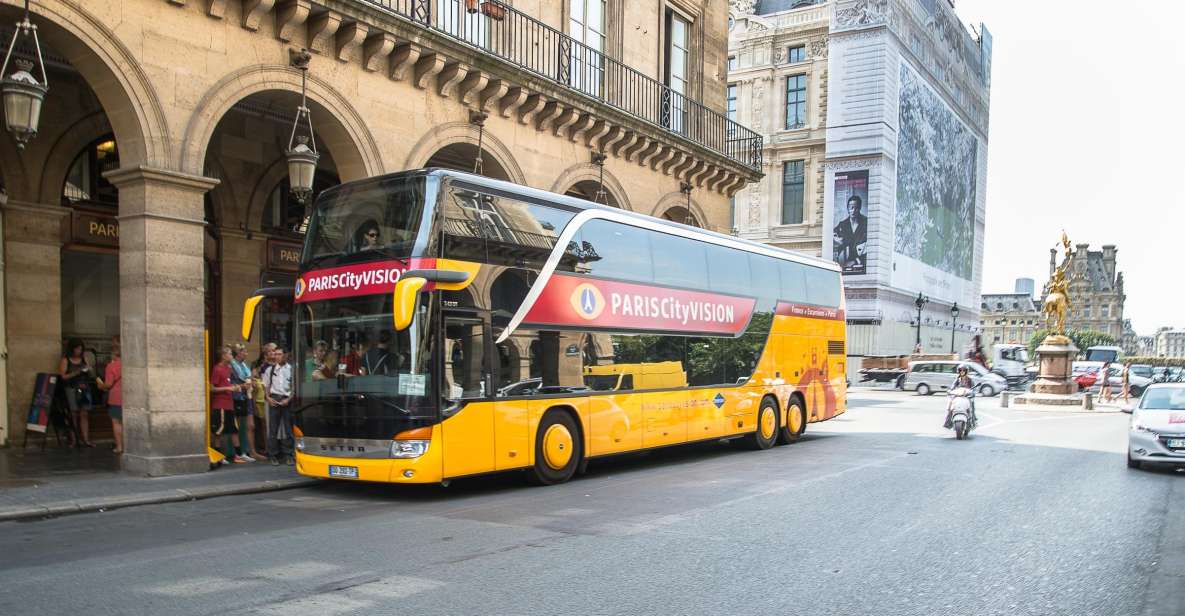
Start at Place de Sydney, 75015 Paris, at the corner of Avenue de Suffren and Rue Jean Rey. That’s a specific target, and it matters because this is one of those tours where you don’t want to arrive late and rush.
If you’re using public transport, the listed options are Metro Line 6 (Bir-Hakem), RER C (Champ de Mars_Tour Eiffel), or Bus 82 (Champ de Mars). I like having multiple transit routes here because central Paris is never a straight line.
Practical tip: give yourself a little time to locate the exact corner. One theme from real-world experience is that people sometimes find the meeting spot a bit tricky at first.
What the App Audio Actually Means on This Tour
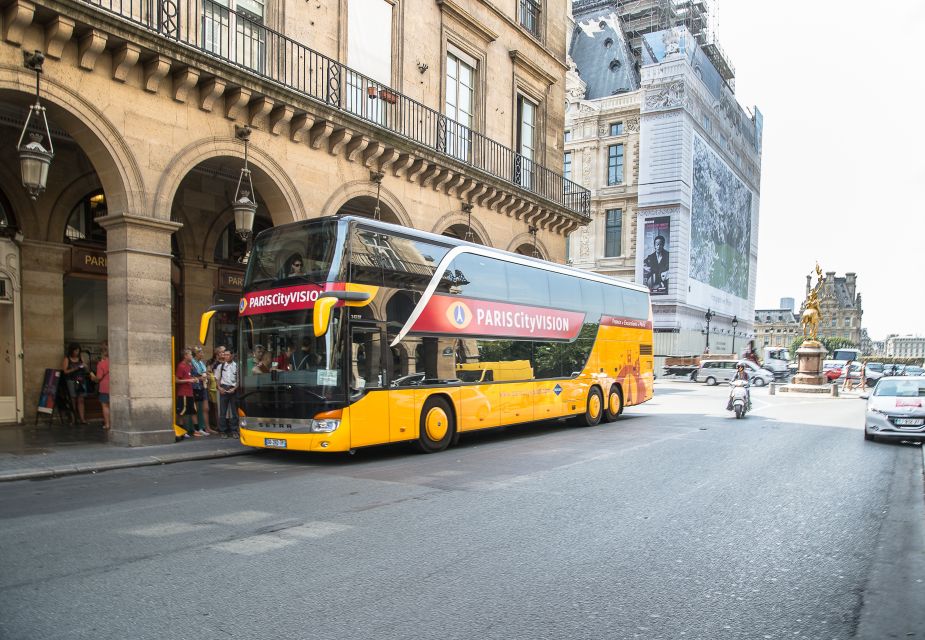
This tour includes an audio guide via a phone app you download on your device. That’s a big deal for two reasons. You avoid the stress of matching a paper headset at the booth, and you can listen at your preferred volume level.
The audio guide is available in Spanish, Chinese, English, French, German, Italian, Portuguese, Russian, Japanese. The guide commentary is described as available across many languages in total, including French and English plus additional options. If you’re traveling with friends who want different languages, you should be able to accommodate that.
Also, heads-up: the narration is set up for a moving ride. In other words, it’s more like a guided script than a back-and-forth conversation. That can be great for staying on schedule, but it also means you probably won’t be stopping to ask the guide questions as you go.
The Big Sights You’ll See from the Window (Express Pass-By Views)
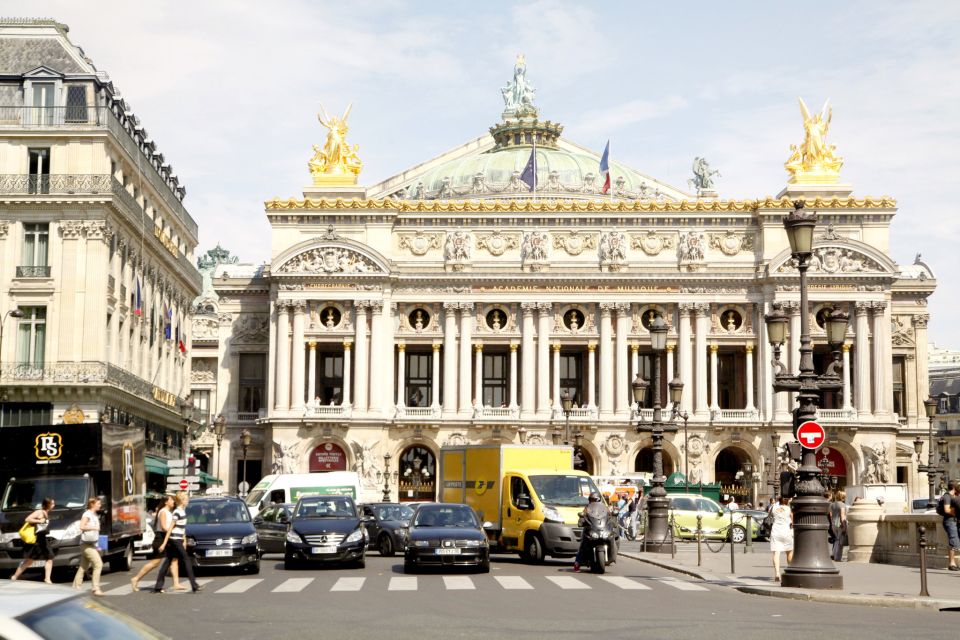
This is an express sightseeing drive with pass-by views of major sights. So treat it as seeing and learning the layout, not as a tour where you hop out and explore each monument for an hour.
Here’s what the route focuses on, and how to make the most of each moment:
Opera Square and the Grand Avenue Feel
Early on, you’ll be in the Opera area—Opera Square gets named in the tour description. This part of Paris is all about wide streets, elegant façades, and that “here’s where the city shows off” energy.
Even if you can’t stop, you’ll benefit from seeing how streets connect: where the grand avenues lead and what direction takes you toward the Seine.
You can also read our reviews of more city tours in Paris






Place de la Concorde and the Obelisk Moment
Place de la Concorde is another key stop. The description calls out the obelisk directly, which is helpful: it’s a visual anchor. When you see it from the bus, you’ll instantly understand why this square is such a major reference point for central Paris.
If you want to revisit this area later, this is the spot that makes future walking routes easier.
Champs-Élysées and the Arc of Triomphe Approach
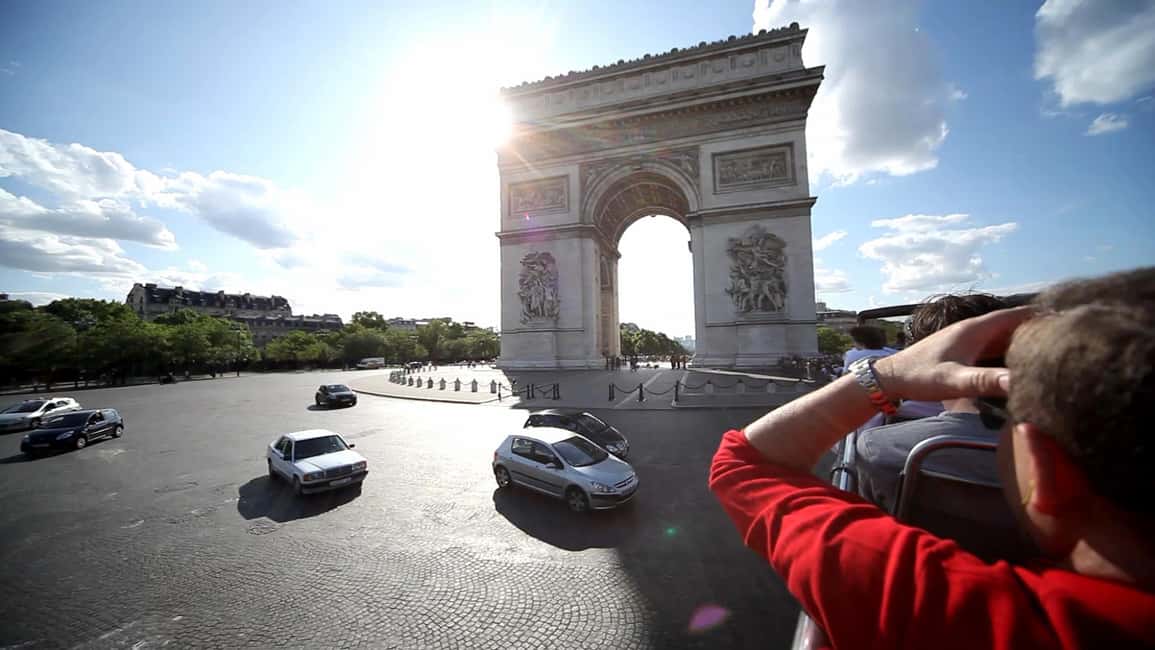
You’ll cruise down the Champs-Élysées, then continue toward the Arc de Triomphe. These are famous for a reason. Even from behind glass, the bus route gives you a clear sense of scale: long straight stretches, wide corridors of traffic, and the way the monuments sit at the end of them.
One small but real tip: choose your side of the bus based on window views. If you end up in a spot where the view is blocked by window frames, you may lose some of that “oh wow” feeling.
Eiffel Tower Area: Trocadéro Views
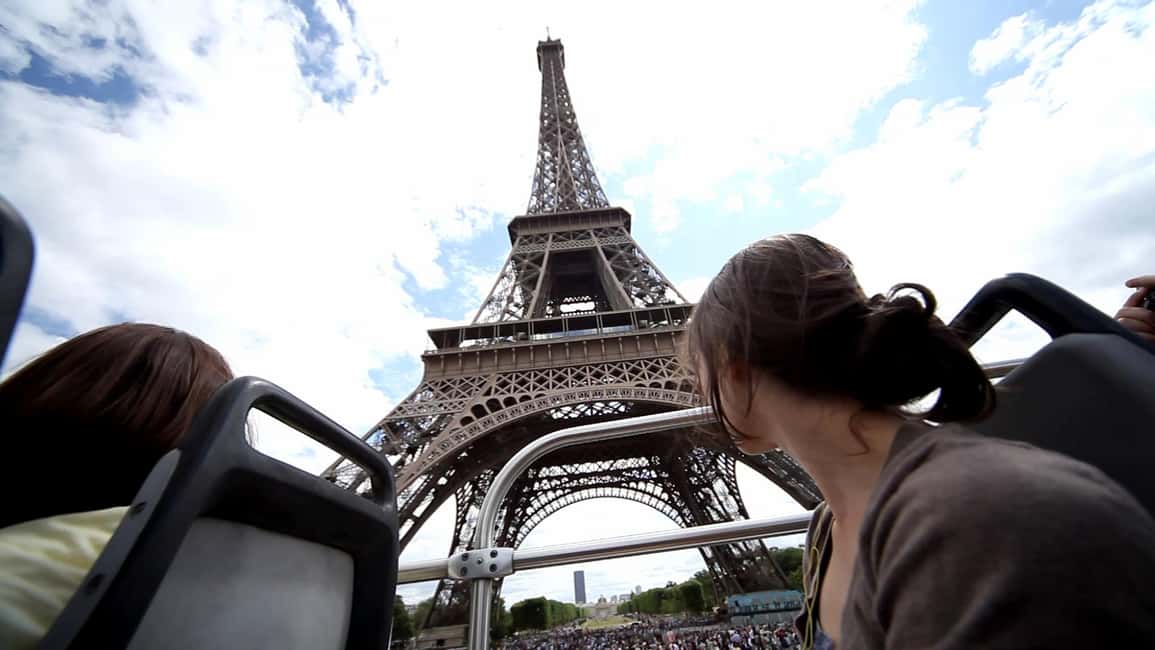
The tour description highlights seeing the Eiffel Tower as it soars over Trocadero Square. This is one of those Paris moments where the view is the point. From a bus, you don’t get the same close detail as being at street level, but you do get a broad panorama quickly.
And there’s a useful contingency: if the Eiffel Tower is unavailable for reasons outside the supplier’s control, the tour will visit the Montparnasse Tower instead. That doesn’t guarantee the same vibes, but it does mean you still get a major Paris skyline viewpoint.
Les Invalides and Pont Neuf: Classic River-City Anchors
You’ll pass Les Invalides and Pont Neuf as part of the central sweep. These places help you connect Paris as a river city, not just a collection of monuments.
Invalides carries gravitas, and Pont Neuf is one of the city’s classic crossings. Seeing them from the bus is a fast way to identify what’s “near the Seine” so you can plan a walking day later.
Bastille Square and Luxembourg Gardens
Next you’ll move toward Bastille Square and the Luxembourg Gardens. This is a shift from the “royal monument” vibe into areas that feel more neighborhood and everyday.
Luxembourg Gardens are famous partly because they offer a calmer, greener contrast to the hard edges of central monuments. Even a quick pass helps you understand where that breathing space sits in the city.
Notre-Dame Cathedral: A Pass-By Exterior Moment
The tour description says you’ll experience the grandeur of Notre-Dame Cathedral. Expect outside views as you travel past. It’s not positioned as an entry-and-explore stop, so use the time to recognize its position and the surrounding streets rather than treat it like a deep visit.
If your priority is interior access or a guided cathedral experience, you’ll likely want a separate plan later.
Timing, Traffic, and How to Manage Expectations
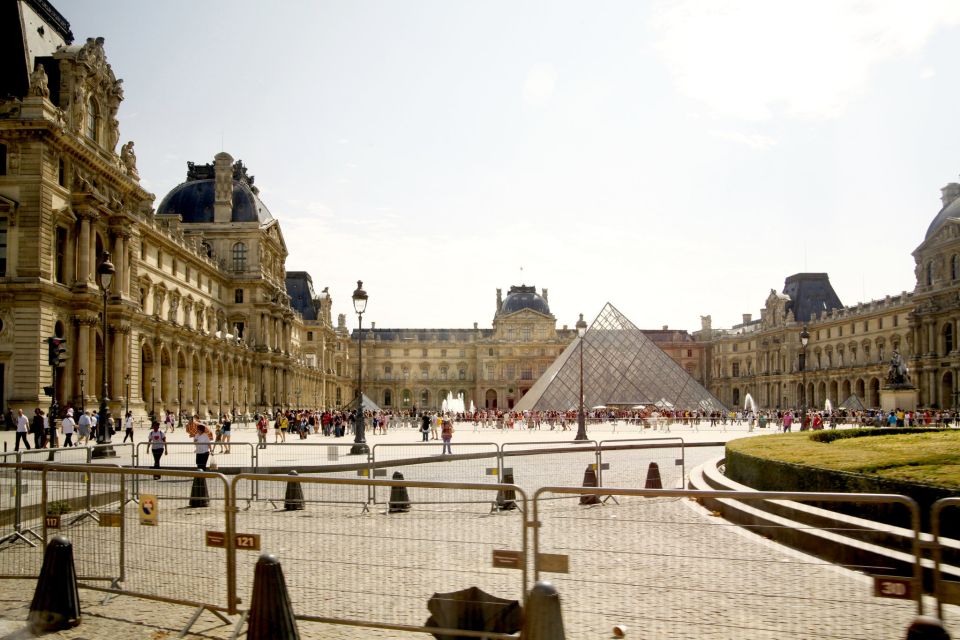
This is where a lot of people either enjoy the tour even more or end up slightly disappointed. Central Paris can be slow. The route goes through busy areas, and if you hit heavy traffic, you’ll spend more time sitting and less time moving past landmarks.
A few practical ways to handle this:
- Keep your expectations on point: it’s a drive-and-look tour, not a stop-everywhere tour.
- If you’re hoping to pack in photos and souvenirs right after, plan for the fact that the bus may take longer than you want.
- Seat selection matters because sitting longer makes visibility more important.
Some experiences also suggest that the ride can feel shorter than what people expected when comparing to older advertising or scheduling. Your best defense is to assume 90 minutes is the target window, but city conditions can influence the final rhythm.
Comfort Tips: Seats, Visibility, and Weather
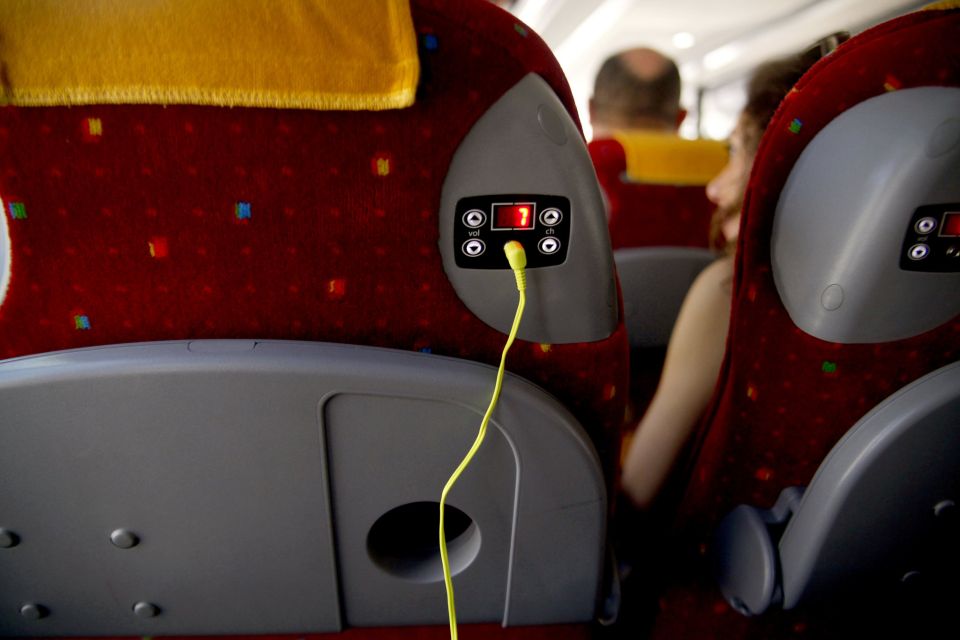
The tour is designed for comfort, with air-conditioned, enclosed sightseeing. That’s a major advantage over open-top buses during rain or wind.
But comfort has details. One real consideration: the upper deck may not always feel as strongly air-conditioned, depending on how the bus is set up. If you get to board and you care a lot about temperature, choose the level that feels best in the moment.
Also, window visibility is a genuine factor. If you don’t get a window seat, you might find it hard to see clearly out of the bus. And if visibility drops (rain, glare), you’ll appreciate being seated where you can frame the landmarks without wrestling with angles.
Bottom line: dress for the weather, bring headphones, and choose a seat that gives you a clear view on at least one side.
Price and Value: Does $34 Make Sense?
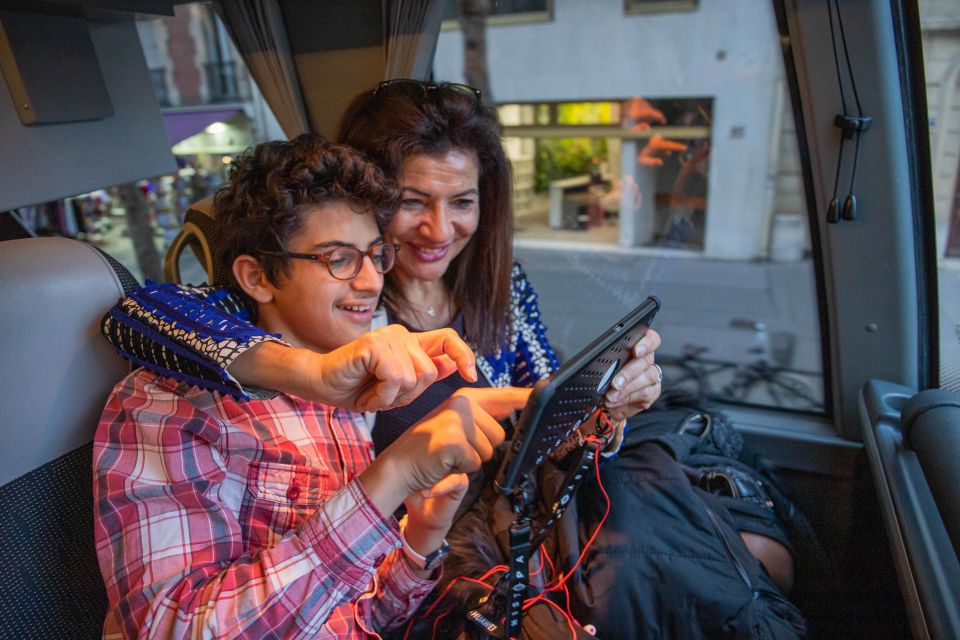
At about $34 per person for a 90-minute panoramic bus tour, the value comes from what you avoid: time spent figuring out routes, time spent walking between widely separated sights, and mental load trying to connect Paris neighborhoods in your head.
You get transportation by double-decker bus, an audio guide via app, and a hostess. What you don’t get is hotel pickup/dropoff, and you’ll need headphones. That means the price is best for people who can reach the meeting point easily and who are comfortable using their own device for the audio.
If you’re on a tight schedule—first day in Paris, limited mobility, or you’re tired after landing—this is one of those purchases that can make the rest of the trip smoother.
If you’re already comfortable navigating the city and you like to linger at monuments, you may feel this is “just a view from the street.” In that case, it’s still useful, but you’ll want to pair it with more focused walking or museum time afterward.
Who This Tour Fits Best
This tour is best for you if:
- You want a fast, comfortable overview of central Paris
- You’re visiting for the first time and need help understanding where things are
- You prefer sitting with clear views over walking long distances in crowds
- You like structured narration more than figuring out explanations on your own
It’s less ideal if:
- You want a hop-on, hop-off format with flexible stops and lots of time at each site
- You’re hoping for a lot of Q&A with the guide during the ride
- You need extended time at one single monument (this tour is more about sweeping coverage)
Should You Book This Paris Double-Decker Tour?
Yes, you should book it if your goal is orientation plus iconic sights in a short window. For $34, the combination of an enclosed panoramic bus, multilingual audio, and an express pass around Paris’s big-name landmarks is a practical deal—especially on a first day.
Skip it (or pair it differently) if your ideal Paris day is long, detailed monument time. Think of this as the setup for better days ahead, not the finale.
If you’re going, do two things right away: confirm your language setup for the app audio, and bring headphones so you’re not stuck on boarding day. Then grab a seat where the windows give you a clean shot, and let the city go by while you learn the map.
FAQ
How long is the Paris double-decker bus audio tour?
The tour lasts 90 minutes.
Where do I meet the guide for this tour?
Meet at Place de Sydney, 75015 Paris, at the corner of Avenue de Suffren and Rue Jean Rey.
Is hotel pickup and drop-off included?
No. Hotel pickup and drop-off are not included.
What languages are available for the audio guide?
The audio guide included on the app is available in Spanish, Chinese, English, French, German, Italian, Portuguese, Russian, Japanese.
Do I need headphones?
Yes. Headphones are listed as something to bring, and headphones are also listed as not included.
Is the Eiffel Tower guaranteed to be on the route?
If the Eiffel Tower is unavailable for reasons outside the supplier’s control, the tour will visit the Montparnasse Tower instead.
Are pets allowed on the bus?
No, pets are not allowed.
What’s the cancellation policy?
Free cancellation is available up to 24 hours in advance for a full refund.