REVIEW · PARIS
Paris: Musée Rodin A Private Tour – an artist’s insight
Book on GetYourGuide →Operated by Paris Museum Guide · Bookable on GetYourGuide
The most revealing part of this private Musée Rodin tour is the setting itself: you explore the former home and studio where Auguste Rodin lived and worked. His sculpture, personal passions, and taste as a collector all come together here, giving the museum a more intimate feel than a standard gallery visit.
I like the artist’s viewpoint, which should help you look at Rodin’s surfaces, movement, and unfinished forms with fresh eyes. I also like the focus on the tangled relationship between Rodin, Rose Beuret, and Camille Claudel, a human story that gives the art extra weight.
The main drawback is price. At $141 per person for two hours, you must also pay the museum’s €15 admission unless you qualify for free entry or use a Paris Museum Pass. This makes the tour best for visitors who want close guidance, not for anyone content to wander through the rooms alone.
In This Review
- Key points to know before booking
- Entering the Musée Rodin at 77 rue de Varenne
- A museum built around Rodin’s working life
- Rodin’s sculpture and the break from tradition
- Rodin, Rose, and Camille
- The art Rodin chose to keep
- What two hours feels like
- Is $141 per person a fair price?
- Who will enjoy this tour most?
- Practical details that make the visit easier
- Should you book the Musée Rodin private tour?
- FAQ
- How long is the private Musée Rodin tour?
- What language is the tour conducted in?
- Are Musée Rodin admission tickets included?
- Where do I meet the guide?
- Is the tour private?
- Are headphones provided?
- What happens if I need to cancel?
Key points to know before booking
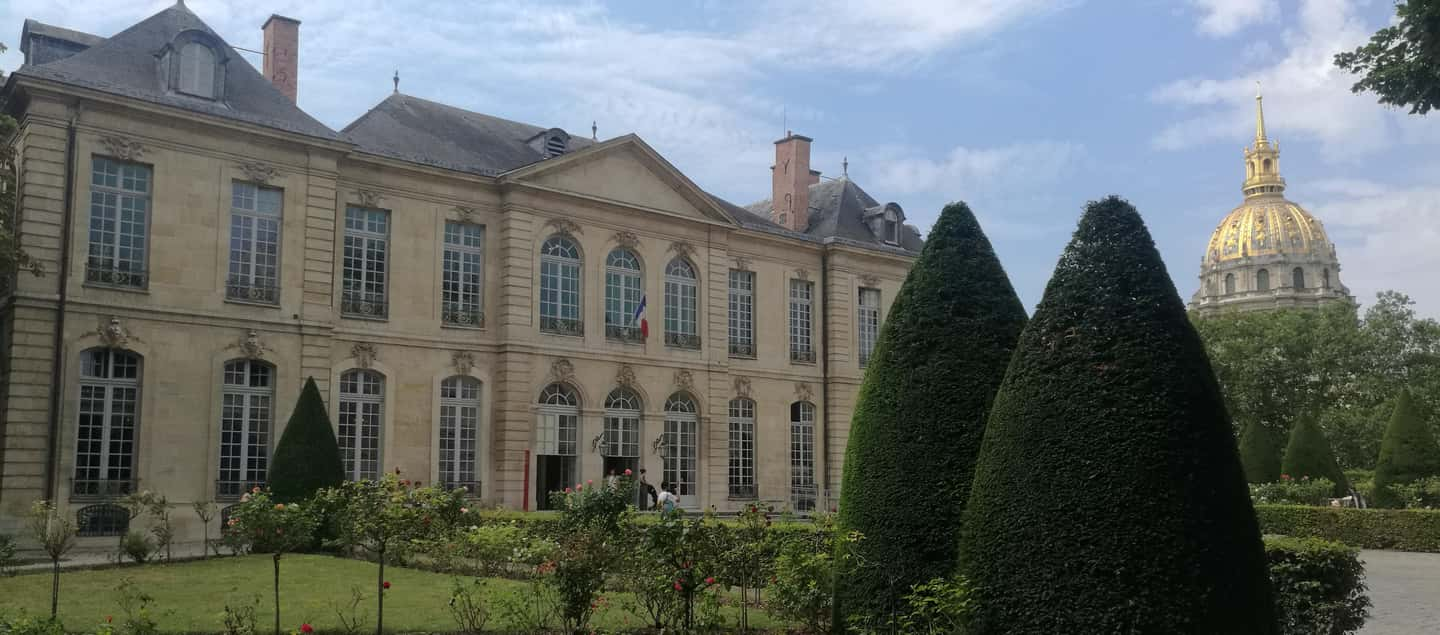
- Rodin’s former home and studio: See his art in the setting where much of his working life unfolded.
- A private English-language tour: The experience is limited to your private group, with an Irish artist and specialist decorator as your guide.
- A personal story alongside the sculpture: Learn about Rodin, Rose Beuret, and Camille Claudel, including the painful tensions between them.
- More than Rodin: The visit includes works collected by Rodin, showing the artists and objects that shaped his eye.
- Two hours with audio equipment: Headphones and audio receivers help you hear the guide clearly inside the museum.
- Admission costs extra: Museum entry is €15, while children under 18, and EU students under 25, enter free with identification.
Entering the Musée Rodin at 77 rue de Varenne
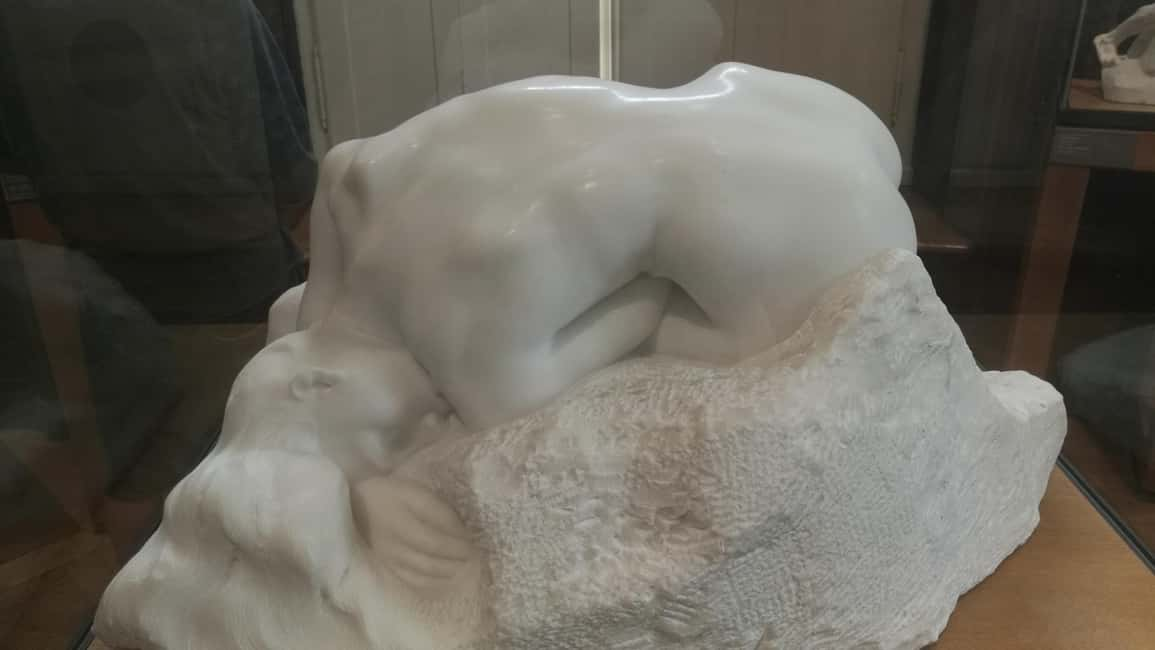
Your meeting point is the entrance gate at 77 rue de Varenne, in Paris’s 7th arrondissement. Arrive about 10 minutes early and look for the guide wearing a guide badge.
The meeting arrangement is simple, but it matters in Paris. You meet outside, not inside the galleries, so leave enough time to reach the address and get your bearings before the start. Direct contact by WhatsApp or text is included, and the guide can confirm availability if you are trying to arrange the visit less than 24 hours ahead.
Once inside, the tour avoids the usual ticket-line fuss. That does not mean admission is included. You still need a museum ticket, available through rodin.fr or in the entrance hall for €15. Children under 18 enter free with ID, EU students under 25 also enter free, and the Paris Museum Pass is accepted.
This extra ticket cost is easy to miss when comparing tours. For two adults, the total is not simply $282. Add two €15 museum admissions, unless you already hold a valid pass. Families may find the arithmetic more favorable if the children have identification, but the tour fee itself is charged per person.
You can also read our reviews of more private tours in Paris


A museum built around Rodin’s working life
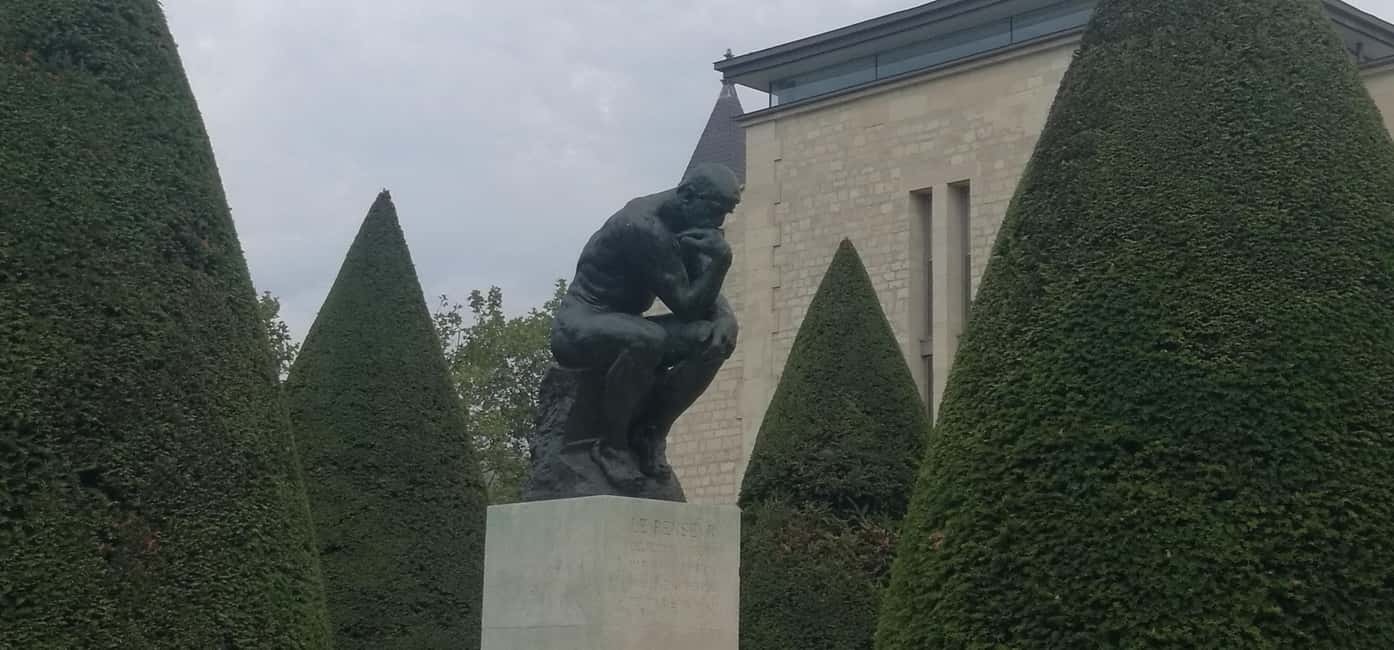
The Musée Rodin occupies the former home and studio of the sculptor. That fact shapes the whole visit. You are not only seeing objects arranged in neutral rooms. You are tracing a working life through a house and grounds connected to the artist.
The tour explores Rodin’s own work as well as art he collected and admired. That second part is useful because it places his sculpture in a wider conversation. Rodin did not create in isolation, and his collection gives you a glimpse of the visual ideas and artists that caught his attention.
The guide is an Irish artist and specialist decorator who has worked as a Paris museum guide for the past 10 years. That background should suit anyone who wants help with the physical side of art: texture, form, scale, finish, and the way a sculptor makes a figure feel as if it is moving.
You can expect the visit to move between looking and listening. Headphones and audio receivers are supplied, so you should be able to hear the commentary without clustering tightly around the guide. This is particularly useful during a private tour where you may want to pause in front of a work and still follow the explanation.
Rodin’s sculpture and the break from tradition
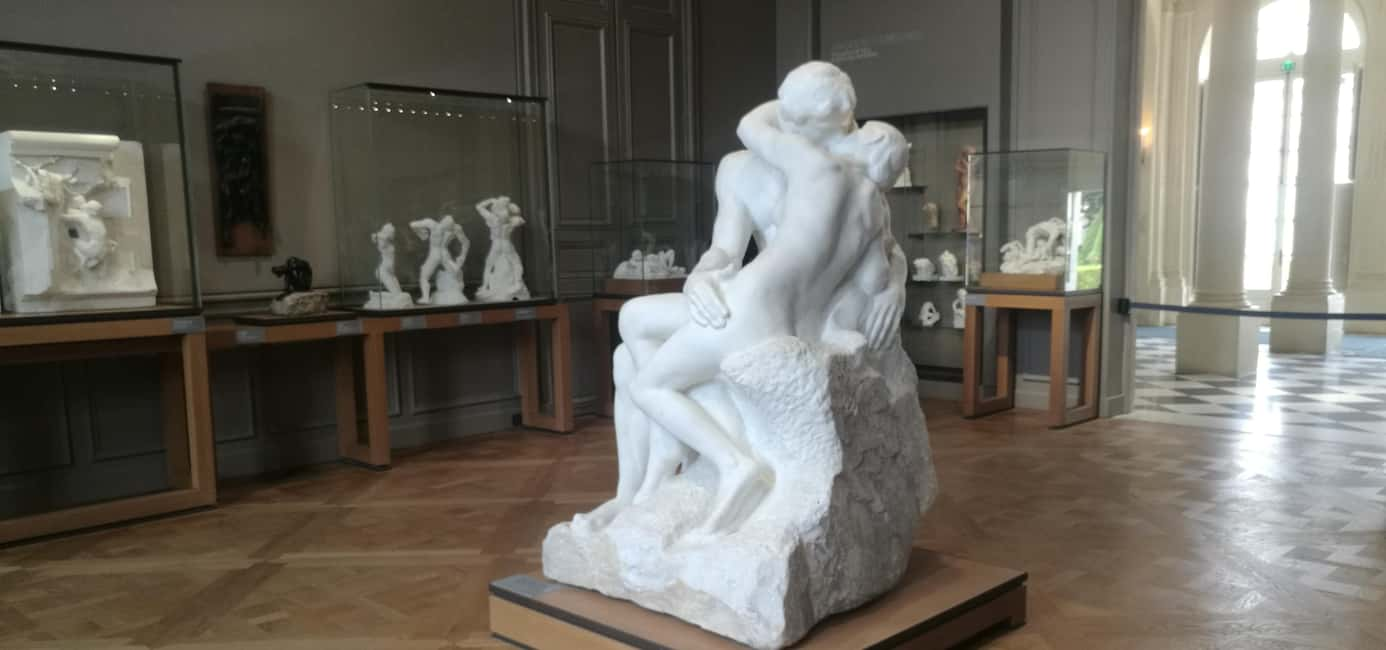
The central idea of the tour is that Rodin changed sculpture in a way comparable to the shift Monet and his fellow painters brought to painting. That does not mean you need a background in art to follow the visit.
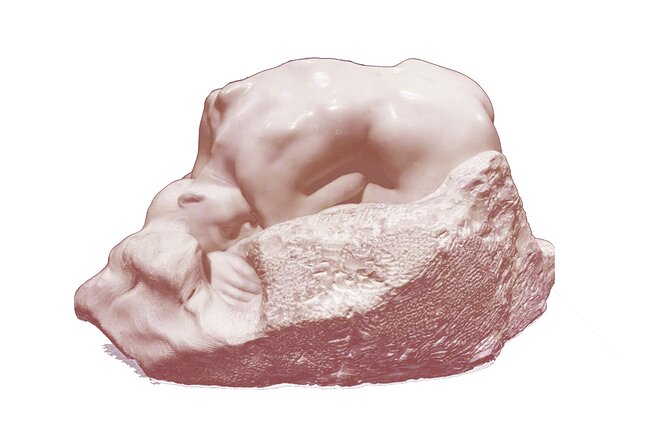
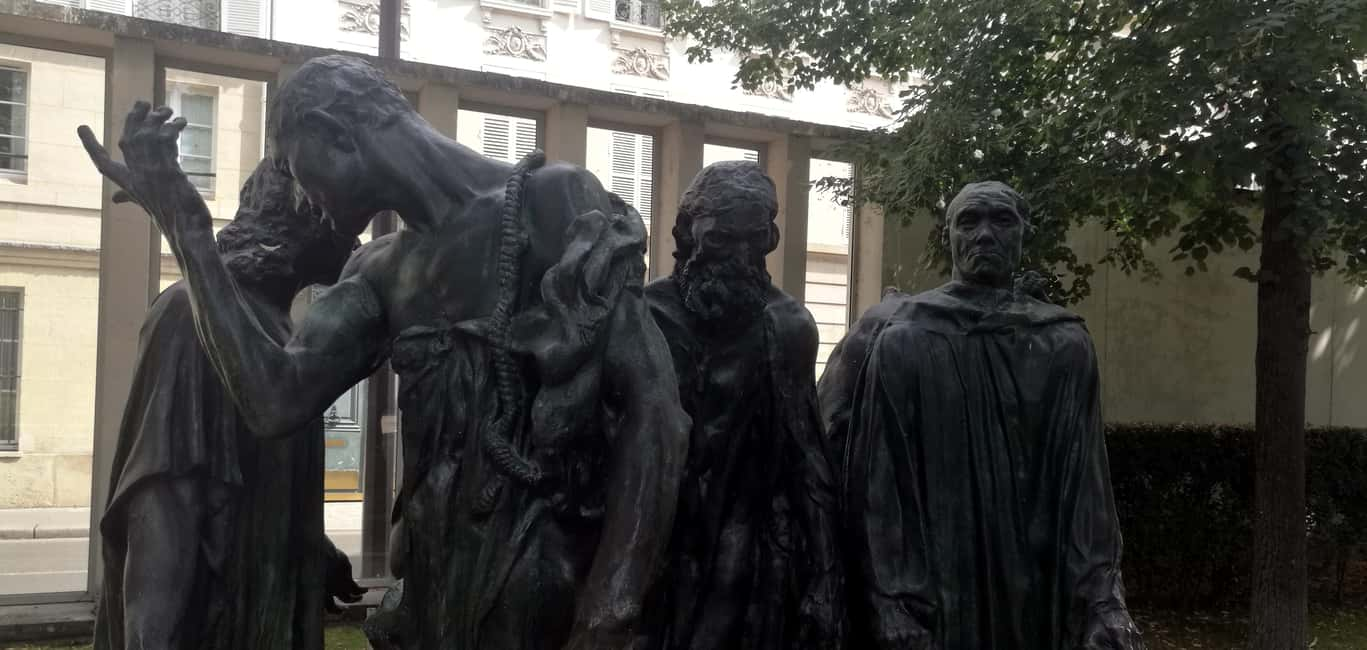
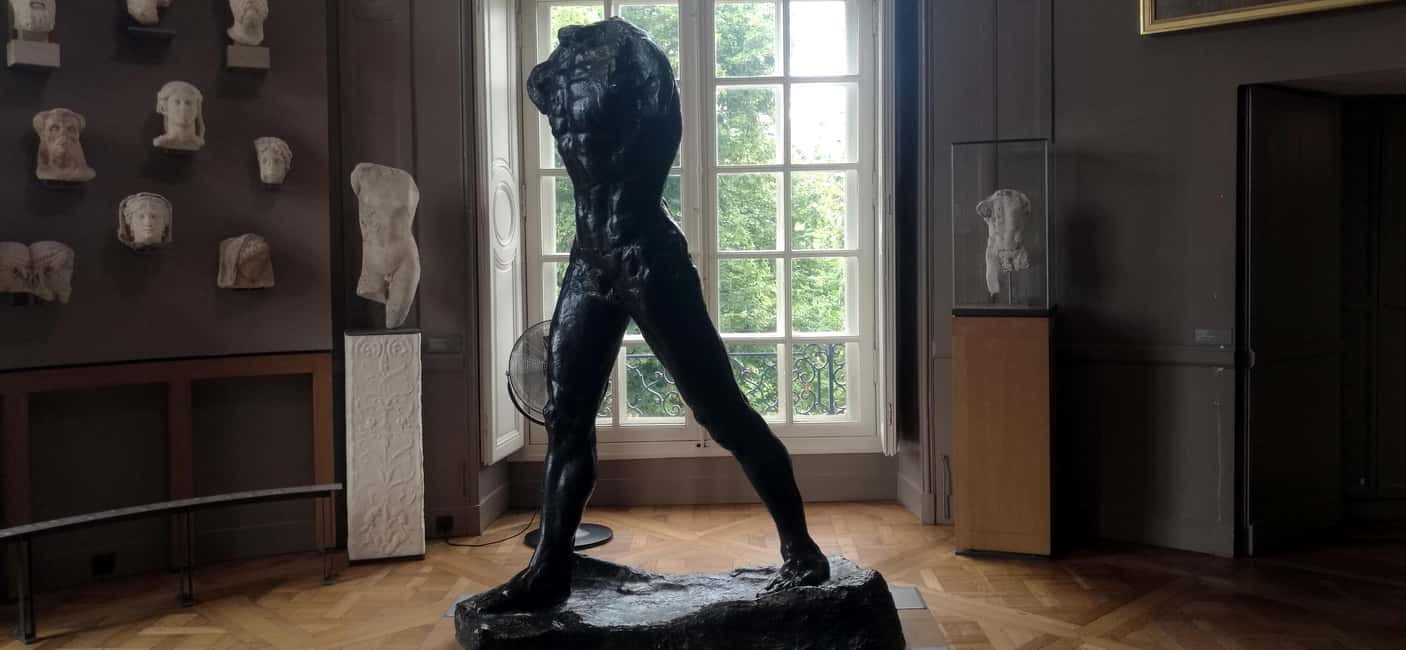
Instead, the guide helps you consider why Rodin’s work felt revolutionary. His sculpture can leave parts of the body unfinished, emphasize a rough surface, or suggest movement rather than present a perfectly polished figure. Those choices ask you to see sculpture as an active process, not merely a finished object.
The tour also connects Rodin’s choices to the present. The promise to explain why his art remains relevant is more useful than a list of dates and titles. You will be encouraged to think about how artists use the human body, incomplete forms, emotional tension, and physical material to communicate ideas that still make sense today.
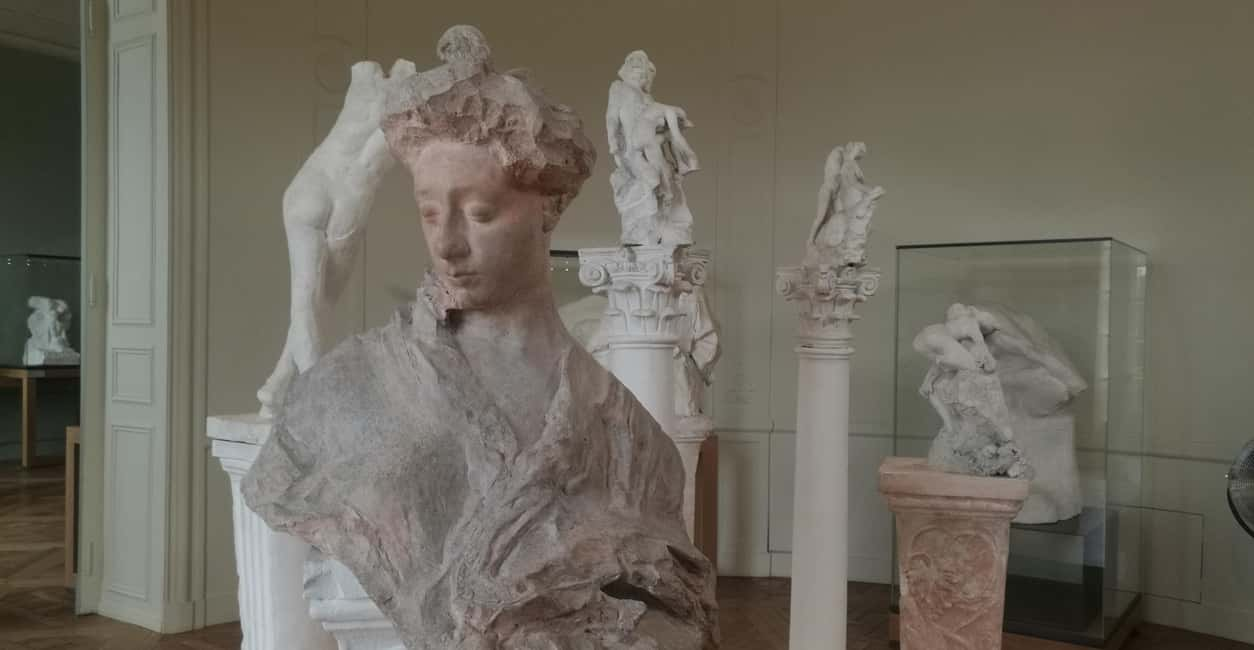
I would pay close attention to the places where the guide compares the smooth and rough surfaces of Rodin’s work. You may find that the contrast changes your sense of the figures. A polished area can feel calm or idealized, while a broken or unfinished section can suggest struggle, movement, or the hand of the maker.
Rodin, Rose, and Camille
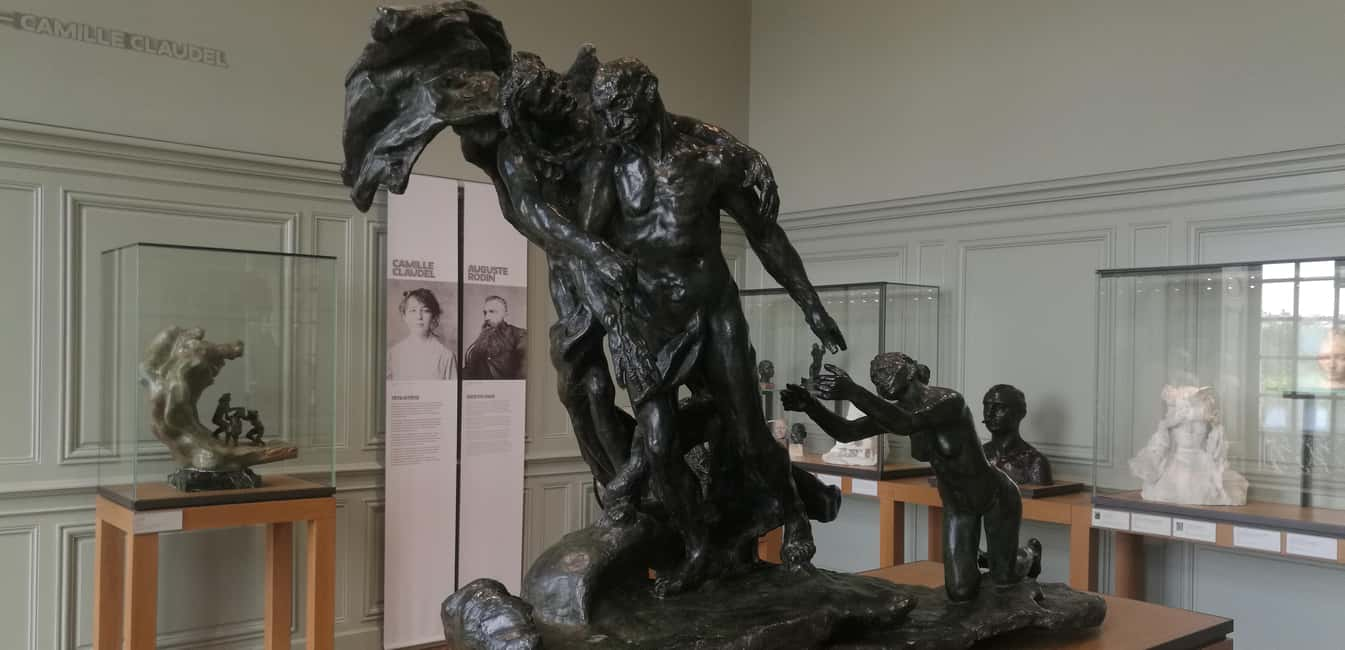
Rodin’s personal life is not a side note on this tour. The guide makes the relationship between Rodin, Rose Beuret, and Camille Claudel one of the main threads of the visit.
Rodin and Rose were connected for much of his adult life, while Camille was a gifted sculptor and collaborator whose relationship with Rodin became emotionally and artistically complicated. Calling it a simple love story would miss the point. The tension among the three people helps explain the human pressure behind some of the art.
This part of the tour may be especially meaningful if you want to understand the people behind the famous names. It also gives you a chance to consider a difficult question: how should you look at art when the artist’s private life contains unequal power, hurt, and unresolved conflict?
The guide’s approach is not just gossip about a famous affair. The point is to connect biography with sculpture. You may begin to see how intimacy, rivalry, ambition, and loss can shape the way artists work and how museums tell their stories.
That said, this is still a two-hour museum visit. You should not expect every detail of Rodin’s life, Rose’s role, or Camille’s career to receive equal attention. The tour focuses on the relationships as they illuminate the collection.
The art Rodin chose to keep
A worthwhile feature of the museum is the chance to see art that Rodin collected. These works show that his creative world was not limited to his own sculpture.
For you, this adds a second layer to the visit. First, you study Rodin’s famous and lesser-known works. Then you consider what he admired enough to acquire or preserve. A collection can reveal an artist’s private eye: the forms, subjects, and techniques that held his attention.
The guide can help you connect these objects rather than treating them as isolated pieces. That is where a private visit earns its keep. You can ask why a particular work mattered to Rodin, or how an object might relate to his own methods.
Do not rush this section. Visitors often focus only on the best-known sculptures, but the collected art helps explain Rodin as a serious observer of other makers. If you enjoy museums that show the habits and tastes of an artist, this part may be as valuable as the headline works.




What two hours feels like
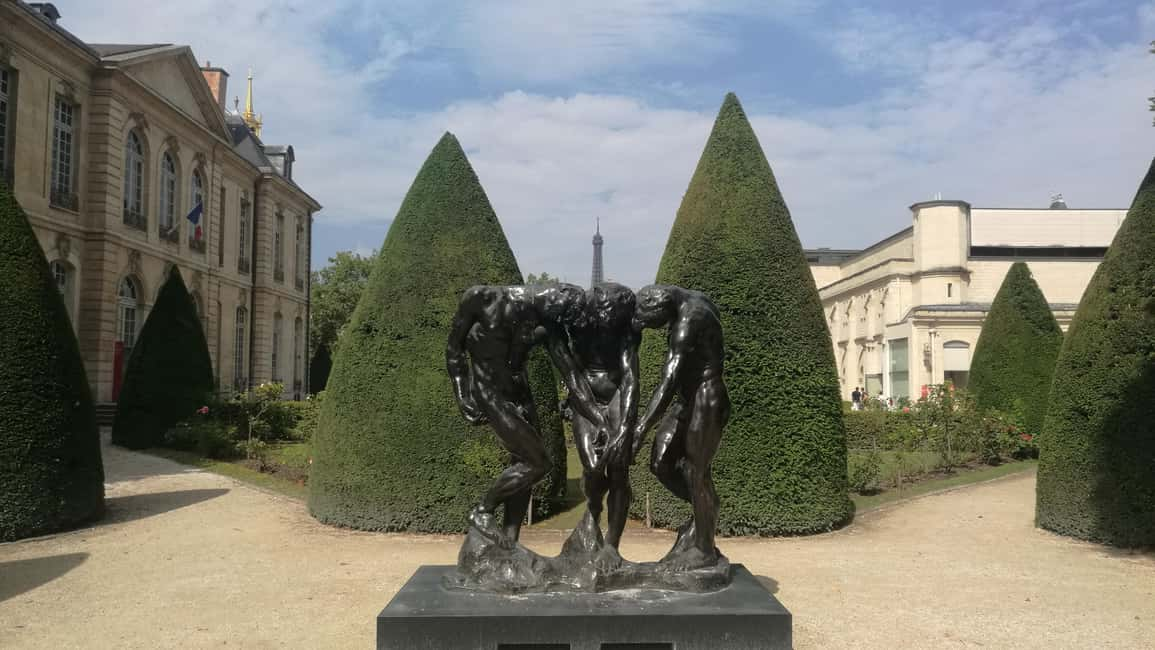
Two hours is a sensible length for this museum. It gives you enough time for a guided look at the collection without turning the visit into an exhausting art marathon.
The tour begins at the gate, then moves through the museum’s rooms and the former home and studio. The exact order may change according to the guide’s judgment and the museum’s conditions, but the main themes remain Rodin’s life, his work, his relationships, his collection, and his continuing influence.
The pace should suit a private group better than a large public tour. You can ask questions, linger over a sculpture, or signal when you need a moment to look quietly. A private format does not guarantee that every work will receive a long explanation, but it does give the guide more freedom to respond to your interests.
Headphones and audio receivers are supplied. Bring comfortable shoes, since you will be on your feet for much of the visit. A camera is allowed, but selfie sticks and flash photography are not.
The museum is described as rarely overcrowded compared with some other Paris attractions. That is helpful if you want to slow down and look carefully. Still, avoid treating the quieter setting as a guarantee of complete solitude. Museums can vary from day to day, and the guide’s equipment helps you hear even when other people are present.
Is $141 per person a fair price?
The $141 fee is a premium for a two-hour private experience. You are paying for a personal English-language guide, an artist’s perspective, a private group, audio equipment, and a focused interpretation of Rodin’s work and life.
It is not the cheapest way to enter the museum. A €15 ticket lets you visit independently, and many visitors will be happy reading the museum labels and following their own route. If you already know Rodin well, or if you prefer quiet exploration, the extra fee may not make sense.
I see stronger value for first-time visitors who want the museum to connect. Rodin’s sculpture, collected art, home, studio, and personal relationships can otherwise feel like separate subjects. A good guide gives them a clear shape within two hours.
The price also makes more sense for couples, families with adult children, or a small group of friends who would rather share one private conversation than join a large tour. Because the experience is private, you can ask direct questions and adjust the focus to suit your group.
Remember the admission charge when setting your budget. The museum ticket is not included, although children under 18 enter free with ID, EU students under 25 enter free, and Paris Museum Pass holders can use the pass for admission.
Who will enjoy this tour most?
I would choose this tour if you want to understand how Rodin worked, not simply identify his most famous sculptures. It should suit people who enjoy art explained through materials, technique, biography, and personal choices.
It is also a good fit if Camille Claudel’s story interests you. The relationship among Rodin, Rose, and Camille receives meaningful attention, so the visit offers more than a general introduction to French sculpture.
Families can consider it, but very young children may not get much from two hours of art and personal history. Babies under one year are not suitable for this activity. Older children and teenagers who already show interest in sculpture may benefit, especially because the private format allows questions.
The tour is in English only. That is a clear advantage for English-speaking visitors who want an easy conversation with the guide, but it will not suit anyone seeking a French-language experience.
Wheelchair access is available. You should still contact the guide directly if your group has specific access needs, since the provided information confirms accessibility but does not describe every route or facility.
Practical details that make the visit easier
Book museum admission separately or plan to buy it in the entrance hall. If you have a Paris Museum Pass, bring it. Children need a passport or ID card to claim free entry, and EU students under 25 should bring identification as well.
Arrive at the outside gateway about 10 minutes before the scheduled start. The guide will have a badge, and WhatsApp or text contact is available if you need help locating the meeting point.
Wear comfortable shoes and bring a camera if you wish. Flash photography and selfie sticks are not allowed, so keep your equipment simple.
The activity lasts two hours, and starting times depend on availability. You can cancel up to 24 hours in advance for a full refund, and the reserve-now, pay-later option helps if your Paris schedule is still moving around.
The experience is offered for a private group. That is important for the overall feel: you are not simply receiving a prepared talk from the back of a crowd. You have room for questions and a better chance of shaping the conversation around the art that catches your attention.
Should you book the Musée Rodin private tour?
Book it if you want Rodin explained through an artist’s eyes, and if you care about the links between sculpture, personal life, and the setting where he worked. The guide’s background as an Irish artist and specialist decorator adds a practical visual angle, while the focus on Rose and Camille gives the visit an emotional thread.
Skip it if you only want a quick look at the famous works, need the lowest possible cost, or prefer to explore museums without commentary. The $141 price per person is hard to justify for a casual stop, especially once you add museum admission.
For the right visitor, though, two focused hours can turn a beautiful museum into a more understandable one. Buy your ticket separately, arrive early at 77 rue de Varenne, and choose this tour when you want the art to feel connected to the person and place behind it.
FAQ
How long is the private Musée Rodin tour?
The guided tour lasts two hours.
What language is the tour conducted in?
The tour is conducted in English by a live guide.
Are Musée Rodin admission tickets included?
No. Museum admission costs €15 and can be purchased through rodin.fr or in the entrance hall. Children under 18 enter free with ID, EU students under 25 enter free, and the Paris Museum Pass is accepted.
Where do I meet the guide?
Meet the guide outside at the entrance gate of the Musée Rodin, 77 rue de Varenne, 75007 Paris. Arrive about 10 minutes before the scheduled start.
Is the tour private?
Yes. The activity is arranged for a private group.
Are headphones provided?
Yes. Headphones and audio receivers are supplied during the tour.
What happens if I need to cancel?
You can cancel up to 24 hours before the scheduled activity for a full refund.