REVIEW · PARIS
Paris Musee d’Orsay PRIVATE TOUR with a Local Private Guide
Book on Viator →Operated by Withlocals · Bookable on Viator
Musée d’Orsay is one of Paris’s most rewarding museums, but its famous paintings are spread across a grand former train station. This private tour gets you to the major Impressionist and Post-Impressionist works quickly, then gives you the stories and context that help the art make sense.
I like the personal format and the range of guides, including Anna, Julien, Fernanda, Emmanuelle, Emmanuel, and Chrystelle. I also like that you can shape the visit around a favorite artist or style. The main drawback is the strict two-hour finish, and one guide was reported arriving about 20 minutes late, cutting into the visit.
In This Review
- Key Points to Know Before You Book
- Why Musée d’Orsay Works So Well With a Private Guide
- Meeting at Rue de la Légion d’Honneur
- The Building Comes First
- Following the Impressionist Thread
- Monet, Renoir, Degas, and van Gogh
- Sculpture and More Than Paintings
- What Two Hours Really Gets You
- The Price and What You Actually Receive
- Who Will Get the Most From This Tour
- Practical Details That Matter
- Should You Book the Musée d’Orsay Private Tour?
- FAQ
- Where does the Musée d’Orsay private tour begin?
- Where does the tour end?
- How long does the tour last?
- Are Musée d’Orsay admission tickets included?
- How much is museum admission?
- How do I pay for the museum ticket?
- Is this a private activity?
- Which artists can I expect to see?
- Can I choose the artistic focus?
- Are different starting times available?
Key Points to Know Before You Book
- Former train station: Start by looking up at the vast clock, ironwork, and unusual museum architecture.
- Private attention: Only your group takes part, so you can ask questions and adjust the focus.
- Impressionist highlights: Expect major works by Monet, Renoir, Degas, van Gogh, and other leading painters.
- Strong storytelling: Guides such as Anna and Julien explain technique, symbolism, chronology, and the rise of Impressionism.
- Extra ticket cost: The advertised price is $79, but museum admission is separate at €16 per person, paid in cash to the host.
- Two-hour format: The tour is focused rather than exhaustive, with time to continue exploring on your own.
Why Musée d’Orsay Works So Well With a Private Guide
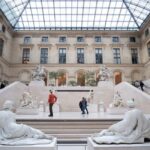
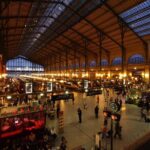
The Musée d’Orsay is not simply a room full of famous paintings. The building itself shapes the visit. It occupies the former Gare d’Orsay, an old railway station, and its enormous interior, giant clock, and long central hall give the museum a very different feel from the Louvre.
That setting matters because the collection covers a period of rapid change in European art. You move from academic painting and sculpture toward Realism, Impressionism, and Post-Impressionism. Without some direction, it is easy to admire a few famous canvases and miss how one artistic movement led to another.
A private guide gives you a clear path through that change. Instead of spending your first half hour figuring out a map, you meet at the museum and head toward the important works. You can ask why Monet painted light in a certain way, how Renoir treated people and color, or what made van Gogh’s work so different from the paintings around him.
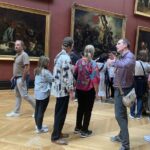
The private setup is especially useful for families and small groups with different interests. One person may care about painting, another about sculpture, and another about the building. A guide can adjust the pace and explain why each work matters without forcing everyone into a fixed group script.
You can also read our reviews of more guided tours in Paris


Meeting at Rue de la Légion d’Honneur
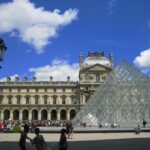
The tour begins at Rue de la Légion d’Honneur, 75007 Paris, near the Musée d’Orsay. The experience ends back at the meeting point, and the area is served by public transportation.
Plan to arrive early. The timing instructions call for meeting before the stated start, and punctuality matters because the tour has a firm end time. One reported problem involved a guide arriving about 20 minutes late, with the visit still ending at the scheduled time. That reduced the museum time and caused understandable frustration.
This is not a reason to reject the tour, but it is a reason to treat the meeting time seriously and confirm the details before setting out. Keep your phone available in case you need to contact the host. The museum is a busy Paris attraction, and a few spare minutes can make the start less stressful.
You should also remember that the $79 price does not include admission. Museum tickets cost €16 per person and must be paid directly to the host in cash. Add that amount for every member of your group when comparing the tour with other guided options.
The Building Comes First
The first part of the visit focuses on the museum’s architecture. This is a smart beginning because the old station gives you a visual key to the whole experience.
The Gare d’Orsay was built for railway travel, yet its grand proportions now house paintings, sculptures, decorative arts, and enormous clocks. The main hall gives you a sense of movement and scale, while the clock features offer a memorable view of the building’s former purpose.
A guide can point out how the structure differs from a purpose-built art museum. You are not walking through a series of quiet white rooms alone. You are exploring a converted public building where iron, glass, stone, and art share the same space.
This opening also helps you get your bearings. The museum can feel large during a first visit, and it is easy to wander without a plan. Starting with the building gives you something worthwhile to notice even before you reach Monet or van Gogh.
Following the Impressionist Thread
The heart of the tour is the museum’s Impressionist collection. The guide takes you to major works by artists such as Monet, Renoir, and Degas, then places those paintings within the larger story of nineteenth-century art.
The useful part is not simply being told a painting’s title. A good explanation shows you what to look for. You may be asked to compare brushwork, notice how light changes a scene, or consider why an artist chose an everyday subject instead of a grand historical one.
The guide can also explain the move from traditional academic painting toward the looser methods associated with Impressionism. That chronological approach received particular praise in the supplied material. One French-language assessment highlighted the way the guide explained chronology, symbolism, and each work’s place in art history.
You do not need to arrive with a background in art. The point of the tour is to make the collection readable. If you already know Impressionism well, you can use the private format to ask more focused questions or request less familiar works.
The museum’s paintings are often the main reason people book this experience, but the tour is not limited to a single artist. A guide may connect Monet and Renoir to Degas, then show how Post-Impressionist painters moved in new directions.
Monet, Renoir, Degas, and van Gogh
Monet and Renoir are central names here, and you can expect to see important examples of their work. The value of seeing these paintings in person is that scale, surface, and color often register differently than they do in a book or on a phone.
Degas adds another angle to the visit. His work gives the guide a chance to discuss movement, bodies, performance, and unusual viewpoints. The conversation can move beyond the familiar image of Impressionism as pretty outdoor scenes.
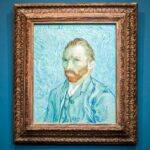
Van Gogh brings the story into a more intense and personal phase. His work is often discussed in relation to color, brushwork, and the direction taken by Post-Impressionism. You can ask the guide to compare his approach with the softer light effects found in Monet or Renoir.
Several guides received specific praise for making these connections clear. Julien was described as leading an interesting account of Impressionist art while showing the museum highlights. Anna was noted for opening up new ways to understand the works, and Chrystelle was described as friendly and well informed while presenting the Impressionist collection.
The individual guide matters. Names associated with this experience include Anna, Julien, Fernanda, Emmanuelle, Emmanuel, and Chrystelle. Assignments can vary, so you should not assume a particular person will lead your tour unless that is confirmed at booking. Still, the repeated descriptions of clear explanations, patience, warmth, and good preparation point to a strong guide-led format.
You can also read our reviews of more private tours in Paris





Sculpture and More Than Paintings
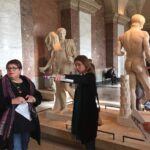
A common mistake is to treat Musée d’Orsay as an Impressionist painting stop only. The collection also includes sculpture, and Julien was specifically praised for including Rodin alongside Monet and Renoir.
That wider view improves the visit. Sculpture helps you think about form, movement, and the human body in three dimensions. It also keeps the tour from becoming a parade of famous canvases with no sense of the museum’s full collection.
Your guide may select different works depending on your interests and the time available. If sculpture matters to you, say so at the start. The tour is private, which makes that request practical rather than disruptive.
The same applies to artistic periods. You can ask for more Impressionism, more Post-Impressionism, more sculpture, or a broader account of how the museum’s works fit together. The stated format is flexible, but the guide cannot show everything in two hours.
What Two Hours Really Gets You
Two hours is enough for a purposeful introduction, not a complete museum visit. You should expect the guide to lead you through the main highlights, explain the building, and give you a working understanding of Impressionist and Post-Impressionist art.
The pace may feel brisk if you want long periods in front of every painting. A guide who stops for detailed questions can cover fewer rooms, while a group that prefers a broad overview can see more. That tradeoff is normal in a museum of this size.
The best use of the schedule is to let the guide handle the major works, then continue alone after the guided portion. The tour specifically allows time to wander through the rest of the museum at your own pace. This is one of its best features.
Use the guided hour or two for orientation and context. Afterward, return to paintings that caught your attention, explore rooms the guide skipped, or simply enjoy the building without having to keep up with anyone.
One family had a tiring morning after visiting the Eiffel Tower, yet Julien adjusted well to the group’s energy. That detail points to an advantage of a private tour: the guide can respond to your group instead of following a fixed pace. Still, you should not expect the guide to remove the need for walking and standing inside the museum.
The Price and What You Actually Receive
The listed price is $79 for the private tour, with group discounts available. Since the tour is private, that amount can offer fair value for a couple, family, or small group that wants personal attention rather than a large scheduled walk.
The extra €16 admission charge per person changes the calculation. A solo visitor pays the tour price plus the museum ticket, while a larger group may find the private cost easier to justify when spread among several people. You must also have the ticket money in cash for the host.
The tour includes a private guide and a carbon-neutral experience. It does not include museum admission, meals, transportation, or any other extras. The strongest value comes from the guide’s ability to save time and explain what you are seeing.
If you are content to walk through the museum alone and read labels, admission may be enough. If you want a clear route, personal questions, and an art lesson shaped around your interests, the added cost makes more sense.
Who Will Get the Most From This Tour
This experience suits a first visit to Musée d’Orsay, especially if the museum feels intimidating or you have limited time in Paris. It also works well for people who want more than a quick look at the famous paintings.
Families may appreciate the private format because a guide can keep children involved with stories and questions. Julien was praised for his warm approach and patience with a family group, while Anna was described as attentive and accommodating.
Art lovers can use the tour differently. Instead of asking for a general highlights route, request a focus on one artist, one movement, or the relationship between painting and sculpture. The guide can then use the two hours more selectively.
This may be less suitable if you prefer complete independence from the start, want to spend half a day examining every room, or dislike fixed meeting times. The tour is focused, and its value depends on your willingness to follow a guide for the first portion.
Practical Details That Matter
Confirmation is provided at booking. The tour is near public transportation, and most people can participate. It is a private activity, so only your group takes part.
Admission tickets are paid directly to the host in cash at €16 per person. Do not arrive assuming the advertised tour price covers the museum entrance.
The experience is non-refundable and cannot be changed for any reason. If you cancel or request an amendment, the amount paid will not be returned. Book only after your Paris schedule is firm.
Multiple start times are available, which helps you fit the museum around other plans. An early start may be useful because the museum can become crowded, and one practical recommendation from the supplied comments was to go early and begin upstairs before the rooms fill.
That advice is worth following when possible. A quieter first stretch can make it easier to hear the guide and spend time with the best-known works.
Should You Book the Musée d’Orsay Private Tour?
Book this tour if you want a personal route through Impressionism and value a guide who can explain what you are seeing in plain terms. The private format, flexible focus, and strong feedback about guides such as Anna and Julien make it a good choice for families, first-time museum visitors, and people with only two hours.
Before booking, budget for the separate €16 admission ticket in cash, arrive early, and accept that the visit ends on schedule. If you do that, the tour gives you a useful introduction to the building, the major artists, and the ideas behind the art, followed by freedom to explore on your own.
FAQ
Where does the Musée d’Orsay private tour begin?
The meeting point is on Rue de la Légion d’Honneur, 75007 Paris, France.
Where does the tour end?
The activity ends back at the meeting point.
How long does the tour last?
The tour lasts approximately two hours.
Are Musée d’Orsay admission tickets included?
No. Museum admission is separate from the tour price.
How much is museum admission?
The entrance ticket costs €16 per person.
How do I pay for the museum ticket?
You pay the €16 admission fee directly to the host in cash.
Is this a private activity?
Yes. Only your group takes part in the tour.
Which artists can I expect to see?
The tour can include works by Monet, Renoir, Degas, van Gogh, and other Impressionist and Post-Impressionist artists. Rodin sculptures may also be included.
Can I choose the artistic focus?
Yes. The guide can tailor the visit to your interests, including a favorite artist or style.
Are different starting times available?
Yes. Multiple start times are offered to help fit the tour into your Paris schedule.