REVIEW · PARIS
Paris: Musee d’Orsay Private Guided Tour
Book on GetYourGuide →Operated by VISIT · Bookable on GetYourGuide
Orsay has a story you can walk into. I love the way a licensed guide turns impressionist paintings into something you can actually see and feel, and I love that the 2-hour itinerary keeps the visit tight instead of turning into wandering. One possible drawback: the museum has plenty of stairs, so if you’re limited, you’ll want to go at a slower pace.
The tour starts outside in front of the huge entrance sculptures, including the rhinoceros and an elephant that’s about 3 meters tall. Meeting your guide there makes the whole thing less stressful, and the first stories set you up to understand why this museum is so famous.
This is a private group experience for up to 6 people, led in English, French, or Spanish. You’ll get a planned route through the museum’s key works, with time to ask questions while you’re standing right in front of the art.
In This Review
- Key things you’ll notice right away
- Orsay’s rhinoceros meetup and the first stories
- Why a private 2-hour plan beats wandering
- How the guide turns impressionism into a story you can follow
- Inside the highlights: what your route is built to cover
- Skip-the-ticket line: faster access, still plan a buffer
- Timing, stairs, and comfort tips that actually matter
- Price and value: what $471 buys for up to 6
- Who this tour fits best
- Should you book the Musée d’Orsay Private Guided Tour?
Key things you’ll notice right away
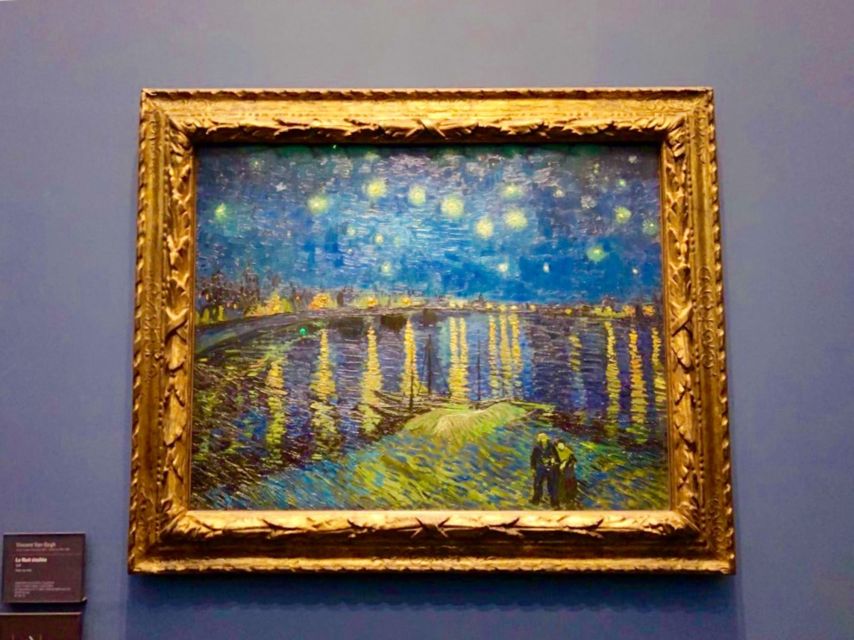
- Meet the guide at the rhinoceros: easy, visual landmark on the Orsay esplanade
- A focused 2-hour route: covers the museum’s most important artwork instead of random roaming
- Expert storytelling: your guide connects artists, paintings, and the movement’s timeline
- Reserved access that can still have a short line: usually much quicker than the standard entrance
- Licensed guide + entrance ticket included: less hassle, one set of essentials
- Private pace for up to 6: better questions, less waiting around
Orsay’s rhinoceros meetup and the first stories
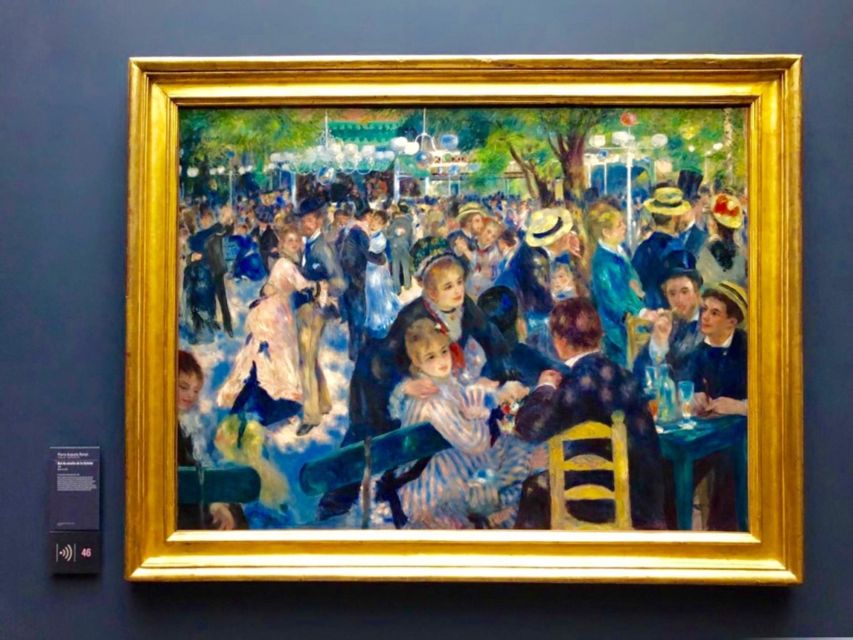
You don’t start this tour by hunting around ticket gates. You start at a clear visual marker: the rhinoceros statue on the esplanade at Musée d’Orsay, located at 1 rue de la Légion d’Honneur in Paris. That’s smart in a museum area where details like meeting points can turn into time-wasters.
Right at the start, you get hit with the museum’s vibe: it’s in a former railway station, and the entrance sculptures (including that 3-meter elephant) make the building feel theatrical before you even step inside. Your guide then sets the stage with the legend of Orsay, which matters because the museum isn’t just a warehouse of famous paintings. It’s a curated story of the art world shifting in the late 1800s.
This opening tone pays off later, because impressionism can feel confusing if you only look at technique. With the guide leading, you’re primed to see relationships: between artists, between styles, and between what people expected at the time versus what actually arrived on canvas.
You can also read our reviews of more guided tours in Paris



Why a private 2-hour plan beats wandering

A lot of people think a museum visit is about seeing everything. At Orsay, that mindset can burn time fast. This tour is only 2 hours, so the value is in focus. The experience uses a carefully planned itinerary that covers the collection’s most important artwork, which means you’re not left guessing what to prioritize.
In practice, that changes your whole rhythm. Instead of asking, Where do we go next?, you’re moving from one key work to the next with an explanation that helps you understand what you’re looking at. You get to spend time on the paintings that usually matter most to the museum’s impressionist identity, and you avoid the dead time of getting your bearings.
It also helps that this is a private group. Even with a small group, museums can feel loud and rushed. Here, you’re not competing with a herd for attention. Your guide can slow down when questions come up, and you can redirect if something catches your interest.
How the guide turns impressionism into a story you can follow
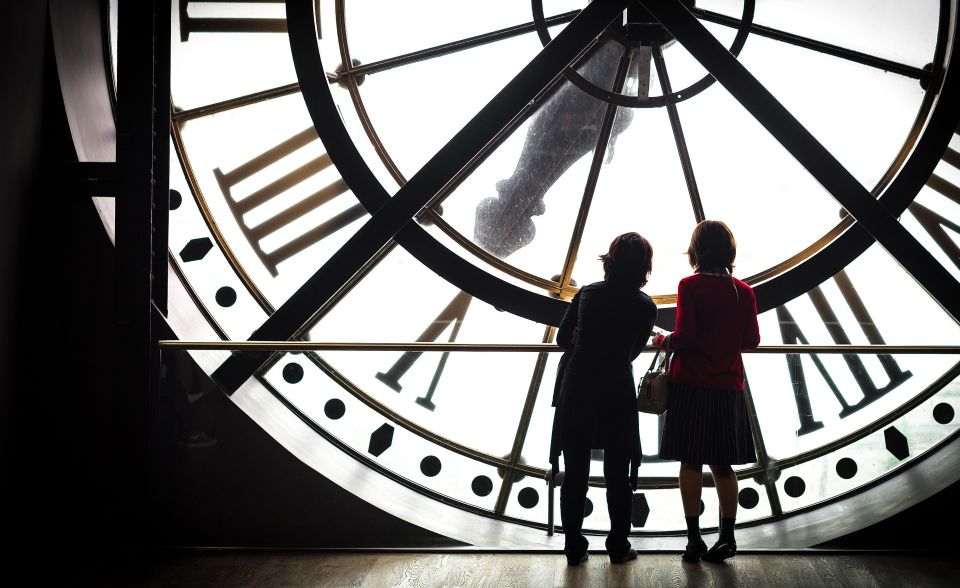
The biggest strength of this experience is the live interpretation. You’re not just reading labels. You’re listening to an expert guide who connects artists and paintings to what’s happening in the movement itself.
A core idea your guide will explain is how the museum and its impressionist identity came together. The museum was born from an association of a small number of artists in the second half of the 19th century. At first, that work faced heavy criticism. Over time, that same approach became influential for the period. That arc—start with doubt, then earn respect—is a big reason Orsay is such a good museum for first-timers.
I also like that the guides reportedly match the visit to what you care about. In past tours, guides such as Élodie, Marine, Myriam, and Valerie were described as bringing real passion for the subject and tailoring attention to what the group found interesting. One guide’s approach even included a quick overview of the collection first, then deeper attention to the works that mattered most to the group.
That two-step style is exactly what you want in a 2-hour visit. You get the big picture early, then you spend the remaining time on the works that make the movement click.
Inside the highlights: what your route is built to cover

The tour is designed to hit Orsay’s most important artwork, so your time is spent where the museum’s impressionist story is strongest. Since you’re following a planned itinerary, you’ll typically move through major impressionist themes rather than bounce randomly.
Here’s how that usually feels from a visitor perspective:
- You start with an orientation about the museum’s identity and the impressionist movement’s early struggle.
- Then you shift to the paintings themselves, with guidance focused on why these works became landmarks.
- Finally, you keep moving through additional key works, with room for questions so you can clarify anything that’s still fuzzy.
Even when you already know a few famous names, it’s easy to miss why their choices mattered. The best part of a guided approach is that you see the logic behind the brushwork and the mood. You’re learning the “why,” not just collecting facts.
One more practical benefit: the museum can be crowded. A guided route helps you keep momentum. Instead of standing around deciding where to go next, you’re always heading toward the next highlight that belongs to the same story.
Skip-the-ticket line: faster access, still plan a buffer
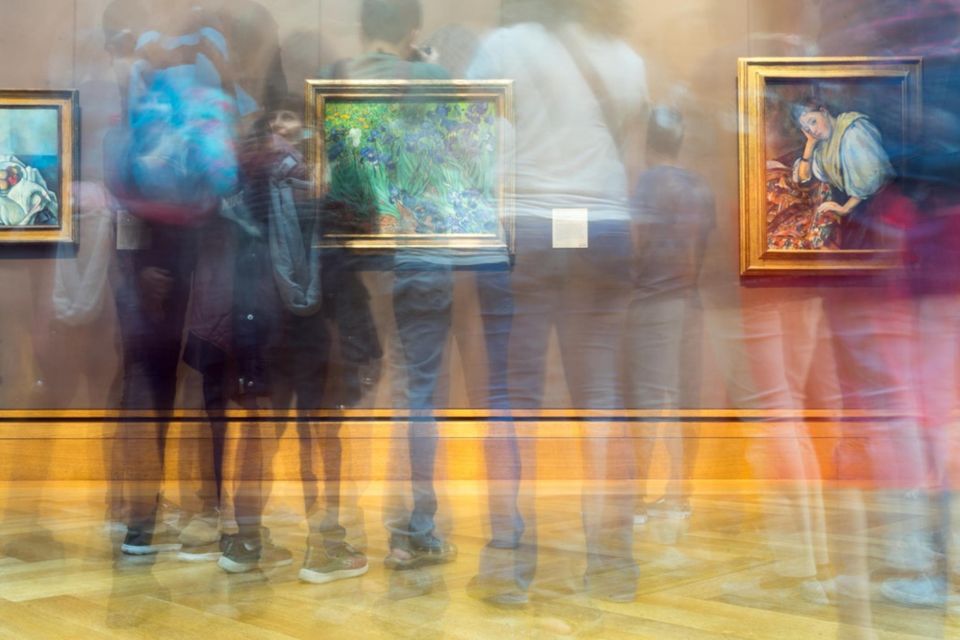
This tour includes Orsay Museum entrance ticket and skip-the-ticket line access. That’s a real time-saver, because Orsay is one of those popular places where lines can eat your morning.
Still, here’s the honest part: there may be a line at the reserved access entrance. The good news is that it should be much shorter than the standard entrance.
I’d also recommend you build in a small timing buffer at the start. One guide had an arrival mismatch in the past (a rendezvous time was listed earlier than when the guide actually arrived), and that’s the kind of thing that can throw off your schedule if you’re already tight. In other words: show up a few minutes early for the rhinoceros statue, and you’ll sleep better.
You can also read our reviews of more private tours in Paris





Timing, stairs, and comfort tips that actually matter
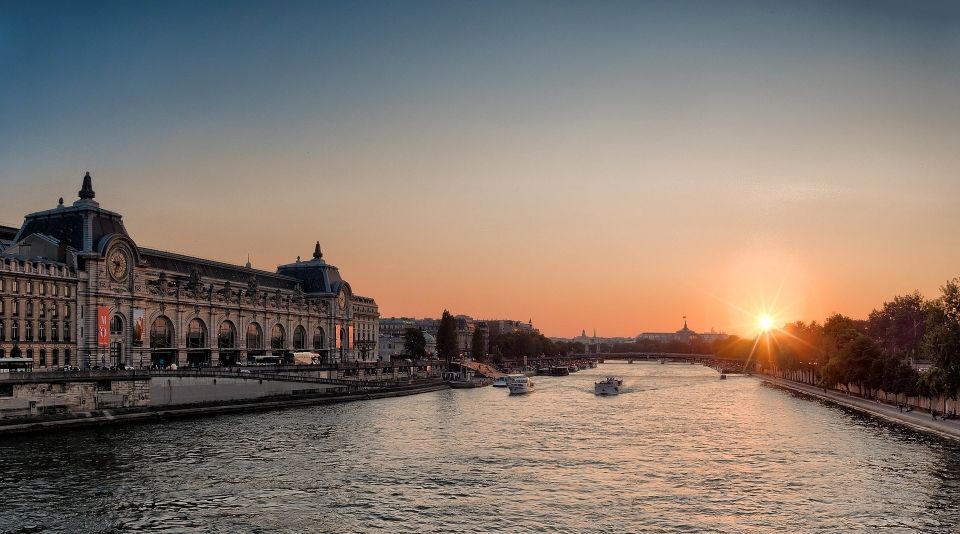
The tour lasts 2 hours. That’s enough time for meaningful focus, but it’s also enough time to notice physical strain if you’re not careful.
One guest specifically mentioned that after knee replacement surgery, the multitude of stairs was challenging but manageable when the guide helped them take it slower. So if you have mobility issues, don’t just hope for the best. Tell your guide right away, and pace yourself from the first stops.
Also bring the basics. You’ll need a passport or ID card. That matters because the tour info notes that persons under 18 and EU residents under 26 may have valid ID for entry.
Food and drinks aren’t included, and transfer isn’t included either. Plan to arrive on time with water if you need it, and think about where you’ll grab a snack after. Since your route is concentrated, you won’t have long breaks built into the experience.
Price and value: what $471 buys for up to 6
At $471 per group (up to 6 people), this is not a budget way to visit Orsay. But it’s also not just “an expensive ticket.” You’re paying for three things that are hard to replicate on your own:
First, you’re paying for a licensed guide for a full 2 hours. That’s what turns the museum from a scan-and-hope experience into a guided narrative.
Second, you’re paying for a planned itinerary that focuses on the most important artwork. If you’ve ever tried to see Orsay with only a phone map, you know how easy it is to waste time walking past the best parts without really understanding what you’re looking at. Guidance reduces that guesswork.
Third, you get reserved access that can mean less time in lines, plus your entrance ticket is included. Even if the reserved line isn’t always zero, skipping the worst of the wait is often worth real money when your time in Paris is limited.
Who makes this especially good value? Small groups. Because the price is per group, not per person, the cost effectively drops as more people share it—assuming you all want a guided, structured visit.
Who this tour fits best
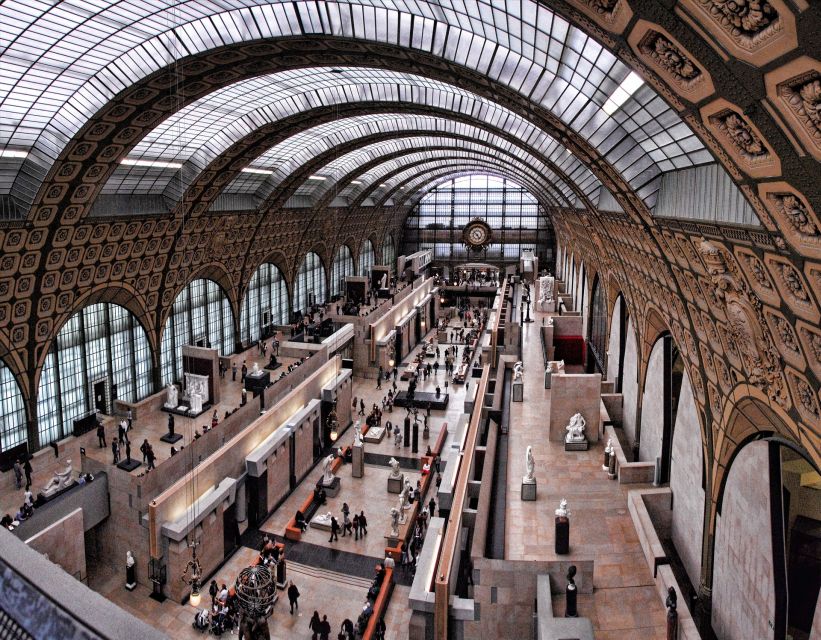
This private Musée d’Orsay guided tour is ideal if you want a high-quality impressionist experience without turning your trip into a homework assignment.
It’s especially a good fit if you:
- Want a guided storyline about impressionism, not just a list of famous artists
- Prefer a private pace where you can ask questions
- Are short on time and want the museum’s most important works covered in 2 hours
- Enjoy learning history through the art itself, including how the movement was criticized at first and later became influential
It’s also a good option for families or mixed ages when you want structure. One past guide experience specifically noted entertaining, informative guidance for children as well as adults, which is the kind of balance you want in a museum visit that can otherwise feel too long for younger travelers.
If you’re totally fine with climbing stairs at a brisk pace, this will feel easy. If stairs are an issue, it can still work, but you’ll want to communicate your needs early and keep expectations realistic.
Should you book the Musée d’Orsay Private Guided Tour?
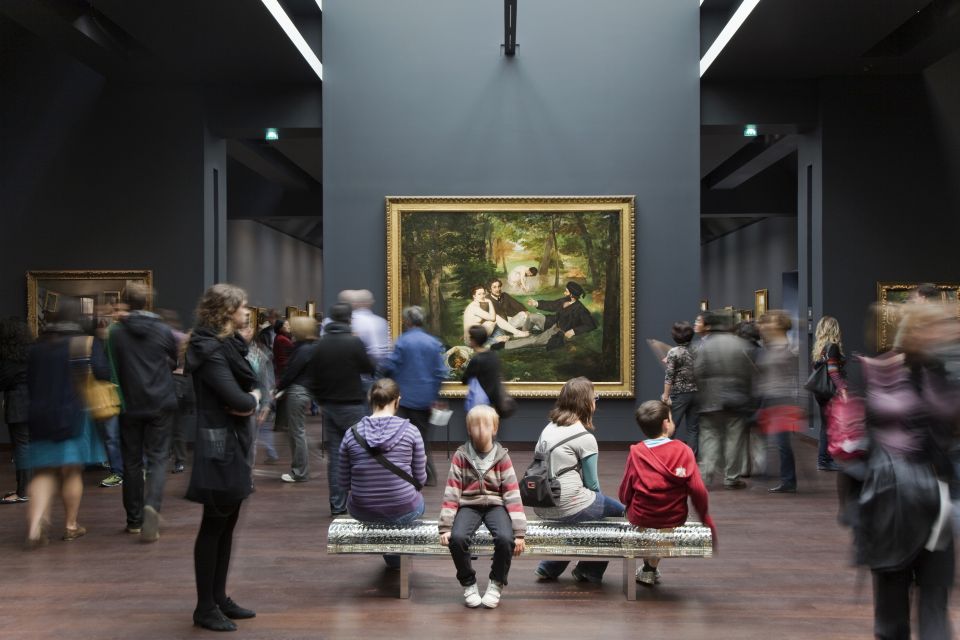
If you want the impressionist highlights without wasting half your visit figuring out what to see, I think this is a strong choice. The combination of a licensed guide, a 2-hour focused itinerary, and skip-the-line reserved access is built for visitors who want meaning, not just movement.
Book it if:
- Orsay is a priority on your Paris trip
- You’d rather spend your time learning in front of paintings than reading labels alone
- You value a private setting with a guide who can adjust to your questions
Skip it if:
- You only want a casual self-guided walk and you’re happy spending extra time navigating on your own
- Stairs are a major problem and you don’t want to go slowly with a guide
My final advice: if you do book, arrive at the rhinoceros meetup on the esplanade with a few extra minutes in mind, bring your passport or ID, and tell your guide about any mobility needs from the start. That turns a good tour into a genuinely smooth one.