REVIEW · PARIS
Paris: Montmartre & Sacre Coeur Guided Tour 12 guests 2,5h
Book on GetYourGuide →Operated by Babylon Tours Paris · Bookable on GetYourGuide
Stepping into Montmartre feels like time travel. I love how this tour threads famous art names through everyday streets, from the Moulin Rouge area to Van Gogh-related stops. I also like that you get the hilltop finish at Sacré-Cœur, where the views make the walking feel worth it. One consideration: this is a moderate-hills walk, so you’ll want solid shoes and you should skip it if you have mobility limits.
The big win here is the guide impact. Recent guides called out by name—like Eden, Tamari, Francois, Paloma, and Felix—show up with strong storytelling and energy, and they help you read Montmartre like a neighborhood, not a checklist. Still, a semi-private group means you may spend part of the time just passing by stops (quick peeks), not lingering at every single spot.
In This Review
- Key things that make this tour worth your time
- Montmartre in 150 Minutes: the best kind of orientation
- Where you’ll start (and why the meeting point matters)
- The artist-walk core: Moulin Rouge and the Van Gogh thread
- Dalí, Dalida, and the “why is this here?” stops
- Lapin Agile and the Montmartre cabaret vibe
- Place du Tertre: artists, street energy, and a realistic moment
- Sacré-Cœur Basilica: the hilltop finale (and how to use it)
- Pace, group size, and what the moderate walking means for you
- Price and value: $61 is mostly about the guide + Sacré-Cœur
- Language options and guide quality (the real upgrade)
- Who should book this Montmartre & Sacré-Cœur walk
- Should you book Montmartre & Sacré-Cœur?
- FAQ
- How long is the Montmartre and Sacré-Cœur guided tour?
- What’s included in the price?
- Is transportation included?
- How big is the group?
- Is it suitable for wheelchair users or mobility impairments?
- What do I need to bring, and can I bring luggage?
Key things that make this tour worth your time
- Small group size (max 12): easier pacing and more chance to ask questions.
- Artist-and-cabaret route: Moulin Rouge, Place du Tertre, and art-world landmarks in one walk.
- Sacré-Cœur included: you’re not left figuring out the climb or timing alone.
- Pass-by stops with context: quick looks at Dalí and other Montmartre icons, explained as you go.
- Guided hilltop viewpoint: the finale gives you that big Paris-over-the-rooftops feeling.
Montmartre in 150 Minutes: the best kind of orientation
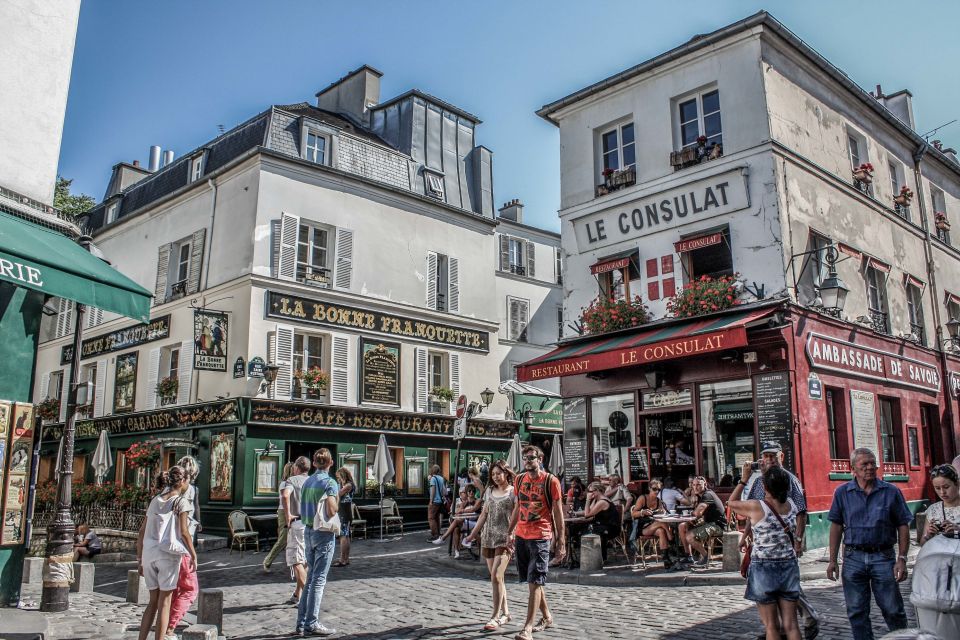
Montmartre can be confusing fast. Streets twist, crowds surge near the postcard spots, and it’s easy to miss why the area mattered to artists in the first place. This tour is built for orientation: you get the feel of the neighborhood early, then you see the big landmarks without losing time.
The structure also helps. You’re walking through the Montmartre “village” vibe on uneven cobblestones, so you learn what belongs where—Place du Tertre, the cabaret zone around Moulin Rouge, and the art-history threads that run through the hill.
And yes, the hilltop payoff is real. Sacré-Cœur isn’t just a pretty church from outside. It’s a dramatic finish point that sets your mental map of Paris from a higher angle.
You can also read our reviews of more guided tours in Paris



Where you’ll start (and why the meeting point matters)
You’ll start from one of two options, and the meeting point can vary by booking. One listed option is 57 Bd de Clichy. The practical takeaway: arrive a little early and don’t treat the start as a casual meet-and-greet.
Because this is a 2.5-hour walking tour, small delays can squeeze your time. If you’re running late, the group pace won’t wait for a slow arrival. Bring a passport or ID card as requested, and plan to keep your bag situation simple.
The artist-walk core: Moulin Rouge and the Van Gogh thread
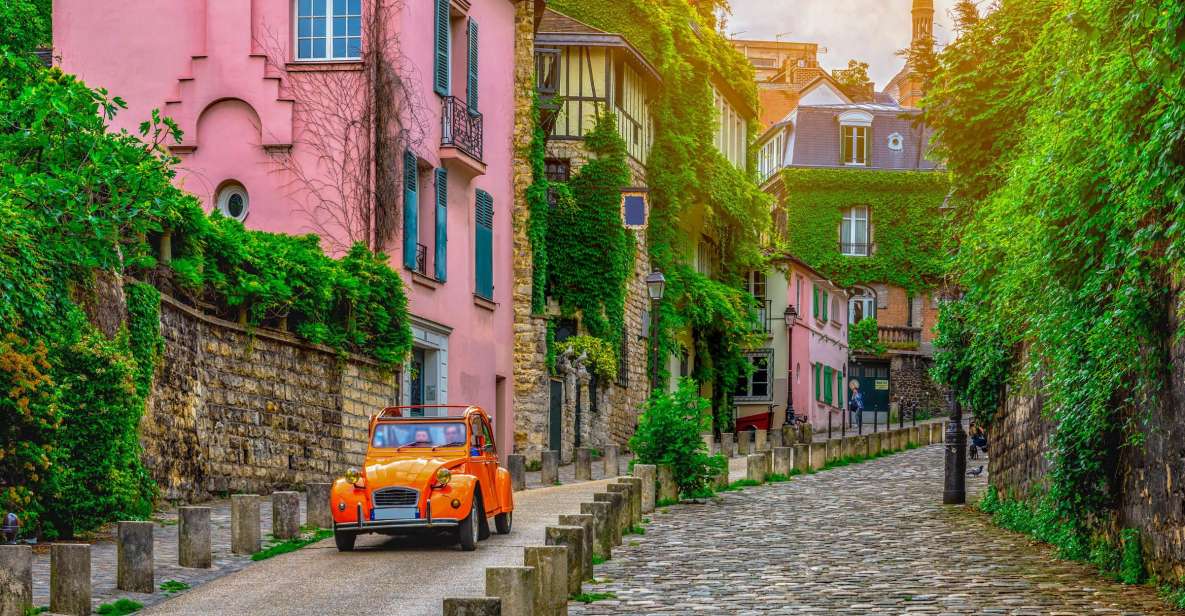
This tour wastes almost no time on the obvious. You move from Montmartre’s character streets toward the Moulin Rouge area, and the guide connects what you see to what it represented in the Belle Époque.
Near Moulin Rouge, the big value is context. You don’t just pass by a famous façade—you understand the neighborhood’s reputation for music, spectacle, and the kind of nightlife that brought both fame and controversy.
Then comes the Van Gogh element. You get to visit the former home of Vincent Van Gogh (listed as Van Gogh’s House) and hear how that presence helped shape Montmartre’s art magnetism. Even if you’re not a hardcore art person, this kind of stop is useful because it turns names into places you can picture.
A nice bonus: in at least one guided experience, the guide used a tablet with before-and-after style photos to show how the arrondissement evolved. That helps a lot when you’re trying to imagine what an area looked like in earlier decades.
Dalí, Dalida, and the “why is this here?” stops
Montmartre is full of statues and odd little markers that look random until someone explains them. This tour includes several quick but meaningful pass-by moments that add up.
You’ll see the Dalida statue and make stops around places associated with Dalí, including Dalí Paris and Maison de Dalida. You also pass Le Bateau-Lavoir, a site tied to Montmartre’s creative history. Even when these segments are brief, the guide’s job is to connect the dots so you’re not just collecting photos.
Why this matters for you: modern Montmartre can look like a collage of eras. Without explanation, it’s easy to treat it all as decoration. With a guide, the artwork references start to feel like a language.
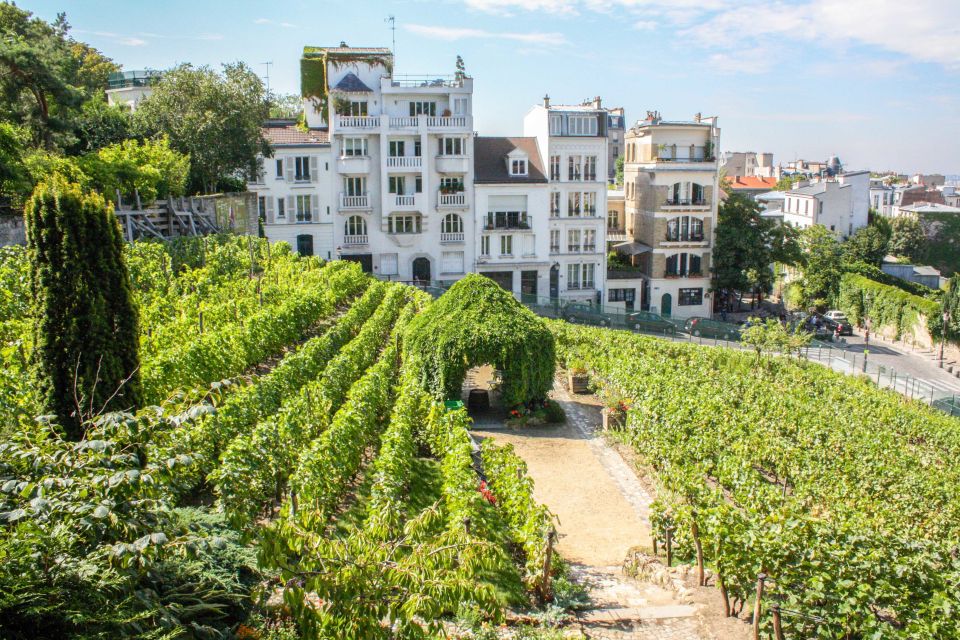
You also get the chance to see the Sauvage Saint-Vincent Garden and pass Vigne du Clos Montmartre. These stops help break up the street-crowd feel. They’re the reminders that Montmartre isn’t only cabarets and benches for selfies—it has patches of green and old-school hill life.
Lapin Agile and the Montmartre cabaret vibe
The tour includes a walk-by of Lapin Agile, which fits perfectly with the neighborhood’s cabaret storytelling. This is where Montmartre’s reputation gets explained in a way that’s more than trivia.
Lapin Agile works as a tonal shift. After you’ve seen the high-recognition spots, this stop brings you back to the smaller, characterful side of the hilltop nightlife story. It’s also a good reset if you’re getting sensory overload from crowds.
The guide can usually explain why these venues became cultural shorthand for the neighborhood—how they fed the reputation that artists and audiences both chased.






Place du Tertre: artists, street energy, and a realistic moment
Place du Tertre is one of those spots where your expectations can go off track. It’s busy. It’s also very Montmartre.
The value of including it is not that you stand still forever. It’s that you see the place at the moment where the neighborhood’s identity is most visible: the artists’ presence, the lively street vibe, and the sense that Montmartre has always been a stage.
Your move: come with patience. Even in a small group, you’ll likely spend some time navigating around other people taking photos or browsing. If you want the most usable photos, position yourself quickly when the guide pauses and then let the group flow.
Sacré-Cœur Basilica: the hilltop finale (and how to use it)
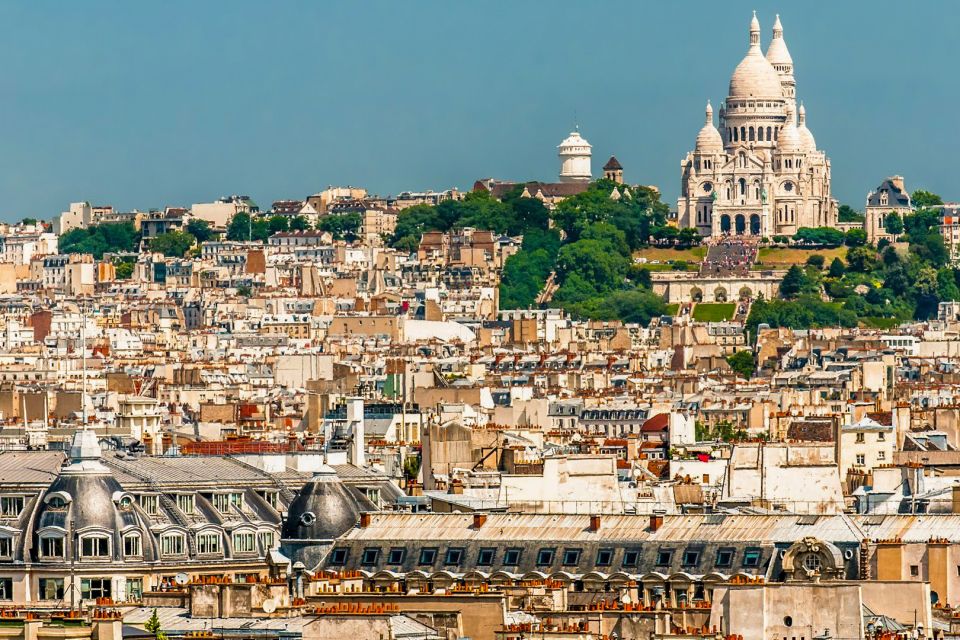
This is the moment you’ve been walking toward: Sacré-Cœur Basilica. It’s the iconic white landmark perched above Montmartre, and the tour gives you time to actually experience it, not just spot it.
The big payoff is twofold:
- You get a guided visit to the cathedral area, which helps you understand what you’re looking at.
- You get the panoramic view over Paris from the hilltop perspective.
The tour description also notes an especially spectacular view as the sun goes down. Even if the sky doesn’t do a perfect sunset every day, the altitude makes the sightline over the city dramatic.
One practical note: some specific rooms inside museums or cultural spaces can have quiet or restricted rules, including limits on speaking. So don’t assume you’ll be able to chat like you would on the street.
Pace, group size, and what the moderate walking means for you
The tour is 150 minutes and capped at 12 guests. That’s a sweet spot. Big enough to feel social, small enough that the guide can manage the group when streets get tight.
Walking is described as moderate, and it’s not a wheelchair-friendly route. There are hills and cobblestones. From the guidance and tips tied to the experience, this is where your shoe choice matters. If your feet hate uneven ground, you’ll feel it here.
Also, no large bags or suitcases are allowed. If you’re traveling with a day bag, that’s fine—just keep it compact. If you’re arriving from a luggage-heavy day, plan your swap ahead of time.
Price and value: $61 is mostly about the guide + Sacré-Cœur
At $61 per person, you’re paying for three things:
- A guided walk through Montmartre’s key zones.
- A visit to Sacré-Cœur.
- Time-saving route planning so you don’t waste your energy figuring out where to go next.
Food and drinks are not included, and transportation isn’t included. That’s normal for a walking tour. The good part is that you’re not paying extra for a meal package you might not want.
So the value question becomes simple: do you want the story of Montmartre as you walk, with names like Van Gogh, Picasso-linked references, Toulouse-Lautrec, and the cabaret era folded into what you see? If yes, the price starts to make sense fast. If you just want photos and a self-guided drift, you may feel the cost is unnecessary.
Language options and guide quality (the real upgrade)
The guide is live and English-speaking, with multiple other languages also available. That matters because Montmartre can be tough to interpret without translation—symbols, architecture details, and references to artists and nightlife traditions.
The most consistent praise across guide names—Eden, Tamari, Francois, Paloma, Anastasia, Fred, Alex, Felix, and Liliyana—is that the tours feel alive. People highlight how guides bring architecture and culture into the story, keep the group engaged, and adapt when the group’s interests lean toward art history or neighborhood vibe.
One small practical upside of a strong guide: you learn where to look. Instead of “there’s a building,” you get “here’s why that mattered.” That’s the kind of payoff that stays with you after the photos fade.
Who should book this Montmartre & Sacré-Cœur walk
This tour is a great fit if:
- You want an efficient first look at Montmartre with art + cabaret context.
- You like walking tours, and you’re comfortable on uneven pavement and hills.
- You want to end with Sacré-Cœur and a city view.
It’s not a great fit if:
- You have mobility impairments or you need step-free or wheelchair access (the tour isn’t available for wheelchair users).
- You hate walking or you’re only comfortable on flat ground.
- You’re hoping to linger long at every stop. A lot of landmarks are short pass-bys.
Should you book Montmartre & Sacré-Cœur?
If you’re weighing options, I’d book this one if your main goal is to understand Montmartre quickly and see Sacré-Cœur with a guide. The route makes sense: it moves from the village streets and the cabaret world toward the hilltop crown.
Skip it if you want a slow, independent art crawl with lots of sitting time. Also skip it if your body isn’t ready for hills and uneven ground.
One more small decision tip: look at your day plan. If Montmartre is your one big neighborhood outing, this tour does the heavy lifting. If you’ll already have lots of time there later, you might save money and do a self-guided pass. But for a tight schedule, this is a solid value.
FAQ
How long is the Montmartre and Sacré-Cœur guided tour?
The tour lasts about 150 minutes, which is roughly 2.5 hours.
What’s included in the price?
You get a walking tour, an English-speaking live guide, and a visit to Sacré-Cœur Cathedral.
Is transportation included?
No. Transportation is not included.
How big is the group?
The tour has a maximum of 12 guests per guide for a more intimate experience.
Is it suitable for wheelchair users or mobility impairments?
No. It’s not available for wheelchair users or people with walking disabilities.
What do I need to bring, and can I bring luggage?
Bring a passport or ID card. Large bags or suitcases are not allowed.