REVIEW · PARIS
Paris: Ménagerie Zoo of Jardin des Plantes Entrance Ticket
Book on GetYourGuide →Operated by GetYourGuide Tours & Tickets GmbH · Bookable on GetYourGuide
Paris has plenty of monuments. This one is alive. The Ménagerie Zoo in Jardin des Plantes mixes animal education with serious conservation work inside some of the zoo’s oldest buildings. I love the feeling of stepping into a place that’s been doing this since 1794, and I really like how the visit connects animal stories to global conservation wins, not just sightseeing.
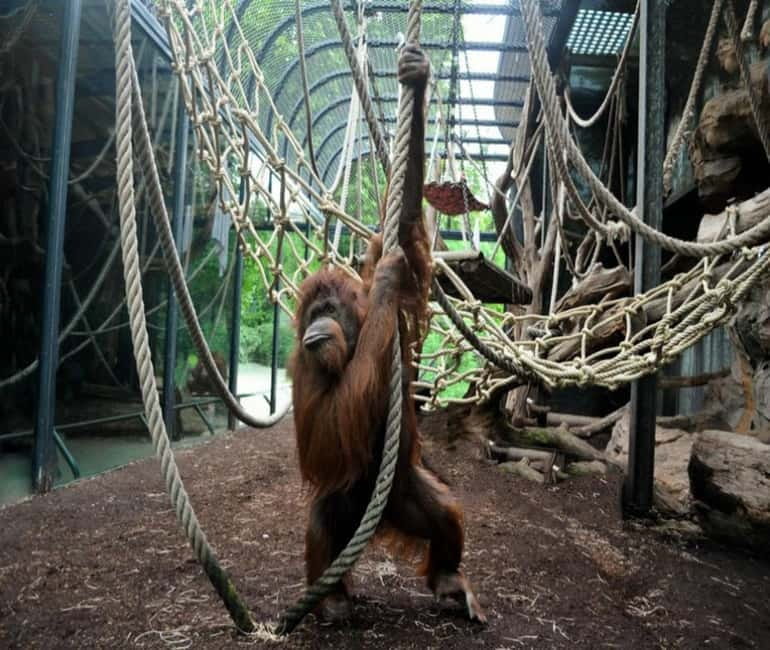
One thing to consider: animal welfare can be a sensitive topic, and at least one recent booking raised worries about the condition and size of some enclosures (including leopard and orangutan areas). I’d handle this by slowing down where you have concerns and watching how animals use their space and shelter, instead of treating it like a quick pass-through.
In This Review
- Key things I’d plan around
- Jardin des Plantes: the setting that makes the zoo feel different
- The “wow” factor: newborn animals and the feeling of discovery
- 150 species, but with a specific focus on size and design
- Conservation you can actually connect to real animals
- The architecture: Rotonde and Grande Volière are more than eye candy
- The 12-step biodiversity trail: a simple way to turn wandering into learning
- Workshops and keeper moments: when the humans matter as much as the animals
- Iconic species stops: where I’d spend extra minutes
- The winter reality check: what a colder visit can feel like
- Your one-day game plan: how to structure the visit
- Getting there: bus, Batobus, Metro, and RER options that actually work
- Ticket value: is $15 really worth it?
- Who this is best for (and who might want a different plan)
- Should you book the Ménagerie Zoo ticket?
- FAQ
- How much does the Ménagerie Zoo at Jardin des Plantes entrance ticket cost?
- How long is the ticket valid?
- What is included in the ticket?
- What public transport can I use to reach Jardin des Plantes?
- Is the zoo wheelchair accessible?
- Are children under 3 admitted for free?
- Is there free admission for disabled visitors?
- When is last admission?
- Can a full-price ticket be used at other sites?
Key things I’d plan around
- One of the world’s oldest zoos (since 1794), right in the middle of Paris.
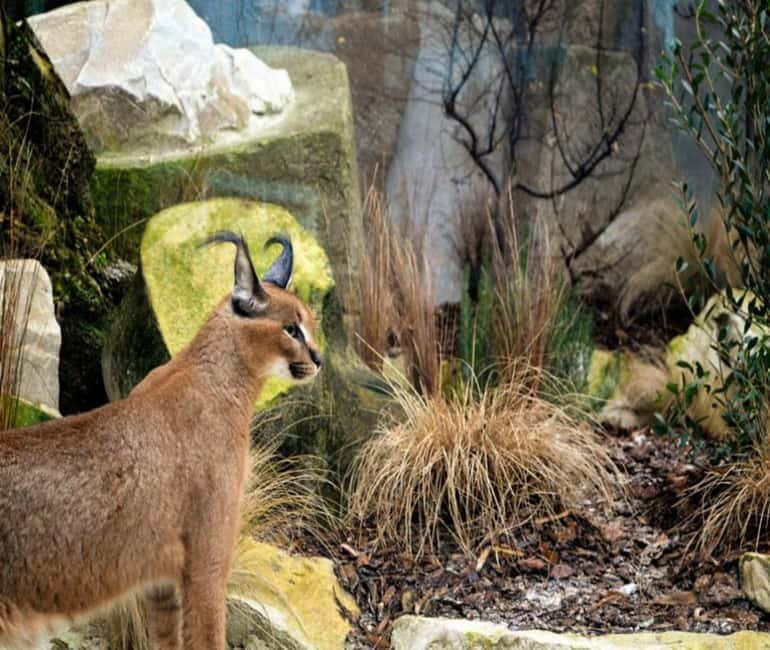
- 150 species, with nearly 40% threatened and a focus on small-to-medium animals.
- Spring births can be a highlight, including young short-tailed pademelons and Kirk’s dik-dik.
- Conservation breeding and reintroduction, including Arabian oryx and golden lion tamarin programs.
- Classic zoo architecture, with stops like the Rotonde and the Grande Volière.
- A learning loop, via a 12-step biodiversity trail, workshops, and keeper time.
Jardin des Plantes: the setting that makes the zoo feel different

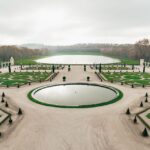
If you’re used to zoos that feel like a straight line of cages, Jardin des Plantes is a different mood. You’re in a botanical-and-research ecosystem in Paris, and the Ménagerie Zoo sits inside that intellectual, plant-filled world. Even if you only have one day, the grounds help you slow down. You’re not racing from exhibit to exhibit as much as you’re wandering through a living campus.
The ticket is simple: you’re buying entrance to the zoo for the day. That matters because you can pace yourself. Go fast if you want the big animals. Go slow if you care about the details like enclosure design, animal behavior, and the people running the place.
A few more Paris tours and experiences worth a look


The “wow” factor: newborn animals and the feeling of discovery
The most memorable moments here tend to be the same kind of moments across good zoos: births, young animals, and caretakers doing their work without drama. The Ménagerie Zoo specifically leans into that sense of wonder by highlighting springtime births and newborns. When a young animal is visible, you get more than a photo opportunity. You see how species start life, what they need, and how caretakers respond during early stages.
Some of the newborns you might catch during spring include short-tailed pademelons and Kirk’s dik-dik. You may also run into other young animals tied to seasonal timing. If you’re visiting outside spring, you’ll still see animals, of course. But if your trip lines up with spring, build in extra time. Stop more often. Let the visit breathe.
150 species, but with a specific focus on size and design
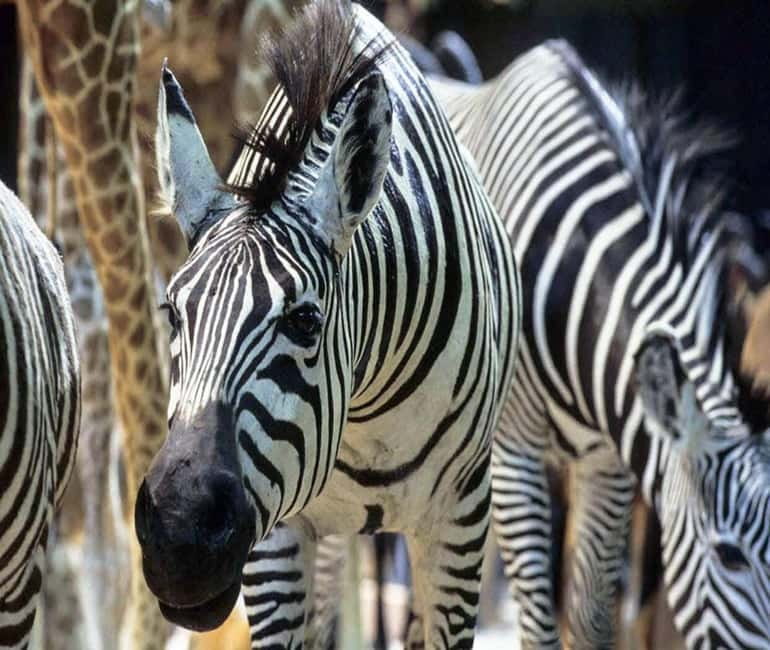
One practical thing I like about this zoo is its clarity: it prioritizes small to medium-sized species. That affects your expectations in a good way. You’re less likely to feel like you’re missing the big safari cast, and more likely to notice the thoughtful enclosure planning for animals that need specialized habitats.
You’ll encounter around 150 species total, and the zoo’s conservation message is built around the reality that nearly 40% are facing extinction. That number isn’t just a poster fact. It’s a framing device for how you walk through the zoo: you’re encouraged to think about breeding programs, habitat needs, and why certain species matter beyond Paris.
A good example is the roster you’ll see highlighted in the zoo experience: Rothschild’s mynahs, golden lion tamarins, and Arabian oryx. Those aren’t throwaway names. They represent different conservation angles, including breeding efforts and reintroduction work.
Conservation you can actually connect to real animals
This is where the Ménagerie Zoo feels more meaningful than a typical afternoon out. The experience centers on conservation efforts and successes, especially breeding programs and reintroduction. The zoo points to examples such as the Arabian oryx and the golden lion tamarin, species where coordinated conservation isn’t theoretical.
Why that matters for you: you’ll leave with a clearer sense of what conservation means in the real world. It isn’t only rescuing animals after the fact. It’s also managing genetics, supporting breeding in carefully designed facilities, and sometimes working toward reintroduction. That makes the animals feel like participants in a larger effort, not just exhibits.
You’ll also learn that the animal care team includes people like veterinarians and ethologists. That detail helps you understand the zoo isn’t just feeding animals and moving them around. It’s running science-based care and behavior observation. If you like when a trip teaches you how things work, you’ll appreciate that layer.
The architecture: Rotonde and Grande Volière are more than eye candy
Another reason this zoo works even for non–superfan animal lovers is the setting itself. The Ménagerie Zoo has architectural heritage from the early 19th century, and you can feel it as you move through the grounds. Structures such as the Rotonde and the Grande Volière give you visual landmarks, so the day doesn’t blur into a single long walk.
Here’s how I’d use this in your planning: treat architecture like navigation. When you spot a major building, it becomes your reset point. From there, choose your next route based on what you want most—aviary-style spaces, primate-focused areas, or the species that tie into conservation messaging.
Even if you’re not a buildings person, the architecture helps you understand the zoo’s age. This isn’t a brand-new attraction built for quick selfies. It’s an older place that evolved, and those layers are part of the story.
A few more Paris tours and experiences worth a look


The 12-step biodiversity trail: a simple way to turn wandering into learning
You don’t have to be on a strict guided tour to learn here. One of the built-in tools is a 12-step biodiversity trail. That’s useful because it nudges you to look at more than just the animal in front of you.
A trail like this helps you slow down and connect local wildlife and conservation practices to a global context. You’ll likely notice you’re thinking in terms of habitats, food webs, and survival needs. That’s a different mindset than the usual zoo checklist.
If you’re traveling with kids, this is also a decent way to prevent the classic: everyone gets bored and stops caring right after the first big animal. A numbered path gives energy and progress.
Workshops and keeper moments: when the humans matter as much as the animals
The Ménagerie Zoo is designed around more than passive viewing. You can participate in workshops and have opportunities to meet keepers. Those moments can do two helpful things for you.
First, they give context. You start to understand why an enclosure is built the way it is, why certain behaviors happen, and what staff watch for day-to-day. Second, they humanize conservation. When you hear how veterinarians and ethologists think, the conservation story becomes practical instead of abstract.
Timing will depend on what’s happening that day, so don’t expect a fixed minute-by-minute schedule. Instead, keep a flexible block in your plan for keeper/learning moments. If you see a session starting, take it. These are usually the experiences you remember most once the walking dust settles.
Iconic species stops: where I’d spend extra minutes
If you’re aiming for maximum payoff from a one-day visit, I’d treat a few species as your anchors. That’s not because every other animal isn’t worth it. It’s because anchors give you a structure for the day.
- Rothschild’s mynahs: Plan time just to slow down and watch. Birds like this reward patience, because behavior shifts can be subtle.
- Golden lion tamarins: These are often the kind of animals that spark curiosity because they’re active and easy to connect to conservation themes.
- Arabian oryx: This one ties directly to the zoo’s conservation narrative, including breeding and reintroduction work.
And beyond the headline species, keep an eye out for young animals during the spring period the zoo highlights. If you catch newborns, everything else gets more interesting, because you understand the facility’s purpose even more clearly.
The winter reality check: what a colder visit can feel like
One piece of practical advice I’d give you: the zoo can feel different across seasons. In winter, some animals may be less visible or the grounds may feel quieter. One recent booking described winter as a time to avoid if you want full animal activity and lots of viewing.
That doesn’t mean winter is “bad.” It means your expectations should adjust. In colder months, I’d prioritize covered viewing areas and indoor-feeling enclosures when you find them, and I’d plan for a slower pace. If your goal is lots of high-energy animal watching, try to time your trip closer to spring when the zoo spotlights births.
Your one-day game plan: how to structure the visit
You have a 1-day ticket, and last admission happens 1 hour before closing. That timing matters because you don’t want to discover the best exhibit is closing soon. So here’s a practical structure that works even without a set itinerary:
1) Start with the architecture and your anchors. Get your bearings early at major buildings like the Rotonde or Grande Volière so you don’t waste time later backtracking.
2) Hit conservation-linked species next. Spend your best viewing energy on animals that connect to breeding and reintroduction stories like Arabian oryx and golden lion tamarins.
3) Save the trail and learning moments for after your anchors. The 12-step biodiversity trail and any workshops you see tend to work better once you’ve already seen the zoo’s basic animal spread.
4) End with newborn-watching if the timing lines up. If you’re in spring, this is often where the emotional payoff happens. Give yourself time to linger.
This approach makes the day feel purposeful, not random.
Getting there: bus, Batobus, Metro, and RER options that actually work
Location is the big advantage here because Paris transport can drop you close. I’d pick the route based on where you’re staying, then follow walking signs into the Jardin des Plantes area.
- Batobus: get off at Jardin des Plantes stop.
- Metro/RER:
- Metro line 5 to Gare d’Austerlitz
- Metro line 7 to Censier Daubenton
- Metro line 10 to Jussieu or Gare d’Austerlitz
- RER C to Gare d’Austerlitz
- Buses: lines 24, 57, 61, 63, 67, 89, 91
- Trains: Gare d’Austerlitz and Gare de Lyon
If you’re doing a single-day zoo stop, I like arriving earlier rather than just-before-lunch. You’ll be less stressed about missing the last hour, and you’ll have time to sit briefly if your feet start sending complaints.
Ticket value: is $15 really worth it?
At about $15 per person, the Ménagerie Zoo isn’t expensive for what you get—especially if you care about learning. You’re paying for entrance to a place with 150 species, a conservation mission, a biodiversity trail, and opportunities tied to workshops and keeper interactions.
The extra value angle is the ticket’s flexibility for full-price holders. Your full-price ticket can be used for up to three months at Jardin des Plantes, Musée de l’Homme, or Parc Zoologique de Paris. That makes the ticket feel less like a one-off purchase and more like a mini pass to the wider area’s animal and human-history ecosystem.
Is this a “cheap day in Paris” deal? It can be, if you use that follow-up option or you pair it with nearby sites. If you only plan one short stop, it’s still reasonably priced for a full 1-day experience at a historic zoo.
Who this is best for (and who might want a different plan)
This zoo is a strong fit if you:
- want a Paris activity that’s more than museum walking
- like conservation stories tied to specific animals
- enjoy older European institutions with real architecture
- travel with kids who do better with structured learning like a 12-step trail
You might consider a different type of outing if:
- you only want a fast, high-energy zoo with maximum animal movement every time you visit
- you’re deeply uneasy about animal enclosures and need a setting where you feel completely confident about the view from every angle
If animal welfare is central to your decision, I’d plan to spend more time observing enclosure condition and animal behavior rather than checking boxes.
Should you book the Ménagerie Zoo ticket?
I think you should book if you want a one-day Paris experience that mixes historic charm, hands-on learning tools like the biodiversity trail, and a conservation focus you can connect to real species. The $15 price is fair for a zoo visit that isn’t only about looking, but about understanding.
Book with a bit of seasonal realism. If you’re aiming for lots of baby animals and that spring feeling the zoo highlights, plan around spring when possible. And if you’re sensitive to animal welfare topics, slow down and look closely—your comfort matters as much as the attraction.
If that’s your style, the Ménagerie Zoo is a smart way to spend a day in Paris.
FAQ
How much does the Ménagerie Zoo at Jardin des Plantes entrance ticket cost?
The ticket price is listed as $15 per person.
How long is the ticket valid?
The ticket is valid for 1 day. You can check available starting times.
What is included in the ticket?
The ticket includes entrance to the Ménagerie Zoo at Jardin des Plantes.
What public transport can I use to reach Jardin des Plantes?
You can use buses (lines 24, 57, 61, 63, 67, 89, 91), the Batobus to the Jardin des Plantes stop, Metro/RER options (including Metro line 5 to Gare d’Austerlitz, Metro line 7 to Censier Daubenton, Metro line 10 to Jussieu or Gare d’Austerlitz, and RER C to Gare d’Austerlitz), and trains to Gare d’Austerlitz or Gare de Lyon.
Is the zoo wheelchair accessible?
Yes, the experience is wheelchair accessible.
Are children under 3 admitted for free?
Yes, children under 3 years old can get free admission, and tickets can be collected at the ticket desk.
Is there free admission for disabled visitors?
Yes, free admission is available for disabled visitors and their attendant, with justification issued by les Maisons Départementales des Personnes Handicapées (MDPH).
When is last admission?
Last admission is 1 hour before closing.
Can a full-price ticket be used at other sites?
Yes. Full-price ticket holders can use their ticket for up to three months at Jardin des Plantes, Musée de l’Homme, or Parc Zoologique de Paris.