REVIEW · PARIS
Paris: Montmartre Drawing tour with a local artist
Book on GetYourGuide →Operated by iN ARTS · Bookable on GetYourGuide
Montmartre is best understood with a pencil in hand. On this three-hour drawing walk, you move through the district’s famous sights while learning how its streets, studios, and old landmarks shaped Parisian art.
I like the small group of no more than 10, which gives the guide time to offer useful, personal advice. I also like the practical setup: a sketchbook, drawing tools, watercolor supplies, and a foldable stool are all provided. The main consideration is that this is a guided art workshop, not simply a free sketching stroll. If you want complete freedom to draw anything you see, the structured exercises may feel restrictive.
In This Review
- Key points to know before booking
- Starting at Place des Abbesses with a blank sketchbook
- What the drawing exercises are really like
- Walking through the vineyards of Montmartre
- Sketching near Sacré-Coeur
- The Bateau Lavoir and Montmartre’s artists
- Moulin de la Galette and the off-route feel
- Supplies, paper, and the value of hands-on teaching
- How the guide handles different skill levels
- Rain, cold weather, and the café backup plan
- Is $93 a fair price for three hours?
- Who will enjoy this Montmartre workshop
- Should you book it?
- FAQ
- Where does the Montmartre drawing tour meet?
- How long does the activity last?
- Which languages are available?
- What drawing supplies are included?
- What happens if it rains or gets cold?
- Can wheelchair users join?
Key points to know before booking

- Draw at Montmartre’s best-known landmarks: Visit the vineyards, Sacré-Coeur, Bateau Lavoir, and Moulin de la Galette while completing short exercises.
- Use several art materials: Try pencils, markers, and watercolor rather than relying on one basic pen.
- Receive a personal sketchbook: You keep the notebook as a useful record of the day and your progress.
- Work in a small group: With no more than 10 participants, the guide can give individual suggestions without turning the session into a formal class.
- Expect a weather-proof plan: In rain or cold, activities move into a cosy café along the route.
- Choose your level carefully: The exercises suit beginners, but the guide may also correct technique for participants who want instruction.
Starting at Place des Abbesses with a blank sketchbook

The meeting point is just outside the entrance to Abbesses Metro station on Line 12. That is a useful starting place because you can arrive by public transit and avoid trying to find a street address in Montmartre’s steep, winding lanes.
Your guide gives you a sketchbook at the beginning. The notebook is not just a souvenir handed over at the end. It becomes the working space for the exercises, notes, and drawings you create during the walk.
You also receive a foldable stool and borrow the art supplies for the workshop. The kit includes pencils, markers, and watercolor materials. Having a seat matters more than you might expect. Montmartre rewards slow looking, and a stool lets you pause at a viewpoint instead of trying to draw while standing in a crowd.
The guide teaches in English or French. One practical point is worth noting: if you book in English, you should still be prepared for some French conversation in a mixed-language group. That did cause frustration for at least one English-speaking participant, so ask at the start if you need instructions repeated in English.
You can also read our reviews of more tours and experiences in Paris.



What the drawing exercises are really like

The session uses short creative activities rather than one long attempt to produce a finished painting. You may be asked to study a particular detail, work with a certain line or medium, or draw one of the objects connected with the district.
This approach helps beginners get started. A blank page can be more intimidating than the Sacré-Coeur itself, and a focused task gives you a clear first step. You are not expected to arrive with formal training.
The guide offers technical suggestions and can correct your approach. For some people, that is the main value of the experience. You can ask for feedback, test a new medium, and learn how to simplify what you see instead of trying to copy every detail.
But the teaching style may not suit everyone. One participant wanted to draw the surrounding scenes freely and found the repeated corrections frustrating. If your goal is relaxed family creativity or an informal souvenir sketch, tell the guide early that you prefer less instruction. If you want to improve your technique, the structured exercises will likely feel more useful.
Walking through the vineyards of Montmartre

The route passes the vineyards of Montmartre, one of the district’s most unexpected sights. In a city known for stone buildings and busy streets, the vines offer a different subject and a reminder that this hilltop neighborhood was not always part of central Paris.
For drawing, the vineyard area gives you shapes, rows, and changing textures to study. You can work with line and pattern rather than worrying about a grand architectural view. The guide adds local stories and explains how Montmartre became linked with painters and artistic life.
This part of the walk also helps set the pace. You are not racing from one photo stop to another. The point is to look closely, notice small details, and make a record in your own hand.
Comfortable shoes are important. Montmartre is hilly, and the tour combines walking with standing, sitting, and carrying your stool and supplies. Wear clothing suited to the forecast, since the activity continues in most weather conditions.
Sketching near Sacré-Coeur
Sacré-Coeur is the major landmark on the route, and it offers the kind of broad view that can tempt you into trying to draw everything at once. The guide’s exercises give you a more manageable way to approach it.
You may focus on a section of the building, a nearby detail, or the relationship between the church and the hill. That is helpful for beginners, since drawing a large monument from scratch can quickly become tiring. It also gives more experienced artists a chance to work on composition and selective detail.
The area around Sacré-Coeur can be busy. A small group and a portable stool make the workshop easier to manage, but you should not expect complete quiet or a private studio. This is public Montmartre, with people moving through the same streets.
The attraction here is not simply getting a drawing of Sacré-Coeur. It is learning to look at a familiar Paris sight in a slower, more personal way. Your sketchbook will show the building as you saw it on that day, not as a polished postcard image.
The Bateau Lavoir and Montmartre’s artists
The walk continues to the Bateau Lavoir, the former artist studio associated with the area’s creative past. This stop gives the guide a chance to explain the people and working spaces that helped make Montmartre famous.
The art history is part of the experience, but it is delivered during the walk rather than in a long lecture. You hear anecdotes as you move from place to place, then use the setting for a drawing task. That combination keeps the historical material connected to something you are doing with your hands.
I find this more useful than hearing a list of famous names with no sense of place. When the guide points out an artist’s former surroundings and then asks you to draw nearby, Montmartre becomes easier to understand as a working neighborhood rather than a collection of tourist landmarks.
The information is accessible to all drawing levels. You do not need to know art history before you arrive, and you do not need to identify yourself as an artist. The guide’s role is part teacher, part local storyteller, and part walking companion.
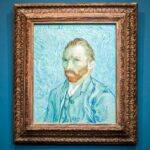



Moulin de la Galette and the off-route feel

The Moulin de la Galette brings another famous Montmartre reference into the route. It is one of the places tied to the district’s artistic image, and it gives you a chance to sketch a different kind of subject from the church and vineyard.
The walk is designed to use some less obvious streets instead of staying only on the main tourist path. That matters in Montmartre, where a few turns can change the feel of the neighborhood. You still see major sights, but the artistic focus encourages you to notice smaller corners and details along the way.
Do not expect every stop to be a long, quiet drawing session. The experience alternates between walking, short explanations, creative prompts, and time to work. That format suits people who want a mix of sightseeing and art. It may disappoint you if you want to sit in one spot for most of the three hours.
Supplies, paper, and the value of hands-on teaching

The included materials add real value to the $93 price. You are not paying only for a walking guide. You receive a sketchbook, borrow several types of drawing equipment, and use a stool that would be awkward to pack for a Paris holiday.
The guide also prepares paper suited to different drawing methods. That is a small but important detail. Watercolor paper behaves differently from ordinary sketch paper, and the right surface makes experimenting less frustrating.
You can try techniques without buying a full art kit in advance. For a first-time sketcher, that lowers the risk of spending money on supplies that may remain unused. For an experienced artist, the range of materials gives you a chance to work outside your normal routine.
The sketchbook is the item you keep. It becomes a record of the route, complete with imperfect lines, quick studies, and perhaps a few notes about Montmartre’s artists. That personal record has more character than a standard souvenir.
How the guide handles different skill levels
The activity is built for mixed ability. You can arrive with no drawing experience, while more confident participants can ask for specific advice about technique.
The guide’s manner is an important part of the experience. The strongest feedback describes a kind, non-judgmental teacher who gives suggestions when asked but allows people to work independently. That balance is ideal for a group in which some participants want instruction and others mainly want a creative afternoon.
The experience is not completely hands-off. The exercises have educational aims, and the guide may suggest changes to how you approach a subject. If you are hoping to draw only the scenes that catch your eye, make your preference clear.
A bilingual group can also affect the pace. The guide may switch between English and French, which is practical for a mixed audience but can mean that some explanations take longer or are not always in your preferred language. English and French are the available teaching languages.
Rain, cold weather, and the café backup plan

The tour runs in all weather. Bring comfortable shoes and weather-appropriate clothing, rather than assuming the activity will be canceled if the forecast looks poor.
In rain or cold, the drawing activities move into a cosy café along the route. That is a sensible backup because drawing outside becomes difficult when paper gets wet or your hands are cold. It also means the route can keep its creative focus instead of turning into a sightseeing walk with no art component.
The weather plan does not make the tour fully sheltered. You still need to reach the meeting point and walk between locations. If you dislike being outdoors in poor weather, choose a clear day when possible.
Is $93 a fair price for three hours?
At $93 per person, this is not a low-cost way to see Montmartre. The value depends on what you want from the afternoon.
If you only want to walk past Sacré-Coeur, the vineyards, Bateau Lavoir, and Moulin de la Galette, you can visit those places without booking a workshop. The price makes more sense if you want a guide, art instruction, multiple materials, a stool, and a sketchbook in one package.
The small group helps justify the cost. A limit of 10 gives the guide a realistic chance to look at your work and offer personal advice. A much larger group would turn the drawing exercises into a one-size-fits-all class.
The experience also saves you from bringing supplies. You do not need to buy watercolor paper, markers, or a portable seat before arriving. For a visitor who wants to try urban sketching without committing to equipment, that convenience is meaningful.
Free cancellation up to 24 hours before the start and the option to reserve now and pay later add flexibility. Transportation to and from the meeting point is not included, so budget for your Metro journey separately.
Who will enjoy this Montmartre workshop
I would recommend this tour to:
- Beginners who want a friendly starting point for drawing
- Couples or friends looking for a quieter creative activity
- Art students or hobby artists who want to test different materials
- Families with older children who can manage a three-hour walking session
- Visitors who prefer local stories and hands-on activities to a standard sightseeing route
- Anyone who wants a personal, handmade souvenir of Paris
I would be more cautious if you want a completely unstructured sketching session. The exercises are part of the design, and the guide may focus on technique more than you expect.
It is also not suitable for wheelchair users. The route includes walking through Montmartre, and the activity information specifically excludes wheelchair access.
Should you book it?
Book this Montmartre drawing tour if you want to slow down, learn about the district’s artists, and make something of your own while you sightsee. The prepared sketchbook, varied materials, stool, small group, and weather backup make it a well-planned three-hour activity.
Think twice if you want only casual drawing with no correction or if your priority is covering as many Montmartre sights as possible. The best match is someone who enjoys a little structure and welcomes practical art advice.
My tip is to arrive ready to state your preference. Ask for more coaching if you want to improve, or explain that you would like more freedom if you are drawing purely for fun. That simple conversation can shape the session into the kind of creative afternoon you want.
FAQ
Where does the Montmartre drawing tour meet?
The meeting point is directly in front of the entrance to Abbesses Metro station on Line 12.
How long does the activity last?
The drawing walk and workshop last three hours.
Which languages are available?
The instructor teaches in English and French.
What drawing supplies are included?
You receive a sketchbook, and drawing materials are loaned during the workshop. Supplies include pencils, markers, and watercolor, along with a foldable stool for each participant.
What happens if it rains or gets cold?
The tour continues in poor weather. In rain or cold, especially during winter, the drawing activities take place in a cosy café along the route.
Can wheelchair users join?
No. The activity is not suitable for wheelchair users.