REVIEW · PARIS
Orsay Museum: Museum Ticket Entry & 2h Private Guided Tour
Book on GetYourGuide →Operated by TourUpinEurope · Bookable on GetYourGuide
The best thing about this Musée d’Orsay tour is its private format. Instead of trying to make sense of a huge collection alone, you can ask your guide to focus on Impressionism, Van Gogh, Manet, or the artists that matter most to you. I like the museum’s setting, too: a former 1900 train station with a grand clock and a very different feel from a traditional palace museum.
I also like that the guide is expected to discuss more than names and dates, including artistic technique, color choices, personal lives, and the resistance many painters faced. Alessia, Dani, and Anna are named guides connected with individual bookings, and Dani received especially warm praise for keeping a two-hour visit lively and offering suggestions for continuing alone. The main concern is inconsistent organization, including one late guide and one last-minute language problem.
In This Review
- Key points to know before booking
- Why the Musée d’Orsay makes a strong tour setting
- What the private guide adds to famous paintings
- A sensible way to use your 2 to 3 hours
- Van Gogh, Manet, Monet, Renoir, and Cézanne
- The meeting point and timing require care
- Is $224 per person good value?
- Who will get the most from this visit?
- How the service record affects your decision
- Should you book the Musée d’Orsay private tour?
- FAQ
- What is included in the Musée d’Orsay private tour?
- How long does the tour last?
- Which artists are covered?
- What languages are available?
- Where do I meet the guide?
- How early should I arrive?
- Is the tour wheelchair accessible?
Key points to know before booking

- A private visit inside a former train station: The building itself gives the museum a strong sense of place before you reach the paintings.
- Major Impressionist and Post-Impressionist art: Expect attention to Van Gogh, Manet, Monet, Renoir, and Cézanne.
- A flexible 2 to 3-hour format: Your guide can shape the discussion around your interests, though the actual pace may vary.
- Eight guide languages: English, French, German, Japanese, Korean, Spanish, Russian, and Italian are offered.
- Museum entry is included: You receive a private guide and admission, but a separate skip-the-line station is not included.
- Mixed service record: Alessia and Dani earned strong praise, while late arrival and poor communication caused serious problems for some bookings.
Why the Musée d’Orsay makes a strong tour setting

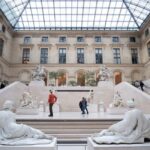
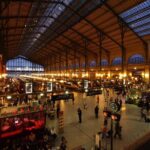
The Musée d’Orsay is not simply a box filled with famous paintings. It occupies a former railway station built for the 1900 Paris Exposition, and that origin shapes your first impression. The building was later converted into a museum in 1978, giving you an unusual blend of grand public architecture and modern gallery space.
That setting matters because the collection covers a period when French art changed quickly, from 1848 to 1914. You are not looking at one narrow school. You are following a long argument about what art should show, how it should be painted, and whose subjects deserved attention.
A guide can help you connect those changes. You might begin with more traditional French painting, then move toward Manet and the Impressionists, followed by the freer brushwork and stronger personal expression of Post-Impressionism. The value is not only in seeing famous canvases. It is in understanding why some of those works caused trouble when they first appeared.
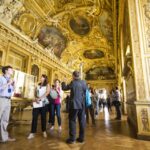
The building also helps keep the visit memorable. A large station clock and the former train-hall structure give the museum a clear identity, so the surroundings do not fade into the background. I find that useful in Paris, where one grand interior can begin to resemble another after several busy sightseeing days.
A few more Paris tours and experiences worth a look


What the private guide adds to famous paintings

A private guide is most useful when you want more than a list of artists. The experience is designed to examine artistic intention, technique, and color palettes, so you can ask why a painting looks the way it does rather than simply hearing who painted it.
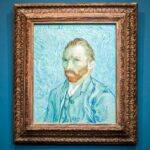
With Van Gogh, that may mean looking closely at brushwork, color, and the emotional force of the image. With Manet, the discussion can turn toward his break with accepted artistic habits and the way his subjects challenged established ideas. Monet and Renoir open a path into Impressionist ideas about light and everyday scenes, while Cézanne helps show how Post-Impressionist painting moved in another direction.
The guide can also put the artists’ private lives beside their public work. The tour description makes clear that the painters often worked in a world that did not initially accept their art. That context can change how you see a canvas. A bright color choice or unusual composition may look less like decoration and more like a deliberate challenge.
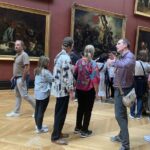
You are paying for conversation and interpretation, not only admission. In a private group, you can ask for a slower explanation of one painting, skip a subject that does not interest you, or request more attention to Impressionism and Post-Impressionism. That freedom is difficult to get in a large group.
Still, private does not automatically mean perfect. The final experience depends heavily on the assigned guide. Alessia was described as passionate and clear, while Dani was praised for holding attention for more than two hours. Another booking involved a guide who arrived late, which is especially frustrating when the price is high and the appointment is fixed.
A sensible way to use your 2 to 3 hours

The exact gallery order is not provided, so you should not expect a rigid, published route. The intended visit is a guided exploration of the museum’s French collection from 1848 to 1914, with room to adjust the focus to your wishes.
A useful approach is to tell the guide what you want before the tour starts. If Van Gogh is your priority, say so. If you prefer Manet and the birth of modern painting, make that clear. If you want a broad introduction, ask for a path through the main changes from traditional painting to Impressionism and then Post-Impressionism.
The first part of the visit should help you get oriented to the museum and its time period. This is important because the collection is large enough to feel scattered without a clear frame. The guide can explain where the major movements fit and why the years between 1848 and 1914 matter.
The central portion should focus on selected masterpieces rather than trying to cover every room. That is the right choice. A private tour that rushes past dozens of canvases is less useful than one that gives you time to look carefully at a smaller group.
The final part can become more personal. You may want to return to a painting, ask about an artist not covered earlier, or get advice on what to see after the guide leaves. Dani reportedly spent more than two hours with one group and offered suggestions for continuing independently. That is a practical benefit, since the museum is too large to treat as a quick checklist.
The main risk is pace. One French-language booking was reported to have ended at 10:50 after starting at 9:30, despite being sold as a private visit of roughly two hours. A fast guide can still provide useful information, but you should speak up if you want time to look rather than march from picture to picture.
Van Gogh, Manet, Monet, Renoir, and Cézanne

The strongest reason to book this experience is the artist list. The museum gives you access to important works by Van Gogh, Manet, Renoir, Monet, and Cézanne, all within a collection built around a major period in French art.
Van Gogh is often the name that draws people in, but a good discussion should not stop at his fame. Ask the guide to point out how his paint application and color choices create movement and feeling. You can then compare that approach with the more social and visual concerns found in Manet or Monet.
Manet is especially useful for understanding the shift toward modern art. His work can help you see how artists began to question polished academic standards and accepted subjects. The guide’s explanation of his intentions may give you a stronger basis for looking at the painting itself.
Monet and Renoir offer a chance to think about light, atmosphere, and the fleeting quality of a scene. You might notice how different their work feels from a more carefully finished academic painting. The point is not to label one style better than another, but to see the choices each painter made.
Cézanne can help bridge the gap between Impressionism and later Post-Impressionist experiments. His paintings reward a slower look, and a guide can help you notice structure, shape, and the way color builds the image.
The collection also gives you a chance to compare artists directly. Instead of seeing Van Gogh, Monet, and Cézanne as isolated stars, you can ask how one painter reacted to problems raised by another. That kind of comparison is where a private guide earns the fee.
The meeting point and timing require care

The meeting point is next to the six statues of the Continents, to the right of the museum’s main entrance. Your guide will be holding a Mr. Llama mascot, which should make identification easier in a crowded area.
Plan to arrive 20 to 30 minutes early. That advice is not excessive. Paris museums can have busy entrances, and a private appointment is less forgiving than a casual visit. Arriving early gives you time to find the statues, confirm the entrance, and avoid beginning the tour in a rush.
Museum admission is included, but a separate skip-the-line station is not included. That distinction matters. Do not assume that a private guide guarantees a special fast entrance. Ask ahead if you are unsure how entry will work on your chosen date.
The experience is wheelchair accessible. Guide languages include English, French, German, Japanese, Korean, Spanish, Russian, and Italian. Language is one area where you should confirm carefully before paying, since one booking arranged in French nearly became an English-language visit at the last moment.
You can also read our reviews of more guided tours in Paris

Is $224 per person good value?

The listed price is $224 per person. That is a serious price for a 2 to 3-hour museum visit, especially when museum admission alone costs much less than a private experience.
The value depends on how much you want personal interpretation. For two people with a strong interest in French art, a private guide can be worthwhile. You receive direct access to the guide’s attention, can ask questions freely, and can shape the visit around Van Gogh, Manet, Impressionism, or another preference.
The price is harder to justify if you mainly want to enter the museum and see the famous paintings at your own pace. The Musée d’Orsay can be visited without a private guide, and independent visitors may prefer the freedom to linger without a schedule.
There is also a pricing point to check before booking. One French review described paying 380 euros for two people, which is higher than two times the listed dollar price here. Prices can vary by date, currency, or booking conditions, so check the final total carefully before confirming.
At this price, reliability matters just as much as art knowledge. A late guide or a language mismatch cuts into the value quickly. The strong experiences with Alessia and Dani show what the tour can deliver, but the uneven service record means you should confirm the language, start time, and meeting instructions in advance.
Who will get the most from this visit?

I would recommend this tour most strongly to first-time Musée d’Orsay visitors who want a clear introduction to French painting and do not want to spend the day reading wall labels. It also suits couples, families, or small private groups with different levels of art knowledge.
You do not need an art degree. In fact, a guide may be most useful if you know the famous names but want help understanding what makes the paintings important. The discussion of color, technique, intention, and personal struggle can make the collection easier to follow.
This is also a good fit for someone with a focused interest. Tell the guide that you want Van Gogh, Manet, or Post-Impressionism, and the private format should make that request practical.
I would be more cautious if you dislike fixed meeting times or want to wander alone. The two to three-hour window gives the visit shape, but it also creates a pace. If you want to spend twenty minutes with one painting and ignore everything else, independent entry may suit you better.
The tour is available to private groups and is wheelchair accessible. The broad language list is useful, but I would confirm your preferred language in writing, especially after the reported last-minute problem involving a French-language booking.
How the service record affects your decision

The feedback is mixed rather than uniformly poor or strong. Alessia received praise for clear explanations and enthusiasm, and Dani was described as passionate, engaging, and generous with time. Those are exactly the qualities you want in a museum guide.
Another booking had a guide who was late, and the delay caused understandable anger. A separate French-language reservation involved hurried communication, a proposed change of date shortly before the visit, confusion over confirmation, and tickets purchased only shortly before entry.
That does not prove every booking will go this way, but it gives you useful preparation. Confirm three things before the day:
- Your guide’s language
- Your exact meeting time
- How museum tickets and entry will be handled
The published cancellation policy is friendly: you can cancel up to 24 hours in advance for a full refund. You can also reserve now and pay later, which helps if your Paris schedule is still shifting. These policies reduce financial risk, but they do not solve a last-minute communication problem, so keep your confirmation messages available.
Should you book the Musée d’Orsay private tour?
Book it if you value explanation as much as access. The former train station, the major works by Van Gogh and Manet, and the chance to compare Impressionism with Post-Impressionism make this a strong choice for an art-focused visit. The best guides, including Alessia and Dani, can turn a large museum into a clear and engaging two-hour conversation.
Think twice if you are mainly buying priority entry or the lowest possible price. A separate skip-the-line station is not included, and the service record includes late arrival and language confusion. Arrive early, confirm every detail, and tell the guide your priorities.
For a first visit with a genuine interest in French painting, I see real value here, provided the final price and guide arrangements are clear. For casual sightseeing, save the money and explore the museum independently.
FAQ
What is included in the Musée d’Orsay private tour?
The experience includes a private guide and tickets to the Musée d’Orsay.
How long does the tour last?
The stated duration is 2 to 3 hours. Starting times depend on availability.
Which artists are covered?
The experience focuses on French painting from 1848 to 1914, including works by Van Gogh, Manet, Renoir, Monet, and Cézanne.
What languages are available?
Guides are available in German, Japanese, Korean, English, French, Spanish, Russian, and Italian.
Where do I meet the guide?
Meet next to the six statues of the Continents, to the right of the museum’s main entrance. The guide will be holding the Mr. Llama mascot.
How early should I arrive?
You should arrive 20 to 30 minutes before the scheduled start time.
Is the tour wheelchair accessible?
Yes. The activity is listed as wheelchair accessible.