REVIEW · PARIS
Musée d’Orsay & Montmartre Tour Semi-Private Guided Tour 8ppl Max
Book on Viator →Operated by Babylon Tours Paris · Bookable on Viator
Two stops, one art story. This semi-private outing strings Musée d’Orsay and Montmartre into one afternoon plan, capped at eight people for a more personal feel. You also get reserved entry for Orsay, plus guided time that links the paintings to the neighborhoods behind them.
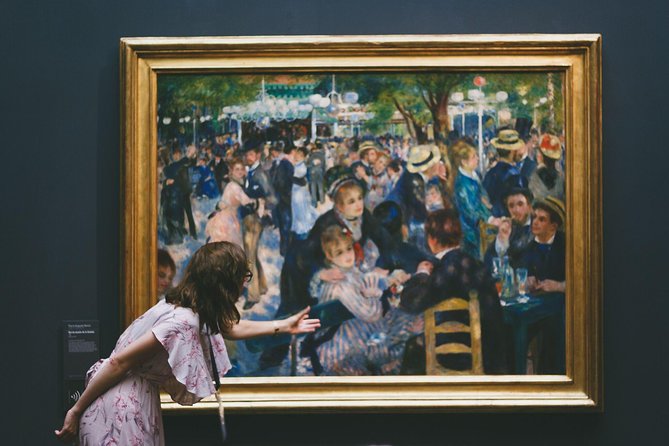
I love how the Orsay visit teaches you what came before Impressionism, and why it looked the way it did. Guides like Marcel and Nancy are singled out for turning names and styles into a clear storyline, with works such as Manet’s Luncheon on the Grass and Renoir’s Dance at Le Moulin de la Galette made easy to understand.
The main catch is physical: Montmartre includes cobbled streets and a hill climb to Sacré-Cœur. It’s not a wheelchair-friendly route, and even with a reasonable pace, you should be ready for moderate walking.
In This Review
- Key highlights to know before you go
- Why Musée d’Orsay + Montmartre feels like one experience
- Musée d’Orsay: the former station that explains Impressionism’s rise
- Montmartre after Orsay: climbing from artists’ streets to Sacré-Cœur
- The quick stops: when they’re worth your time (and when to breeze through)
- Pacing, comfort, and what you should bring
- Price and logistics: is $259.59 a smart deal?
- Should you book this Orsay–Montmartre semi-private tour?
- FAQ
- FAQ
- What time does the tour start, and how long does it last?
- How many people are on the tour?
- Is Musée d’Orsay admission included?
- Are Montmartre stops included in the ticket price?
- Do you provide transportation between Musée d’Orsay and Montmartre?
- Where do we meet and where does the tour end?
- Is the tour wheelchair accessible?
- What if I need to cancel?
Key highlights to know before you go
- Eight-person max keeps questions answered and the pace sane
- Orsay reserved entry plus a guide-led path through Impressionism’s lead-up
- Private car transfers you from Orsay to Montmartre
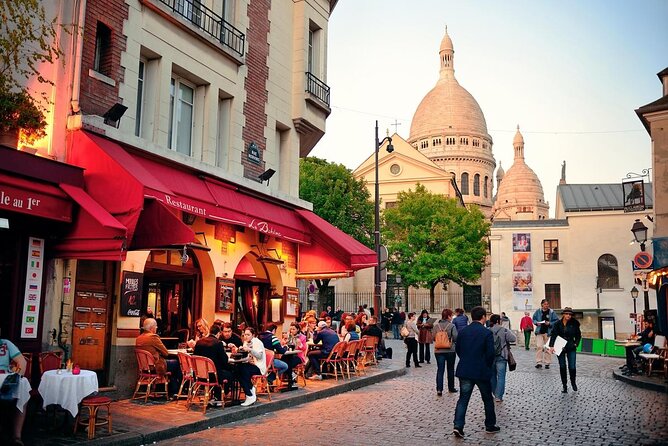
- Moulin Rouge to Sacré-Cœur walking story ties paintings to artists’ hangouts
- Optional-pay stops appear along the way, while some viewpoints and areas are free
Why Musée d’Orsay + Montmartre feels like one experience
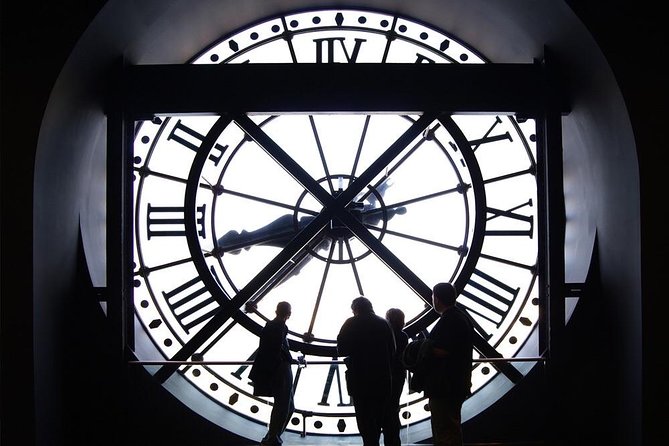
This tour works because it treats Paris like a single living lesson, not two disconnected checklist items. In Orsay, you learn how artists broke from older rules of art. Then on Montmartre streets, you see where that bohemian energy took root—cafés, artists’ addresses, and the big hill-and-church viewpoint that defines the area.
The timing also helps. You start at 1:30 pm in Orsay and spend about 2.5 hours inside. After that, you get private transit and a short break before you begin the walk up the hill to Sacré-Cœur and the Belle Epoque sights around it. By the time you’re on Montmartre, the art is already in your head, so the neighborhood stops read like visual footnotes instead of random sightseeing.
Value-wise, this is built around what you can’t easily DIY on a first visit: a guided museum plan that actually connects the big works (and the lesser-known context) to the Impressionist shift, plus local logistics that save you from figuring out the transfer on your own. At $259.59 per person for about 5.5 hours, the price starts to make sense when you factor in guided time, reserved Orsay entry, and the private car between landmarks.
You can also read our reviews of more guided tours in Paris



Musée d’Orsay: the former station that explains Impressionism’s rise
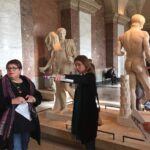
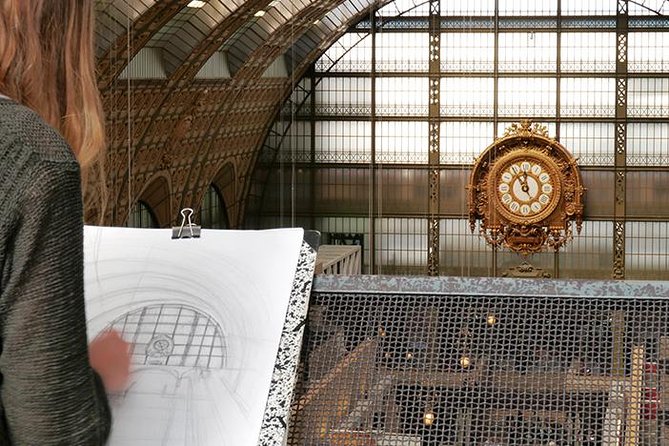
Orsay is one of those museums where the building adds to the story. You’re walking through a converted Beaux-Arts train station, and your guide uses that stage-set feeling to help you understand what art was doing in that era—especially the handoffs that led to Impressionism.
Inside the museum, your tour is built as a progression. You don’t just get facts about famous paintings; you get a roadmap of the art movements that came before. That matters because Impressionism can feel like a sudden “wow” moment if you only see the final product. The guidance here is meant to show the steps.
Expect focus on major anchors and their surrounding context:
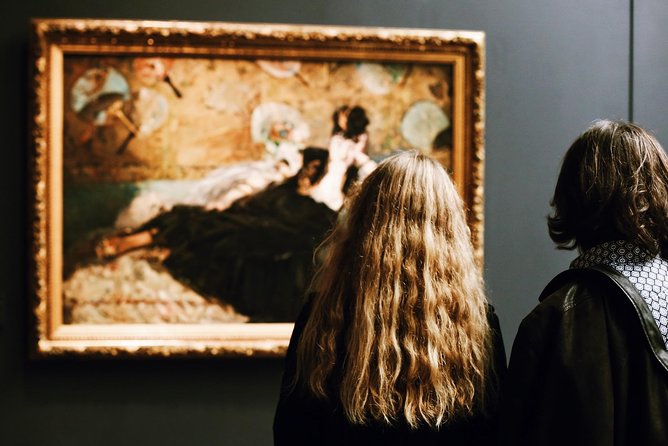
- Manet’s Luncheon on the Grass, often described as scandalous for the time, and a good entry point into how artists challenged norms
- Renoir’s Dance at Le Moulin de la Galette, which helps you connect brushwork and atmosphere to social life
- The bridge figures such as Millet and The Gleaners, which help explain the broader shifts in subject matter
- Van Gogh’s Bedroom in Arles, showing how what comes after Impressionism can still feel rooted in similar ideas
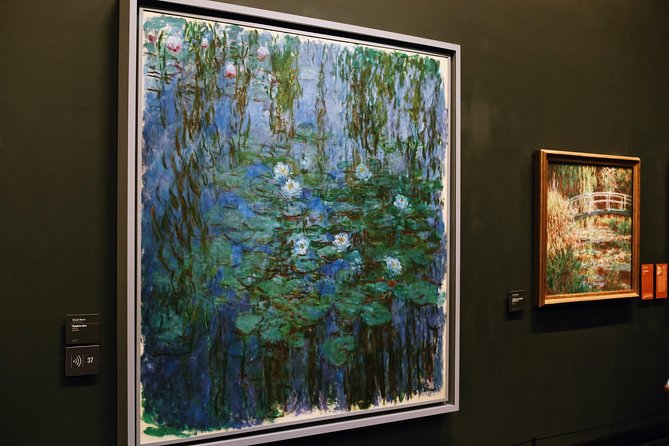
- Claude Monet, including his poppies, framed as central to the Impressionist legacy
I also like that the guide doesn’t treat everything as equal weight. You’ll be shown both obvious highlights and some lesser-known moments, and you’ll learn techniques and personality-driven reasons behind the movement. That’s the difference between a museum visit where you stand in front of big paintings and leave fuzzy, versus one where you can name what changed and why.
Practical notes that can affect your experience: Orsay security limits what you can bring in. The tour info specifies no large bags or suitcases—only handbags or small, thin bag packs through security. Also, dress appropriately for entry at some sites, and be aware that a few rooms can have quiet or restricted rules, with your guide briefing you before you enter.
Montmartre after Orsay: climbing from artists’ streets to Sacré-Cœur
After Orsay, you head to Montmartre with private transit by car. That’s a relief, because Montmartre planning can turn into a slow puzzle—especially if you want to start your climb without negotiating your way through transit steps.
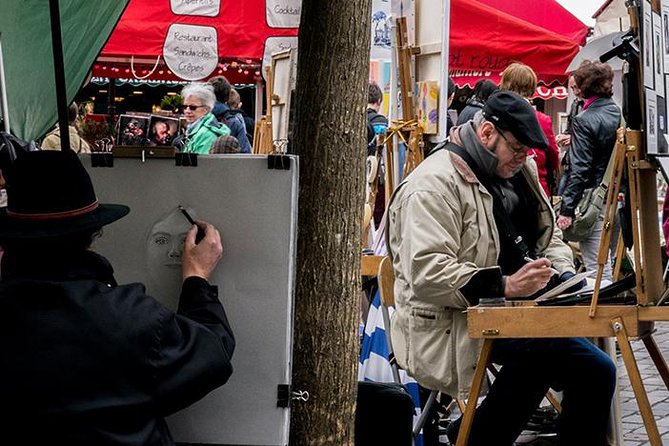
At the base, the tour starts where you first spot the Moulin Rouge windmill, still turning at a slow pace. Then it’s uphill: cobbled streets that feel theatrical even when you’re just walking, lined with the kind of spots where artists historically worked and lived. The tour links this neighborhood back to what you just saw in Orsay, so you’re paying attention to how culture, cafés, and nightlife shaped artistic life.
As you climb, you’re aiming for the summit viewpoint at Sacré-Cœur. Once there, you get one of Paris’s best “you’re really here” panoramas. The basilica itself is part of the experience too, and there’s time allowed to explore inside.
The tour also leans into the pop-culture connection without letting it replace the place. If you love Amélie, you’ll recognize Montmartre’s film flavor in areas like the Amélie Café mention. It’s a fun layer, but the bigger value is the way the guide uses the district to explain why certain artists are associated with Montmartre in the first place.
Montmartre’s classic sights are included in the walk:
- Moulin Rouge
- Sacré-Cœur (with time inside)
- Place Dalida
- Moulin de la Galette
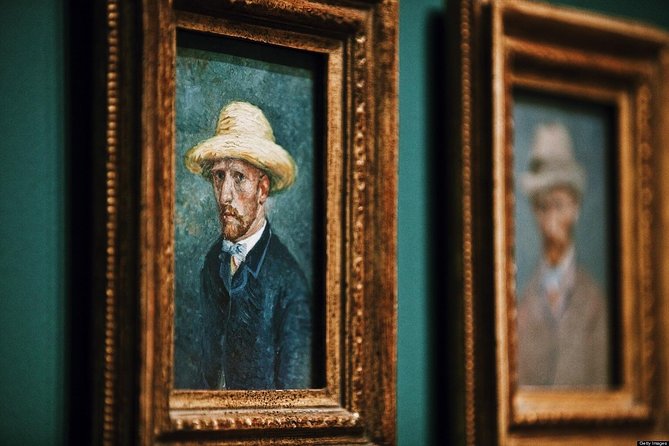
- Vincent Van Gogh’s area/house (short stop; note entry can require extra tickets)
- Artists’ Square
- Amélie Café
One seasonal note: the option of an evening tour for a sunset view depends on the season. If you like golden-hour skies and can manage the later timing, that version could feel like the perfect wrap.
The quick stops: when they’re worth your time (and when to breeze through)
Montmartre is full of small sites, and this tour includes a cluster of them—most are brief, meant to keep the flow and keep you oriented. Here’s how to think about them so you don’t feel rushed or over-committed.
Along the route, you may stop at places with different ticket expectations:
- Dalida statue and areas like Jardin Sauvage de St-Vincent are listed as free
- Moulin Rouge and stops tied to Van Gogh’s house, Au Lapin Agile, Dali Museum Paris, La Maison de Dalida, and Le Bateau-Lavoir are listed with admission not included, meaning you’ll likely just see them from outside unless you choose to pay separately on the day
How to decide in the moment: if you’re tired or the lines for entry are long, use your guide’s context to enjoy the stop without entering. If you’re still fresh and you love the specific artist or theme, treat these as optional side quests you can take when you have energy.
For example, Le Bateau-Lavoir and the artists’ addresses feel connected to what you learned about modern art’s shift. Even a short exterior stop can land if you’ve already heard the “why this place mattered” explanation in Orsay. Same idea with Au Lapin Agile: the name and vibe are part of Montmartre’s story, even if you don’t go inside.
Pacing, comfort, and what you should bring
This is a moderate-fitness day. Montmartre’s cobbles and uphill sections mean you’ll want comfortable shoes with good grip. The tour information is explicit: it’s not available for those with walking disabilities or using a wheelchair.
Pace-wise, the tour is designed to keep you moving without turning the day into a forced march. Multiple guide write-ups highlight good pacing and flexibility—like Nancy adjusting when snow affected walking conditions—so the plan doesn’t feel rigid even when weather changes.
What to bring matters more than you’d think:
- A phone capable of receiving or displaying your mobile ticket (and be ready to provide a mobile phone number with country code as requested)
- A bag that matches Orsay security rules: no large luggage
- Water and a light snack if you know you need them during uphill walking (nothing in the provided details promises a meal break, just a short break after the museum)
- Layers: Paris weather can flip quickly, and the walk from the base up to Sacré-Cœur can warm you up fast
Also note a small but real comfort point: the route ends in Montmartre (75018). If you’re planning dinner or onward travel, have your end-location transport ready rather than assuming you’ll easily return to your hotel by foot.
You can also read our reviews of more private tours in Paris





Price and logistics: is $259.59 a smart deal?
At $259.59 per person for about 5.5 hours, the value comes from three things you’re not likely to replicate well as a DIY first-timer:
- Reserved entry plus guided museum time at Orsay
The tour states entrance fees are included for Orsay via reserved entry. That reduces the hassle factor and helps the guide run a planned path through the museum.
- A guide who connects art movements to real places
This is not just “look at this painting.” It’s about how earlier artists set up the Impressionist shift, and how Montmartre fits into that cultural scene.
- Private transit between Orsay and Montmartre
You’re not left figuring out the best way to cross the city after the museum. That time saving is part of what you’re paying for.
What’s not included is also pretty clear:
- Tips/gratuities are not included
- Some Montmartre sites listed on the stops are marked as admission not included
- Temporary exhibitions at Orsay aren’t included
- No hotel pickup/drop-off is included (Uber or taxi is suggested)
For me, the price fits best if you want expert help without going full private. With a maximum of eight people, you’re getting the advantage of a smaller group while still keeping the cost under what a fully private arrangement usually looks like.
Should you book this Orsay–Montmartre semi-private tour?
If you want the easiest route to a real understanding of Impressionism, this is a strong choice. The Orsay portion is set up to explain the chain of ideas—Monet, Manet, Renoir, Van Gogh, and the artists who helped steer the movement. Then Montmartre gives those ideas a physical setting: artist streets, the hill climb, and Sacré-Cœur’s viewpoint.
I’d skip or rethink it if:
- You have trouble with uneven pavement and uphill walking
- You only want museum highlights and don’t care about the art-to-neighborhood connection
- You’re hoping to enter every Montmartre attraction included as a stop (some admission isn’t included, so you’ll still decide on the day)
If you’re a first-time visitor who likes to learn while you see, this tour is built for you. Go in with comfortable shoes, keep your expectations realistic about the walk, and you’ll leave with a clearer picture of how Paris’s art scene moved from canvas to street.
FAQ
FAQ
What time does the tour start, and how long does it last?
It starts at 1:30 pm and lasts about 5.5 hours.
How many people are on the tour?
It’s limited to a maximum of 8 people per tour.
Is Musée d’Orsay admission included?
Yes. The tour includes Orsay reserved entry, and Orsay entrance fees are listed as included.
Are Montmartre stops included in the ticket price?
Some Montmartre sights are listed as free for entry, while others are marked as admission not included.
Do you provide transportation between Musée d’Orsay and Montmartre?
Yes. Private transit from Orsay to Montmartre is included.
Where do we meet and where does the tour end?
You meet at Musée d’Orsay, 75007 Paris, and the tour ends in Montmartre, 75018 Paris.
Is the tour wheelchair accessible?
No. The tour isn’t available for those with walking disabilities or using a wheelchair.
What if I need to cancel?
You can cancel up to 24 hours in advance for a full refund. If you cancel less than 24 hours before the experience’s start time, the amount paid is not refunded.