REVIEW · PARIS
Montmartre en chansons: tour with a professional singer
Book on GetYourGuide →Operated by Montmartre en chansons · Bookable on GetYourGuide
One voice can shut down Montmartre for a moment. This tour is built around capella singing by a professional, plus a local walkthrough tied to famous songs and the cabarets that shaped them. I love the way the Piaf/Brel-style stories turn recognizable classics like La Vie en Rose, L’hymne à l’amour, and La Bohème into real places. The main drawback to keep in mind: it’s a mostly uphill, walking-focused route and it’s not set up for mobility impairments.
Anne-Sophie is the heart of it—bubbly, smiling, and clearly passionate about this neighborhood. You get about two hours to see iconic spots up on the Butte while hearing music in the street where it belongs. If you need a very slow, flat, sit-down experience, this likely won’t be your best match.
In This Review
- Key points at a glance
- Why Montmartre en chansons feels different
- Meet your guide, and why her voice changes the route
- Practical planning: what to bring and what to avoid
- Starting point at Place des Abbesses (and how to find it fast)
- The route, stop by stop: what you’re really getting at each place
- Wall of Love (with the je t’aime wall)
- Rue Lepic
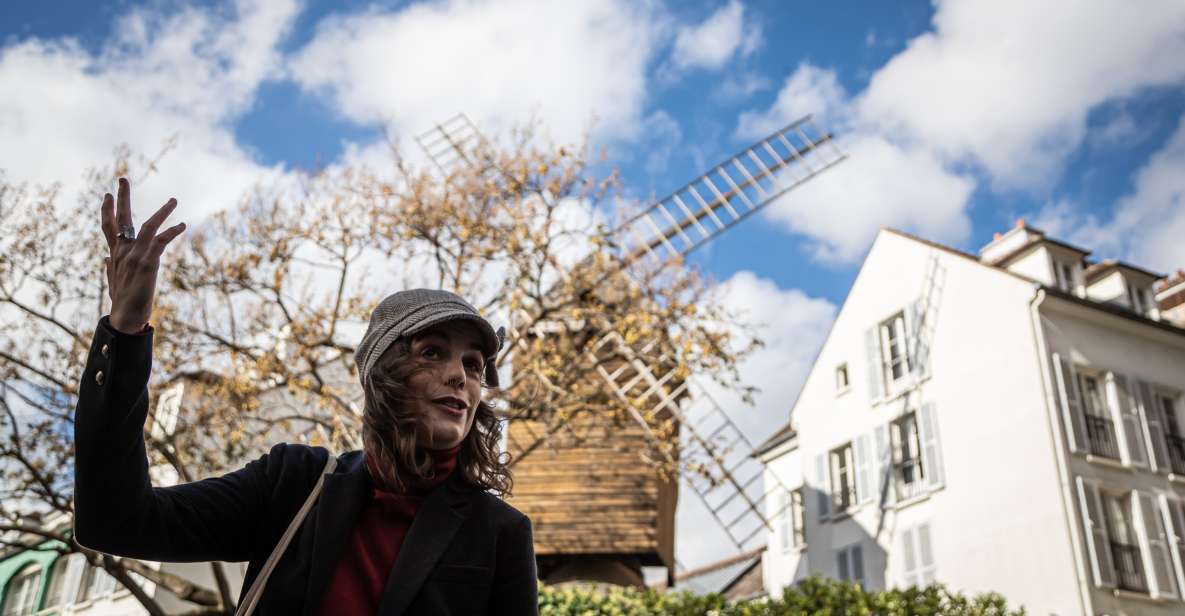
- Moulin de la Galette
- Maison de Dalida
- Théâtre Lepic
- Dalida statue
- La Maison Rose
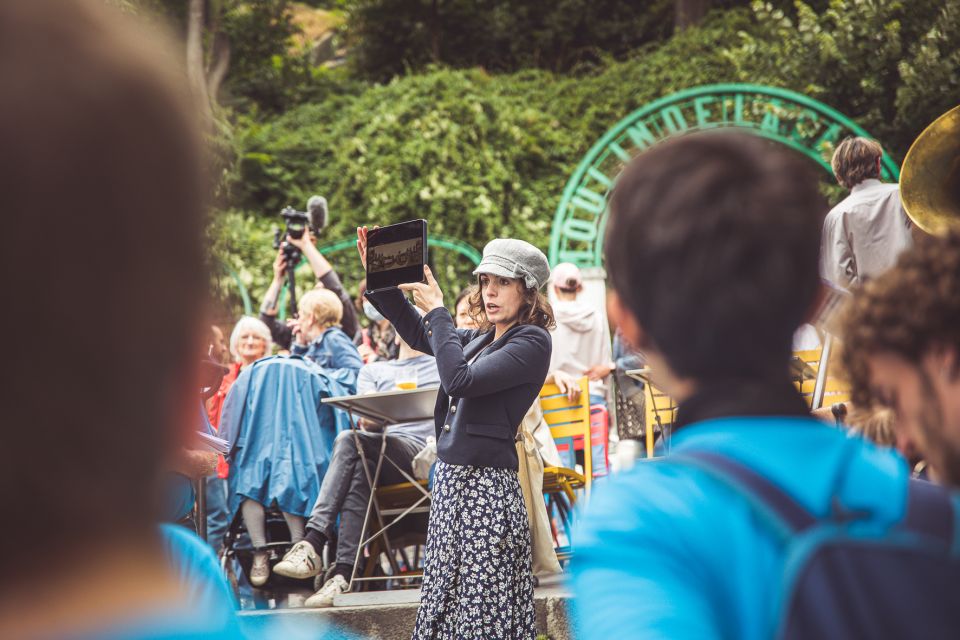
- Vigne du Clos Montmartre, Paris
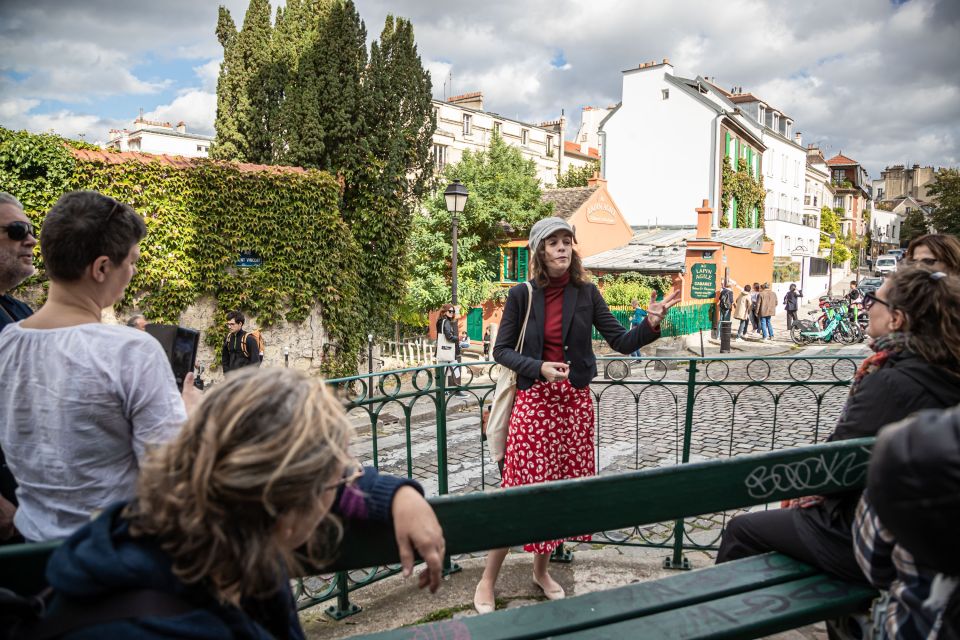
- Lapin Agile
- La Bonne Franquette
- Place du Tertre
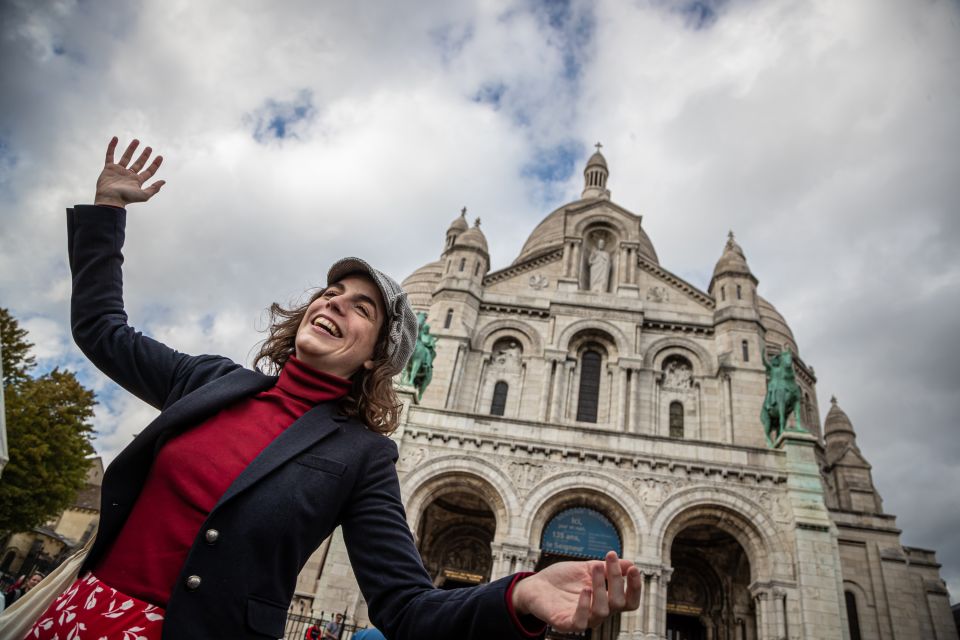
- Sacré-Cœur Basilica (ending on the parvis)
- Value for money: why $34 works for what you get
- Who this tour suits best
- What language you’ll hear (and why it matters)
- Is it worth booking? My quick decision guide
- FAQ
- How long is the Montmartre en chansons tour?
- Where do I meet the guide?
- Which languages are available?
- What stops are included during the visit?
- Is food or drinks included?
- Can I bring a backpack or oversized luggage?
- Are bikes allowed?
- Is the tour suitable for people with mobility impairments?
- What should I bring?
Key points at a glance
- Capella performances in the street, where passers-by actually pause to listen
- A Montmartre local guide (Anne-Sophie) connecting songs to specific corners and venues
- Stops that map to French music legends, from Piaf to Aznavour, Brel, and Dalida
- Iconic landmarks in a tight loop, from the Wall of Love to Sacré-Cœur’s parvis
- Two-hour format that works well for first-time Montmartre planning
- Small practical requirements, like good shoes and no bikes or big backpacks
Why Montmartre en chansons feels different
Montmartre has plenty of walking tours. This one changes the rules by centering sound first, then sight. You’re not just learning facts about the Butte—you’re hearing songs at the kinds of places where old-school street singing would have made sense.
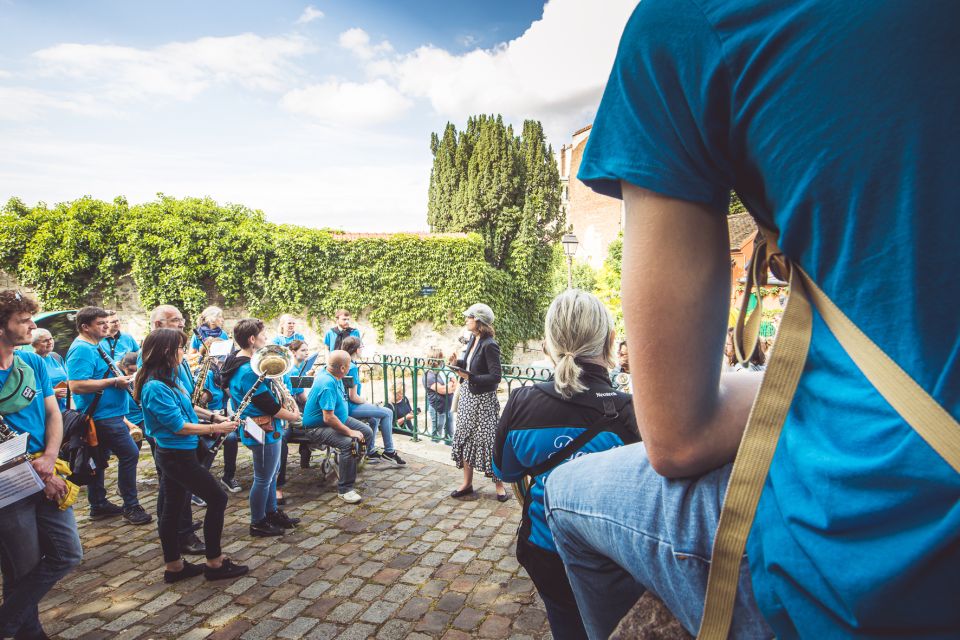
The big win is Anne-Sophie’s performance style. The tour’s designed so the voice carries over the street, not through a sound system. That matters because it turns crowded areas into a brief moment of attention, and it makes the route feel like a living stage rather than a checklist.
At $34 per person for about two hours, I see solid value in what you’re getting: guided stops across the heart of Montmartre plus a professional singer’s repertoire of the most famous French standards, not just commentary. The tour also includes comments on singers and Montmartre’s history, which is useful if you want more meaning than photos.
The flip side? You’ll be walking between sites on steep streets and uneven ground. Bring hiking shoes and plan to stay on your feet.
You can also read our reviews of more tours and experiences in Paris.



Meet your guide, and why her voice changes the route
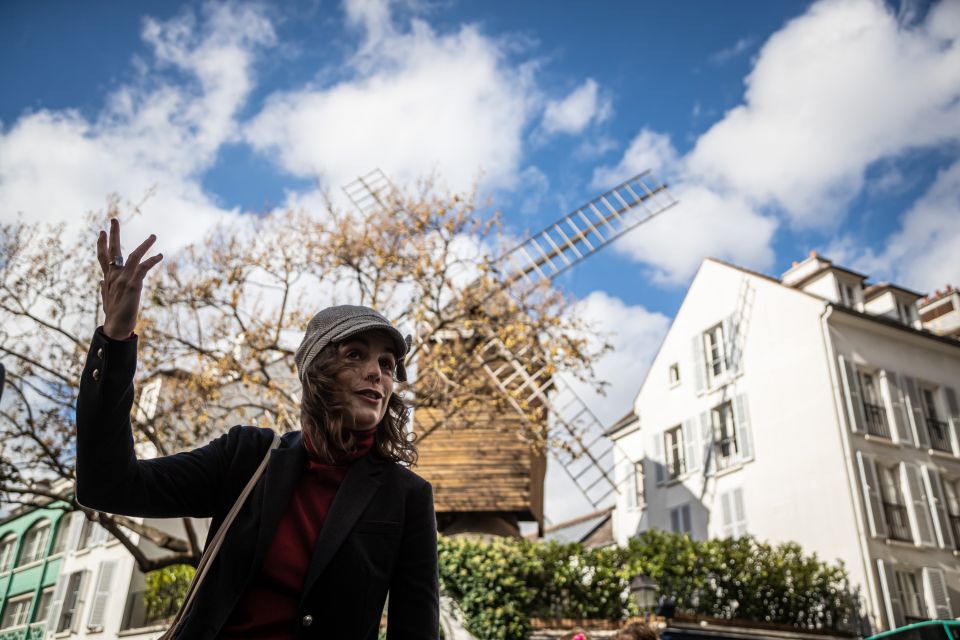
Anne-Sophie is a professional singer and also an inhabitant of Montmartre. That combination matters. She doesn’t just point out sights; she connects them to the music culture that grew up here—cabarets, street performers, and the people who made the songs feel personal.
From the way the experience is described, her approach is high-energy and friendly. She tells anecdotes, sings the best-known French songs, and keeps the mood social in a sharing, artist-and-bohemian spirit. If you like tours where the guide’s personality does half the work, this one is built for that.
And yes, the music really is the centerpiece. The tour leans on a capella interpretation, so even if you only recognize a few titles at first, the performance helps the rest click.
Practical planning: what to bring and what to avoid
This is a walking tour on a hilly neighborhood. You’ll want:
- Hiking shoes
- Water
- Umbrella
- Sun hat
You also need to respect the route’s limits: no bikes, no oversize luggage, no backpacks, and no electric wheelchairs. The tour isn’t suitable for people with mobility impairments, so you’ll want to choose something more accessible if that applies to you.
Timing-wise, you’re looking at 2 hours. That’s long enough to cover key Montmartre landmarks without turning into an all-day grind.
Starting point at Place des Abbesses (and how to find it fast)
The meeting point is behind the exit of the Abbesses subway station. Use that as your anchor and don’t overthink it.
Place des Abbesses is a good starting choice. It sets you right at the edge of the climb, and it’s close enough to the spine of Montmartre that the rest of the walk feels logical.
If you’re arriving close to departure time, I’d give yourself extra minutes. Montmartre streets can be busy, and you’ll want to start relaxed—because the singing stops aren’t the place to be late.
The route, stop by stop: what you’re really getting at each place
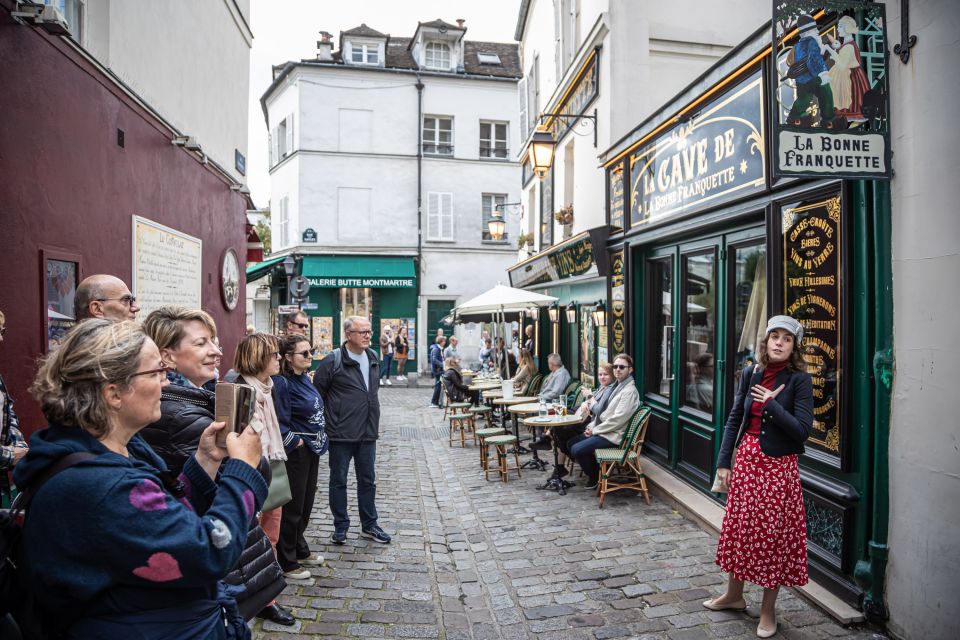
This tour moves through famous Montmartre addresses while keeping the focus on sound and storytelling. Many stops are short, which is exactly why the capella moments land well: you keep moving, then you pause when something special happens.





Wall of Love (with the je t’aime wall)
You begin with the Wall of Love, a place designed for snapshots—but in this tour it’s more than a photo stop. It’s used as an early emotional reset, tying a landmark to French romance songs and the broader Montmartre theme: love stories, stage stories, and street stories.
If you’re trying to avoid crowds, go in with patience. This is the kind of spot people like to linger at, so the best attitude is to watch first, then take your quick photos.
Rue Lepic
Rue Lepic is where the tour starts to feel like a neighborhood walk. You’re on tight streets with a sense of the old Montmartre vibe, and it’s a good transition between iconic landmarks.
This is also one of those stops where the value is in small details: what the street feels like, how it channels the next viewpoint, and how the guide’s stories make the place feel specific.
Moulin de la Galette
The Moulin de la Galette is one of Montmartre’s most recognizable names. Here, it’s treated as both a sight and a cultural reference point.
Expect a guided stop that connects to the cabaret spirit and the singer tradition. The “drawback” is that the area can be busy, so you’ll want to accept that you might not have perfect sight lines for long. The tour’s rhythm helps, since you’re not stuck waiting around.
Maison de Dalida
Dalida’s presence in Montmartre is personal and strong. This stop gives her as a real figure tied to places, not just a name from the music world.
What I like here is that it breaks the tour out of generic sightseeing. You’re walking with a map of memory—where the neighborhood points back to the artists.
Théâtre Lepic
Théâtre Lepic is a reminder that Montmartre wasn’t only street singing. It also hosted performance culture in more formal venues.
This stop helps you understand why the songs mattered here: performance wasn’t a distant idea. It was local, repeatable, and part of daily life up on the Butte.
Dalida statue
The Dalida statue is a natural follow-up. Instead of moving on immediately, the tour reinforces the connection with a dedicated moment.
If you like storytelling that builds step-by-step, you’ll appreciate this pacing. You hear, you see, you connect.
La Maison Rose
La Maison Rose is an address you’ll recognize even if you’re not a “foodie-first” traveler. In the tour, it functions like a scene in a show—another place where the neighborhood’s bohemian energy feels tangible.
It’s also a good pause for orientation, because it anchors the next stretch of the walk. If you want to keep momentum and avoid losing time to menus or terraces, you’ll do best by treating it as a quick stop and letting the singing story drive what you remember.
Vigne du Clos Montmartre, Paris
This stop is a curveball—in a good way. A vineyard in Montmartre sounds surprising, and that’s part of the charm.
It adds variety to the route and reminds you that Montmartre wasn’t only entertainment and artists. You’re seeing how the neighborhood’s identity can include agriculture and tradition, which makes the music culture feel even more grounded.
Lapin Agile
Lapin Agile is the kind of cabaret name that belongs in French music lore. Here, it’s framed as a piece of the old performance world—where a voice could turn into a reputation and a reputation could become a legend.
The big practical advantage: this is a memorable anchor for the whole experience. By the time you reach it, you’ve already collected several artist connections, and now you’re seeing the “stage” concept become real.
La Bonne Franquette
La Bonne Franquette brings you back to the food-and-friends side of old Montmartre. Even without making this a meal stop, it helps you understand how these places worked socially.
I like that the tour keeps the vibe human. It isn’t only about famous names. It’s about daily gatherings, chatter, and that bohemian sense of sharing.
Place du Tertre
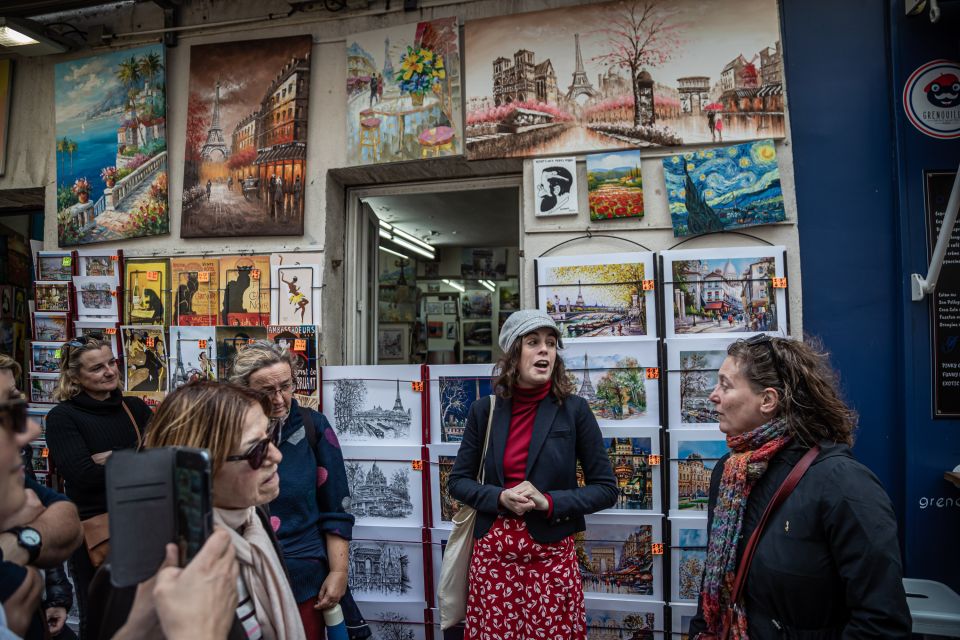
Place du Tertre is where the neighborhood’s artist energy shows up in a visible way. In this tour, it’s used to reflect on the creative street culture that kept Montmartre famous.
This area can be busy, so it helps to be flexible. If you’re here for photos, get yours quickly and then focus on the guide’s storytelling. The best part is the way the guide helps you read the square as part of the larger music narrative.
Sacré-Cœur Basilica (ending on the parvis)
You finish at the Parvis du Sacré-Cœur. This ending makes sense: you’ve been walking the Butte with music and anecdotes, and now you get the iconic final viewpoint.
The parvis area is usually lively. If you want the best photos, look for angles that don’t fight the crowd. The tour ending is the moment to slow down, breathe, and connect the singing story back to the view you came for.
Value for money: why $34 works for what you get
Tours can be expensive when they offer just a “talking slideshow.” This one feels more cost-effective because:
- You get access to multiple iconic Montmartre addresses
- You get professional singing, not only narration
- The stops are linked to major artists: Piaf, Aznavour, Brel, Dalida
Also, at two hours, it’s an efficient chunk of time. If you’re managing a tight Paris schedule, you don’t need a half-day just to experience Montmartre’s spirit.
Who this tour suits best
This is especially good if you:
- Love French classics and want to hear them in an authentic setting
- Prefer walking tours where the guide’s energy matters
- Want a first taste of Montmartre beyond guidebook basics
It may be less ideal if you:
- Need a fully accessible route (it isn’t suitable for mobility impairments)
- Don’t enjoy uphill walking
- Want a strictly quiet, sit-and-look experience
What language you’ll hear (and why it matters)
The tour is offered in English and French. If you’re in French, you’ll likely get extra flavor from the anecdotes and lyrics. If you’re in English, you’ll still follow the route clearly thanks to the guided structure.
You can also request private tours on weekdays and on some Sundays. Public tours run on Saturday, mostly Sundays, and Fridays. If you want a quieter feel, a private booking might help, but the data doesn’t guarantee group size—so choose based on your comfort with crowds.
Is it worth booking? My quick decision guide
If you’re choosing between a standard Montmartre walk and a music-centered version, I’d lean toward this one. The tour’s personality is the point. A capella singer at street corners turns Montmartre from “a place you visit” into “a place you hear.”
Book it if you want:
- a guided route with famous artist connections
- singing in the street where it belongs
- a two-hour plan that feels memorable, not rushed
Skip it if you:
- can’t manage steep walking
- need accessibility support
- dislike tours where you’re standing and listening outdoors for short moments
FAQ
How long is the Montmartre en chansons tour?
The tour lasts 2 hours.
Where do I meet the guide?
Meet behind the exit of the Abbesses subway station.
Which languages are available?
The tour is available in English and French.
What stops are included during the visit?
The route includes places such as the Wall of Love, Moulin de la Galette, Maison de Dalida, Théâtre Lepic, La Maison Rose, the Vigne du Clos Montmartre, Lapin Agile, La Bonne Franquette, Place du Tertre, and ends at the Parvis du Sacré-Cœur.
Is food or drinks included?
No. Food and drinks are not included.
Can I bring a backpack or oversized luggage?
No. Oversize luggage and backpacks are not allowed.
Are bikes allowed?
No, bikes are not allowed.
Is the tour suitable for people with mobility impairments?
No. It is not suitable for people with mobility impairments.
What should I bring?
Bring hiking shoes, water, an umbrella, and a sun hat.
If you tell me your travel month and whether you prefer English or French, I can suggest which days/times tend to fit first-time Montmartre planning best.