REVIEW · PARIS
From Paris: Prestige Champagne Tour and Tastings
Book on GetYourGuide →Operated by My Winedays · Bookable on GetYourGuide
Champagne is best understood underground and among the vines, and this private 11-hour tour gives you both sides of the region. You visit a major producer such as Ruinart, Bollinger, Moët & Chandon, or Veuve Clicquot, then spend time with a smaller winery where the bottles and methods feel more personal.
I like the easy hotel pickup and the chance to compare a grand Champagne house with a boutique producer. I also like the stop in Hautvillers, where Dom Pérignon worked more than 300 years ago. The main caution is the lunch: it is advertised as Michelin-starred, but one booking found the meal, setting, wine, and service disappointing.
In This Review
- Key points at a glance
- The long road from Paris to Champagne
- Inside a major Champagne house
- Through Montagne de Reims, Côte des Blancs, and Vallée de la Marne
- A château lunch with wine pairing
- The quieter side of Champagne at a boutique producer
- Hautvillers and the Dom Pérignon connection
- What the private format adds
- Practical details before you reserve
- Who will enjoy this Champagne day most
- Should you book this tour?
- FAQ
- How long is the Champagne tour from Paris?
- Is hotel pickup included?
- Which Champagne houses can I visit?
- Is lunch included?
- What languages are available?
- Is the tour wheelchair accessible?
Key points at a glance
- Two very different Champagne visits: Compare the scale and polished cellars of a famous producer with the more intimate work of a boutique house.
- Hautvillers and Dom Pérignon: Visit the village and abbey linked with the Benedictine monk who served as a cellar master in the Champagne region.
- A long but convenient day: Hotel pickup, private transport, and a two-hour drive each way remove the need to plan trains, taxis, or a rental car.
- Three main Champagne grapes: Learn how Chardonnay, Pinot Noir, and Pinot Meunier shape the region’s wines.
- Michelin-star lunch included: The three-course meal comes with wine pairing, but restaurant quality and availability should be confirmed.
- Cold underground cellars: Bring warm clothes for galleries kept near 45°F, or 10°C, and wear comfortable shoes for the stairs.
The long road from Paris to Champagne
The day begins with pickup at your Paris hotel. You travel in a private black car or luxury minivan with a driver who also serves as your wine guide. A freshly baked croissant is included, a small but welcome touch during the roughly two-hour journey east.
That drive is a major part of the day. Champagne is not a quick side trip from central Paris, so you should book this experience only if you are comfortable giving it a full day. The return drive also takes about two hours, bringing the total tour time to around 11 hours.
I see the private vehicle as one of the strongest parts of the package. You do not need to work out the regional train system, arrange transport between Reims and Epernay, or worry about drinking and driving. You can also request a different winery, though a change may bring an extra charge.
The guide can lead the tour in English, French, or Spanish. One highly rated booking singled out a guide named Joel for making the day special. Since guides and winery assignments can vary, ask for the language and producer schedule you want when you book.
You can also read our reviews of more wine tours in Paris

Inside a major Champagne house

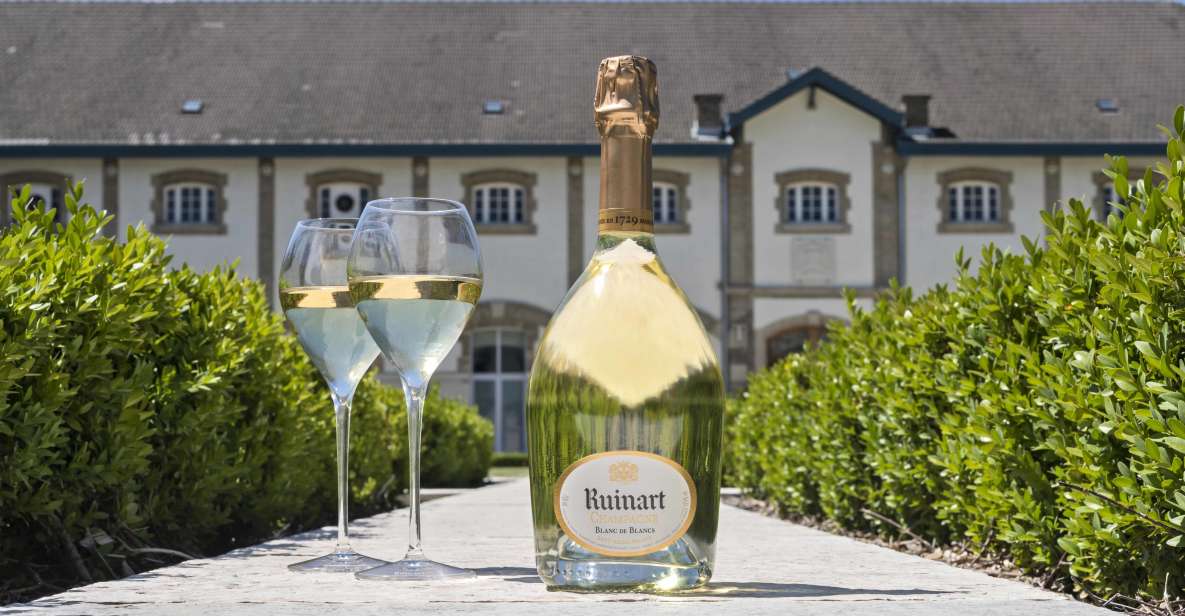
Your first main stop is a prestigious producer. Depending on availability, this may be Ruinart, Bollinger, Moët & Chandon, or Veuve Clicquot. These names matter because they show the polished, carefully managed side of Champagne production.
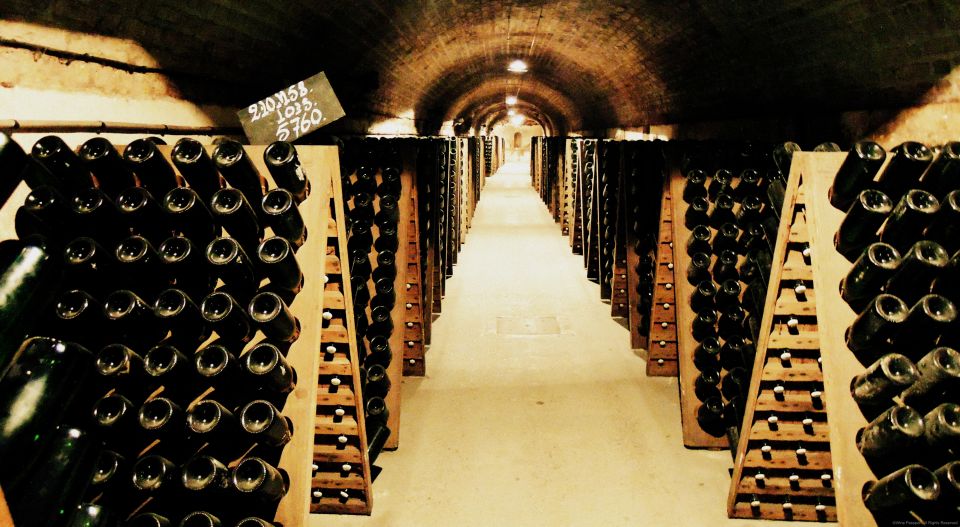
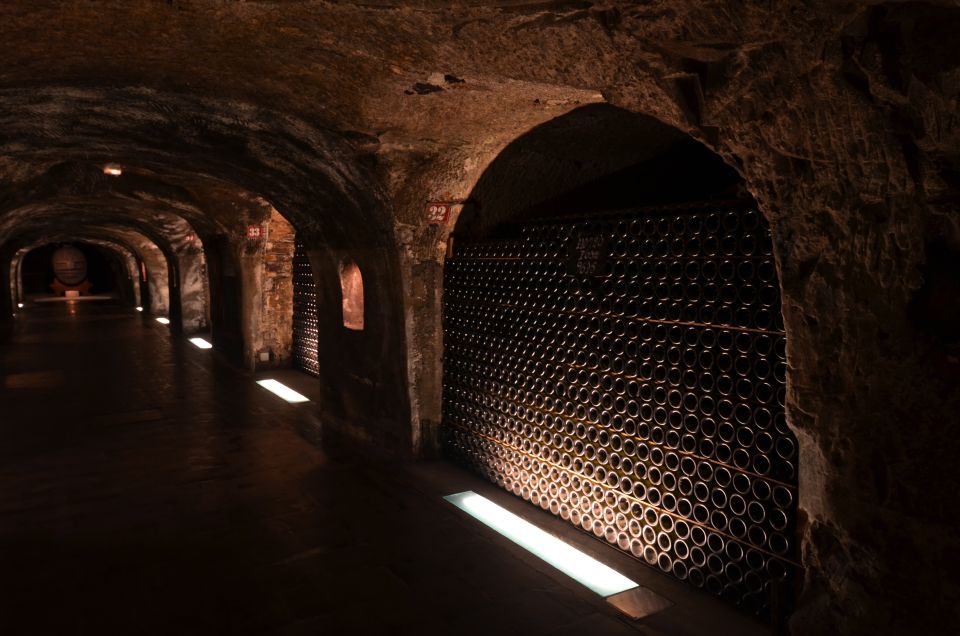
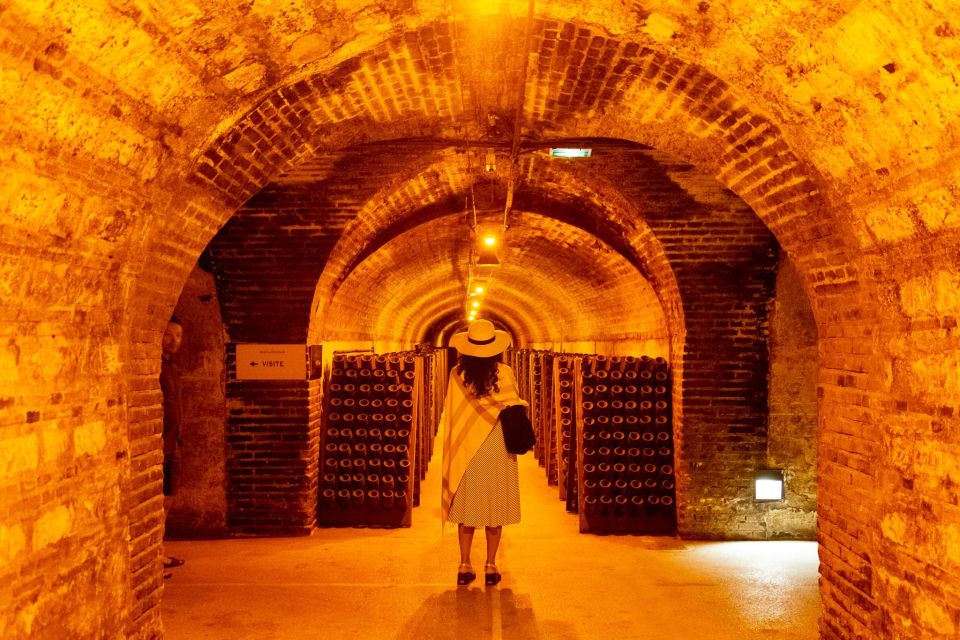
The visit normally lasts about an hour and a half, including a guided cellar tour and tasting. Expect stairs and underground galleries, not a simple tasting-room visit. The cellars are usually cold and damp, around 45°F, so take a sweater or light jacket even if Paris is warm.
The underground setting helps explain why Champagne has always relied on patient storage. Here, you get a better sense of the time and space needed to produce sparkling wine at scale. You also hear about the three grapes central to the region: Chardonnay, Pinot Noir, and Pinot Meunier.
This first visit is likely to feel grand and organized. If you enjoy famous labels, cellar architecture, and the wider story of Champagne production, it gives you a strong introduction. The exact house is not guaranteed, though, and each producer offers a different style of tour.
That point matters. Do not book this day expecting one specific brand unless the operator confirms it in advance. The listed choices include some of Champagne’s best-known houses, but availability determines the final stop.
Through Montagne de Reims, Côte des Blancs, and Vallée de la Marne
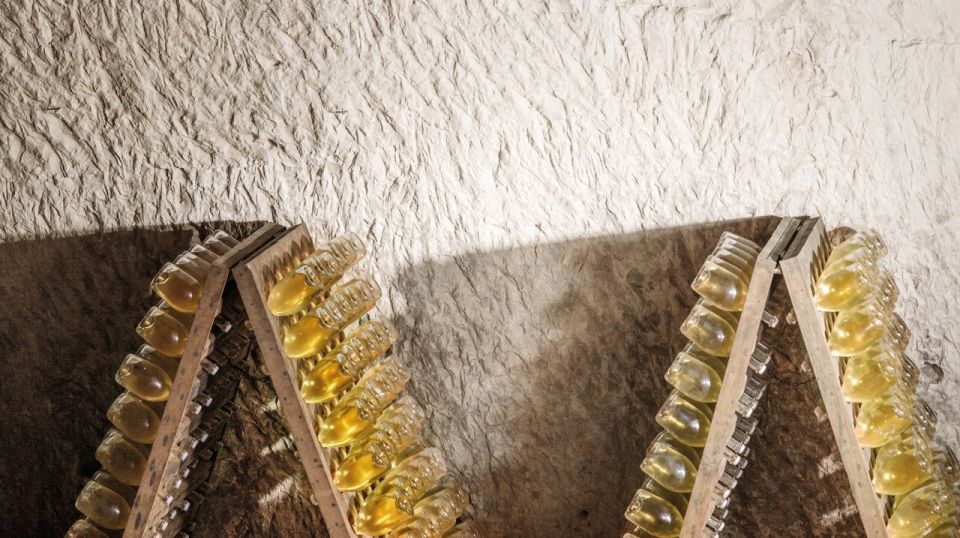
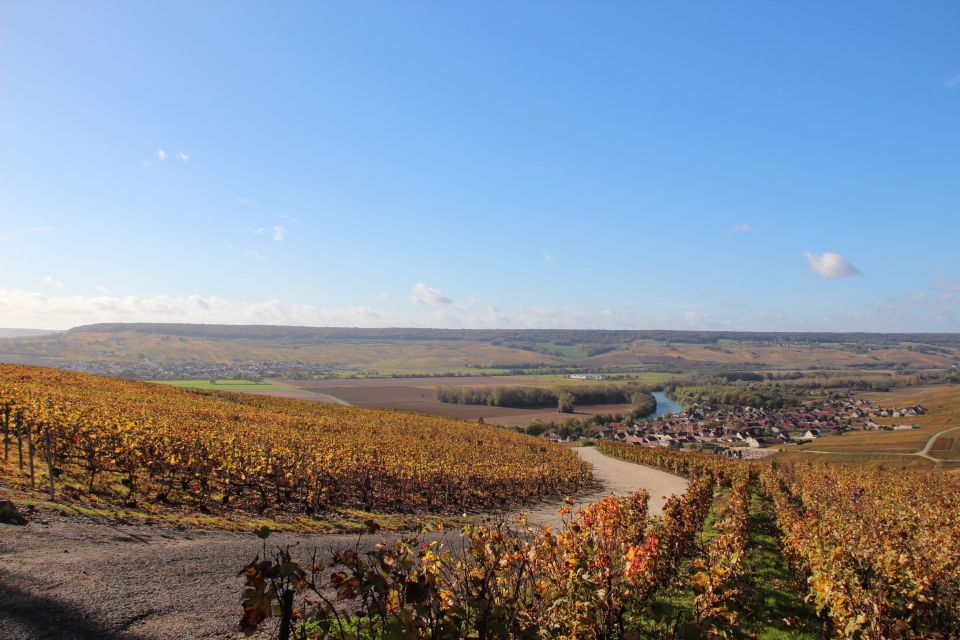
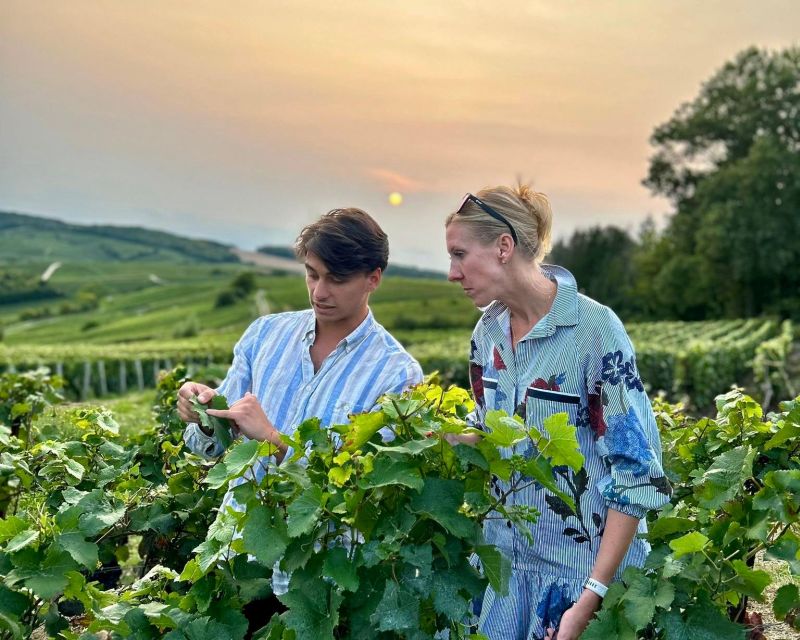
Between visits, the vehicle takes you through the main wine areas around Reims, Aÿ, and Epernay. The route includes Montagne de Reims, Côte des Blancs, and Vallée de la Marne.
This is not a walking tour of the vineyards, so you should think of these sections as guided viewing from the car rather than a long vineyard hike. Still, they help connect the wines in your glass with the places where the grapes grow.
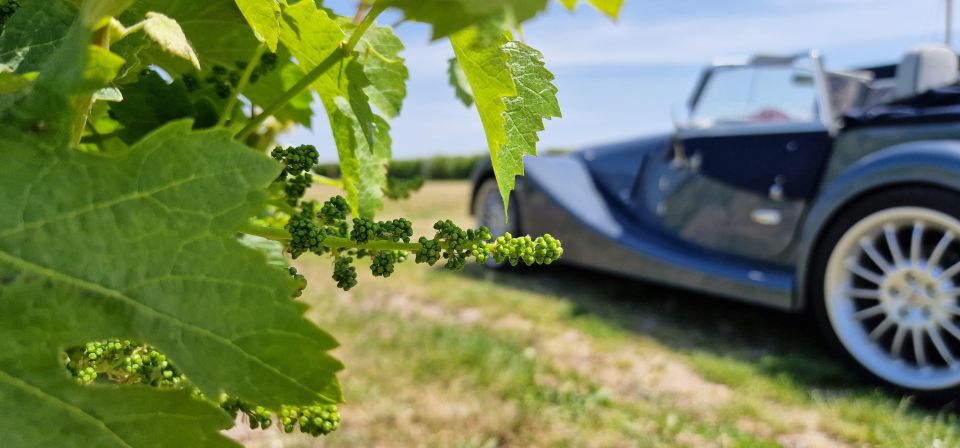
Your guide can explain how Chardonnay, Pinot Noir, and Pinot Meunier are used in Champagne. The lesson is useful because Champagne is not one single flavor or grape. The blend of varieties, along with the producer’s methods and aging, shapes the finished wine.
I like this part because it keeps the day rooted in the region rather than treating Champagne as a series of disconnected tastings. You see the route between the major towns and learn why the area has several distinct wine zones.
A château lunch with wine pairing
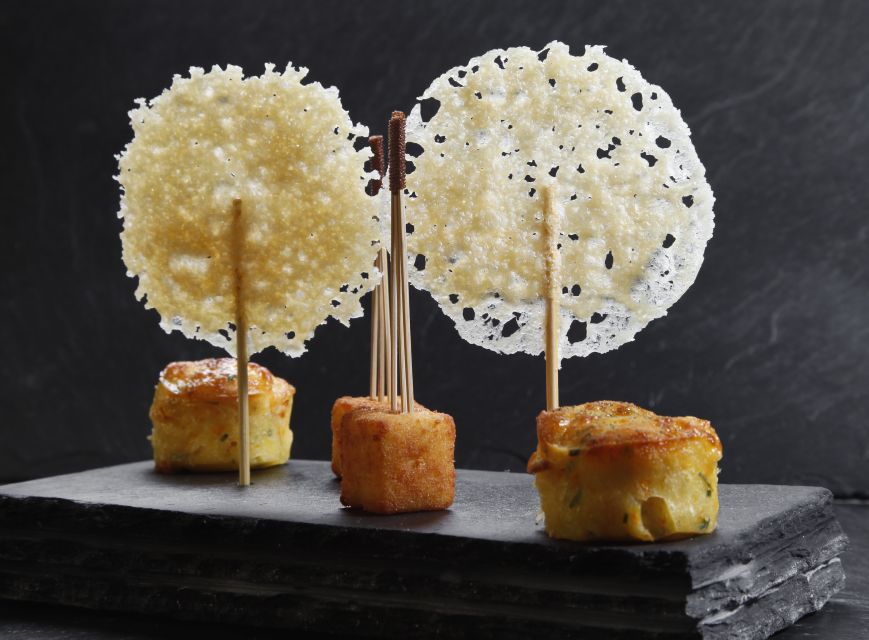
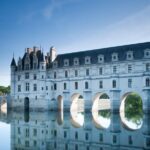
Lunch is planned at a Michelin-star restaurant in a château set inside a park. The meal is a three-course regional menu with wine pairing, and Champagne tasting is also listed as part of the stop. Coffee and tea are included.
On paper, this is a fine mid-day pause. After a morning drive and cellar tour, sitting down for a proper meal is much better than grabbing a rushed sandwich. The château setting should also give the day a sense of occasion.
But this is the part I would approach with the most care. One booking found no useful view from the dining room, with windows facing a blocked garden patio. The same meal was described as merely okay, with unremarkable wine, dull service, and fruit flies landing in food and glasses.
That does not prove every lunch will be the same. The restaurant may vary with availability, and a single meal cannot define the entire experience. Still, the criticism is specific enough that I would contact the operator before booking if lunch is the main reason you are considering this tour.
A Michelin-star label can create high expectations. I would treat the meal as a convenient and potentially elegant part of the day, not as a guaranteed rival to a superb Paris restaurant. If you have dietary needs, ask about the menu before paying.
The quieter side of Champagne at a boutique producer
The second winery visit lasts about two hours and focuses on a boutique Champagne producer. This is where the tour shifts from large-scale brand presentation to a smaller operation.
The exact producer is not named in advance, which gives the operator some flexibility. It also means you cannot be certain what kind of cellar, family story, or tasting room you will find. Ask which house is planned if the small-producer visit is especially important to you.
The guide explains how the wine is made, and you taste three authentic Champagnes that are typically unavailable in other parts of the world. That detail gives this stop real appeal. Instead of tasting only globally distributed labels, you may encounter bottles with a much more limited reach.
I value this contrast. A famous house can show you Champagne’s public face, while a boutique producer can make the process feel closer to the people who grow the grapes and handle the bottles. The smaller stop is also a good place to ask questions and compare production styles.
The tasting quality may depend on the producer assigned that day. One booking described the two winery visits as enjoyable overall but found the tasting at Boizel less satisfying. There was also a baby on that particular tour, which distracted from the experience. Since this is a private tour, confirm whether any shared portions of a winery visit are possible if you want a quiet tasting.



Hautvillers and the Dom Pérignon connection
Hautvillers is one of the most appealing stops because it brings a famous name in Champagne closer to a real place. You visit the village and stop at the abbey where Dom Pérignon worked as a cellar master more than 300 years ago.
The visit is not presented as a broad historical lecture. Instead, it connects the monk’s work with the tools and methods used to craft Champagne. That practical angle suits the rest of the tour, which focuses on how the wine is made rather than only on grand labels.
I would pay attention to the village setting here. After the large producer and the formal lunch, Hautvillers offers a smaller-scale pause. It helps you picture Champagne as a working wine area with old villages, cellars, vineyards, and producers spread across the region.
The tour also includes a chance to see tools used in Champagne production. Details about exactly which tools are shown are not specified, so I would not expect a museum-style collection. The value is in seeing the connection between older cellar work and the bottles you taste later.
What the private format adds
This is a private group experience, which changes the feel of a long day. You have your own transport and guide rather than joining a large bus for every part of the route. That makes the hotel pickup especially useful and gives you a better chance to ask questions as you move between stops.
The private setup also suits couples, families, and small groups who want a premium day without organizing the pieces themselves. You are paying for more than tastings. The price includes transport from Paris, a driver and wine guide, major-house admission, boutique-house admission, lunch, wine pairing, and the logistics of moving around the region.
The advertised price is $1,584 per group up to one. That is a serious price, so check the final cost for your party before booking. For one person, it is clearly a luxury outing. For a small private group, the per-person value can look better, especially when you consider the long private transfer and included meal.
I would compare the price with the cost of arranging a train to Champagne, local taxis, winery reservations, lunch, and a separate guide. The tour makes sense if you want a smooth, full-service day and do not want to manage those details. It makes less sense if you mainly want inexpensive tastings or are happy to explore independently.
Practical details before you reserve
Wear comfortable shoes. The underground galleries involve stairs, and the tour is not wheelchair accessible. Anyone with limited mobility should ask detailed questions before booking, since the cellar access is a central part of the day.
Bring a warm layer for the caves. A cellar at 45°F can feel chilly after a sunny drive, and damp air makes it colder still. Comfortable shoes and a jacket will help you focus on the tasting instead of the floor and temperature.
The tour offers free cancellation up to 24 hours before departure and allows you to reserve now and pay later. Starting times depend on availability, so check the schedule before building other Paris plans around the return.
The day is offered in English, French, and Spanish. Pickup and drop-off are at your Paris hotel, which is convenient, but you should provide the correct hotel details when arranging the reservation.
Finally, remember that wineries can change on request, and extra fees may apply. If you have your heart set on Ruinart, Bollinger, Moët & Chandon, Veuve Clicquot, or a particular boutique producer, get confirmation rather than assuming it is guaranteed.
Who will enjoy this Champagne day most
I would recommend this experience to someone who wants Champagne as a special occasion, not a casual afternoon outing. It works well for people who appreciate private transport, polished producers, a formal lunch, and a guide who can explain the wine along the way.
It is also a good fit if you want to compare two sides of the region. The major house offers scale and recognizable names. The boutique visit and limited-distribution bottles provide a more personal counterpoint.
You should think twice if lunch quality is your top priority. The château meal may be excellent, but the available information includes one clear disappointment involving the food, wine, room, and service. You should also reconsider if you dislike long drives, cold cellars, or stairs.
The tour’s 4.6 rating from eight reviews suggests a strong overall response, with especially warm comments about the guides and the day as a whole. The lower score tied to a disappointing lunch and a less satisfying tasting is useful because it points to the parts that can vary most.
Should you book this tour?
Book it if you want a luxury Champagne day from Paris with private transport, two winery visits, a Dom Pérignon connection, and the comfort of having the route handled for you. The guide and the contrast between a major house and a boutique producer are the best reasons to choose it.
Before paying, confirm the main Champagne house, the boutique producer, and the château restaurant. If those details suit your priorities, the price can be reasonable for a private full-day experience. If you mainly want a dependable Michelin-star meal, or a specific famous label, ask precise questions first and be ready to choose another option if the answers are vague.
FAQ
How long is the Champagne tour from Paris?
The experience lasts about 11 hours, including roughly two hours of travel from Paris to Champagne and about two hours back.
Is hotel pickup included?
Yes. Pickup and drop-off at your hotel in Paris are included.
Which Champagne houses can I visit?
Depending on availability, the major producer may be Ruinart, Bollinger, Moët & Chandon, or Veuve Clicquot. Winery choices can be changed on request, and additional fees may apply.
Is lunch included?
Yes. The tour includes a three-course lunch at a Michelin-star restaurant, with wine pairing, subject to availability. Coffee, tea, wine, and Champagne tasting are also listed for the lunch stop.
What languages are available?
The live guide is available in English, French, or Spanish.
Is the tour wheelchair accessible?
No. The tour is not suitable for wheelchair users because the underground galleries involve many stairs.