REVIEW · LYON
Lyon: Private UNESCO Old Town Walking Tour
Book on GetYourGuide →Operated by Unique Tours Lyon · Bookable on GetYourGuide
Lyon rewards slow walking. This private UNESCO Old Town tour is built for wandering the right streets, finding places most people miss, and getting the stories that make them click.
Two things I really like: you get expert guidance through the twisty old quarters, and you also get help with the tricky stuff—especially the traboules, those covered passageways locals used for moving goods. You’ll also get time inside the Guignol Puppet Museum, where French puppetry is explained in a way that feels more personal than touristy.
One possible drawback: it’s a 2-hour walking tour, and it’s not suitable if you have mobility issues or need big breaks. Also, it runs rain or shine, so comfy shoes really matter.
In This Review
- Key highlights that make this tour worth your time
- First Step at Place Saint-Jean: get oriented fast
- Vieux Lyon cobblestones and the silk trade’s secret shortcuts
- What you should watch for while walking
- A small reality check
- Guignol Puppet Museum: Lyon’s theater culture in real detail
- Why this stop works so well
- The only consideration
- Fourvière Hill and the Basilica view: the city opens up
- What you’ll get from the Basilica area
- Rue Mercière finish: where the old city turns into real life
- Price and value: is $159 for 2 hours a fair deal?
- Who this tour is best for (and when to skip it)
- The guide experience: stories that connect the dots
- Should you book this Lyon Old Town tour?
- FAQ
- Where does the tour start?
- How long is the tour?
- What’s included in the price?
- Is this tour private?
- What languages are available?
- Does the tour run in bad weather?
- Is the tour suitable if I have mobility concerns or use a wheelchair?
Key highlights that make this tour worth your time

- Traboules hunting: your guide steers you through the covered passageways linked to the silk trade
- Vieux Lyon at a sensible pace: cobbled streets plus context, without feeling rushed
- Guignol Puppet Museum stop: you get inside for a focused look at Lyon’s puppet tradition
- Fourvière viewpoints: a morning-style climb with the Basilica visible from across the city
- Private, customizable feel: you can shape the walk around what you care about
- Funicular ticket included: less time negotiating transportation, more time seeing the city
First Step at Place Saint-Jean: get oriented fast

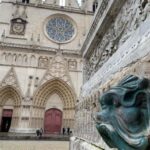
You start right in the heart of old Lyon, in front of Saint-Jean Cathedral at Place Saint-Jean. It’s a smart meeting spot because you’re immediately surrounded by the architecture and street life that define this area. From minute one, your guide sets the tone: what you’re about to see, why it mattered, and what to watch for as you walk.
I like the way the tour frames Lyon as a city of connections. Not just streets. Connections between neighborhoods, trades, and daily life. And once you understand that, the whole walk feels less like a checklist.
You can also read our reviews of more walking tours in Lyon
Vieux Lyon cobblestones and the silk trade’s secret shortcuts

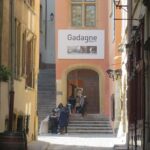
The tour heads into Vieux Lyon for a guided walk through the UNESCO lanes. Expect cobbled streets, medieval façades, and that slightly maze-like effect Lyon does so well. The real star here is how your guide finds—and explains—the traboules.
Traboules are covered passageways that run between buildings. The point wasn’t decoration. They were practical. In Lyon, they helped workers and merchants move goods, and they’re strongly tied to the city’s weaving and silk business. When your guide points out where these passageways start and end, you start noticing how the old city was built for movement under the same roofline.
This is where a private guide earns their fee. If you’re doing this on your own, you might see a pretty street and miss the functional network that makes the area so distinctive. With a guide, you get the why behind the winding paths.
What you should watch for while walking
- Where doors and arches lead: traboules often begin in plain sight
- How buildings connect: look for passageways that cut across blocks
- Street-level details: signage and stonework can hint at older uses
A small reality check
This portion is still a walking tour. If you’re hoping for lots of standing around and photos from one spot, you’ll need to adjust. But if you like moving at a human pace while learning, this part is excellent.
Guignol Puppet Museum: Lyon’s theater culture in real detail

After the old-quarter walking, you’ll step into the Guignol Puppet Museum. This stop is short—about 30 minutes—but it’s targeted, not rushed-through. The museum focuses on French puppetry, and your guide explains the tradition in a way that helps you understand why Lyon takes this seriously.
Guignol is more than a novelty puppet. It’s part of Lyon’s street-theater identity. During your visit, you’ll see the puppets and learn about what makes them unusual and how they fit into local culture. If you like quirky local traditions (or you’re traveling with kids), this is one of the best places on the route to feel the personality of the city.
Also, you avoid the hassle of searching for your way into the museum. The tour includes entry tickets, so you spend your time inside where it counts.
You can also read our reviews of more private tours in Lyon






Why this stop works so well
A lot of Lyon tours stay “big landmarks only.” This one adds a cultural corner of the city—storytelling, performance, and craft—so you leave with more than buildings in your camera roll.
The only consideration
You don’t get hours here. If puppets are your main obsession, you might want to plan extra time outside the tour. But for most people, the museum stop is a perfect palate cleanser between old streets and the big view from Fourvière.
Fourvière Hill and the Basilica view: the city opens up

Next comes Fourvière Hill for views and the famous Basilica. This is a logical transition: after learning the old-city secrets, you climb to where the city shows itself at scale.
The tour includes a ticket for the funicular, which helps a lot. You still get walking, but you don’t waste time fighting uphill logistics. Your guide brings you through the experience so you know what you’re looking at and why the Basilica matters in Lyon’s story.
The Fourvière visit is listed as a sunrise-style slot, which usually means you’re going up when the light is good. Even if your morning isn’t magical, the timing helps the city look crisp rather than flat.
What you’ll get from the Basilica area
- The Basilica perched above the city—easy to understand why it’s so iconic
- Panoramic views that make the streets you walked feel connected
- Fun facts tied to how Lyon developed in layers
And yes, the Basilica is viewable across the city, so seeing it from the hill is like finishing a puzzle.
Rue Mercière finish: where the old city turns into real life

Your tour ends on Rue Mercière, a classic Lyon street known for its lively energy. This is a useful landing spot. When a walking tour ends somewhere meaningful, it’s easier to turn sightseeing into a plan for food, a drink, or a last loop of wandering.
You can also use what you learned to guide your next steps. If you picked up the silk-passage story earlier, you’ll notice how Lyon’s old economy shaped the streets and building layouts you see while you keep walking.
Price and value: is $159 for 2 hours a fair deal?
At $159 per person for about 2 hours, you’re paying for a private guide, entry into the Guignol Puppet Museum, and a funicular ticket. For many travelers, the biggest value isn’t the money saved on tickets—it’s the time saved and the accuracy gained.
Here’s why the value works:
- You get guided navigation of the traboules (the part most people struggle with)
- You avoid ticket-line friction for the museum
- You don’t have to sort uphill transport on your own
- You can ask questions about history, culture, tradition, gastronomy, and what to do next
If you’re a couple, or you’re traveling in a small private group, the cost can feel much more reasonable than a generic “group tour” approach. If you’re a solo traveler who likes structure, a private guide can also be a smart way to avoid spending your limited time guessing where to go.
Who this tour is best for (and when to skip it)

This tour is ideal if you want:
- A guided Old Town walk that explains more than just dates
- Help finding places tied to Lyon’s silk and weaving past
- A cultural stop that isn’t another church photo
- A morning-style climb to Fourvière with good light
It’s less ideal if:
- You have mobility impairments (it’s not suitable)
- You’re traveling with luggage or large bags (not allowed)
- You can’t handle rain (it runs rain or shine)
Practical tip: bring comfortable shoes and dress for weather. Lyon’s streets are charming, but they’re also cobbled. Your feet will notice.
The guide experience: stories that connect the dots

The tour is led by a live guide, and the language options include English, French, Spanish, and Catalan. I also like that the format is designed for conversation. Your guide doesn’t just talk at you—they connect sights to the bigger picture: how Lyon’s traditions formed, how people lived, and where to go next.
Names that have shown up in past guides’ styles include Fantine and Didac. Their described approach centers on linking Lyon’s landmarks to themes like silk history and tailoring explanations for different age groups. Even if your guide is someone else, the tour’s structure is clearly meant to make the city’s story feel coherent.
This matters because the best city tours don’t just show you places. They help you understand how the places relate.
Should you book this Lyon Old Town tour?

Yes—if you want a high-quality mix of UNESCO Old Town walking + traboules + a real cultural stop + a major viewpoint—and you’d rather pay for guidance than spend time figuring it out yourself.
I’d especially recommend it if:
- You’re short on time and want the route to make sense
- You care about Lyon’s working history (silk, weaving, and how people moved)
- You like a private, customizable pace
- You want the Fourvière experience without transportation headaches
Skip it if you’re not up for walking, or if the puppet museum doesn’t interest you at all. Otherwise, this is a strong way to see Lyon with context, not just photos.
FAQ
Where does the tour start?
You meet in front of Saint-Jean Cathedral at Place Saint-Jean.
How long is the tour?
The duration is 2 hours.
What’s included in the price?
The tour includes a live guide, a walking tour, entry tickets to the Guignol Puppet Museum, and a funicular ticket.
Is this tour private?
Yes. It’s a private group experience.
What languages are available?
The live guide is available in English, French, Spanish, and Catalan.
Does the tour run in bad weather?
Yes. It takes place rain or shine.
Is the tour suitable if I have mobility concerns or use a wheelchair?
No. It’s listed as not suitable for people with mobility impairments.