REVIEW · LYON
Lyon: Musée Soieries Brochier guided tour
Book on GetYourGuide →Operated by BROCHIER SOIERIES · Bookable on GetYourGuide
A silk museum in a historic building sounds fancy, but this tour is refreshingly practical. You’ll spend an hour inside the Musée des Soieries Brochier and come away with a clear sense of how a Lyon silk house shaped haute couture and even technical textiles. I love the way the story connects art, fashion, and engineering without getting lost in jargon, and I also like that you finish with shopping for genuinely local silk goods.
One thing to consider: the experience leans more on guidance and display than on film-heavy explanations. If you’re hoping for lots of video showing how fabrics are made, you might find it more descriptive than multimedia.
In This Review
- Key highlights to look for
- Why Lyon’s silk story starts at Grand Hotel-Dieu
- Brochier in 60 minutes: from 1890 to modern silk
- Haute couture fabrics you can actually place in your memory
- When silk meets art: Miró, Calder, and Cocteau
- Jacquard to technical fabrics: where innovation gets practical
- The human touch: guides, clarity, and group needs
- Shopping after the tour: Fabriqué à Lyon silk accessories
- Price and timing: is 1 hour enough?
- Who should book this Lyon silk tour
- Should you book the Musée Soieries Brochier guided tour?
- FAQ
- FAQ
- How long is the Musée Soieries Brochier guided tour?
- What language is the tour offered in?
- How much does the tour cost?
- Where do I meet the guide?
- What is included in the ticket?
- Is the museum wheelchair accessible?
Key highlights to look for
- Grand Hotel-Dieu setting: the museum sits in a history-heavy Lyon landmark area along the Rhône.
- Brochier’s 130-year story: starting in 1890, the tour traces generations of Lyon silk-making.
- Couture names you recognize: fabrics tied to creations by Givenchy, Christian Lacroix, Valentino, Yves Saint Laurent, and Nicolas Fafiotte.
- Artist collaborations: you’ll see textile design references linked to Miró, Calder, and Cocteau.
- Innovation that goes beyond fashion: Jacquard loom adaptation for technical uses, plus optical-fibre weaving for future fabrics.
- Shop with a Lyon label: look for Fabriqué à Lyon silk accessories and hand-painted silk/velvet squares.
Why Lyon’s silk story starts at Grand Hotel-Dieu
Lyon has no shortage of museums. Still, the Musée des Soieries Brochier feels like a smart one to pick early, especially if you want a “how Lyon makes things” perspective, not just a “look at stuff” perspective.
The tour is housed in the broader Grand Hotel-Dieu complex area, with the Musée Soieries Brochier entrance handled outside the main building along the Rhône quays. That means your first impression is very Lyon: riverside air, old stone, and the sense that you’re in the middle of real city life—not sealed-off tourism. You meet your guide at the museum, near the Wilson/Winston bridge area; check the access plan and map images so you don’t waste time hunting.
This setting matters because it frames silk as part of Lyon’s civic identity. You’re not just studying a craft. You’re stepping into the kind of legacy space where a business story can feel like local history.
You can also read our reviews of more guided tours in Lyon


Brochier in 60 minutes: from 1890 to modern silk
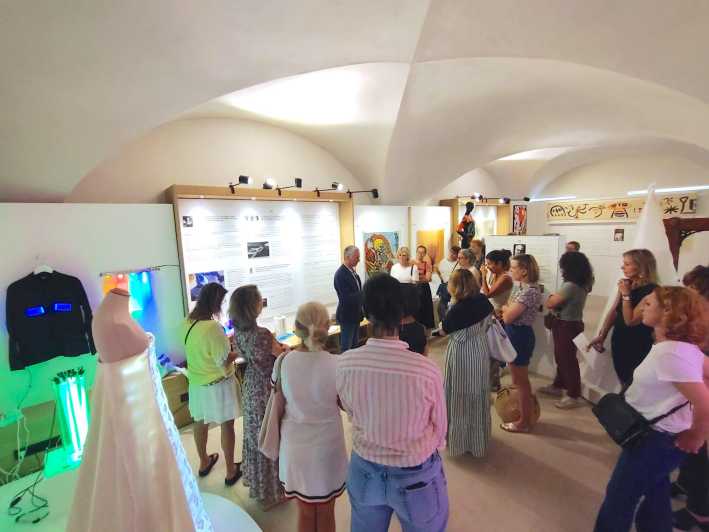
The heart of the guided visit is the family history of Brochier soieries, built around a timeline that stretches 130 years. The story begins in 1890, when the Brochier family set out in the silk industry. From there, the tour emphasizes a few concrete milestones: four generations, nine Brochiers, and hundreds of thousands of metres of silk woven and printed over time.
The way this lands is practical. Instead of just saying Brochier was important, the tour connects that importance to outcomes you can visualize: the fabrics were used for prominent haute couture and for artistic projects. In other words, it’s not only about silk as material. It’s about silk as a system—design, weaving, printing, and production that supports creative work.
If you like business and design history, you’ll probably enjoy the tour’s pacing here. It gives you enough context to understand why the museum exists: to show how one Lyon silk house built a reputation strong enough to work with major creative names and also pursue new technical uses.
Haute couture fabrics you can actually place in your memory
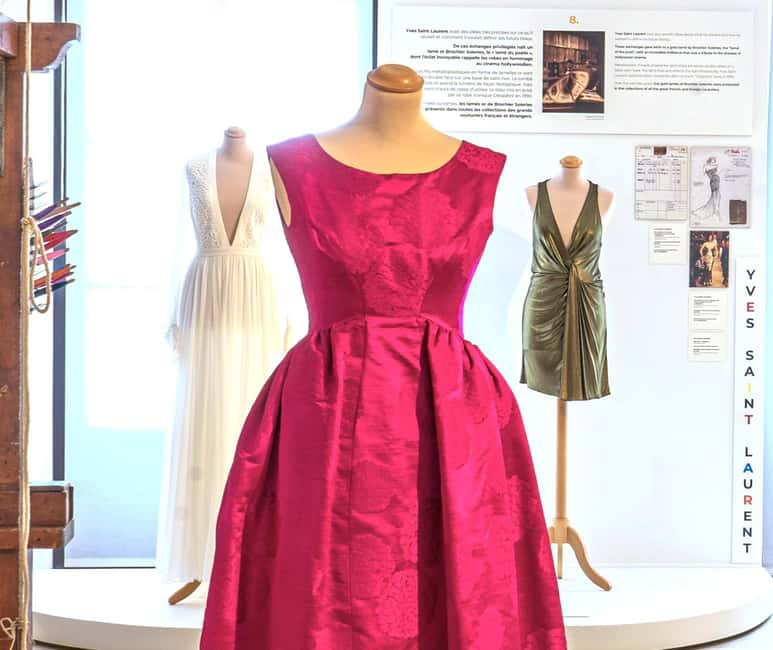
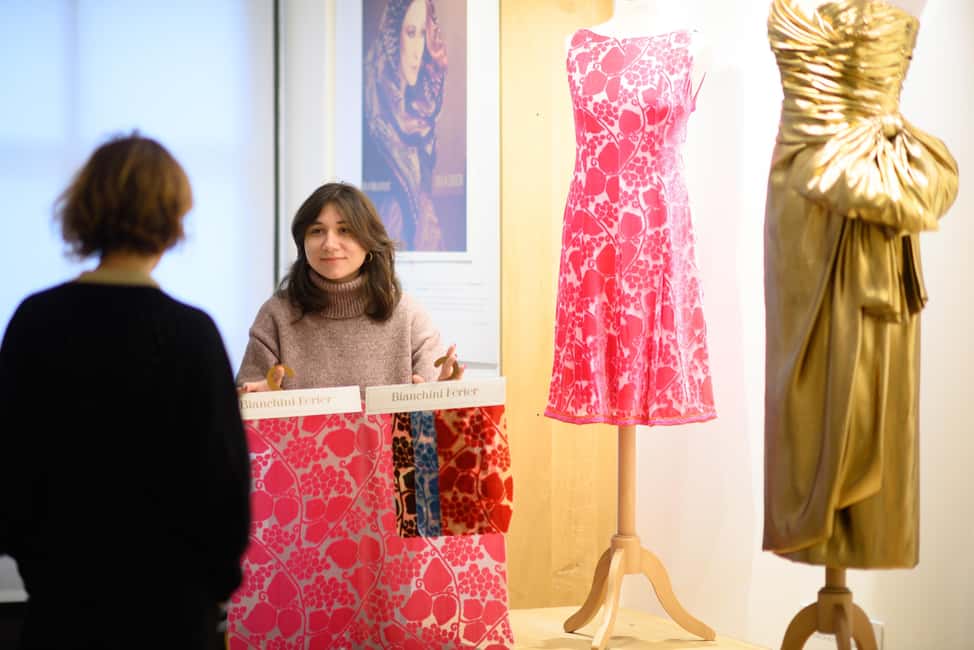
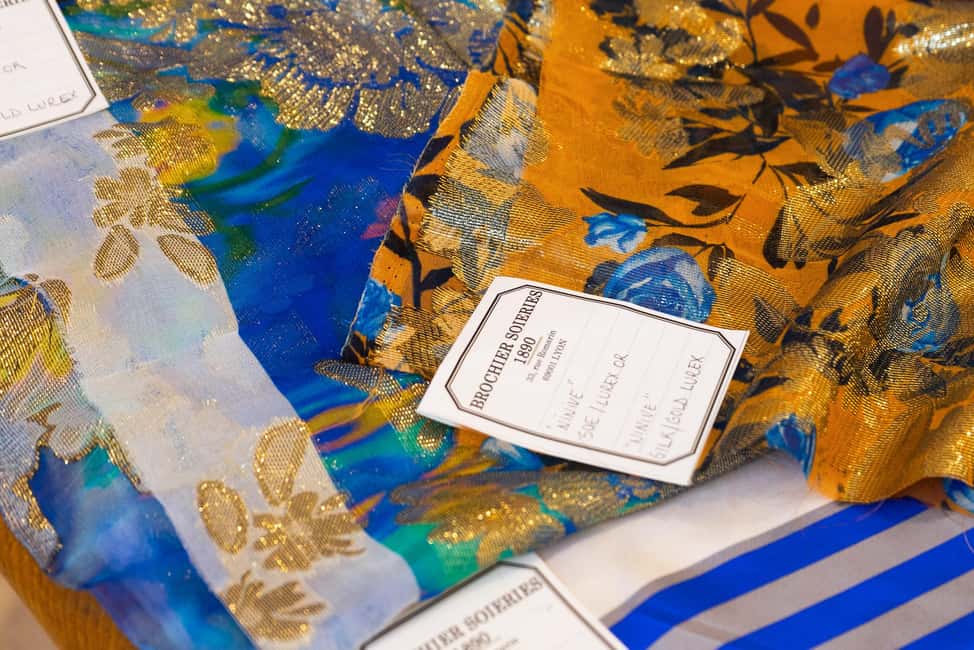
One of the most fun parts is the tour’s focus on real fashion names tied to Brochier fabrics. You’ll admire references to dresses associated with major designers, including Hubert de Givenchy, Christian Lacroix, Valentino, Yves Saint Laurent, and Nicolas Fafiotte.
What I like about this approach is that it turns silk from a vague luxury idea into something you can picture in real garments. If you’ve ever wondered why certain clothes look richer than others—how the sheen sits, how patterns behave, how the drape reads—that’s the kind of question this section nudges you toward.
Also, the museum’s angle is not simply about celebrity. It’s about fabric behavior and finishing, since the tour frames these couture pieces as created with the fabrics of the house. That’s why the museum belongs in Lyon: you’re seeing craft that fed high-end creative work, right here in the city.
A small consideration: some people want more garment variety, and the displays may feel limited if you expected a larger runway-style collection. The tour is still very informative, but the “how much you’ll see” can be less than what fashion-only visitors hope for.
When silk meets art: Miró, Calder, and Cocteau
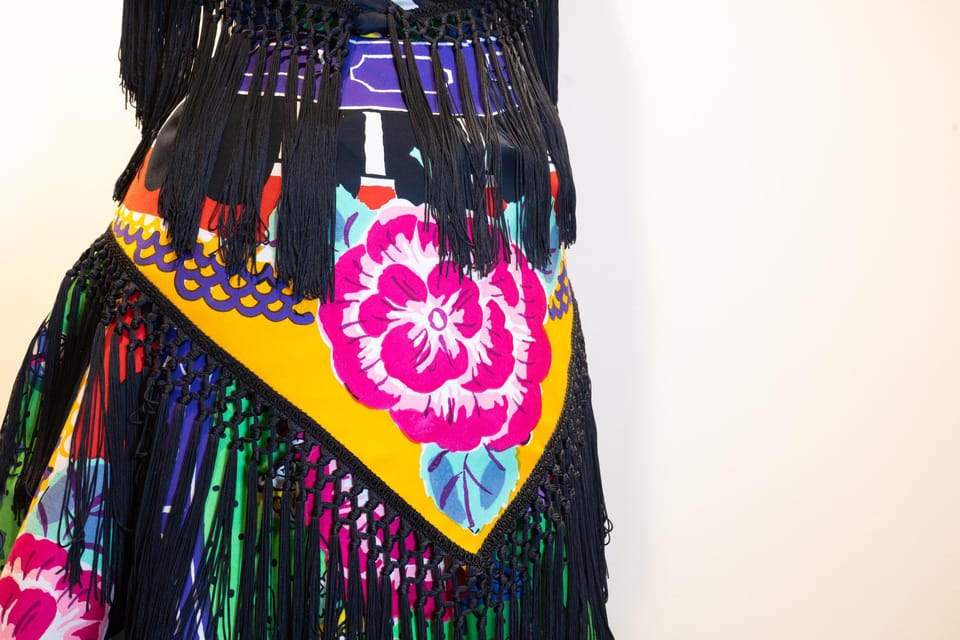
Silk doesn’t have to be decorative in a traditional way. Here, Brochier’s story connects silk textiles to major 20th-century art names, including Miró, Calder, and Cocteau.
This section is valuable because it shows the cross-pollination between media. You’re not only looking at fabric as clothing. You’re seeing fabric as a surface for artistic thinking—color structure, rhythm, and form carried into weave and print.
And if you’re the type who likes museums where you leave with a mental checklist (what you saw, why it mattered, how it relates to the city), this part does the job. Lyon isn’t just about silk threads. It’s about Lyon offering the tools for artists and designers to work.
You might find it helpful to slow down for a minute and really look at how patterns relate to fabric. Even with limited time, you can pick up what makes textile design different from flat graphics.
Jacquard to technical fabrics: where innovation gets practical
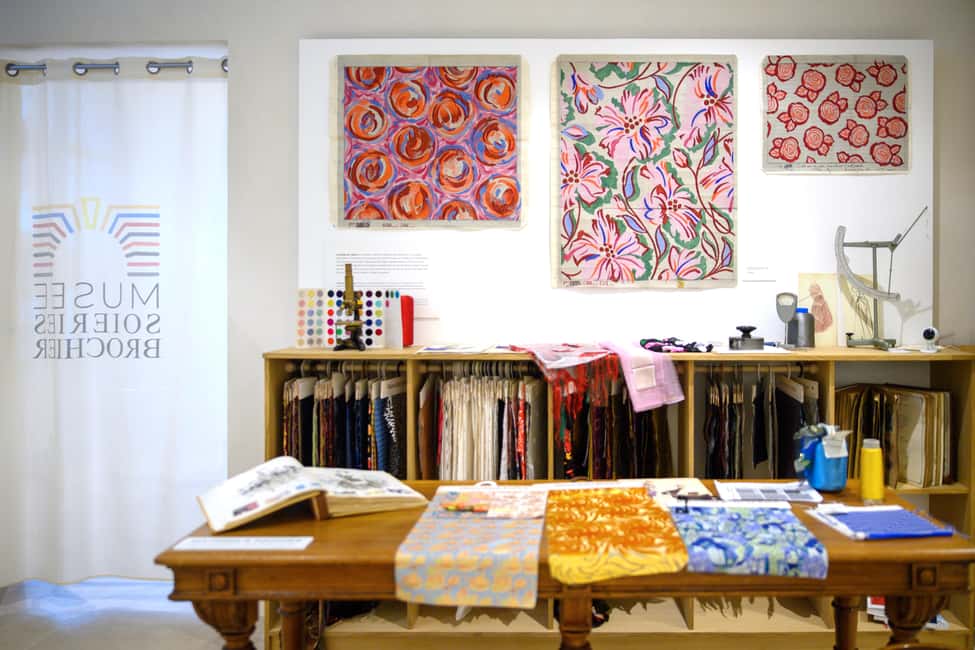
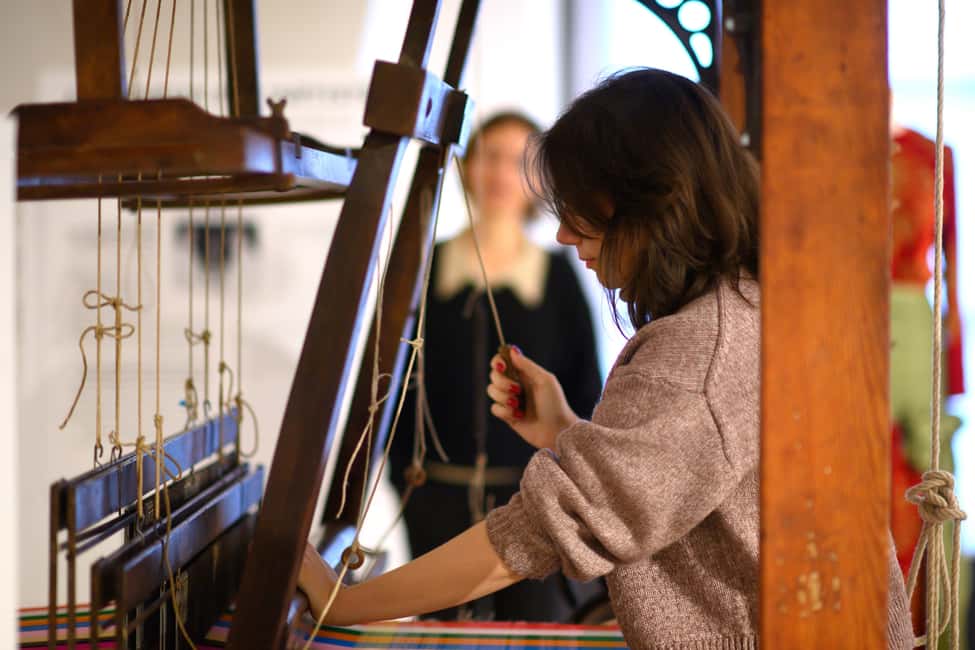
Brochier doesn’t stay in the fashion lane. A big theme of the tour is innovation—specifically, how the house adapted the Jacquard loom for technical fabrics.
The tour points to technical applications that sound almost sci-fi: fabrics connected to Concord nose cones, rainforest canopy rafts, and Venus balloon probes. That’s a memorable set of examples for one simple reason: it reframes silk. It becomes not only beautiful, but useful in high-demand environments.
Then the story continues into what the future might look like. The museum explains that silk thread is now woven with optical fibres to produce fabrics of the future. Even if you don’t know the technical details, the message is clear: silk technology can evolve, not just remain a tradition.
This is one place where a guided explanation is genuinely helpful. Without context, it’s easy to read these as trivia. With the guide, you understand the logic: advanced weaving capabilities can transfer into specialized uses.


The human touch: guides, clarity, and group needs
A museum tour can succeed or fail based on the guide’s ability to make complex information feel clear. The experience here tends to focus on that clarity. I like that the tour works for different kinds of groups, including people with accessibility needs.
For example, one account described a group of 10 where two non-seeing participants joined in. The guide handled it with good humor and patience, and the tone was described as attentive and benevolent. That kind of care matters, because silk terminology can get technical fast, and someone has to bring it back to human scale.
Also, the tour runs in English and French. If you’re choosing between languages, pick the one that matches how quickly you want to absorb detail. A textile tour moves at the speed of explanation, not the speed of your reading.
Shopping after the tour: Fabriqué à Lyon silk accessories
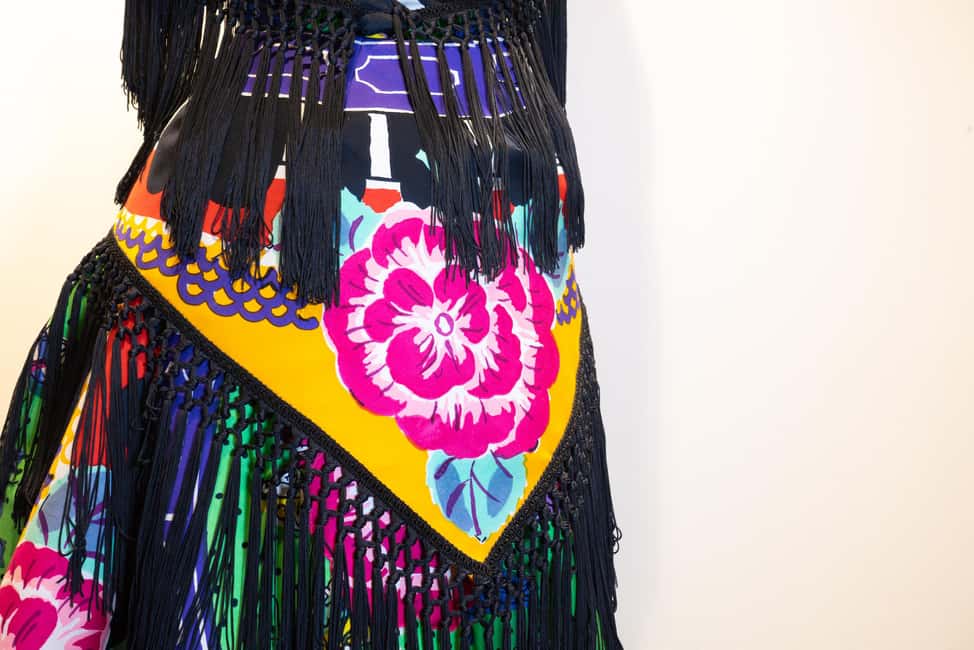
You get a real payoff at the end: the museum shop is open to the public and sells silk accessories made in Lyon. The tour specifically highlights a Fabriqué à Lyon label, which is what you want if you’re aiming for an authentic souvenir rather than a generic textile item.
Look for hand-painted squares made from 100% silk and also velvet squares. The shop claims these are made in Lyon in the silk weaving mills and printing workshops of Brochier Soieries. That’s important: it tells you the craft is tied to the source, not outsourced elsewhere.
Practical tip: treat the shop like a second stage of the tour. If you just listened to the story of weaving and printing, the product selection makes more sense. You’ll likely be able to spot differences in finish, color intensity, and how patterns hold.
And yes, the prices are often lower than “atelier couture” fantasies. That makes this one of those Lyon experiences where you can buy something beautiful without turning the souvenir into a financial regret.
Price and timing: is 1 hour enough?
The guided tour runs about 1 hour, and the listed price is around $11 per person. That’s a bargain if you’re looking for a high-signal introduction to Lyon’s silk industry.
Here’s why it feels like good value. You get:
- the family-history narrative (so you understand the stakes),
- connections to famous fashion and art names (so you recognize the output),
- and a section on innovation that explains silk’s future directions.
That said, the biggest drawback is also the one thing you should know up front: the tour can feel more descriptive than film-led. One note described the visit as a bit light if you’re expecting more teaching tools like videos for the weaving techniques. There are explanatory panels, but if you’re hoping for lots of demonstrations, you may want to mentally set expectations.
In practice, this means the tour works best for:
- design lovers who like context,
- fashion fans who want to connect fabric to recognizable names,
- people curious about Lyon beyond food and old streets,
- and anyone who enjoys museums that connect craft history to modern innovation.
If you’re traveling with kids, or you want hands-on stations, you might find it a touch passive. But for an adult-focused hour, it’s often a good use of time.
Who should book this Lyon silk tour
Book it if you want an hour that gives you both cultural cachet and useful knowledge. You’ll leave with a better sense of why Lyon became a silk powerhouse: not only because of tradition, but because of production skill and repeated innovation.
Also book it if you plan to spend more time in Lyon’s historic core. Pair it with a walk around the Rhône quays and you’ll naturally connect the city’s past industries to the riverside geography that helped them function.
Skip it—or at least adjust expectations—if you need lots of video content or very large numbers of garments on display. It’s not a full production demonstration. It’s a guided story plus selected views of fabrics and design thinking.
Should you book the Musée Soieries Brochier guided tour?
Yes, I’d book it if you want a smart, 1-hour introduction to Lyon silk that connects haute couture, major artists, and even technical innovation. The combination is rare: many craft museums show the object; fewer explain why it mattered to both fashion and engineering.
You’ll be especially happy if you like museums with a guide who keeps things clear, and if you’re planning to browse the shop afterward for Fabriqué à Lyon silk goods. If your top priority is heavy multimedia and lots of technique demos, consider going in knowing the visit is more guided-and-explanatory than video-driven.
FAQ
FAQ
How long is the Musée Soieries Brochier guided tour?
The guided tour lasts about 1 hour.
What language is the tour offered in?
The live guide offers tours in English and French.
How much does the tour cost?
The price is listed as $11 per person.
Where do I meet the guide?
You meet the guide at Musée Soieries Brochier. The museum entrance is outside the building on the riverside, near the Wilson/Winston bridge area, close to the Rhône quays. Check the access plan and pictures on the website or on Google Maps.
What is included in the ticket?
Your ticket includes the entrance for a guided tour.
Is the museum wheelchair accessible?
Yes, the activity is wheelchair accessible.