REVIEW · PARIS
Louvre Museum Tour with Audio Guide & Optional Seine Cruise
Book on Viator →Operated by Dreamora Travel · Bookable on Viator
The great appeal here is simple: you get inside the Louvre with admission arranged, then choose your own route through one of the world’s largest museums. You can pause before the Mona Lisa, spend longer with Egyptian sculptures, or skip rooms that do not hold your interest. Prebooked entry removes one major worry from a Louvre visit.
I like two things especially. First, the audio format lets you explore quietly rather than stick to a guide’s timetable. Second, the optional one-hour Seine cruise gives you a useful way to add Paris scenery after the museum without booking a separate experience.
The catch is that this is not a traditional guided tour. The museum is huge, its levels can be confusing, and one rating specifically noted trouble finding the way around with the audio guide. You need to be comfortable managing your own visit.
In This Review
- Key points at a glance
- What this Louvre visit really gives you
- Getting inside the Louvre
- Using the audio guide without losing your way
- The Mona Lisa and the famous highlights
- Ancient Egypt, Greece, and Rome
- Building your own visit in one to three hours
- Adding the Seine cruise from the Eiffel Tower
- Is $48.87 a fair price?
- Who will like this format most
- Practical details before you commit
- Should you book the Louvre audio guide tour?
- FAQ
- How much does the Louvre Museum Tour with Audio Guide cost?
- How long does the Louvre experience last?
- Is Louvre admission included?
- Is entry to the Louvre prebooked?
- Is this a guided tour with a live guide?
- Can I take as long as I want inside the Louvre?
- Where does the Seine River cruise depart?
- How long is the Seine River cruise?
- Can I take the cruise immediately after the Louvre?
- Is the Seine cruise skip-the-line?
- Can I cancel or change the booking?
Key points at a glance
- Prebooked Louvre admission: Your entry is arranged in advance, though the museum may shift your entrance time by up to one hour.
- Self-guided format: You explore independently and can set your own pace, with no guide leading you from room to room.
- Iconic works included: The route can bring you to the Mona Lisa, Venus de Milo, Winged Victory of Samothrace, and Liberty Leading the People.
- Collections from many eras: Egyptian, Greek, Roman, Renaissance, and later European works are all part of the museum experience.
- Optional Seine cruise: Add a one-hour boat ride that begins at the bottom of the Eiffel Tower and can be taken later that day.
- Easy transport: The Louvre is near public transportation, making this a practical choice for a day in central Paris.
What this Louvre visit really gives you
The Louvre is not a small museum that you can casually sweep through in an hour. It occupies a former royal palace and holds more than 35,000 works, ranging from ancient civilizations to celebrated Renaissance paintings and later European art.
That scale is both the thrill and the problem. I like having freedom to build my own visit, but you should arrive with a rough plan. Without one, the museum’s size can turn your afternoon into a long search for the next famous room.
This experience is best understood as prearranged admission plus an audio-guided museum visit, not as a personal tour led by an art specialist. You are responsible for choosing where to go, how long to stay, and how to handle the museum’s different levels.
The stated duration is approximately one to three hours. That gives you a useful short visit, but it should not be read as a limit on how long you may look around. The key benefit is flexibility. If you want a quick first look at the major works, you can keep moving. If one collection catches your attention, you can give it more time.
You can also read our reviews of more boat tours in Paris



Getting inside the Louvre
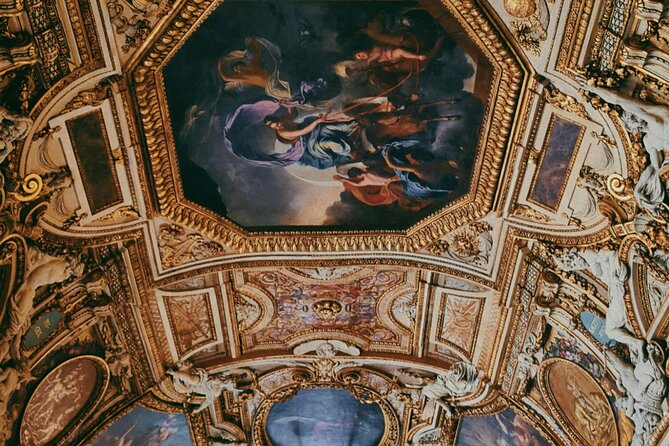
The entry process is one of the stronger parts of this option. Your admission is prebooked, so you are not starting the day by trying to arrange a ticket at the museum. One rating praised the easy booking and quick entry, and another described the visit as smooth and stress-free.
There is one important qualification. Because Louvre availability can change, your entrance time may be moved up to one hour earlier or later than the time you requested. Check your confirmation carefully and keep some flexibility in your Paris schedule.
The museum is easy to reach by public transportation, although the exact route depends on where you are staying. Give yourself enough time to arrive before the assigned entry window. A prebooked ticket helps, but it does not remove the need to get to the correct place at the correct time.
Most people can take part, according to the supplied information. No special physical requirements or age limits are given, so you should rely on the booking details if someone in your party has a specific need.
Using the audio guide without losing your way
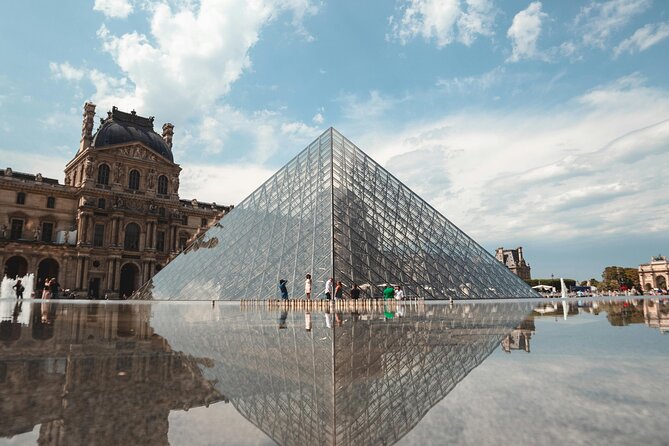
An audio guide can be a fine match for the Louvre. You hear background about selected works while standing in front of them, then pause or move on as you like. You do not need to keep up with a group, and you can spend more time on art that matters to you.
One rating called the audio guide engaging and said it made the famous works more memorable. That is the format at its best: you are not simply looking at a name on a wall, but getting a thread of context as you view the object itself.
Still, do not expect the audio guide to function as a perfect navigation system. One person had trouble finding the right rooms because the museum has several levels and areas with similar names. That is a fair warning. The Louvre’s size can make even a well-planned visit feel like a puzzle.
I would use the audio guide as a companion, not as your only plan. Before entering, decide which works matter most to you. Keep the museum map or directions available, and allow time for wrong turns. A little patience will make the independent format far more rewarding.
The Mona Lisa and the famous highlights
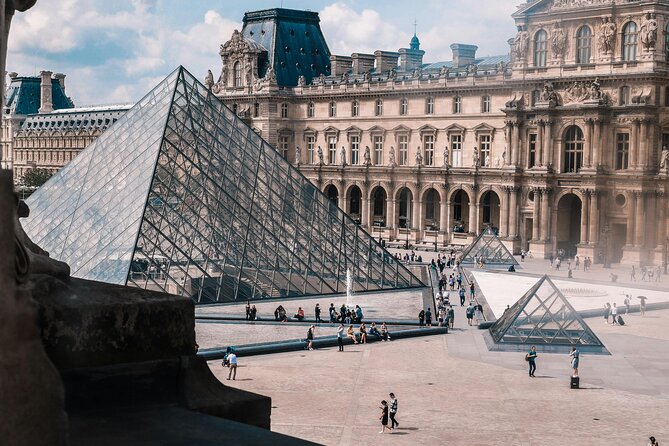
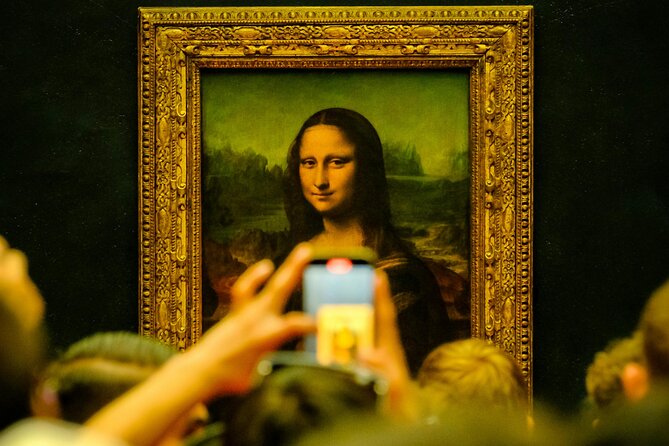
The Mona Lisa is the obvious draw. You will have the chance to see Leonardo da Vinci’s small, famous portrait and its much-discussed smile. The experience is likely to be one of the busiest moments of your museum visit, so keep your expectations sensible. You are seeing an important work in person, but the setting is not designed for a long, private viewing.
The Venus de Milo offers a different kind of encounter. This ancient Greek statue is admired for its pose and graceful form, and it gives you a chance to shift from Renaissance painting to classical sculpture.
The Winged Victory of Samothrace is another major stop. Its dramatic placement and sweeping form make it one of the Louvre’s most memorable sculptures. Even if you are not an art specialist, it is easy to understand why this work draws attention.
Delacroix’s Liberty Leading the People brings you into nineteenth-century French painting. Its scale and drama provide a strong contrast with the quieter focus of the Mona Lisa.
I like that the experience includes more than a checklist of famous names. The museum lets you move across different periods and artistic traditions. The danger is spending all your time chasing four major works and missing the broader collections around them.
Ancient Egypt, Greece, and Rome
The Louvre’s ancient collections give the visit much of its range. Egyptian displays include mummies, statues, and the Great Sphinx. These objects help show how much more the museum offers beyond its best-known paintings.
For you, the value lies in the change of pace. After the crowds around the Mona Lisa, ancient sculpture and artifacts can offer a different kind of attention. You might find that the Egyptian rooms become the part of the visit you remember most, especially if you prefer objects with a clear connection to daily life, religion, and early civilizations.
Greek and Roman material adds another layer. The Venus de Milo is the most prominent named example, but the wider classical collections give you a chance to see how sculpture and artistic ideals developed across different cultures.
The supplied information refers to ancient Egyptian, Greek, and later European works, but it does not give a fixed route or a complete list of rooms included in the audio guide. For that reason, treat the named works as key possibilities rather than a guaranteed step-by-step path.
You can also read our reviews of more guided tours in Paris




Building your own visit in one to three hours
A short Louvre visit needs discipline. You cannot see everything in one to three hours, and trying to do so will leave you tired and dissatisfied. I would divide your time around two or three priorities.
For a first visit, you might focus on the Mona Lisa, the Venus de Milo, the Winged Victory of Samothrace, and one collection that fits your interests. If ancient art matters most to you, give Egypt and classical sculpture priority. If painting is your main reason for coming, spend more time with the major European works.
The audio format works well for this kind of visit because you control the pace. You can listen fully to one explanation, sample another, or move on when a room does not interest you. That freedom is worth more than a rigid schedule for many people.
At the same time, the lack of a personal guide means you will not have someone to answer questions, redirect you, or explain why one less-famous work deserves attention. Choose this experience if independence matters more to you than expert guidance.
Adding the Seine cruise from the Eiffel Tower
The cruise upgrade turns the museum visit into a broader Paris outing. The boat ride lasts one hour and can be taken at any time after the Louvre visit on the booked day. It does not need to follow immediately, which makes it easier to fit around meals, rest, or other plans.
The cruise begins at the bottom of the Eiffel Tower. That location is useful if you already plan to visit the tower or want to move from the Louvre toward the western part of central Paris. It also means you need to allow time to reach the departure point after leaving the museum.
Do not confuse the cruise ticket with priority boarding. The information clearly says the Seine cruise is not skip-the-line. You may need to wait at the boat, and no exact departure schedule is provided here.
I like the flexibility of taking the boat later in the day. You can treat the Louvre as your main activity, then use the cruise for a calmer look at Paris from the water. But the add-on is worthwhile only if you have enough time to get to the Eiffel Tower and wait for the boat. If your schedule is already packed, the museum alone may be the better choice.
Is $48.87 a fair price?

At $48.87 per person, the value depends on what you want from a Louvre visit. You are paying for arranged admission and a self-guided audio experience, with the option to add the Seine cruise. For someone who wants a simple way into the museum without organizing every piece independently, that can be reasonable.
The price is less compelling if you mainly want a personal art lesson or a carefully planned route. This is not a live guided tour, and the audio guide may not solve every navigation problem. You are paying for convenience and flexibility rather than personal attention.
The optional cruise improves the value for people who want two distinct Paris experiences in one booking. The museum supplies art and architecture, while the boat gives you an hour on the Seine. Since the cruise can be used later that day, you are not forced into a tight museum-to-boat schedule.
I would compare the price against your own priorities. If prebooked entry and a flexible format save you stress, the cost may be justified. If you are confident navigating the museum and only want the art, look closely at the exact ticket options before paying for the upgrade.
Who will like this format most
I would recommend this experience to independent visitors who want to explore without joining a group. It is also a good fit if you have a few hours in Paris and want to choose your own stopping points.
Art lovers may appreciate the ability to linger, especially around the Louvre’s painting and sculpture collections. Families and mixed-interest groups can also benefit from the flexible pace, since not everyone has to listen to every explanation or follow the same route.
The format is less suitable if you want a guide at your side. It may also frustrate anyone who dislikes large museums, complicated layouts, or planning on the move. The one lower rating focused on exactly this issue: similar room names and several levels made the audio tour hard to follow.
The booking pattern also tells you something useful. This experience is booked, on average, 50 days in advance. That does not guarantee that every date will sell out, but it suggests that you should not leave a preferred Paris time until the last minute.
Practical details before you commit
Your confirmation arrives at the time of booking. Since the entrance time may be adjusted by up to one hour, avoid scheduling another fixed activity right next to the Louvre appointment.
The experience is near public transportation, so you do not need a private transfer. The cruise, if selected, begins at the Eiffel Tower rather than at the Louvre. Plan the day around that separation.
The most important restriction is the cancellation policy. This experience is non-refundable and cannot be changed for any reason. If your plans are uncertain, that policy deserves serious attention before you pay.
The overall rating is 4.4 from five ratings. The strongest praise centers on smooth booking, quick entry, an engaging audio experience, and a stress-free visit. The main criticism is navigation, not the Louvre itself. That makes the decision fairly clear: the experience works best when you value convenience but are willing to find your own way.
Should you book the Louvre audio guide tour?
Book it if you want prearranged Louvre entry, a flexible self-guided visit, and the option of a one-hour Seine cruise later the same day. It is a practical choice for independent art lovers and first-time visitors who do not need a live guide.
Think twice if you want a polished route, personal explanations, or help at every turn. The Louvre’s multiple levels and similar room names can make the audio format confusing, and the non-refundable policy leaves little room for a change of plans.
For the best experience, choose a few priorities before you enter. Use the audio guide to add context, but keep your own sense of direction. Add the cruise only if the Eiffel Tower fits naturally into your day.
FAQ
How much does the Louvre Museum Tour with Audio Guide cost?
The listed price is $48.87 per person. An optional Seine River cruise upgrade is available.
How long does the Louvre experience last?
The approximate duration is one to three hours. You can set your own pace inside the museum.
Is Louvre admission included?
Yes. Admission to the Louvre Museum is included.
Is entry to the Louvre prebooked?
Yes. Entry is prebooked, but the museum may adjust your entrance time up to one hour earlier or later than requested.
Is this a guided tour with a live guide?
No live guide is identified in the supplied information. This is a self-guided audio tour, so you explore independently.
Can I take as long as I want inside the Louvre?
The experience allows you to set your own pace, but the stated approximate duration is one to three hours. The supplied information does not provide a longer fixed visit limit.
Where does the Seine River cruise depart?
The cruise starts at the bottom of the Eiffel Tower.
How long is the Seine River cruise?
The boat cruise lasts one hour.
Can I take the cruise immediately after the Louvre?
You can take it whenever you like after the Louvre visit on the booked day. It does not have to begin immediately after the museum.
Is the Seine cruise skip-the-line?
No. The cruise ticket is not a skip-the-line ticket.
Can I cancel or change the booking?
No. The experience is non-refundable and cannot be changed for any reason.