REVIEW · PARIS
Louvre Museum Entry Ticket and Private Guided Tour
Book on GetYourGuide →Operated by TourUpinEurope · Bookable on GetYourGuide
This place hits you fast, even before you enter the galleries. The big win here is a private guide who steers you to the most famous works without wasting your energy, and then explains what you’re actually looking at in plain language. I also like that you get a focused route in only 3 hours, so the visit feels doable. One consideration: this is a popular museum, so expect real security lines and a pace that’s more “see key highlights” than “take your time with everything.”
You’ll start outside near the Palais Royal area, then go straight into the Louvre’s world-famous collection. If you get a guide like Daniel, Benedicte, or Natily, you’ll see how much the tone matters: Daniel’s calm pacing and history explanations are a hit, Benedicte’s love of art works well with a curious kid around age nine, and Natily keeps children engaged while still covering serious material.
Key Points to Know Before You Go
- Meet your guide by Mr. Lama Leonardo near the Palais Royal – Musée du Louvre metro stop exit, at the glass cube.
- Tickets are included, so you’re not scrambling for entry while you’re in Paris.
- You’ll prioritize icons like the Mona Lisa, Venus of Milo, and Winged Victory of Samothrace.
- Learn the art behind the art, with stories tied to Leonardo da Vinci, Caravaggio, Veronese, and Botticelli.
- Photo rules matter: no selfie sticks, no flash/lighting; permanent collection photos are for personal use.
- Private group pacing keeps families, couples, and solo travelers moving comfortably in a short time.
In This Review
- Finding Your Guide: Mr. Lama Leonardo at the Palais Royal Metro Stop
- Why the Louvre Works Best With a 3-Hour Private Plan
- Price and Value: What $365 Per Person Actually Buys You
- The Icons You’ll See: Mona Lisa, Venus of Milo, Winged Victory
- Leonardo da Vinci and Botticelli: Details You Can’t Unsee After the Explanation
- Caravaggio and Veronese: The Human Stories Behind the Masterworks
- How Your Guide Changes the Experience: Daniel, Benedicte, and Natily
- Photos, Bags, and Security: The Louvre’s Rules That Affect Your Day
- Pacing and Group Size: When Private Feels Worth It
- Who This Louvre Tour Fits Best
- Should You Book This Louvre Guided Ticket Tour?
- FAQ
- How long is the Louvre tour?
- Is the Louvre ticket included?
- Where do we meet the guide?
- What language options are available?
- Is the tour wheelchair accessible?
- Can I bring luggage or large bags?
- Are pets allowed?
- What are the rules for photos and videos?
- How does cancellation work?
- Is transportation included?
Finding Your Guide: Mr. Lama Leonardo at the Palais Royal Metro Stop
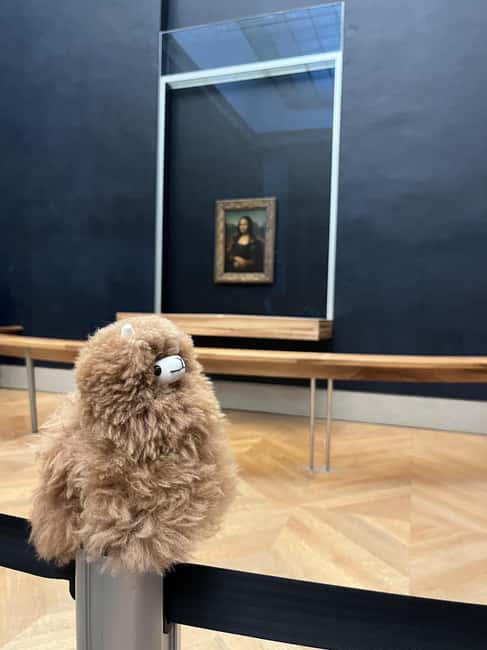
Your experience starts with something oddly comforting for a museum this famous: a clear, easy meetup. You’ll meet your guide next to the Palais Royal – Musée du Louvre metro station exit, and you should look for the guide with the stuffed lama mascot called Mr. Lama Leonardo, standing next to the glass cube.
That’s a small detail, but it changes everything. In the Louvre area, it’s easy to lose time, and time is the one thing you can’t buy back. This meetup point helps you get oriented before the museum chaos begins.
Also note the format: this is a private group experience. That usually means less waiting around in a crowd at the start and less “everyone follow the slowest person” energy once you’re inside.
Why the Louvre Works Best With a 3-Hour Private Plan
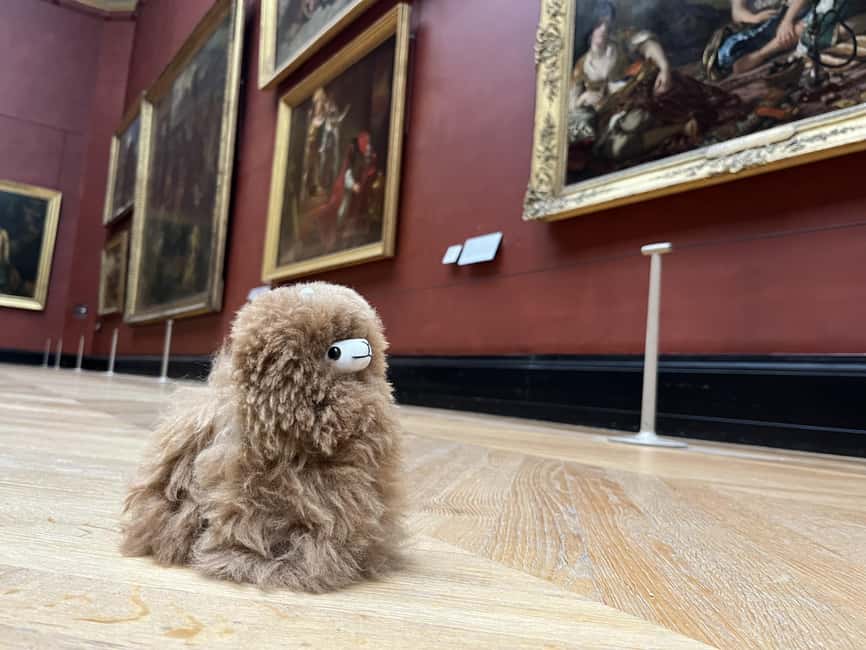
The Louvre is huge. Even if you’re a fast walker, trying to “see it all” is a trap. In this tour, you’re going for the smartest version of the visit: the moments that people recognize instantly, plus the context that makes those images feel alive.
The guide’s job is basically twofold:
- Get you to iconic works without wasted wandering.
- Translate what you’re seeing into stories you can remember later.
In a short window like 3 hours, this matters. The Louvre can feel like sensory overload if you’re wandering on your own, especially when you get to the famous rooms and realize you’ve missed the best sightlines or didn’t understand what to notice.
I love that the tour is built around the idea of saving your strength. You’re not just rushing. You’re moving efficiently while a guide helps you connect details to artist choices, historical themes, and even controversies.
A few more Paris tours and experiences worth a look



Price and Value: What $365 Per Person Actually Buys You
At $365 per person for a private guided tour with a Louvre ticket included, this isn’t a budget activity. But you are buying two valuable things at once:
- Entrance included: you don’t have to line up your ticket plans separately.
- Time + interpretation: the guide is the multiplier. You’re not only seeing the art; you’re getting the story that usually takes years of museum visits to assemble yourself.
The tour isn’t selling you a long list of minor works. It’s targeting the big names and the works people instantly recognize, like the Mona Lisa and Venus of Milo. That focus is part of the value equation. You’re paying to make the “best-of” portion of the Louvre feel meaningful, not just crowded.
What’s not included: transportation. You’ll still handle getting yourself to the meeting point on your own. That’s normal for tours of this type, but it matters when you’re budgeting time and energy in Paris.
The Icons You’ll See: Mona Lisa, Venus of Milo, Winged Victory
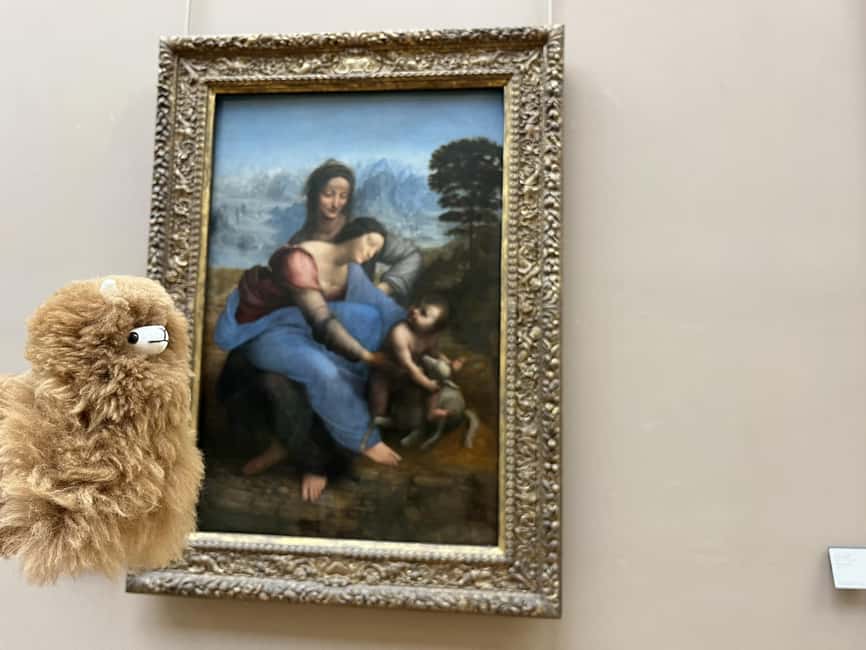
Your route is designed so you can stand in front of the famous works that pull people toward the Louvre in the first place.
Here’s what you can expect to experience in person:
- Mona Lisa: you’ll get the chance to see the painting in real life and learn why it became an art-world highlight.
- Venus of Milo: a stop that anchors the sculptural side of the museum, the kind of encounter that’s hard to grasp from photos.
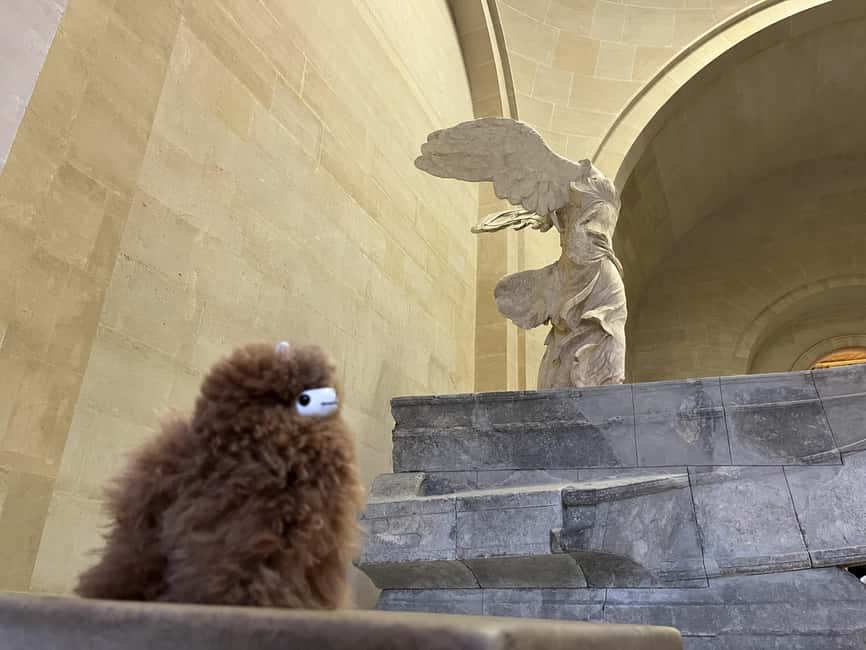
- Winged Victory of Samothrace: this is one of those works that feels almost physical. The tour keeps you in the moment long enough to appreciate why it’s so respected.
What makes this more than a sightseeing checklist is the way your guide uses the icons as entry points. For example, the guide doesn’t treat the Mona Lisa like a standalone celebrity item. You’ll also hear key details connected to Leonardo da Vinci, which helps you understand why viewers react the way they do.
And the same idea applies to sculpture. When you’re in front of something like the Winged Victory, it’s not just “wow, big statue.” It’s posture, scale, and how the work was meant to be experienced. A guide helps you notice what your eye would otherwise skip.
Leonardo da Vinci and Botticelli: Details You Can’t Unsee After the Explanation
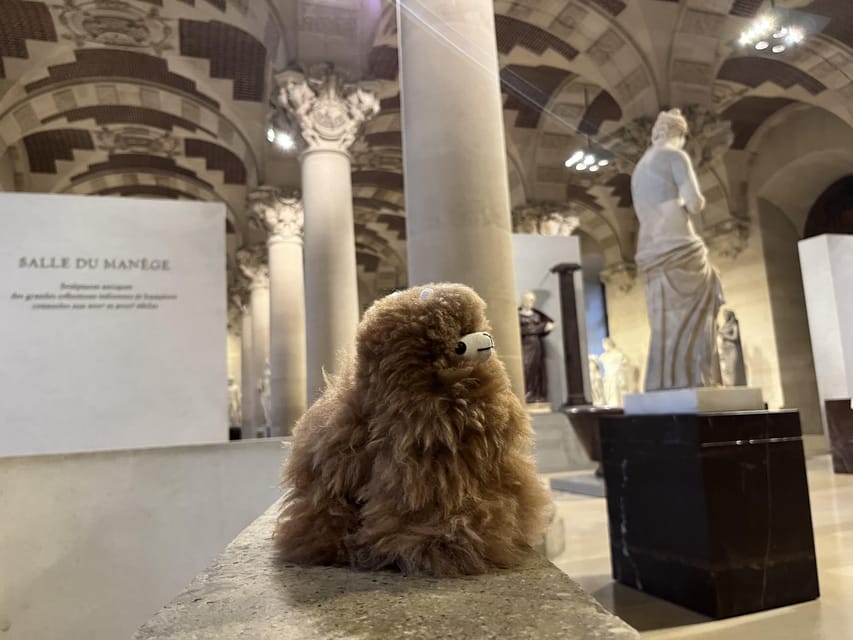
Da Vinci and Botticelli are the kind of artists where small decisions create big effects. One of the best parts of this tour is that the guide helps you look for the same kinds of details experts notice.
With Leonardo da Vinci, you’ll learn why the portrait known as Lisa Giocondo became such a standout, and you’ll also hear about how Leonardo embedded meaning in his paintings. That matters because once you know what to search for, your second glance changes everything. You stop looking only at the face and start thinking about composition, symbolism, and the choices that make the work feel mysterious.
With Botticelli, you get a theme-based conversation rather than a surface tour. You’ll hear about why Botticelli’s paintings often feature the same woman. Even if you’re not an art-history person, that kind of repetition is something you can spot once it’s pointed out. It turns the artworks into a connected story instead of isolated images on walls.
This is where the tour earns its private format. In a group, these moments can turn into a quick stop and move on. Here, the guide can take their time explaining, which is exactly what I’d want at the Louvre for works where “seeing” isn’t the hard part. Understanding is.
Caravaggio and Veronese: The Human Stories Behind the Masterworks
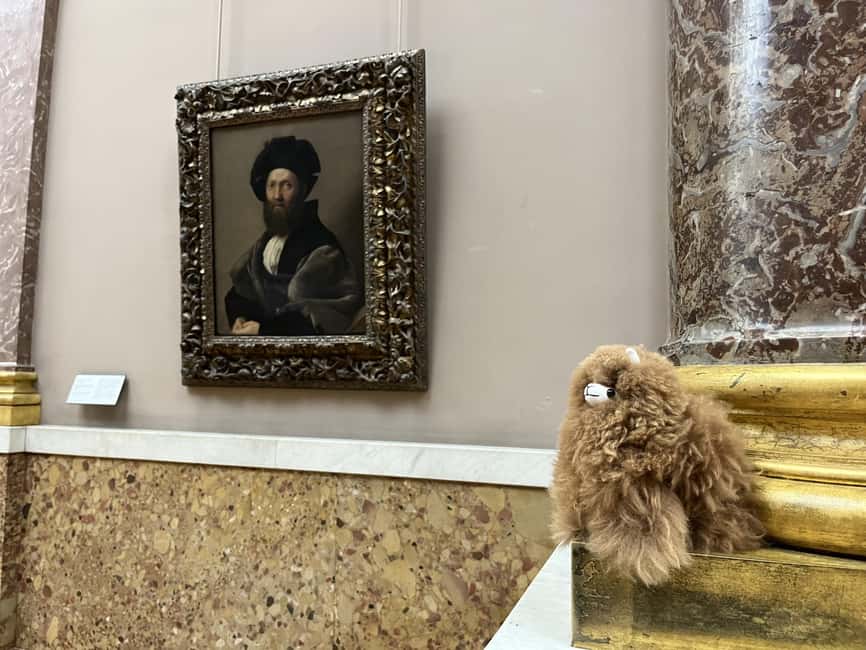
If you think art is only about beauty, this part of the tour will shift your thinking. The guide brings out the people behind the paintings and the tension around their work.
With Caravaggio, you’ll hear he was a notorious drunkard and murderer, yet he created works that epitomize spirituality. That contrast is gripping, and it gives you a more complicated lens. You start asking why certain emotions show up so powerfully on the canvas, and why his style feels so direct.
With Veronese, you’ll learn about why his depiction of Christ was almost condemned by the Inquisition. That’s not just trivia. It’s a window into how power, politics, and religious interpretation shaped what artists could safely show, and what audiences were expected to accept.
I like this approach because it makes the museum feel less like a vault of static objects and more like a living record of conflict, risk, and persuasion. When you hear the stakes, the paintings stop feeling distant.
You can also read our reviews of more guided tours in Paris






How Your Guide Changes the Experience: Daniel, Benedicte, and Natily
A private tour lives or dies by the guide, and the names attached to this experience show the range.
- Daniel is described as amazing, with a patient style and clear explanations of the history behind the art. The emphasis here is pacing: he navigates well and takes time without turning the tour into slow motion.
- Benedicte is noted for passion and strong knowledge, and she has a special kind of success with kids who are actually into art. One booking specifically mentions a nine-year-old art enthusiast, and points out that it might not suit much younger kids as well.
- Natily is fun and informative, with enough energy to keep children engaged while the adults still get meaningful content.
If you’re traveling with children, this matters. A Louvre tour can either feel like a school lecture or it can become a game of noticing details. The guides connected to this tour have clearly figured out how to manage that balance.
Photos, Bags, and Security: The Louvre’s Rules That Affect Your Day
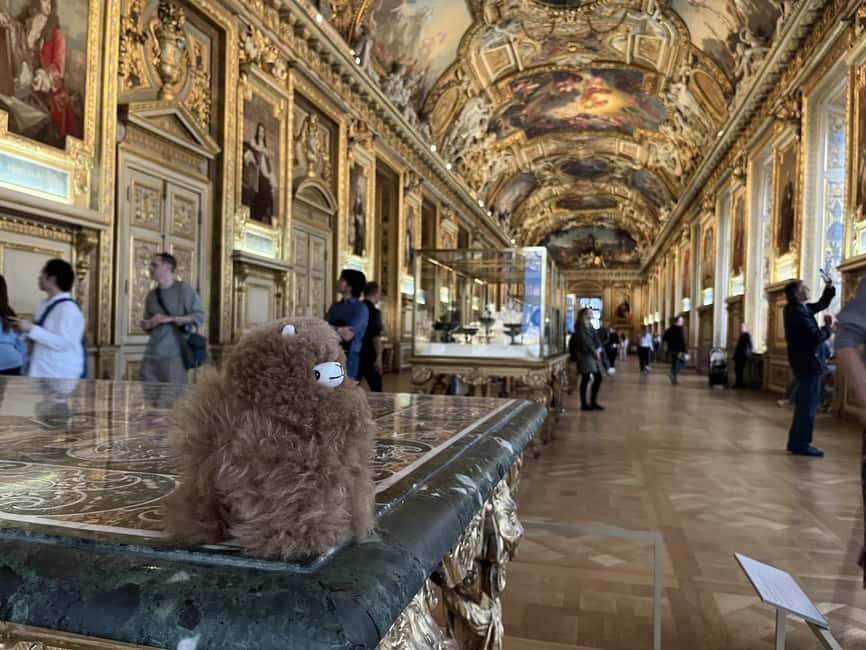
You should plan your body and your bag for real museum rules.
Before you enter, you’ll do security checks at the museum entrance. Arrive with a little buffer in your schedule so you’re not rushing once you reach the building.
During the visit:
- In the permanent collections, you can take photos and videos for personal use.
- You can’t use selfie sticks.
- You also can’t use flash or lighting.
- In temporary exhibition galleries, photo/video rules may be restricted for certain works, so be ready to follow signage on the spot.
On what you can bring, keep it simple:
- No luggage or large bags
- No pets are allowed (assistance dogs are allowed)
These constraints shape how you pack. For a 3-hour tour, I’d keep it to essentials you can carry comfortably through security and into galleries without stress.
Wheelchair access is available, so the museum itself is set up for accessibility. If you use a wheelchair, you can feel more confident that you won’t be stuck fighting stairs or inaccessible routes.
Pacing and Group Size: When Private Feels Worth It
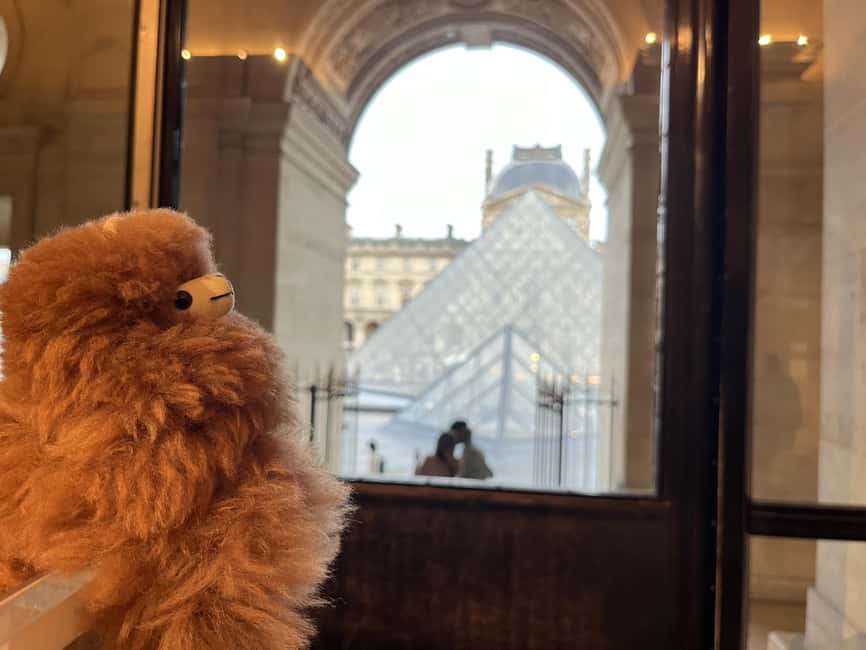
Even though this is a private group, it still happens inside the real Louvre: crowds, narrow sightlines, and famous works that draw bottlenecks.
The tour’s short duration helps here. In 3 hours, you’re more likely to enjoy the art instead of spending your best attention span looking for directions. You’ll get that “I can actually see it” feeling in front of major works, instead of walking past them while trying to keep track of where you should be.
The other pacing win is that you get to ask questions. You’re not stuck waiting for a big group to shuffle forward, and that makes a difference when you want to understand why a detail matters.
Who This Louvre Tour Fits Best
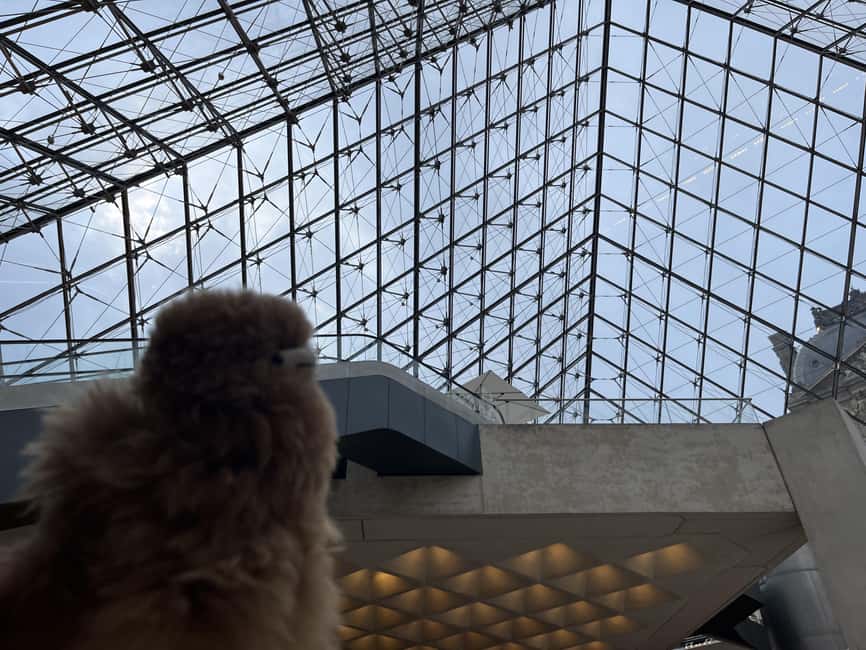
This experience is a strong match if you:
- Want a high-impact Louvre visit in a short time
- Prefer learning from a guide rather than reading walls
- Care about major works like the Mona Lisa, Venus of Milo, and Winged Victory
- Appreciate art-history stories that connect artists to their time
It’s also a good option for families, but with a practical note: if your child is truly curious about art, the guide style can work very well (one booking points to success with a nine-year-old). If your children are younger and need constant stimulation, you might want to think about whether a museum tour’s pace will feel right for them.
Solo travelers and couples tend to love this format too, because you get structure without losing personal space.
Should You Book This Louvre Guided Ticket Tour?
I’d book it if you want the Louvre’s biggest hits explained clearly, without spending your day getting lost or overwhelmed. The value becomes strongest when you treat this as a focused art lesson in one of the world’s hardest museums to navigate on your own.
I’d skip it if your idea of the perfect Louvre day is wandering slowly and doing everything at your own rhythm for hours and hours. With 3 hours, you’re choosing depth over total coverage.
One last thought: the meetup is easy to find (Mr. Lama Leonardo at the glass cube), the guide experience is the core of the product, and the tour is built around the works people actually come to see. If that’s your goal, this is a smart way to do the Louvre.
FAQ
How long is the Louvre tour?
The duration is 3 hours.
Is the Louvre ticket included?
Yes. The package includes both the guided tour and the Louvre ticket.
Where do we meet the guide?
You meet next to the Palais Royal – Musée du Louvre metro station exit. Look for the guide with the stuffed lama mascot (Mr. Lama Leonardo) standing next to the glass cube.
What language options are available?
The live guide is available in English, Spanish, Russian, French, Italian, Chinese, German, Japanese, and Korean.
Is the tour wheelchair accessible?
Yes. The tour and museum access are described as wheelchair accessible.
Can I bring luggage or large bags?
No. Luggage or large bags are not allowed.
Are pets allowed?
Pets are not allowed, though assistance dogs are allowed.
What are the rules for photos and videos?
In the permanent collections, photos and videos are allowed for personal use, but selfie sticks are not allowed, and you can’t use flash or lighting. Temporary exhibitions may have restrictions for certain works.
How does cancellation work?
You can cancel up to 24 hours in advance for a full refund.
Is transportation included?
No. Transportation is not included.