REVIEW · PARIS
Louvre Museum Access Private Guided Visit
Book on Viator →Operated by Paris in person · Bookable on Viator
Art moves faster with a real guide. This private Louvre visit is built for people who want the museum’s biggest names and the art connections that make it all click, in about two hours. You’ll also get a clear route through centuries of European art, instead of wandering and hoping for the best.
I love the private, English-speaking art historian guide and how the time is spent on masterpieces like the Mona Lisa and the Nike of Samothrace. The structure keeps you from missing major galleries, even if it’s your first Louvre visit.
One possible drawback: the schedule is tight, with short stops, so you won’t have long, quiet time in every room. If you want to linger for an hour on one painting, this format may feel a bit rushed.
In This Review
- Key things that make this Louvre tour worth your time
- Why this private Louvre visit works when time is short
- Meeting at Arc de Triomphe du Carrousel: the route starts already in motion
- Mobile ticket and faster entry without museum-map panic
- Stop 1: Mona Lisa and the highlights that pull you into the Louvre
- Stop 2: The Roman gallery, and why Rome shaped later European art
- Stop 3: Greek works, the foundation under everything
- Stop 4: Medieval art’s influence as the Renaissance approaches
- Stop 5: The Great Gallery and Italian Renaissance painting at the top of the heap
- Stop 6: Romanticism’s fiery drama in the Louvre
- Stop 7: Neoclassicism’s elegant, poised, sophisticated style
- Price and value: is $301.71 per person fair for a 2-hour private guide?
- Who this Louvre private tour suits best (and who might prefer another plan)
- Tips to get the most out of your 2-hour Louvre sprint
- Should you book this Louvre Museum Access Private Guided Visit?
- FAQ
- How long is the Louvre private guided visit?
- Is the museum entrance ticket included in the price?
- Is the tour private, or will I join other groups?
- Where do we meet for the tour?
- Is the tour offered in English?
- Who can get free admission?
Key things that make this Louvre tour worth your time
- A true private format: only your group joins the guide, so you can ask questions and set the pace.
- An art-historian focus: you’re not just seeing famous works; you’re learning how styles and eras connect.
- Seven themed stops: Roman, Greek, Medieval, Italian Renaissance, Romanticism, and Neoclassicism all get their moment.
- Ticket included for adults: you’re paying for the guide and the museum entry together.
- Guides who bring personality: names you might encounter include Boris, Boraz, Tina, Mila, Amy, Anya, and Adi, based on past tour experiences.
Why this private Louvre visit works when time is short
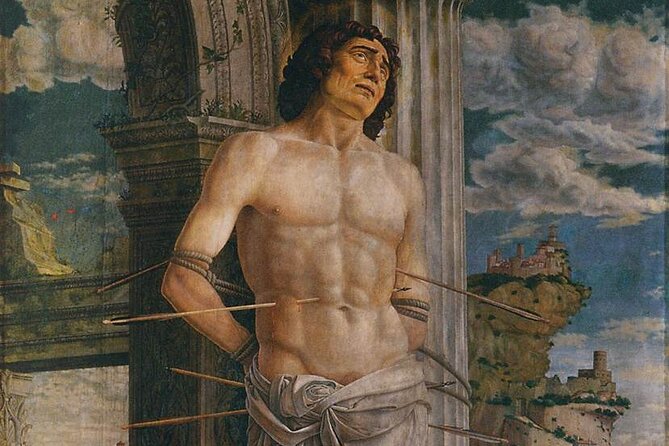
The Louvre is one of those places that can either feel magical or just… overwhelming. It’s huge, crowded, and easy to get lost in the best way and the worst way. This tour keeps you moving with a plan, so you’re not spending your energy figuring out where to go next.
What I like most is that it’s not only a greatest-hits tour. You do see the big icons, but you also get the “why.” The guide’s job is to show you how art changes across centuries and why those changes mattered to European culture.
At the end of two hours, you usually feel oriented enough to continue on your own. That’s the sweet spot. You get the structure first, then you can wander with confidence while the museum makes more sense.
You can also read our reviews of more guided tours in Paris



Meeting at Arc de Triomphe du Carrousel: the route starts already in motion
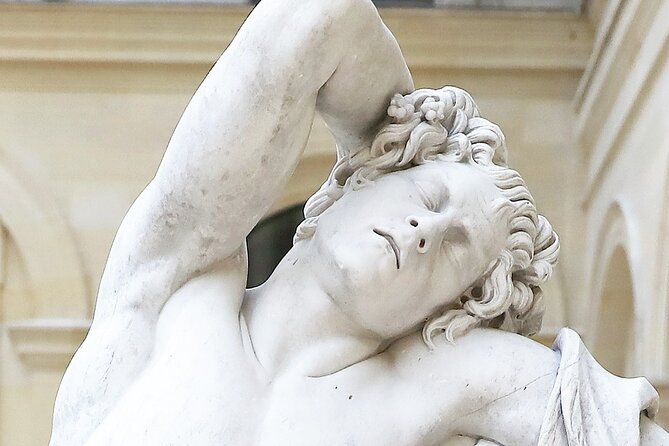
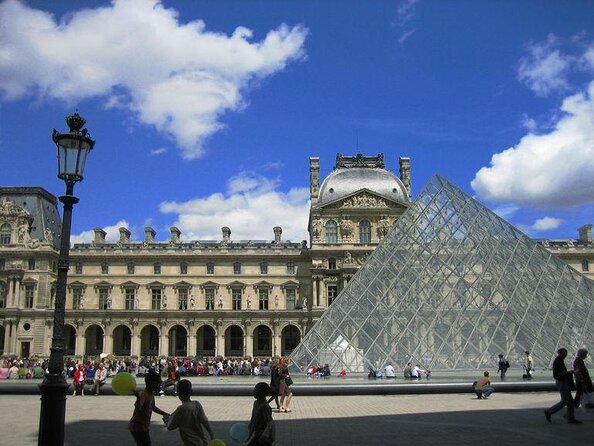
You start at Arc de Triomphe du Carrousel, Pl. du Carrousel, 75001 Paris. That matters because it’s a practical launch point for getting into the museum area efficiently, rather than trying to coordinate last-minute directions.
This is a private tour, so you’re not waiting around for a big group shuffle. You meet, you go in, and your guide sets the tempo. The tour also ends back at the meeting point, which is helpful when you’re building the rest of your day in Paris.
If you’re choosing this with other activities, plan for a focused block. It’s not a slow museum amble. It’s a tight route designed to hit key galleries and major works.
Mobile ticket and faster entry without museum-map panic
This experience includes a mobile ticket, plus the museum admission ticket for adults (listed as €22). That’s one less thing to manage once you arrive.
The real value here is that your guide doesn’t just know art. They know how to move you through a massive building efficiently. The Louvre has lines and crowding, even with pre-set entry times, and being guided helps you avoid wasting your best energy standing still and scanning signs.
You’ll also be dealing with different gallery sections and changing themes fast. A guide’s guidance helps you keep the museum story straight, instead of treating every room like a random stop on a long walk.
Stop 1: Mona Lisa and the highlights that pull you into the Louvre
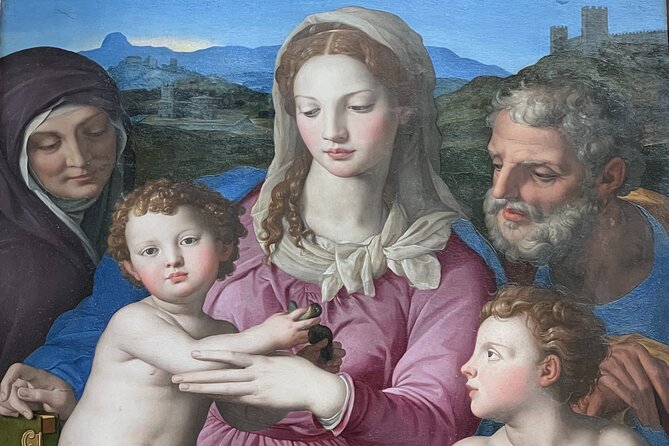
This first stop is your “anchor” moment. You’ll be at the Louvre Museum for about 15 minutes, with admission included, and you come for Mona Lisa—but you don’t have to stop there.
Here’s what the structure does for you: it gives you context early so the rest of the museum isn’t just a parade of names. You also get pulled toward other high-impact works, including the Nike of Samothrace, one of the most famous sculptures connected to ancient Greece.
The helpful part is that you’re shown masterpieces and also works that aren’t always the first ones people rush toward. Even when a piece isn’t the most famous, a good guide explains what makes it technically strong and culturally important. That changes how you see the whole collection.
If you’re the type who wants to understand what you’re looking at rather than just check boxes, this first stop sets that tone.
Stop 2: The Roman gallery, and why Rome shaped later European art
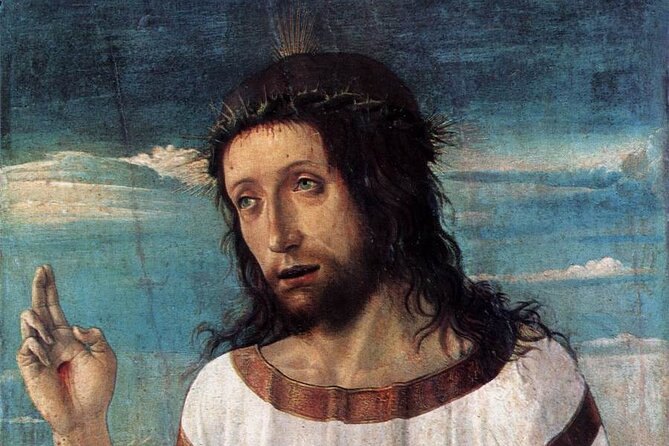
Roman art isn’t just “older Europe.” It’s a bridge. This stop is about Roman works of art and their influence on later European art and culture.
In practice, that means you’re paying attention to how Roman artists built on earlier traditions and how those ideas continued to echo through European styles long after the Roman world was gone. It’s not only about costumes and architecture vibes. It’s about how themes, forms, and artistic priorities traveled forward.
This kind of stop is especially good for first-timers, because it answers the question you might not even know you have yet: why does the museum keep referencing older ideas? Rome is one of the big reasons European art developed the way it did.
A short 15 minutes can feel brief, but it’s the right length for a “map” stop. You’re not supposed to memorize everything. You’re supposed to learn how the story is organized.
You can also read our reviews of more private tours in Paris





Stop 3: Greek works, the foundation under everything
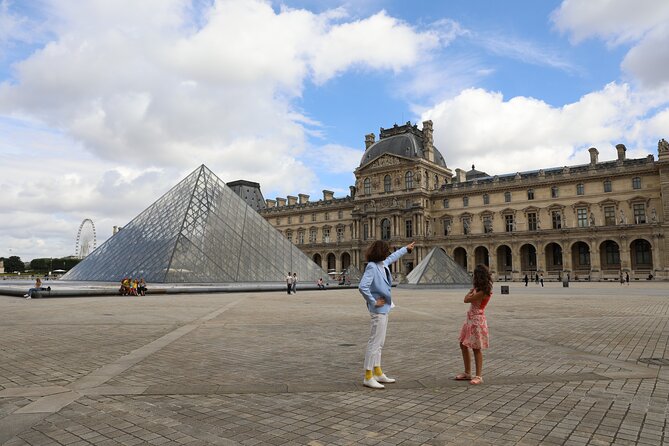
Next up: Greek works of art and why they’re crucial, plus how they influenced later European art and culture.
This is where the Louvre’s big pattern becomes clear. Greek art often gets credited as a foundation for later Western visual language—balance, proportion, narrative cues, and idealized forms. Even if you don’t know the technical terms, a guide can point out what to watch for.
I like this stop because it makes the museum feel less like a random warehouse of art. You start seeing the museum as a timeline with cause and effect.
Again, it’s a short segment. But the goal is to give you a base understanding so you can move faster and see more afterward. When you’ve learned what to look for, you stop “walking past” important details.
Stop 4: Medieval art’s influence as the Renaissance approaches
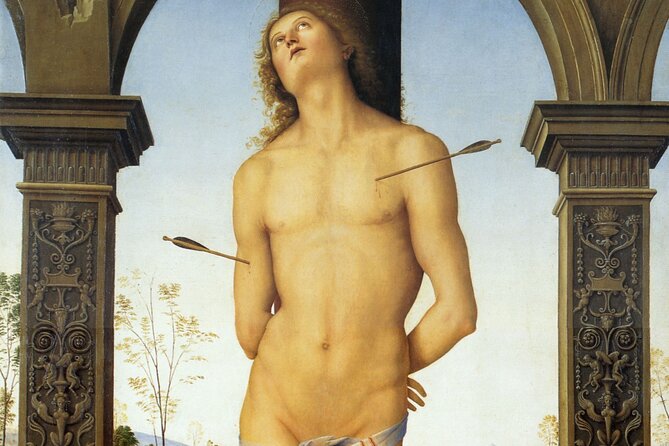
Then comes the Medieval art section and its influence on the Renaissance.
This part can be a surprise for people who expect the Louvre to jump straight from ancient worlds to Renaissance masterpieces. Medieval art has its own logic and visual power. It also serves as a link between eras, helping explain how styles evolved instead of changing overnight.
In a well-paced tour, this stop works like a hinge. You begin to understand why the Renaissance felt like a new peak—but also why it wasn’t created out of thin air. It grew from what came before.
The short stop length means you’ll focus on the big takeaways: major themes, stylistic shifts, and cultural reasons for why art looked the way it did. If you want more, you can always return later. But for two hours, this is a smart way to build understanding.
Stop 5: The Great Gallery and Italian Renaissance painting at the top of the heap
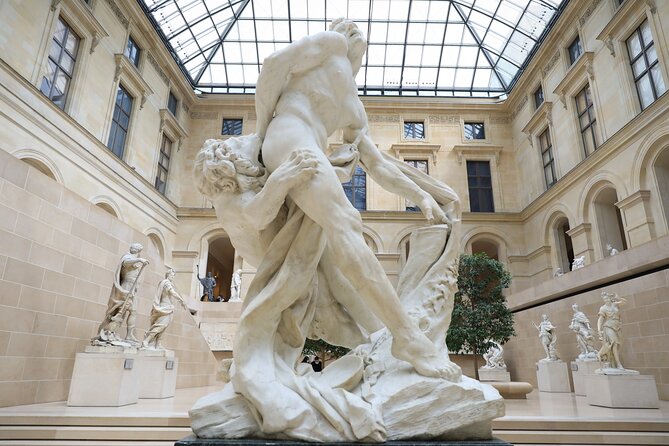
The Great Gallery is described as the Louvre’s focal point, and the stop focuses on Italian Renaissance art—often considered the pinnacle of European painting.
This is the moment where the tour often feels most satisfying. You’re not only learning about art history. You’re seeing why people still talk about Renaissance painting like it’s a standard you measure everything against.
You’ll get that period framed for you, so you can notice things that are easy to miss on a quick look: composition choices, idealized form, the way light and space get handled, and how the painter’s approach supports the story.
If you’re trying to decide whether a guided tour is worth it, this stop is a big reason it usually is. Without a guide, it’s easy to admire paintings quietly and not quite know what’s doing the heavy lifting. With one, you understand why the art became famous and why it influenced what came next.
Stop 6: Romanticism’s fiery drama in the Louvre
Next is the Romanticism gallery—fiery and dramatic painting.
Romanticism can feel emotional and theatrical. This stop gives you a way to interpret that drama instead of just reacting to it. You learn how Romantic painters shifted focus toward emotion, intensity, and bigger-than-life storytelling. It’s a different mood than the more balanced feel of earlier eras.
What I like about covering this period in a fast tour is that it prevents the museum from feeling one-note. The Louvre doesn’t only do formal, classical perfection. It also does mood swings. Romanticism is where the energy rises.
For you, this stop is a good check-in: you’re getting variety. If you’ve spent your trip visiting only cathedrals, palaces, and tidy museum highlights, the Romanticism gallery brings a different kind of theater to your day.
Stop 7: Neoclassicism’s elegant, poised, sophisticated style
Finally, the tour lands on Neoclassicism—elegant, poised, and sophisticated paintings.
Neoclassicism is often about order and restraint, and your guide’s job here is to help you see those qualities on the canvas. It’s not just pretty. It’s a visual argument about how art should look and what it should represent.
This ending matters. After moving through ancient roots, medieval bridges, Renaissance peaks, and Romantic emotion, Neoclassicism feels like the Louvre tying different threads together. You leave with a sense of how European art kept re-inventing itself while still referencing older models.
It’s also a strong finale for photos and impressions. You’re ending with a style that reads clearly even if you’re tired.
Price and value: is $301.71 per person fair for a 2-hour private guide?
Let’s talk money without making it scary.
The price is listed at $301.71 per person for about two hours. The adult museum entrance ticket is included as €22, and you’re also getting a professional art historian guide and a private format.
Is that expensive? Yes, it’s not budget travel. But it’s not only paying for entry. You’re paying for:
- a guide who can select and sequence highlights fast,
- art-historical context that makes the paintings easier to understand,
- and a private route that doesn’t depend on a group pace.
If you’re traveling as a solo visitor, a couple, or a small group, this kind of guide can actually be good value because it saves time and reduces the chance of wasting your limited Louvre hours. The Louvre rewards smart routing. It punishes aimless wandering.
If you’re the type who enjoys learning while you walk, this is a high return purchase. If you’re truly only interested in snapping a few iconic photos and moving on, you might feel the cost more than the benefit.
One more practical note: food and drinks aren’t included, so you’ll want a plan for a meal after.
Who this Louvre private tour suits best (and who might prefer another plan)
This tour fits you best if you want:
- a focused route through key eras,
- an English-speaking guide,
- and the ability to ask questions without dealing with crowds and group logistics.
It’s also a good match if you want a balanced mix of famous art plus works you’d otherwise miss. A lot of the value is in learning how to see beyond the most obvious names.
You should think twice if you hate structure. The schedule is time-boxed with short stops, so you won’t get hours in one gallery. You also need moderate physical fitness since you’ll be walking around a large museum.
Tips to get the most out of your 2-hour Louvre sprint
A few practical ideas so the tour feels smooth:
- Wear comfortable shoes. Even with guidance, you’ll cover a lot of ground.
- Bring your museum essentials for the day. This tour includes your ticket, but it does not include food and drinks.
- If you’re eligible for free admission (under 18, or EEA residents under 26 with valid ID and proof of residency), have the documentation ready so you don’t get stuck at the last second.
- Use the guide for what guides do best: ask what you should focus on next after the tour. You’ll leave with a better plan for exploring on your own.
And if you’re nervous about getting oriented, that’s normal. This tour is specifically designed to help you get your bearings fast and leave with a clearer idea of how the Louvre’s collection is organized.
Should you book this Louvre Museum Access Private Guided Visit?
Book it if your priority is understanding the Louvre quickly and seeing the core masterpieces without spending your limited time lost in gallery corridors. For $301.71 per person, you’re buying focus: a private art-historian guide, a ticket-inclusive route, and a guided story through Greek, Roman, Medieval, Renaissance, Romanticism, and Neoclassicism.
Skip it if you want a long, slow, pick-your-own-adventure visit where you can linger for a while in one place. This tour is designed to cover a lot, not to slow down into deep quiet.
One last booking reality: this experience is non-refundable and can’t be changed, so commit when your dates are firm.
If your dates are fixed and you want a smart, high-impact Louvre visit, this is a strong choice.
FAQ
How long is the Louvre private guided visit?
It lasts about 2 hours.
Is the museum entrance ticket included in the price?
Yes. The tour includes an adult museum entrance ticket listed as €22.
Is the tour private, or will I join other groups?
It’s private. Only your group participates.
Where do we meet for the tour?
The meeting point is Arc de Triomphe du Carrousel, Pl. du Carrousel, 75001 Paris, France, and the tour ends back at the meeting point.
Is the tour offered in English?
Yes, it’s offered in English.
Who can get free admission?
Free admission applies to visitors under 18 and EEA residents under 26, with valid ID and proof of residency.