REVIEW · REIMS
Dégustation de champagne balade panoramique dans les vignes
Book on GetYourGuide →Operated by CONNEXION CHAMPENOISE · Bookable on GetYourGuide
Champagne tastes better with dirt on the tires. This 2-hour Champagne Safari in the Land Rover Defender 110 takes you up into the Montagne de Reims vineyards, with panoramic views of Reims along the way. It’s a practical mix of countryside driving, guided context, and time to slow down where the grapes actually grow.
Two things I really like here: the ride itself feels like a VIP vineyard outing (not a big bus, not a quick photo stop and run), and the end tasting is properly set up for enjoyment, with brut tradition and at least two glasses per person. One consideration: if the weather turns cool, windy, or muddy, you may end up tasting in less-comfy outdoor conditions, so bring sensible layers and shoes.
In This Review
- Why the Champagne Safari in a Defender feels different
- From behind Reims Cathedral to the Defender
- The 75 minutes of vineyard driving and photo-stop viewpoints
- The tasting walk: brut tradition in the hills
- Food pairing and how much time you actually get
- The price: what you’re paying for at about $116 per person
- Who this tour suits best (and who should think twice)
- Tips to make your Champagne Safari smoother
- Should you book this Champagne Safari in the Montagne de Reims?
- FAQ
- How long is the Champagne Safari tour?
- What is included in the tasting?
- How many people are in the group?
- What languages does the guide speak?
- Where do we meet?
- Is the tour good for people with back problems or during pregnancy?
- What should I bring?
Why the Champagne Safari in a Defender feels different
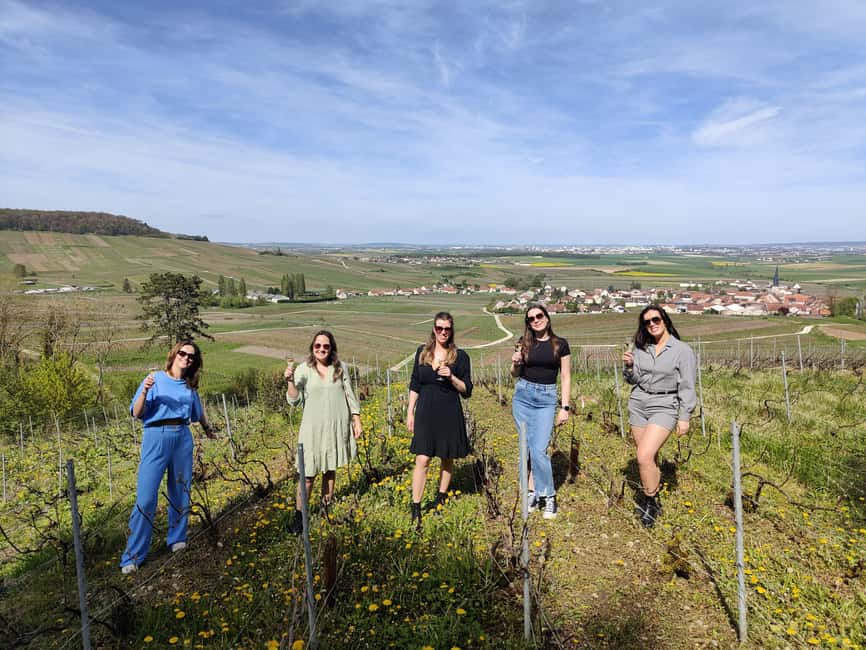
- Defender 110 access to higher vine zones: you get viewpoints that are harder to reach on foot, without turning the day into a crawl.
- Reims from the hills: you’ll look back toward the city while you’re still surrounded by vines.
- A real vineyard walk with a tasting: you’re not just handed a glass and sent away.
- Small group size (8 max): you’ll hear the guide, not just catch half-sentences.
- Guides like Christophe bring specifics: expect stories about grape varieties, soil structure, and how vignerons think about growth.
- Route designed for stopping: photo breaks and panorama points are built into the driving time.
From behind Reims Cathedral to the Defender
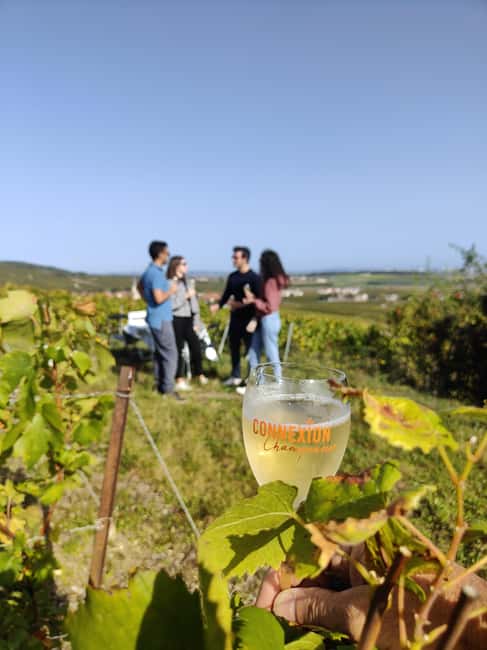
The day starts near the cathedral area in Reims, at 3 Bis Cr Anatole. The meeting point is right where you can orient yourself easily before heading out into the vineyards. From there, the tour shifts gears from city rhythm to open countryside fast.
You’re going to want comfortable shoes. Even when the driving does the heavy lifting, you’ll still step out for viewpoints and for the tasting walk. Pack sun protection (hat and sunscreen) because the hills can feel bright even when the air is cool. And yes, bring water; it’s a short tour, but you’ll be outside for part of it.
The setup is designed for conversational touring. The guide works in French and English, and the group stays small enough that questions don’t die in the wind. If you get a guide like Christophe, you’ll likely hear the kind of detail that turns champagne from a label into a production story: how vine structure relates to ripening, how soils influence flavor, and why regional practices matter.
You can also read our reviews of more wine tours in Reims
The 75 minutes of vineyard driving and photo-stop viewpoints
Once you’re strapped into the Defender 110, the pace is scenic-drive smooth, but with enough off-road confidence to keep you moving through the vine corridors. This is where the tour earns its name: you feel like you’re exploring rather than commuting.
Along the route, you’ll get a mix of:
- guided touring (so the scenery has context)
- photo stops (not just one, and not only at the most obvious viewpoint)
- panoramic outlooks (built into the drive rather than tacked on at the end)
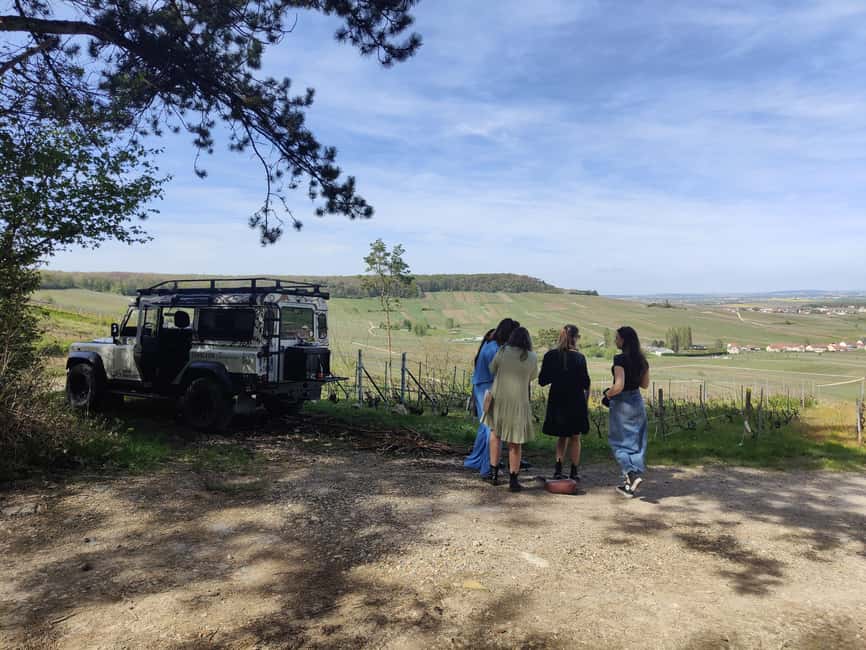
In the Montagne de Reims area, elevation and slope matter. When you reach higher points in the vineyard, the whole region opens up visually, and you start understanding how champagne’s “terroir” is more than a marketing word. You’ll also catch city glimpses of Reims from above, which makes it easier to connect what you’re seeing to where you’re sleeping and eating that night.
A small practical note: the countryside can get breezy. One review described cold wind and even some mud at the tasting stop, which is a good reminder that you’re working with outdoor conditions. If the weather is iffy, your best defense is simple: a light jacket, closed-toe shoes you don’t mind getting a little scuffed, and a hat you can keep on.
The tasting walk: brut tradition in the hills

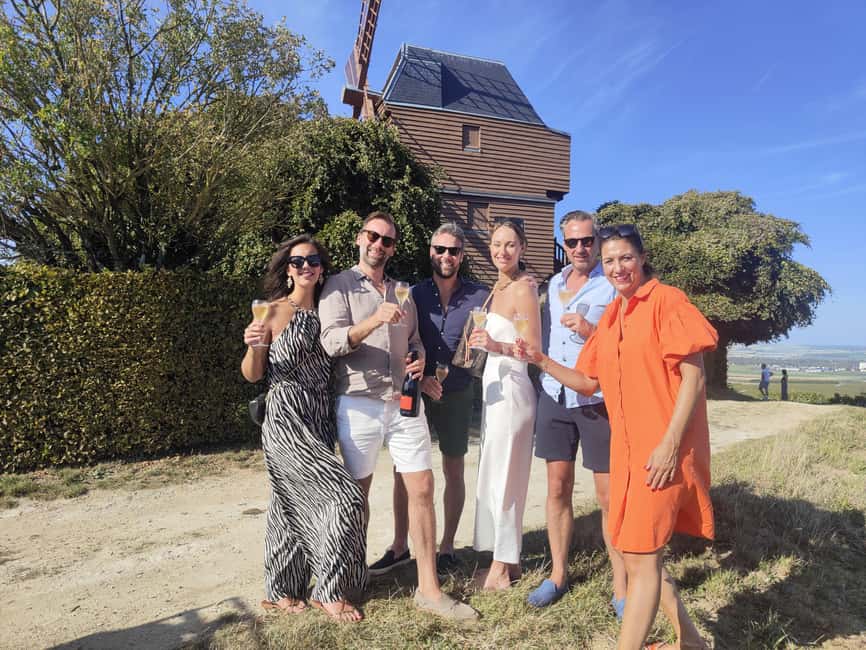
The tasting portion happens after the drive, with time outdoors in the vine area. You’ll do a walk in the hills, and the tasting itself focuses on brut tradition. That matters because brut tradition is the classic doorway into Champagne style: crisp, structured, and often a great baseline for comparing what you think you like versus what you actually like.
Plan for a guided format, not a rushed standing pour. The tour is set up so you get at least two glasses during the tasting. That might sound obvious, but many short experiences treat alcohol like a souvenir. Here, the intent is more like a mini lesson plus a proper sipping window.
If you’re the kind of person who wants to know why champagne tastes the way it does, this is where the guide’s stories pay off. One guide explanation included how grape varieties and growth structure connect to the final wine profile. You might also hear about vignerons and the way the vineyard is worked, not just what’s in the bottle.
Also, you’re not tasting in a sterile room. You’re tasting where the vines live. That’s not automatically better, but it helps your brain connect the flavors to the environment—especially when you can look around and see the rows stretching out.
Food pairing and how much time you actually get
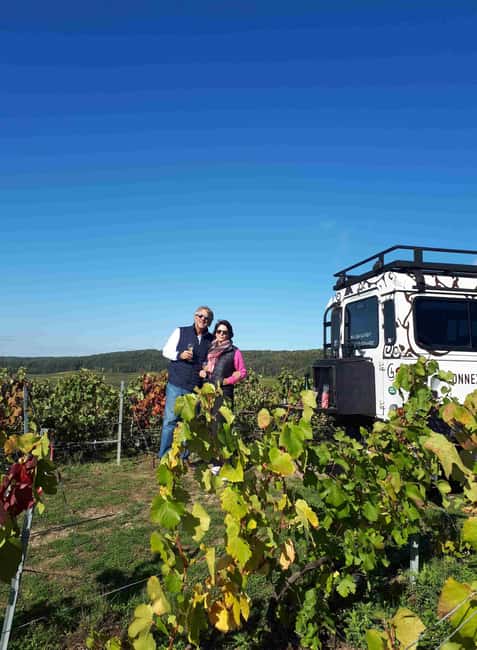
The experience includes a food tasting alongside the champagne. In a good pairing, you’re looking for balance: salt or fat can soften sharpness, and small bites can keep your palate from getting overwhelmed by alcohol-only drinking.
Because this is a 2-hour total duration, timing is tight in a good way. You’re not spending most of the day in transit, and you’re not leaving right after your first pour. You get the drive for scenery, then the tasting for flavor, with enough time to reset between them.
One thing to keep expectations realistic: some tours place you outdoors for sipping. If the weather is wet or windy, the experience can become more about warmth management than atmosphere. The upside is that you’ll still get the main value—champagne in the vine setting plus a guided explanation of what you’re tasting.
The price: what you’re paying for at about $116 per person
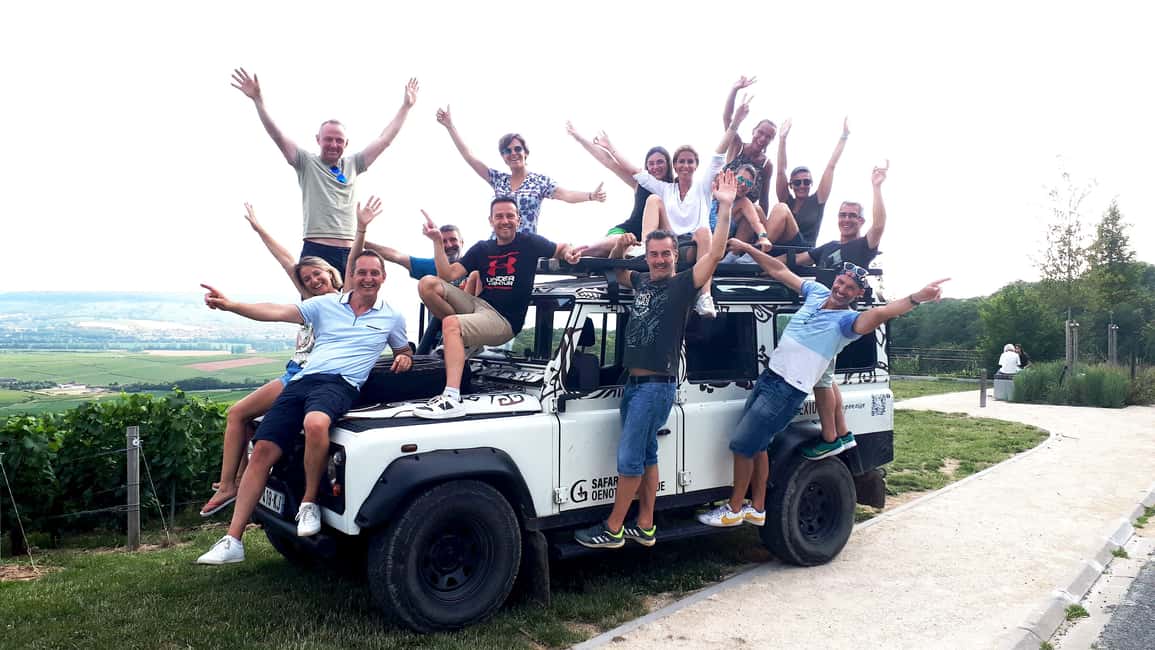
At roughly $116 per person for a 2-hour experience, the big question is value. For this price, you’re paying for three main things:
1) All-terrain transportation in a premium-style vehicle (the Defender 110 isn’t a cheap gimmick when you’re using it to reach higher vineyard points).
2) A live guide in French/English who explains the region, not just a playlist of facts.
3) A guided brut tradition tasting that includes at least two glasses, plus a food pairing.
Compared with basic tastings that are purely static, your cost is justified by the driving time and the access. The tour is short, but it’s packed in a way that feels designed for people who want a meaningful experience without losing half a day.
One more nuance: there’s mention of a vintage cuvée tasting for people who want a wider flavor palette. That’s the kind of “plus” that can make the day feel extra worth it if it’s available in your group’s session.
Who this tour suits best (and who should think twice)
This is ideal if you want:
- vineyard views with a bit of adventure
- guided tastings with actual explanation
- a small group so the experience stays personal
A small group also helps with practical logistics in a vehicle like the Defender. Everyone has a clearer sightline, and the guide can adjust pace at stops.
Not everyone should choose this one. It isn’t suitable for pregnant women or people with back problems, and it also excludes babies under 1 year. If you’re prone to motion discomfort or you have mobility limits, this is worth thinking about before you book.
Also consider season. Champagne country in autumn and shoulder seasons can look gorgeous, but it can also be chilly outside. If you hate cold hands, bring layers and consider having a warm base layer ready.
Tips to make your Champagne Safari smoother
A few practical things make a noticeable difference:
- Wear shoes you can trust off pavement. The tasting and viewpoint steps may involve uneven ground.
- Bring sunscreen and a hat, even when the air feels cool. Hills and open sky reflect light.
- Pack a light jacket. Mountain air can switch quickly, especially at photo stops.
- Bring a camera, but also pause long enough to look without it. The Reims views land better when you give your eyes one full minute.
- Ask questions about soils and grape varieties. If your guide is like Christophe, the explanations tend to focus on how the vineyard’s structure shapes flavor.
One more tip: you might see local countryside life in the distance during certain seasons. It can add texture to the day, as long as you remember this is a vineyard-working region, not a theme park.
Should you book this Champagne Safari in the Montagne de Reims?
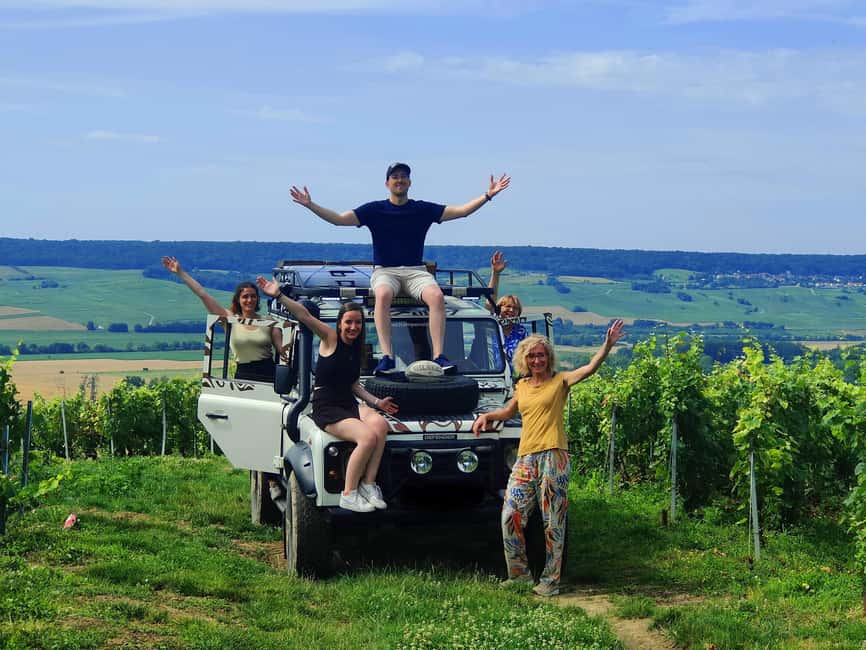
If you want a short, high-impact Champagne experience with real vineyard scenery and a tasting that doesn’t feel like an afterthought, I think this is a strong choice. The Defender transport, the panorama points, and the guided brut tradition tasting with at least two glasses make it feel efficient and worth the money.
Skip it if you want a calm, indoor, museum-style tasting day, or if mobility or comfort is a concern. And if you’re booking during colder months, treat weather as part of the plan, not an excuse to lower expectations.
Bottom line: this is for people who like their champagne with a sense of place, a bit of adventure, and a guide who connects the dots between vines and flavor.
FAQ
How long is the Champagne Safari tour?
The tour lasts about 2 hours.
What is included in the tasting?
You’ll have a brut tradition tasting with at least two glasses, plus a food tasting.
How many people are in the group?
The group is limited to 8 participants.
What languages does the guide speak?
The live guide speaks French and English.
Where do we meet?
You meet behind the cathedral, at 3 Bis Cr Anatole France.
Is the tour good for people with back problems or during pregnancy?
No. It isn’t suitable for pregnant women or people with back problems.
What should I bring?
Bring comfortable shoes, a sun hat, a camera, sunscreen, and water.