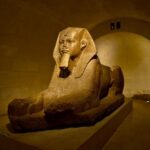
REVIEW · PARIS
Louvre & Mona Lisa Small Group Tour with Reserved Entry
Book on GetYourGuide →Operated by City Wonders Ltd. · Bookable on GetYourGuide
One museum can eat your whole day. This 3-hour small-group Louvre tour makes it manageable, with reserved access that helps you start strong, plus a guide-led route that hits the big masterpieces like Mona Lisa. The main trade-off: the Mona Lisa area can still get crowded, so a bit of your time may turn into standing.
You’ll meet at Arc de Triomphe du Carrousel, then head straight into the galleries with a group of 12 or fewer. Expect a fast, story-filled walkthrough with headsets so you can hear the guide even while the crowd swells.
In This Review
- Key takeaways before you go
- Why this 3-hour Louvre plan works when time is tight
- Arc de Triomphe du Carrousel start: find your staff fast
- Reserved entry and headsets: the real value-add
- The Louvre route: from ancient relics to royal power
- Da Vinci’s Mona Lisa: why this stop is different
- Winged Victory of Samothrace: the sculpture stop you feel in your feet
- Delacroix in the French Wing: art with opinions
- What your guide should be doing (and why it matters)
- Practical stuff that keeps your tour smooth
- Price and value: what $115 really includes
- Who this Louvre tour is best for
- Should you book this Louvre small-group tour?
- FAQ
- Where do I meet for the Louvre tour?
- How long is the tour?
- Does this tour include reserved entry to the Louvre?
- What’s included in the tour price?
- What ID or documents do I need?
- Is the tour wheelchair accessible?
Key takeaways before you go
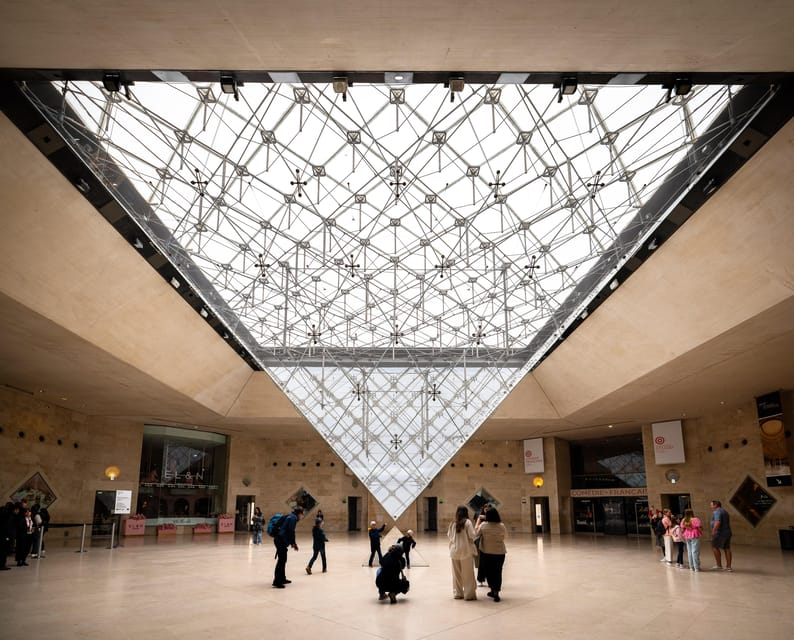
- Reserved entry helps you skip the ticket line and avoid burning your morning in queue mode.
- Small group (12 or fewer) keeps the pace human, not like a cattle-shift through a maze.
- Headsets make a big difference when you’re moving quickly between galleries.
- You’ll see major hits tied to different eras: ancient sculpture, royal Louvre history, and 19th-century art.
- The guide experience in this format often includes humor and calm direction when people feel overwhelmed.
- Plan for the one place that’s always a bottleneck: Mona Lisa.
Why this 3-hour Louvre plan works when time is tight

The Louvre is huge. Even if you know what you want, you still have to fight time, crowds, and signage. What I like about this tour length is that it feels built for real schedules: a solid hit of the museum without the all-day commitment that can turn Paris plans into a sad calendar game.
In three hours, you’re not trying to “see everything.” Instead, you get a guided tour of the highlights plus the stories that make the artworks click. That’s a big deal at the Louvre, where it’s easy to admire things without understanding why they matter.
Your pace is “efficient with breathing room.” In other words, you’ll stop long enough to actually look, not just walk past like you’re on a museum speed-run.
You can also read our reviews of more tours and experiences in Paris.



Arc de Triomphe du Carrousel start: find your staff fast

Meeting at the Arc de Triomphe du Carrousel is actually helpful, because it’s a major landmark and not a back-street guess. Coordinators are dressed in blue and stand along the wall railing to the left of the arch.
Here’s the simple way to orient yourself: stand with your back to the Louvre Pyramid, look across the road, and you’ll spot the arch near the Tuileries Garden entrance area. Then look for staff in blue near the railing.
One practical note: the tour doesn’t include hotel pickup or drop-off. So if you’re staying farther out, build in travel time so you don’t arrive flustered. At the Louvre, being stressed is the fastest way to miss the first part of the experience.
Reserved entry and headsets: the real value-add

This tour’s best selling point is the reserved access, which means you’re not starting by wrestling with the main ticket line. That alone can make the difference between enjoying the museum and feeling like you’ve already “lost” your visit before you see the first statue.
Then there’s the headset system. In a museum this packed, the guide can’t magically speak from the middle of a crowd while everyone hears perfectly. Headsets fix that problem. You can focus on the artwork in front of you and still catch the explanation behind it.
Small group size also changes how the tour feels. With 12 people or fewer, you’re less likely to get stuck behind someone who stops every two feet. You move as a unit, but it’s still flexible enough for real questions and reactions.
The Louvre route: from ancient relics to royal power
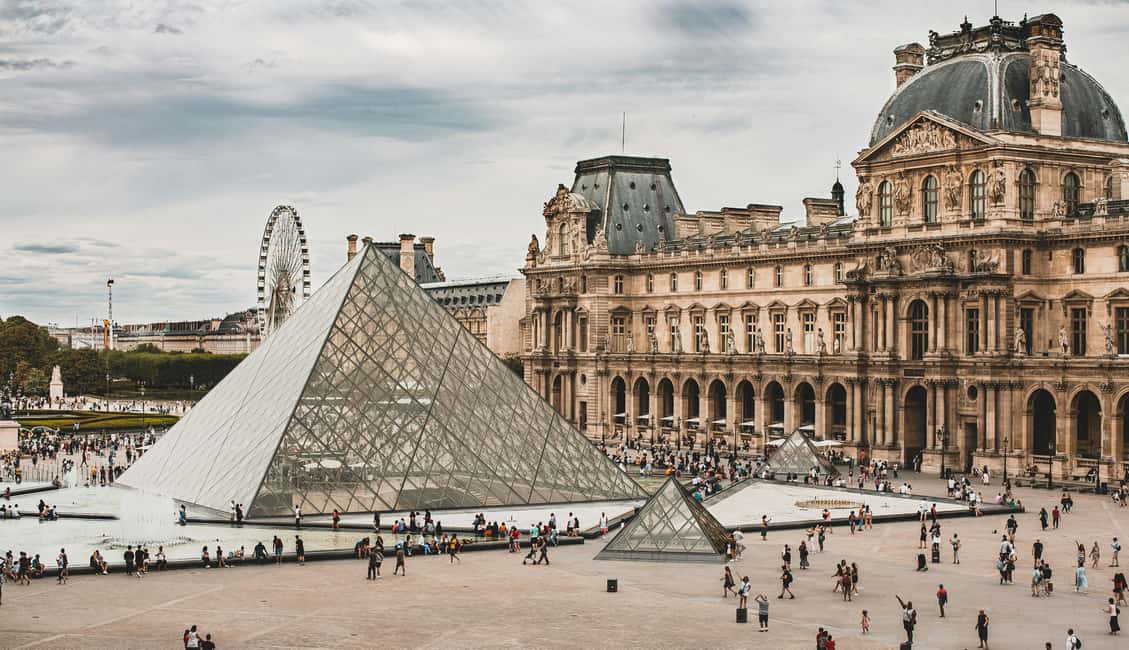
The tour is built around a curated storyline of what the Louvre has been, not just what it currently contains. You start with a look at earlier eras and then flow toward the masterpieces people come for. One of the tour’s strengths is that it connects art to place—so you’re not just reading names on labels.
You’ll cover ancient relics reaching as far back as 450 B.C., then work through the medieval foundations of the Louvre when it was once a royal palace. That helps explain why the building feels like a mix of eras rather than one unified museum space.
From there, the story turns regal. You’ll hear about Napoleon’s crown and the treasures of King Louis XV. Even if you’re not obsessed with French history, this kind of context gives you a framework. It turns the visit from random “great works” into a timeline you can actually follow.
And yes, you also get the art you came for—because this tour isn’t only about history as background noise. The stop selection is designed to land the big emotional moments: sculpture you can’t stop looking at and paintings you’ve seen a thousand times in photos.
Da Vinci’s Mona Lisa: why this stop is different
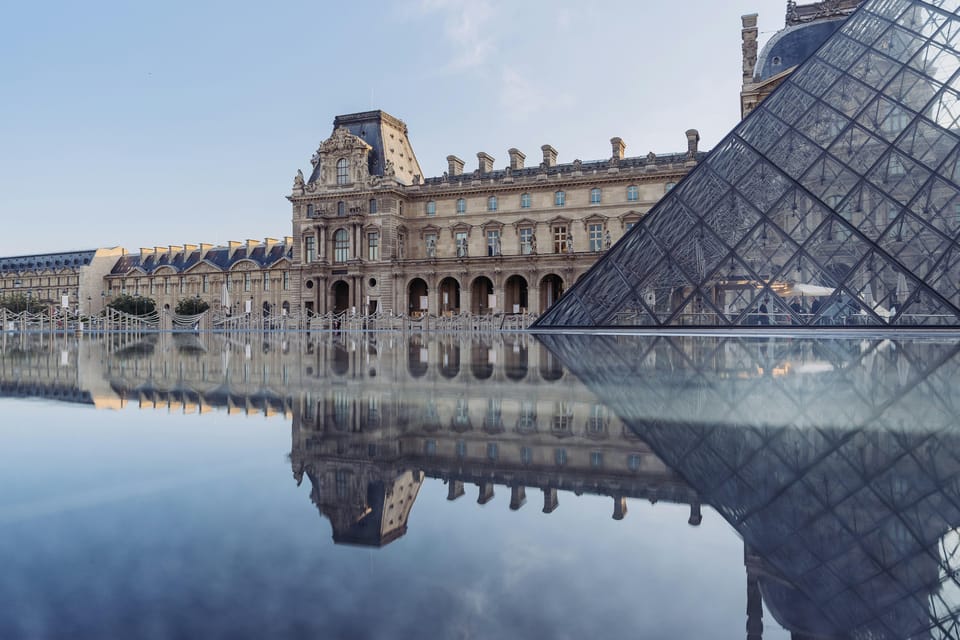
You’ll spend time at Mona Lisa, and the guide’s job here is to make the experience more than a photo moment. The Louvre’s most famous painting is also one of the most crowd-dense. So the best way to enjoy it is to know what to pay attention to once you’re finally in front.
A possible downside is timing pressure around this area. In practice, if the museum is busy, you may end up waiting in the Mona Lisa line longer than you hoped. If that happens, the guide can still talk while you wait, but you lose some of the planned tour flow.
My advice: if you’re sensitive to waiting, keep your expectations grounded. The painting is worth the effort, but this is the one place where crowds can steal time from the tour. Once you get to see it, take 30 seconds to forget the line behind you and just look—texture, gaze, and the subtle details that don’t show up in phone photos.





Winged Victory of Samothrace: the sculpture stop you feel in your feet
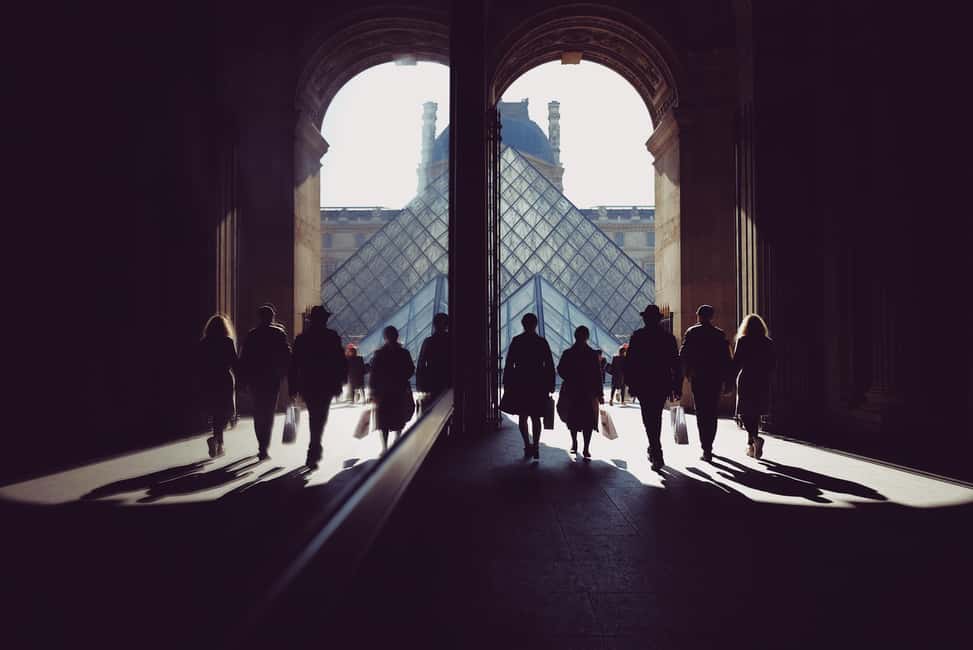
Seeing the Winged Victory of Samothrace is one of those Louvre moments that snaps the whole visit into focus. You’ll encounter it as a 2nd-century B.C. masterpiece, and the guide’s explanation helps you appreciate what makes it so famous: its motion, scale, and dramatic presence.
The practical reality is that sculpture like this doesn’t work the same way as a painting behind glass. You need to move your viewpoint a little. You also need a second to stand still and let your eyes adjust.
In this tour format, the timing usually gives you that chance. You get to stand, look around, and understand why ancient sculpture still hits hard today. If you only have a few hours at the Louvre, this is one stop I’d protect like a reservation for dinner.
Delacroix in the French Wing: art with opinions
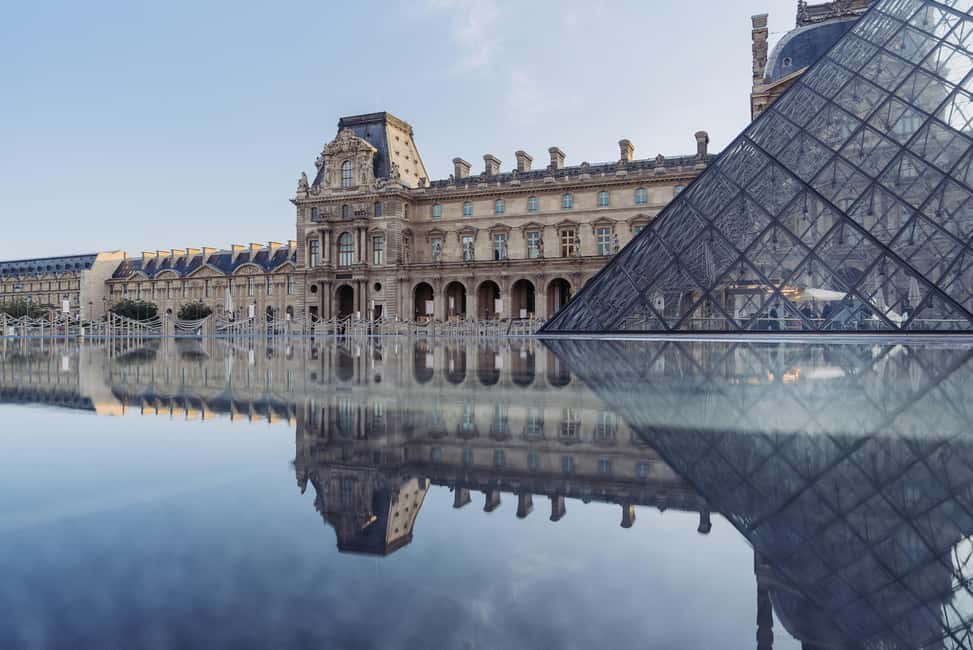
The French Wing stop brings you into 19th-century storytelling, and specifically Liberty Leading the People by Delacroix. This is where the Louvre shifts from ancient drama to modern political symbolism.
The value here is not just seeing a famous painting. It’s understanding why it resonates: Liberty as a person, chaos as a stage, and the feeling that art is responding to events. Even if you’re not a “history person,” you’ll probably recognize the emotional structure. That’s why this painting survives in popular culture.
In a small-group tour, you also get the benefit of seeing it without getting lost in the Louvre’s other rooms. You go where the point is, rather than letting the museum decide your priorities for you.
What your guide should be doing (and why it matters)
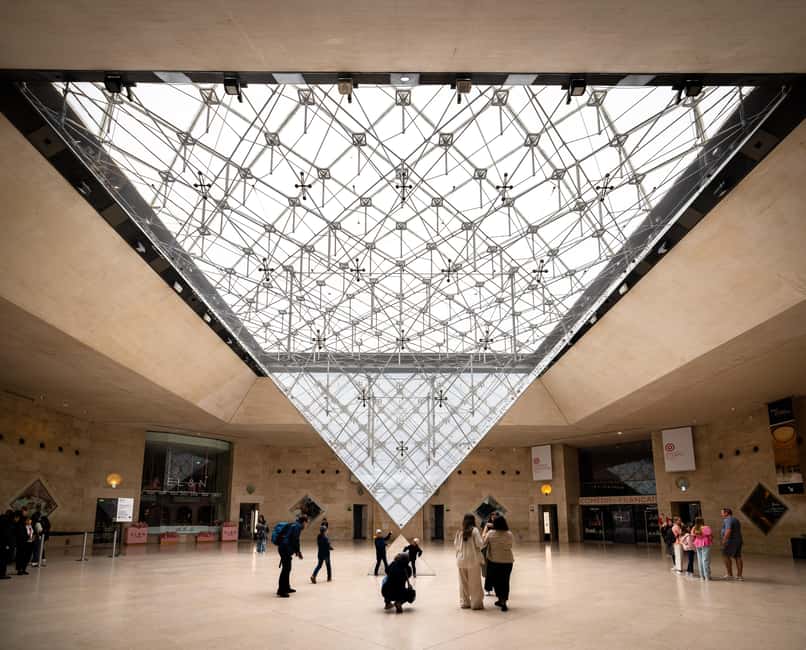
This kind of tour lives or dies on the guide’s ability to keep pace while still making the art make sense. The guides that people commonly name for this experience include Omar, Maxim, Caroline, Addie (sometimes spelled Addy), Severine, and Annalise. Across those names, the pattern is similar: clear explanations and enough humor to keep you awake when you’re touring a museum that can easily feel like a textbook.
That matters at the Louvre because it’s easy to get overwhelmed. The guide helps you understand what you’re seeing and where your attention should go next. With headsets and a small group, you’re less likely to wander off track or spend half the tour trying to find the next room.
If you’re someone who gets impatient with long lectures, keep an eye on the tone. One traveler noted that the art-history talk can be heavy, so your enjoyment may depend on whether you like explanations along the way.
Practical stuff that keeps your tour smooth
A few rules at the Louvre can derail a visit if you’re not ready:
- Bring a passport or ID card.
- Large bags and umbrellas must be left at bag check (free of charge).
- Items larger than 55x35x20 cm aren’t permitted.
- Security screening happens before entry to the museum.
- Baby strollers and luggage/oversize bags aren’t allowed.
Also, the tour isn’t suitable for wheelchair users. That’s important if mobility is a factor for your group.
My no-stress tip: travel light. If you’re traveling across Paris that day, plan your bag check routine the same way you’d plan airport security. The goal is simple: show up ready to walk in, not reorganize your stuff at the entrance.
Price and value: what $115 really includes
The listed price is $115 per person for a 3-hour tour with reserved access. You’re also told that the entrance ticket is 22€ plus a reservation fee of 70€ per group, and those are included.
That’s the key value question. You’re paying for more than entry. You’re paying for:
- skipping the ticket line with the reserved timing,
- an English-speaking expert guide,
- headsets so you actually hear the explanations,
- and a small group capped at 12 people.
If your group ends up near the max, the reservation fee gets spread out over more people. Even without doing exact math, the logic is clear: the line-saving and guiding service are doing most of the work. You’re buying time and direction.
So if you only have a short window in Paris and you don’t want to gamble on navigating the Louvre alone, this price starts to look like good sense rather than a splurge.
Who this Louvre tour is best for
This tour is a strong fit if you:
- want a “main highlights” Louvre experience in a short time,
- like art history when it’s explained clearly (and not only read on a label),
- prefer a guide route over getting lost in museum hallways,
- and want headsets so you can keep your attention on what you’re seeing.
It may be less ideal if you:
- hate waiting in tight crowd zones (the Mona Lisa area can be a time snag),
- or you’d rather do a more relaxed, self-paced museum wander.
Should you book this Louvre small-group tour?
I’d book it if your goal is to get the big moments right without wasting time. The reserved access plus headsets plus small group structure is exactly what you want when you have limited hours in Paris and you don’t want the Louvre to turn into a game of guess-and-check.
If you’re okay with crowds around the Mona Lisa and you enjoy stories that connect art to the building’s past (royal palace to modern museum), this is a smart way to spend three hours.
If you prefer total freedom and slow wandering, you might choose a lighter, self-guided plan instead. But if you want a guided route that hits the essentials—Winged Victory, Mona Lisa, and Liberty Leading the People—this is one of the more practical ways to do the Louvre in less time.
FAQ
Where do I meet for the Louvre tour?
You meet staff dressed in blue beside the Arc de Triomphe du Carrousel. Look across the road near the Tuileries Garden area, and coordinators are along the wall railing to the left of the arch.
How long is the tour?
The tour lasts 3 hours.
Does this tour include reserved entry to the Louvre?
Yes. It includes reserved access to the Louvre Museum, and it’s designed to skip the ticket line.
What’s included in the tour price?
The tour includes an English-speaking expert guide, reserved entry, the entrance ticket and reservation fee, and headsets. The small group is capped at 12 people or fewer.
What ID or documents do I need?
You need a passport or ID card.
Is the tour wheelchair accessible?
No. The tour is not suitable for wheelchair users.