REVIEW · LYON
Half-Day Cotes du Rhone Private Wine Tour from Lyon
Book on Viator →Operated by KANPAI TOURISME · Bookable on Viator
The best part of this private tour is that it gets you from Lyon to the steep vineyards of the Northern Rhône without asking you to master French wine roads first. You’ll see the Roman theatre in Vienne, pass the sun-baked slopes of Côte-Rôtie, and taste wines that are often hard to find outside the region.
I like the small private format, which lets guide Olivier Delalande adjust his explanations to your group. I also like the two different winery visits: one focuses on vineyard work, the other on winemaking and barrel aging. The main drawback is time. Four and a half hours gives you a useful introduction, but not a leisurely day among the vines, and lunch is not included.
In This Review
- Key points to know before booking
- Why Northern Rhône wine makes this trip special
- Vienne brings Roman ruins and a Rhône Valley view
- Ampuis and the steep Côte-Rôtie vineyards
- Condrieu and the near-disappearance of Viognier
- The first family winery in Tupin-et-Semons
- Chavanay adds cellar work and barrel aging
- What the private vehicle and guide add
- Is four and a half hours enough?
- Who will get the most from this tour
- Price, cancellation, and practical value
- Should you book the Northern Rhône half-day?
- FAQ
- Where does the tour begin?
- How long does the experience last?
- Is the tour private?
- Which languages are available?
- How many wines are included?
- Which appellations may I taste?
- Is lunch included?
- What is the minimum age for wine tasting?
- What happens if I need to cancel?
Key points to know before booking
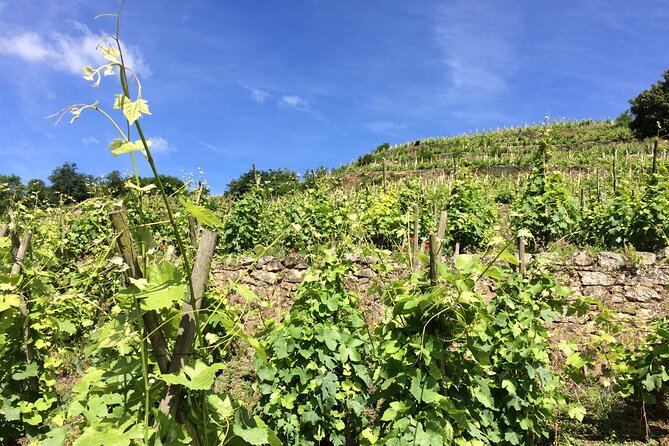
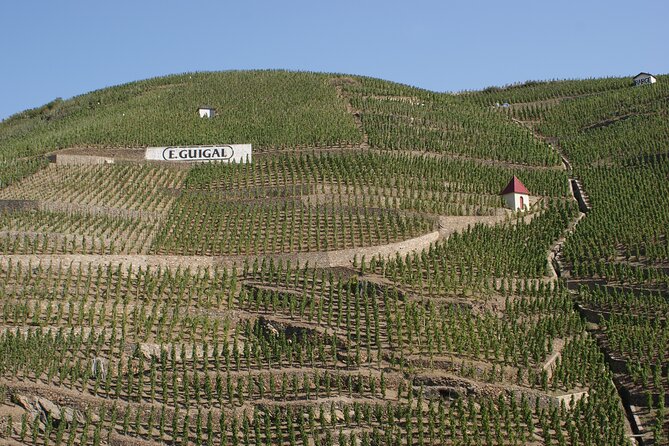
- Côte-Rôtie from the source: See Ampuis and its sharply terraced Côte Brune and Côte Blonde vineyards, where Syrah is grown on slopes angled from 30 to 60 degrees.
- Two family wineries: Visit producers in Tupin-et-Semons and Chavanay for vineyard, cellar, and tasting-room access.
- Eleven to twelve wines: Tastings include Côte-Rôtie, Condrieu, and Saint-Joseph, with both Syrah and Viognier in the glass.
- A guide-led route from Lyon: Olivier provides English, French, or Spanish guiding while you ride in an air-conditioned, high-comfort vehicle.
- A strong choice for a short stay: The morning half-day schedule suits you if work or sightseeing leaves only a few hours for wine.
- Private, not shared: Only your own group takes part, with group discounts available.
Why Northern Rhône wine makes this trip special
Lyon is one of France’s best food cities, but the Northern Rhône wine country begins close enough to visit in half a day. This is not a broad tour of every Rhône appellation. It concentrates on a smaller, prestigious zone south of Lyon, where steep vineyards and old grape varieties shape the character of the wines.
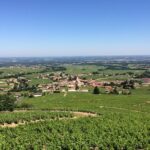
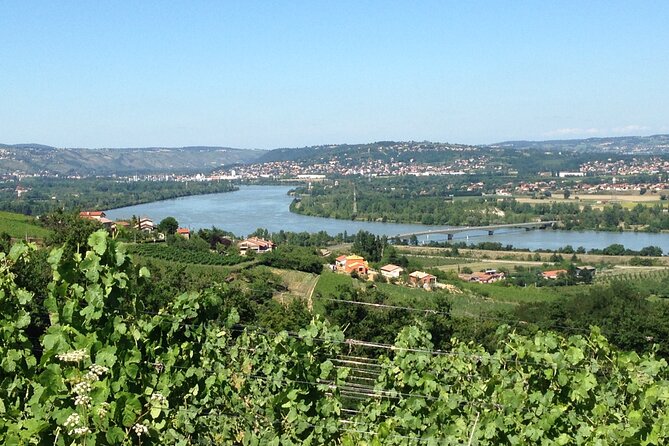
Your guide explains terroir, the French idea that soil, slope, sun, drainage, and local climate all affect a wine. Here, the geography is not an abstract lesson. You can look down on the Rhône Valley, see the narrow bands of vines, and understand why farming these hills takes so much handwork.
The main names to keep in mind are Côte-Rôtie, Condrieu, and Saint-Joseph. Côte-Rôtie is best known for Syrah, called Shiraz in many other wine regions. Condrieu is the home of Viognier, a white grape with intense floral and aromatic qualities. Saint-Joseph adds another important Northern Rhône appellation to the tasting lineup.
I like this regional focus. You will not spend the morning rushing between unrelated wine districts. Instead, the route helps you connect the wines in your glass with the villages and slopes outside the window.
You can also read our reviews of more private tours in Lyon

Vienne brings Roman ruins and a Rhône Valley view
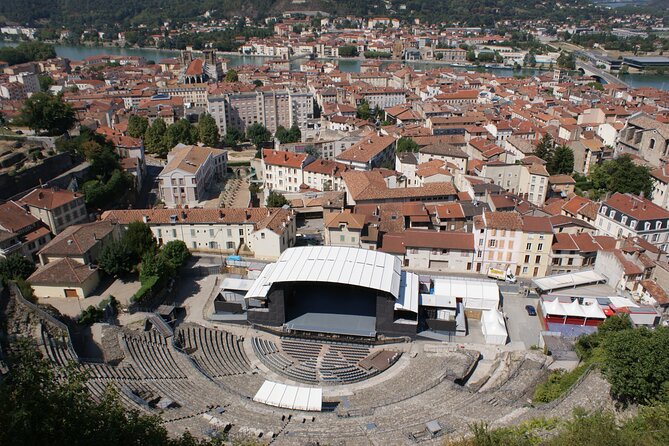
The first stop is Vienne, a city with a 2,000-year-old Roman theatre. You have about 15 minutes here, with free admission, so think of it as a scenic orientation stop rather than a full archaeological visit.
The useful part is the view. From Vienne, you can take in the Rhône Valley while Olivier introduces the area’s appellations and explains how the river corridor links the towns and vineyards ahead. This gives the wine route some shape before the tastings begin.
The short timing is both a benefit and a limitation. You get a memorable look at Vienne without using up much of your half-day, but you will not have time for a detailed visit to the theatre or the city’s other Roman remains. If Vienne is a major priority for you, plan a separate visit.
Still, as a first stop, it works well. You begin with place, geography, and history before moving into the wine country. That is more useful than arriving at a tasting room with no idea where the bottles come from.
Ampuis and the steep Côte-Rôtie vineyards
From Vienne, the route crosses Ampuis, the village closely linked with Côte-Rôtie. The name means roasted hillside, a fitting description for the slopes that face the Rhône and receive strong sunlight.
You will see the Côte Brune and Côte Blonde areas, with terraced hills rising at startling angles. The slopes range from about 30 to 60 degrees, which helps explain why these vineyards cannot be treated like easy rows of vines on flat ground. The views are a major part of this drive, but the terrain also gives you a practical understanding of the price and prestige of these wines.
The stop in Ampuis lasts about 10 minutes and does not include an admission charge. Much of the experience comes from the drive and Olivier’s explanation rather than a formal site visit. If you want a long walk through the vines, this will feel brief. If you want to see the famous slopes and understand their setting, it is an efficient use of time.
Côte-Rôtie is traditionally associated with Syrah, and the tasting later gives you a chance to connect the grape with its home region. The point is not simply to collect another wine name. It is to see why a small, steep growing area can produce bottles with such high standing.
Condrieu and the near-disappearance of Viognier
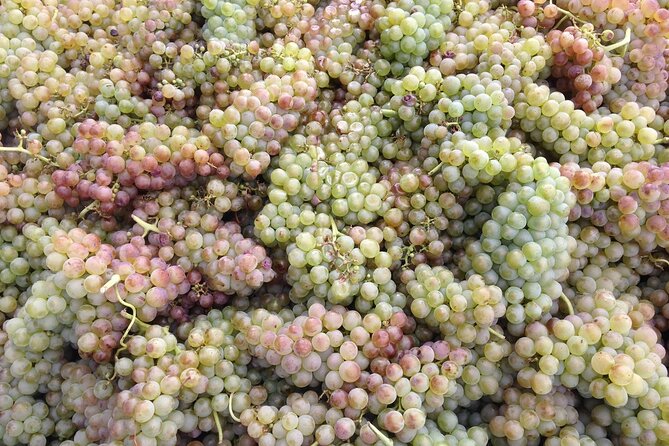
The route also passes through Condrieu, the birthplace of Viognier. This white grape is central to the identity of the area and produces the highly regarded Condrieu wines you will taste later.
Olivier explains how Viognier nearly disappeared a few decades ago before making a strong return. That story adds useful context to the tasting. You are not just sampling a fragrant white wine. You are tasting a grape with a close connection to this particular stretch of the Rhône Valley.
Viognier is often intensely aromatic, and the second winery tasting gives you time to notice those qualities. The tour description does not promise a separate long stop in Condrieu, so you should view this section as a guided drive and explanation rather than a town visit.
That distinction matters when you set expectations. The tour offers a compact wine-country introduction, not a walking tour of every village. You get more winery time because the road stops remain short.
The first family winery in Tupin-et-Semons
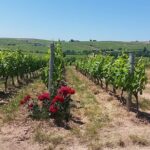
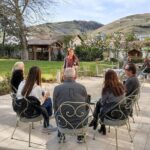
At the first winery, in Tupin-et-Semons, you visit the vineyards and learn what grape-growers do throughout the season to achieve good fruit. This is one of the most valuable parts of the morning because it shifts the focus from tasting notes to the work behind the bottle.
A family winery can make the visit feel more direct than a large commercial attraction. The emphasis is on the vines, the operations required during the growing season, and the connection between vineyard decisions and wine quality. The exact activities can vary with the time of year, but the purpose is clear: you learn how the grapes are grown before you taste the finished wines.
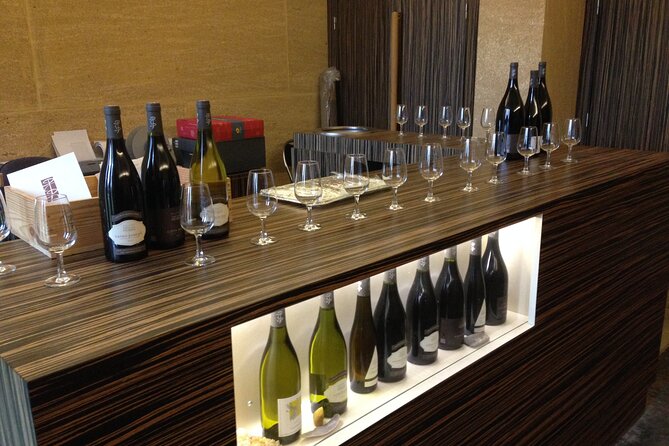
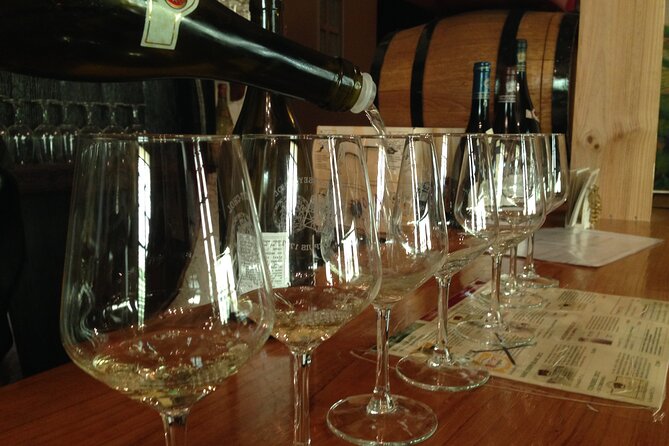
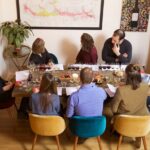
You then move to a picturesque tasting room for five or six Côtes du Rhône wines. The lineup includes prestigious appellations such as Côte-Rôtie, Condrieu, and Saint-Joseph. This is a generous number of samples for a half-day tour, particularly when you consider that a second tasting is still ahead.
I would approach this tasting with curiosity rather than a hunt for the most expensive bottle. Ask Olivier to point out how the wines differ by grape and appellation. The value of a guided tasting is that you can compare the wines while the regional details are still fresh in your mind.
You can also read our reviews of more wine tours in Lyon

Chavanay adds cellar work and barrel aging
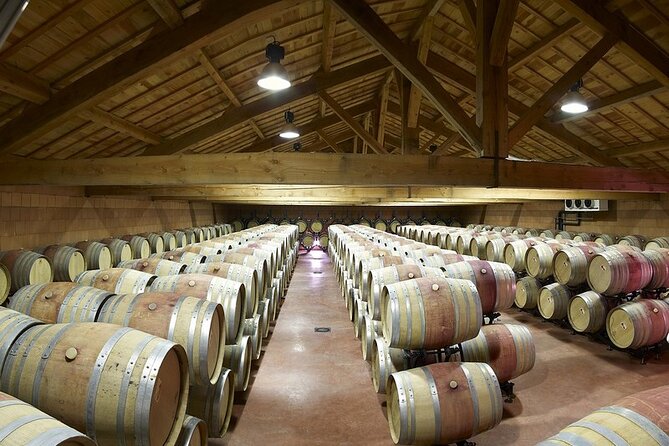
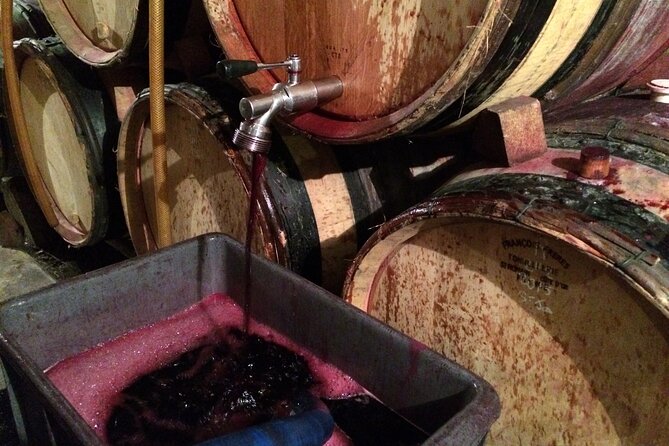
The second winery is in Chavanay. Here, the emphasis shifts from growing grapes to making wine. You tour the winery facilities and hear about Rhône winemaking methods, including the role of barrel aging.
That change in focus gives the two winery visits a useful rhythm. The first explains the vineyard. The second explains what happens after harvest. You get a more complete picture without spending a full day on technical lectures.
The tasting includes another five or six wines. Expect more Côte-Rôtie, Condrieu, and Saint-Joseph, with particular attention to Viognier and Syrah. The contrast between the aromatic Viognier and the powerful, structured Syrah gives the tasting a clear thread.
I like the chance to taste these grapes in their birth regions. Supermarket shelves may offer familiar Rhône bottles, but they are less likely to give you this range of local crus. The tour is especially useful if you have tasted Rhône wines before but want to understand the differences between the northern appellations.
The second tasting also brings the total to 11 or 12 wines. That is enough to make the experience feel substantial, but it means you should pace yourself. You do not need to finish every pour to get value from the tasting, and the air-conditioned vehicle lets you focus on the wines without driving afterward.
What the private vehicle and guide add
The tour lasts about four hours and 30 minutes and includes pickup. You travel in a high-comfort, air-conditioned vehicle, with Olivier guiding in English, French, or Spanish.
The private setup is important. Only your group takes part, so the explanations can stay relevant to your interests and experience level. A group of six friends, for example, can ask questions and discuss purchases without sharing the vehicle with strangers. Group discounts may also improve the price when several people book together.
Olivier’s style, based on the details available about the tour, combines regional history, wine vocabulary, and practical help. One particularly useful detail is that he has helped visitors with tourist questions beyond the wine itself. That can be handy when you have limited time in Lyon and want a guide who understands the wider trip, not only the bottles.
The vehicle also removes a major problem: driving after a morning of tastings. You can give your attention to the views and the wine instead of navigating narrow roads or arranging a designated driver.
There are tradeoffs. A private tour costs more per person than a large shared excursion, especially if only one or two people book. At $145, the price reflects private transport, a professional guide, two winery visits, and 11 to 12 tastings. For a couple, it is not a budget outing. For a small group splitting the cost, the value becomes easier to justify.
Is four and a half hours enough?
For a first look at the Northern Rhône, yes. You see Vienne, Ampuis, Côte-Rôtie, Condrieu, two wineries, and two tasting sessions in one morning or afternoon. That is a lot of ground covered without committing an entire day.
You should not expect a slow rural lunch, long vineyard walks, or extended time in each village. Lunch is not included, and the listed stops in Vienne and Ampuis are short. The tour is designed around efficient sightseeing and tasting, not an unhurried day at one estate.
That makes it a good match for a short Lyon visit or a work trip. One participant with limited free time chose the morning half-day format specifically to fit wine into a tight schedule. If your itinerary has only a few spare hours, this tour gives you a practical way to reach the vineyards.
If wine is your main reason for visiting the Rhône Valley, you may prefer a full-day experience with more time at each winery. But if you want a strong regional introduction before returning to Lyon, the half-day length is sensible.
Who will get the most from this tour
I would recommend this experience to:
- Couples or friends who want a private wine outing from Lyon.
- People who enjoy learning how vineyards and cellars work, not only drinking wine.
- Visitors curious about Côte-Rôtie, Condrieu, Viognier, Syrah, and Saint-Joseph.
- Anyone who wants to avoid driving after 11 or 12 tastings.
- English, French, or Spanish speakers who want guiding in one of those languages.
- Visitors with limited time who still want to reach the Northern Rhône.
It may not suit you if you want a large amount of free time, a full meal, or an all-day vineyard walk. It is also not a family wine activity for younger children, since the minimum age for wine tasting in France is 18.
Most people can take part, and the tour is near public transportation. Pickup is offered, but you should confirm the exact arrangements and availability when booking.
Price, cancellation, and practical value
The $145 price is easiest to assess by looking at what is bundled together. You receive private transport from Lyon, an expert guide focused on wine and the Lyon region, two winery visits, and 11 to 12 tastings. You also avoid the cost and risk of arranging transport between several rural producers.
For one person or a couple, the price is a considered purchase rather than a casual add-on. For a private group, it can make more sense, especially when group discounts apply. The two different winery formats also help: you are not paying for the same tasting-room visit twice.
Free cancellation is available if you cancel at least 24 hours before the start time. Changes or cancellations inside that window are not accepted for a refund, so keep the local cut-off time in mind.
Booking confirmation is sent within 48 hours, subject to availability. Since the tour is private, it is sensible to book ahead if your Lyon schedule is tight.
Should you book the Northern Rhône half-day?
Book it if you want a focused, comfortable introduction to one of France’s most respected wine regions and you value a private guide over a low-cost group bus. The steep Côte-Rôtie views, rare local wines, and two family winery visits give the morning real substance.
I would especially choose it for a short stay in Lyon, a small group, or anyone who wants to compare Viognier and Syrah in their home region. I would skip it only if you need lunch included, prefer a slow full-day pace, or want extensive time in Vienne itself.
For the right schedule, this is a smart use of half a day: close to Lyon, rich in local detail, and structured around wines you may not easily find at home.
FAQ
Where does the tour begin?
The tour is based in Lyon and pickup is offered. Exact pickup details should be confirmed when booking.
How long does the experience last?
The tour lasts approximately four hours and 30 minutes.
Is the tour private?
Yes. Only your own group participates in the activity.
Which languages are available?
Guiding is available in English, French, and Spanish.
How many wines are included?
Wine tasting includes approximately 11 or 12 Côtes du Rhône wines.
Which appellations may I taste?
The tastings include wines from Côte-Rôtie, Condrieu, and Saint-Joseph.
Is lunch included?
No. Lunch is not included in the tour.
What is the minimum age for wine tasting?
The minimum age for wine tasting in France is 18 years old.
What happens if I need to cancel?
You can receive a full refund if you cancel at least 24 hours before the experience start time. Cancellations or changes made less than 24 hours before the start time are not refunded or accepted.