REVIEW · PARIS
Great Monuments Tour / Duration 3h – from 1 to 6 passengers
Book on Viator →Operated by Paris Tuktuk · Bookable on Viator
Arc to Eiffel in one smooth sweep.
This private Great Monuments tour strings together a lot of Paris landmarks fast, with short photo stops and commentary so you can get your bearings on a first visit. I love the pace: you cover both right- and left-bank icons in about 3 hours without doing a full-day march. I also like that the guide’s style can bring the sites to life, including pop-culture moments and practical photo angles. One thing to plan for: you’re mostly viewing from the outside, and several major attractions have entrance tickets not included, so expect this to be an orientation and photo tour rather than a museum-and-ticket day.
For a group up to six, the tour also feels like a smart middle ground between a big bus and hiring something fully custom. Most stops are brief, but they’re timed so you get a quick sense of scale, setting, and neighborhood vibe. The route is especially handy if you want to see highlights like Montmartre and the Eiffel Tower, yet you’d still like free time later to go in deeper.
In This Review
- Key things I’d focus on before you go
- Why this Great Monuments circuit feels different
- Price and what you actually get for $433.25
- Getting going: meeting point and how the 3 hours flow
- Arc de Triomphe to Montmartre: the Paris postcard part
- The Opera/Bourse and Place Vendôme corridor
- Louvre area to Notre-Dame: the city’s story in a handful of stops
- Musée d’Orsay and the Left Bank feel
- Invalides, Eiffel Tower, and the finish near Grand Palais
- How to get the most from the guide (and why language matters)
- Comfort on cobblestones: the real-world considerations
- Who this tour suits best
- Before you book: a quick checklist
- Should you book this Great Monuments Tour?
Key things I’d focus on before you go
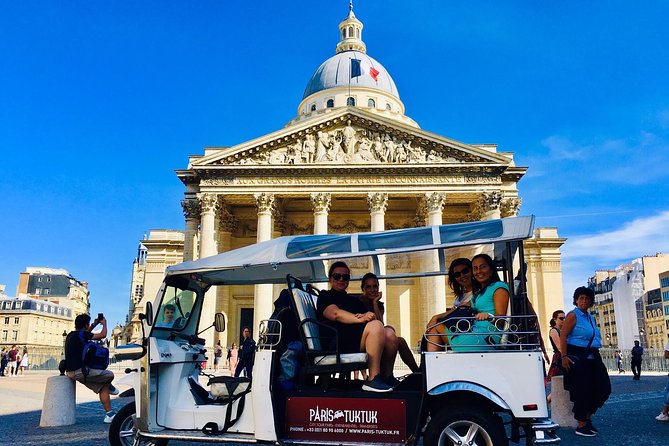
- Fast photo stops, not long visits: each stop is about 5 minutes with commentary.
- Icon loop across Paris: Arc de Triomphe, Montmartre, Notre-Dame area, Orsay, Invalides, Eiffel Tower, Grand Palais.
- Private group size (1 to 6): you control the experience for your people only.
- English-guided experience: offered in English, though how much detail you get can vary by guide.
- Ticketed attractions are extra: Moulin Rouge, Louvre, and Eiffel Tower are not included.
Why this Great Monuments circuit feels different
Paris is huge, and on a tight schedule you’re forced into one of two bad options: either you do lots of walking, or you ride around in a big crowd with limited access to the best viewpoints. This tour splits the difference. You move efficiently between neighborhoods, and you spend your time where the views are.
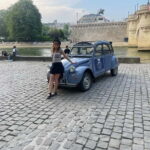
The vehicle style matters too. Reviews describe a tuk-tuk / golf cart vibe that can go where larger buses struggle, which means you’re closer to photo angles and street-level scenes than you’d expect from a standard bus stop-and-go. The downside is that it’s still an outdoor ride through real city streets, including cobblestones in places—more on comfort later.
I also like that the tour is designed as a “see it once, then choose what to go back for” plan. After this, you’ll usually know which areas you want to return to on your own—whether that’s the Left Bank museums, the Montmartre hill views, or the Eiffel Tower area.
A few more Paris tours and experiences worth a look

Price and what you actually get for $433.25
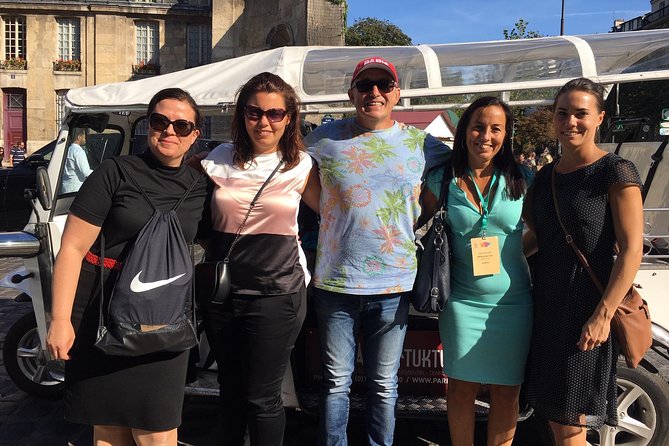
The price is $433.25 per group for up to six people, lasting about 3 hours. That can sound steep if you’re comparing it to a solo ticket for a walking tour. But the math changes fast when you fill the group. With 4 to 6 passengers, it often works out to a cost that feels more reasonable compared to stacking multiple taxis or paying for separate private add-ons.
Here’s what you’re paying for, in plain terms:
- Private transportation for your group
- A guide
- A set route of major sights, mostly from the outside
- Mobile ticket
Here’s what you should not count on:
- Entrance tickets to monuments are not included for several big ones (Moulin Rouge, Louvre, Eiffel Tower)
- Food, drinks, and coffee/tea aren’t included
So think of this as buying time and convenience. You’re paying to cut down the chaos of navigating across Paris and to get a guided orientation that helps your next day decisions.
Getting going: meeting point and how the 3 hours flow
You start at 6 Av. Winston Churchill, 75008 Paris, and the tour ends back at the meeting point. That round-trip structure is simple, and it removes one headache: you don’t have to re-orient to a different drop-off location when you’re done.
It runs for about 3 hours and uses short stays—most stops are about 5 minutes. That means you’ll get:
- A photo stop
- A quick burst of commentary
- Enough time to hop out, shoot your pictures, and hop back in
If you’re hoping for extended time at each landmark, you’ll be disappointed. If you’re okay with rapid-fire highlights and want the flexibility to go deeper later, it’s a good fit.
Tip: because it’s a set loop, I’d treat the tour as your “first-day map.” Afterward, pull up your favorite neighborhoods on your own and decide what to enter, what to skip, and what to photograph again when the light changes.
Arc de Triomphe to Montmartre: the Paris postcard part
The route kicks off moving from the Place de la Concorde up the Champs-Élysées, then toward Arc de Triomphe. This opening makes sense because it sets the tone: you start with one of Paris’s most recognizable axes, then you pivot toward the more whimsical, steep streets of Montmartre.
Stop 1: Arc de Triomphe
You get a photo stop and commentary. The quick timing is perfect here because you’re not trying to climb stairs or manage a long ticket line on this tour—you’re learning where everything sits and how the surrounding streets feed into the monument.
Stop 2: Basilica of Sacré-Cœur (Montmartre)
Another short photo stop with commentary. Montmartre works well in a fast tour because it’s visually dramatic even at street level: viewpoints, staircases, and that “top of the hill” feel. If you’re a fan of film trivia, some guides bring up location connections and story context that makes the scene click faster.
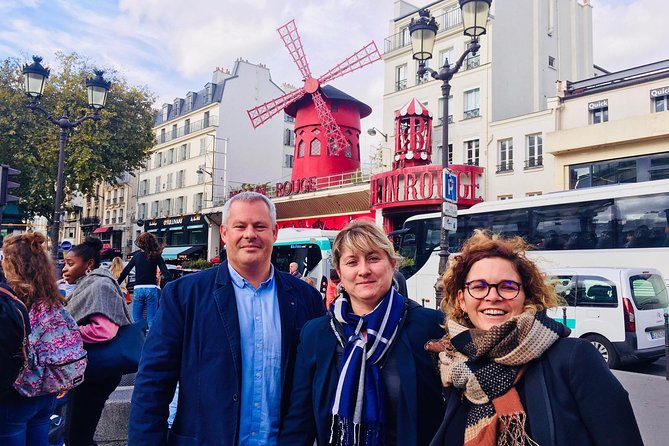
Stop 3: Moulin Rouge
Quick exterior stop. This is mostly about recognizing the landmark and understanding where it fits in the area’s history and atmosphere.
What to note: Moulin Rouge entrance is not included. So treat this as photo-and-context time unless you plan separate tickets later.
The Opera/Bourse and Place Vendôme corridor
After Montmartre, the tour moves through central Paris for more classic architecture and shopping streets.
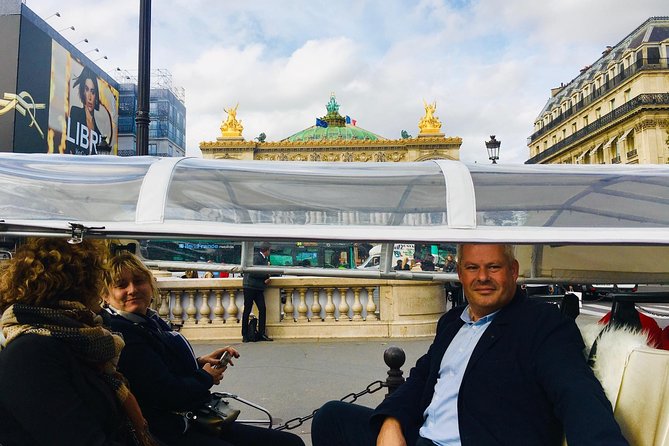
Stop 4: Opera / Bourse
You’ll see the area from the street with photo stop commentary. This is the part of the route that often surprises people because it’s not just “pretty buildings.” It’s also where you can start understanding Paris’s different districts and how people flow through the city.
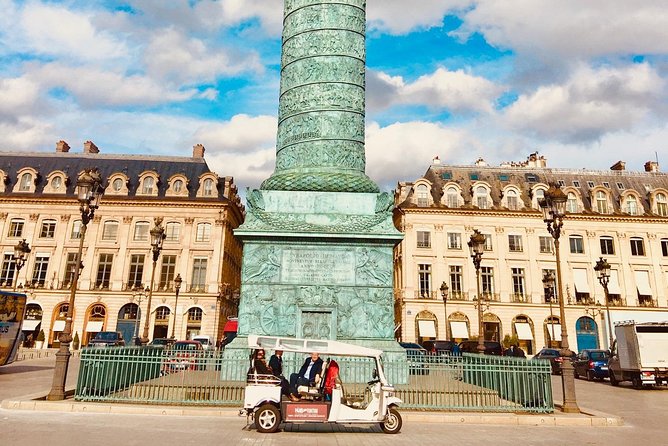
Stop 5: Place-Vendôme
Another quick photo stop. This square is compact, but it’s visually strong. The timing works: you get your photos and a quick sense of scale without losing your whole time budget.
At this stage, you’ve probably figured out the tour’s rhythm. You’ll be getting a guided “what you’re looking at” mini-lesson, not a deep lecture.




Louvre area to Notre-Dame: the city’s story in a handful of stops
Next comes a section packed with meaning, and it’s where the “quick stops” format really becomes a strategy.
Stop 6: Louvre Museum
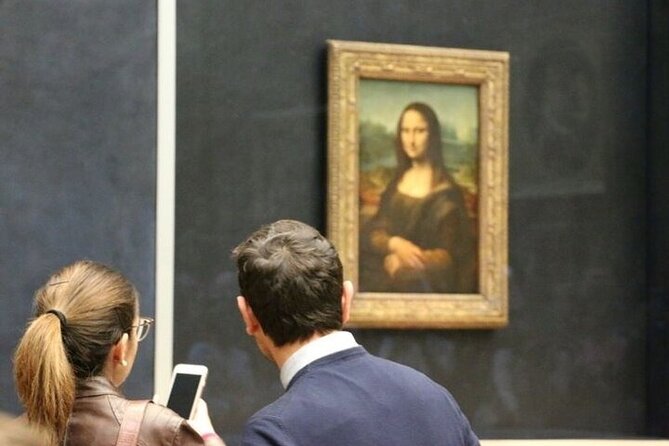
You’ll get a photo stop and commentary, but the Louvre entrance ticket isn’t included. That means you can enjoy the area and learn where things are, then decide later if you want a timed entry and a focused museum plan.
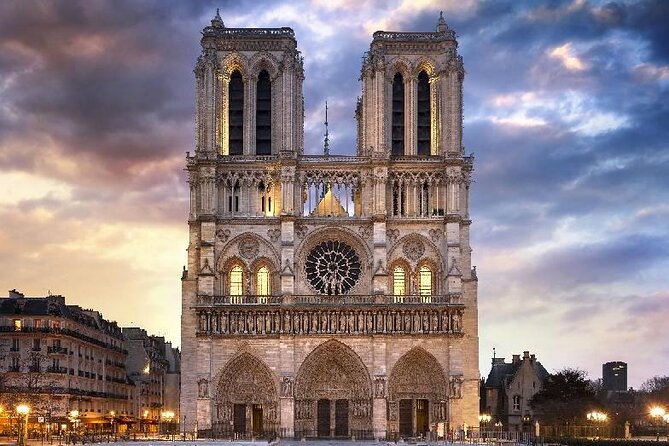
Stop 7: Cathedrale Notre-Dame de Paris
Photo stop with commentary. If you’ve never seen Notre-Dame in person, the quick stop is still worthwhile because it shows you how the river-and-city setting frames it. You’ll know what to photograph later from better angles once you’ve walked around the area yourself.
If you want more than photos, you’ll need a separate plan. But as an orientation, this stop does its job.
Stop 8: Pantheon
Another exterior photo stop. The Pantheon area is one of those Paris scenes where the buildings look “official” and older than the surrounding streets. Even with limited time, it helps you connect the dot between neighborhoods.
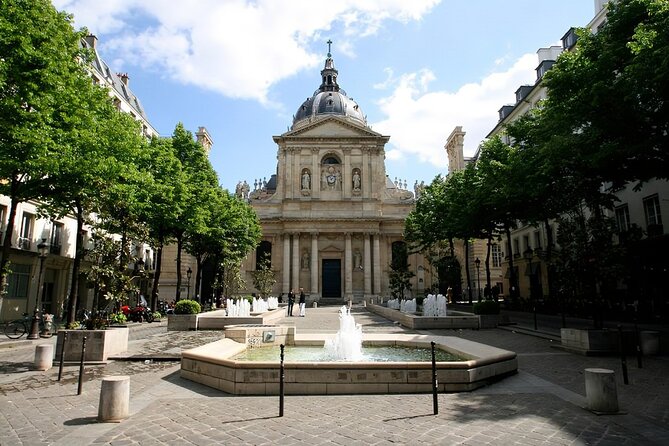
Stop 9: Place de la Sorbonne
Photo stop and commentary. This is where the tour reminds you Paris isn’t just monuments—it’s also institutions and daily life around major learning centers.
Stop 10: Fontaine Saint-Michel
Quick photo stop. It’s a satisfying visual break in the circuit, and it helps you understand why so many people end up wandering near the Saint-Michel zone later.
Musée d’Orsay and the Left Bank feel
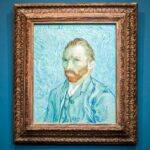
Stop 11: Musée d’Orsay
Photo stop with commentary. The big question for visitors is always the same: do I enter? This tour doesn’t include admission tickets, but it’s still useful because it gives you a sense of the museum placement above the river area and how the surrounding streets angle your photos.
Then you get right into the Left Bank mood—dense streets, classic facades, and a city rhythm that feels different from the wide boulevards on the other side.
Invalides, Eiffel Tower, and the finish near Grand Palais
As the tour winds down, the route shifts to grand government-and-empire energy, then lands on the Eiffel area.
Stop 12: Musée de l’Armee des Invalides (Invalides)
Photo stop and commentary. Invalides tends to feel more “serious” and official than the art museums nearby. Even in a short stop, it adds a different texture to your Paris overview.
Stop 13: Eiffel Tower
Photo stop and commentary. The Eiffel Tower entrance ticket isn’t included, so you’ll get the famous view, not the summit experience. Still, arriving via this kind of street-level route makes the Eiffel Tower feel less like a distant icon and more like a real part of your day.
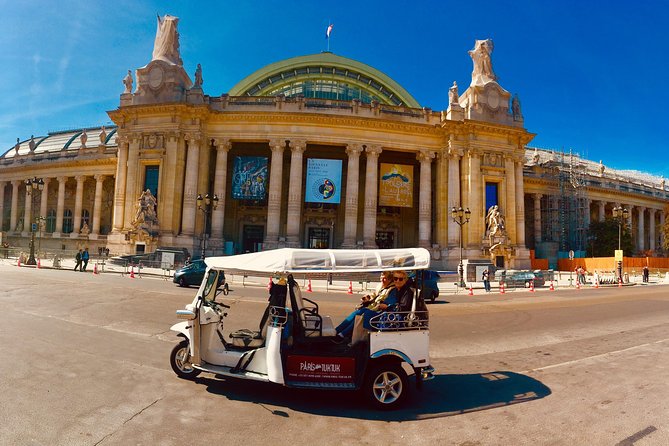
Stop 14: Grand Palais
Final photo stop and commentary. This is a strong closing image because it’s monumental in the old-school Paris way—huge scale, impressive form, and a satisfying end point to the circuit.
The fact that the tour ends back at the meeting point keeps the day feeling tidy. You don’t have to sprint across the city at the end while you’re already sightseeing.
How to get the most from the guide (and why language matters)
This experience is guide-driven. The route is structured, but the commentary quality can swing based on the person behind the wheel.
In a great scenario, you’ll get the kind of guidance that makes the stops more than photos. Some guides are described as funny and informative, others as patient, and several as highly flexible. For example, guides such as Naz, Gerard, Felix, Atef, Mathieu, and Adam are mentioned for tailoring the route to what people wanted, adding extra context, and taking extra time to show photos.
In less ideal scenarios, the English level can vary, which matters because you’re only out for about 5 minutes at each stop. If you can’t hear or understand the guide well, you’ll still see the sights, but you won’t capture as much meaning.
My practical advice:
- Ask a simple question early: what’s the one detail you think I’d miss on my own?
- If you’re hard of hearing or you’re in the back seat, you might not catch everything. One suggestion that comes up is using a headset-style setup. Even if you don’t have one, you can still ask the guide to speak up before moving.
Comfort on cobblestones: the real-world considerations
A few reviews highlight comfort issues that are worth taking seriously. The vehicle setup can be fun, but it’s not the same as a modern minivan.
Some people found the ride a bit jarring because of rough suspension and cobblestone streets. Others pointed out that seats can be low and entry/exit can feel awkward because of the low roof height. One review also mentioned limited shade and heat during summer.
At the same time, you may find it easier than a walking-only day, especially if your group includes someone who needs fewer stairs or less time on uneven pavement. So I see it as a trade: easier movement through the city, but not a cushy, fully enclosed ride.
If your party includes mobility concerns, I’d pay close attention to how your group typically handles getting in and out of compact vehicles. And if you’re sensitive to heat, plan for it: bring sunscreen and have water ready even though drinks aren’t included.
Who this tour suits best
This tour tends to be a strong match if:
- You want major landmarks without doing a long walking day
- You’re in Paris for a short time and want a fast orientation
- Your group includes people who would struggle with stairs or longer distances
- You’d like a guided plan that helps you decide what to return to later
It may feel less satisfying if:
- You want time inside major attractions during the 3 hours
- You’re expecting a deep historical lecture at every stop
- Your group cares most about a very quiet, smooth ride
Before you book: a quick checklist
Here’s how to set yourself up for a good experience:
- Decide in advance what you plan to enter later (since Moulin Rouge, Louvre, and Eiffel Tower tickets aren’t included)
- Bring a camera-ready attitude; these stops are built for photos
- Plan for city heat and sun, since shade can be limited
- Consider whether low-seat vehicle entry/exit will be comfortable for your group
Also, if you’re traveling in a busy season, it can help to book ahead. This tour averages bookings about 42 days in advance, which is a hint that dates can fill.
If your schedule is uncertain, note that free cancellation is available up to 24 hours before the start time for a full refund.
Should you book this Great Monuments Tour?
I’d book it if you want a smart first-day overview that helps you map Paris quickly and skip the stress of moving between neighborhoods. The value shines most when you’re traveling with a group of 3 to 6, because the private transport + guide cost spreads out and you get the convenience of a planned route.
I would hesitate if your main goal is museum time and inside-the-building experiences. This is a show-you-the-city from the street kind of tour. Also, if you know your group can’t handle low vehicle entry or bumpy rides, you’ll want to think twice and maybe choose a more comfortable vehicle option.
Bottom line: for orientation, photo stops, and an easy, private way to see the big icons across Paris in about three hours, this is an excellent use of time. Then you go back later for the places that call your name.