REVIEW · PARIS
Further training workshop
Book on Viator →Operated by Aperture Tours · Bookable on Viator
Paris becomes your classroom on this private photography walk, where you learn by taking pictures rather than sitting through a technical lecture. Over about three hours, a professional photographer helps you work with exposure, lighting, composition, and camera settings at some of the city’s most recognizable sites.
I like the one-to-four-person format, which gives you room to ask questions and adjust the lesson to your skill level. I also like the range of locations, from the stonework of Notre Dame to the open views around the Eiffel Tower and the intimate streets of the Latin Quarter.
The main consideration is simple: you must bring your own camera. The workshop does not include equipment, and five stops in three hours means you will need to keep moving rather than linger at every viewpoint.
In This Review
- Key points at a glance
- Learning Paris through the viewfinder
- Notre Dame and the Île de la Cité
- The Louvre courtyard and the problem of familiar sights
- Tuileries Garden and controlled composition
- Photographing the Eiffel Tower
- Pont Neuf and a final change of subject
- What the private format is worth
- Timing, pace, and practical planning
- Who will enjoy this workshop most
- Cancellation and booking details
- Should you book it?
- FAQ
- How long does the photography workshop last?
- How much does the experience cost?
- How many people can join the private tour?
- What locations are included?
- Do I need to bring a camera?
- What photography skills will I learn?
- What time does the workshop start?
- Can I cancel for a refund?
Key points at a glance
- Private coaching for up to four people: You receive direct help instead of trying to keep up with a large class.
- Five major Paris photo stops: The route includes Notre Dame, the Louvre, the Tuileries, the Eiffel Tower, and Pont Neuf.
- Built around practical skills: You work on exposure, light, composition, and unusual angles while taking real photographs.
- Suitable without specialist equipment: You do not need advanced experience, though you do need to supply your own camera.
- A three-hour afternoon session: The listed start time is 1:00 pm, with multiple departure times offered in the booking details.
- A highly personal lesson: Professional photographer Alexander is named in the available feedback as a patient and informative leader and tutor.
Learning Paris through the viewfinder
This is not a standard sightseeing walk with a few photo stops added at the end. The point is to make you look more carefully at places you might otherwise photograph in a hurry.
At Notre Dame, you can work with strong architectural lines and the challenge of fitting a large building into one frame. At the Louvre, you have a broad courtyard and a famous glass pyramid. At Pont Neuf, you can practice using the river crossing, stone details, and surrounding views to create a picture that feels more personal than a basic postcard shot.
The guide’s role matters here. You are not simply told where to stand. You are shown how small changes in angle, light, and composition can alter the result. The workshop is designed for different levels, so you can ask for help with basic camera use or seek more advanced ways to control the image.
That makes the experience a good choice if you have a camera you rarely use beyond automatic mode. It also works for someone who already takes photographs but wants a second set of eyes on framing and technique.
The strongest praise attached to this experience focuses on the instruction. Alexander is described as patient and informative, with a talent for finding good spots and helping participants come away with strong images. That is useful praise for a photography lesson, because patience can matter more than a long list of technical qualifications.
A few more Paris tours and experiences worth a look



Notre Dame and the Île de la Cité
The first listed stop is Notre Dame, where you have about 30 minutes to photograph the cathedral. The Île de la Cité gives the lesson an attractive opening because the setting combines major architecture with the character of old Paris streets.
Notre Dame presents a familiar challenge. Most people point their camera at the front and take a quick record shot. Your guide can help you consider a different angle, work with the building’s height, and use the available light more carefully.
The 30-minute slot is enough for instruction and several attempts, but it is not a long architectural study. If you enjoy careful tripod work or want to wait for one exact lighting condition, the pace may feel brisk.
Still, the stop is valuable because it puts the main lesson into practice at once. You can test exposure settings on pale stone, look for patterns and symmetry, and compare a wide view with a tighter architectural detail.
Admission is listed as free for this stop, and this workshop focuses on photographing the exterior and surrounding area rather than touring the cathedral interior.
The Louvre courtyard and the problem of familiar sights
The Louvre receives another 30-minute stop. This is one of Paris’s most recognizable photo subjects, so the challenge is not finding something to photograph. The challenge is making your picture feel like your own.
The Louvre’s scale gives you several ways to work. You might frame the glass pyramid against the historic buildings, use repeating lines to guide the eye, or try a low or angled composition instead of a straight-on view. The guide can point out how small shifts in position change the balance between the pyramid, courtyard, and surrounding architecture.
This is where the workshop’s focus on composition becomes practical. A famous monument can produce a dull photograph if the frame is crowded or the subject is placed without thought. You will get more from the stop if you treat it as a short exercise in shape, spacing, and perspective.
Again, 30 minutes is a useful lesson period, not unlimited free time. You may need to choose between several ideas rather than attempt them all. That is not necessarily a weakness, as a focused assignment can help you learn faster.
The Louvre stop also keeps the tour accessible to people who want major Paris sights without buying an additional museum visit. The listed activity does not include a museum admission ticket because the photo stop itself is free.
Tuileries Garden and controlled composition
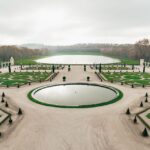
The third stop is the Tuileries, with another 30-minute photography session. This changes the visual feel of the workshop. After the large stone forms of Notre Dame and the Louvre, the garden offers a more orderly setting for studying lines, distance, and balance.
The Tuileries can help you see how a photograph works when the subject is not one single monument. Paths, trees, garden features, and open spaces can all affect the way the eye moves through the frame.
This is a useful place to practice composition without relying on a famous building to carry the picture. Your guide can help you decide what belongs in the frame and what should be left out. You can also test how different angles change the relationship between foreground and background.
Because the tour moves through several central locations, you should expect the lesson to keep a steady pace. The experience is best for someone who wants practical instruction in several settings, not someone looking for a long, relaxed photo session in one garden.
Photographing the Eiffel Tower
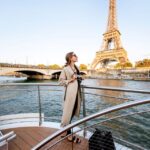
The Eiffel Tower is the fourth listed stop, with about 30 minutes devoted to photography. The tower is another subject that appears in countless Paris pictures, so this is a chance to work on perspective and framing rather than simply collect a standard souvenir image.
A tall structure can be difficult to fit into a photograph. You may need to choose between showing the full tower and emphasizing a section of its ironwork. The guide can help you experiment with viewpoints, angles, and the direction of light.
The supplied information does not specify the exact viewing point for this stop. That means you should think of the location as an opportunity to photograph the tower rather than a promise of one particular famous platform or riverside angle.
Thirty minutes gives you time to try several compositions and receive feedback. It also keeps the tour moving toward the final stop. If the Eiffel Tower is your main photographic goal, you may want to ask at booking or before the walk exactly where the group will work.

Pont Neuf and a final change of subject
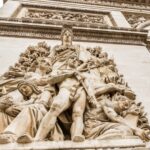
The final listed stop is Pont Neuf, Paris’s famous bridge over the Seine. The half-hour session gives you a chance to finish with a subject that differs from both the monuments and the garden.
A bridge can provide strong leading lines and a clear sense of depth. Stone details, the river, and the surrounding city can help you build a layered composition. This is also a good place to review the habits you have practiced during the afternoon: check the light, look at the edges of the frame, and consider whether a different position would create a stronger image.
The stop is not presented as a separate history tour, so the emphasis remains on photography. You should expect the guide to use the bridge as a working exercise rather than spend a long time on background stories.
The tour ends back at the meeting point. The exact meeting point is not supplied in the details here, so check your confirmation carefully and allow time to reach it by public transportation.
What the private format is worth
The price is $190.10 per person. That is not a bargain if you only want a guided walk past famous buildings. It becomes more reasonable when you treat the experience as private instruction from a professional photographer.
The group limit is four people, and the activity is private. If you book with three friends or family members, the guide can still give direct attention while the cost is shared across the group. A solo participant pays more per person, but receives a very personal lesson.
The value depends on how much you use the instruction. If you plan to keep your camera in automatic mode and mainly want someone to show you Paris, a regular sightseeing walk may be a better fit. If you want to understand why one image works better than another, the small group can justify the higher price.
I would also consider the price in relation to what is included. A local guide, private workshop, and professional photographer are included. Your camera is not. There are no listed entrance fees for the photo stops, but the experience is about outdoor photography rather than admission to attractions.
The workshop is especially worthwhile for a couple, family, or small group with different levels of experience. One person can ask about basic settings while another works on composition. With only four participants, you should not have to wait long for help.
Timing, pace, and practical planning
The advertised duration is approximately three hours. The itinerary allocates about 30 minutes to each of five stops, which leaves the rest of the time for walking between locations and instruction along the way.
That structure is worth understanding before booking. You will not spend three full hours at one site. You will move through central Paris and practice in several different visual settings.
The listed start time is 1:00 pm, while the experience also offers multiple departure times. Confirm the exact option you select, especially if you are arranging museum visits, lunch, or another timed activity on the same day.
The tour is near public transportation, and it ends back at the meeting point. Bring the camera you actually want to learn, not equipment you are afraid to handle. Since equipment is not included, check your battery, memory card, and basic settings before you arrive.
You do not need specialist equipment or prior experience. That makes the workshop approachable, but it does not mean you should arrive without preparation. If you know your camera model, bring its manual or be ready to show the guide how it is set up. The more quickly the guide understands your equipment, the more time you can spend making pictures.
Service animals are allowed, and most people can participate. The available details do not give a specific route length or detailed mobility information, so anyone with mobility concerns should confirm the walking requirements before booking.
Who will enjoy this workshop most
I would choose this experience for:
- A beginner who owns a camera but wants to move beyond automatic settings.
- A couple seeking a private activity with useful results to take home.
- A small family group with mixed photography experience.
- A serious hobby photographer who wants help with composition in Paris.
- Someone who prefers learning through practice rather than a classroom lesson.
It may be less suitable if you want a slow sightseeing tour with long visits inside museums or monuments. It may also disappoint if your main goal is professional equipment, since you must bring your own camera.
The workshop is not designed around a single landmark. Its strength is variety. You practice at Notre Dame, the Louvre, the Tuileries, the Eiffel Tower, and Pont Neuf, then compare how different subjects demand different choices.
Cancellation and booking details
Confirmation is provided when you book. Free cancellation is available if you cancel at least 24 hours before the scheduled start time. A cancellation made less than 24 hours ahead does not receive a refund, and changes inside that period are not accepted.
The cut-off is based on Paris local time. That matters if you are booking from another time zone or adjusting plans late in your trip.
The experience is operated by Aperture Tours. Since the activity is private, only your group participates, with a maximum of four people.
Should you book it?
Book this workshop if you want to leave Paris with more than a folder of quick snapshots. The combination of a professional photographer, a private group, and five major locations gives you a practical way to improve your eye while seeing central Paris.
I especially like the direct teaching format and the chance to work on different subjects in one afternoon. The main tradeoff is pace. You will cover several places, but each receives only about 30 minutes, and you need to bring your own camera.
For a small group willing to spend $190.10 per person on instruction, the experience offers solid value. If you mainly want sightseeing or do not care about camera technique, spend your budget elsewhere. If you want patient guidance, useful photographs, and a better understanding of exposure, light, angles, and composition, this is a focused choice.
FAQ
How long does the photography workshop last?
The workshop lasts approximately three hours.
How much does the experience cost?
The listed price is $190.10 per person.
How many people can join the private tour?
The private group can include up to four people.
What locations are included?
The photography stops are Notre Dame Cathedral, the Louvre, the Tuileries Garden, the Eiffel Tower, and Pont Neuf.
Do I need to bring a camera?
Yes. A camera is not included, so you must bring your own. Specialist equipment and previous experience are not required.
What photography skills will I learn?
The workshop covers camera use, technique, exposure, lighting, composition, and ways to experiment with angles and light.
What time does the workshop start?
The listed start time is 1:00 pm. Multiple departure times are offered, so confirm the time selected when booking.
Can I cancel for a refund?
You can cancel for a full refund up to 24 hours before the experience starts. Cancellations or changes made less than 24 hours before the start time are not accepted for a refund.