REVIEW · BORDEAUX
Full Day Tour Saint Emilion with lunch two Chateaux and Village
Book on Viator →Operated by à la française · Bookable on Viator
One medieval town plus two tastings can equal a perfect wine day. This trip pairs a guided walk through Saint-Émilion with a garden picnic at a château and a family-run estate visit—so you get both setting and flavor. I like the small-group feel (max 8) and the practical pacing that keeps you moving without rushing. The only real drawback to watch for: there’s no hotel pickup, so you need to get yourself to the start point near Place des Quinconces.
If you care about understanding what makes Bordeaux wine culture tick, this works well. I also appreciate that you’re tasting about 5–6 wines total—not drowning in pours. The day still has a wine focus, but the historical village time is substantial enough that it doesn’t feel like a drive-by.
In This Review
- Key highlights at a glance
- Why Saint-Émilion works so well as a 6-hour wine day
- Saint-Émilion’s medieval streets: UNESCO time with a guide
- Château Côte de Baleau: picnic lunch, gardens, and vineyard walking
- Second estate visit: behind-the-scenes cellar access and tasting
- Wine tasting value: 5–6 pours, not a pouring contest
- Small-group pace: why eight people feels different
- Price and logistics: what you’re paying for and what to plan
- Who this Saint-Émilion tour suits best (and who might not)
- Tips to make the day feel smooth
- Should you book this Saint-Émilion day trip?
- FAQ
- What’s the duration of the Saint-Émilion full day tour?
- How many wines are included in the tastings?
- How large is the group?
- Is the tour in English?
- Where does the tour start and end?
- Is hotel pickup included?
- Can children join the tour?
- Are there age limits for drinking alcohol?
- What’s included in the lunch?
- Can I cancel and get a refund?
Key highlights at a glance
- UNESCO Saint-Émilion village walk with a guide focused on key monuments and structure
- Picnic lunch at Château Côte de Baleau in the gardens and vineyard area
- 5–6 wines tasted total (about 2–3 per château), so you can actually compare
- English-only guiding with a small group (up to eight)
- Real cellar access with guided winery tours, not just sitting in a tasting room
Why Saint-Émilion works so well as a 6-hour wine day
Saint-Émilion is one of those places where the town itself helps you understand the wine. You walk stone streets and see medieval geometry, then you step out into vineyards and realize why winemaking history and local life are tangled together here.
What I like about this specific format is the balance. You get a guided hour in the village, then a château garden lunch with wine pairings, then another tasting at a family-run estate winery. That structure matters: it stops the day from becoming only a tasting marathon. At the same time, you’re not leaving wine out of the picture.
The price—$203.05 per person for roughly six hours—doesn’t scream cheap, but it’s not trying to be. You’re paying for transport (air-conditioned vehicle), guided winery time, and a prepared picnic lunch. For many people, that’s where the value comes in: you don’t have to plan a route, time a meal, and line up two winery experiences on your own.
One more practical reason this day works: it’s small-group. With up to eight travelers, the guide can slow down, answer questions, and keep the pace human.
A few more Bordeaux tours and experiences worth a look

Saint-Émilion’s medieval streets: UNESCO time with a guide
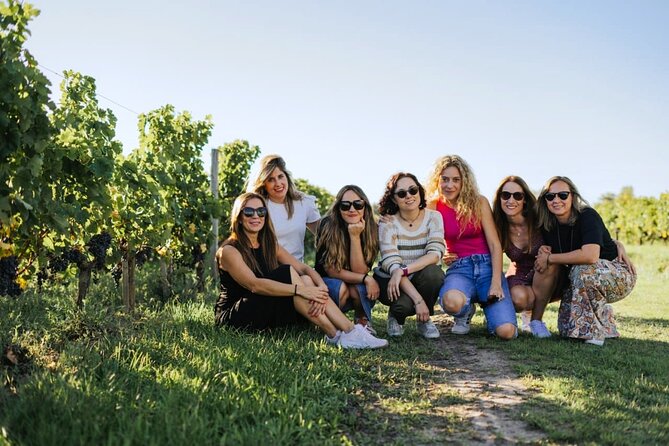
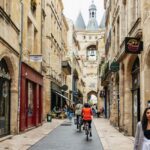
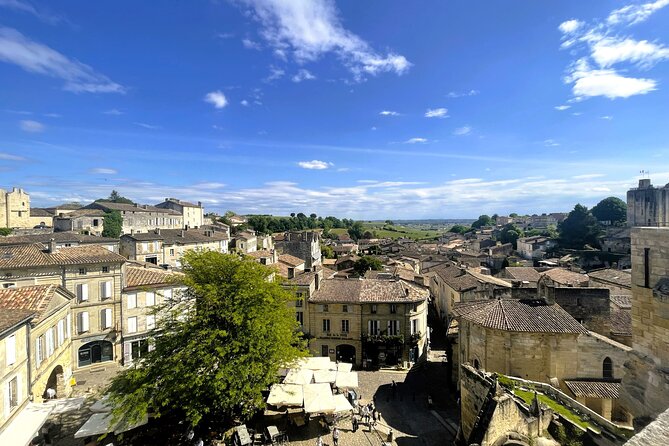
The day starts with an hour in Saint-Émilion. This is the UNESCO-listed part of the story, classified as a World Heritage site since 1999. You’re not just wandering. You’re guided through the medieval village’s major monuments and the way the area developed over time.
In practice, this first stop gives you something important for the rest of the day: context. When you later stand in vineyard spaces or listen to winery stories, the “why” lands better. It’s much easier to appreciate old estates and long winemaking traditions when you’ve already seen how the village was shaped.
Saint-Émilion is also ideal early in the day because your energy is intact and the group isn’t yet at the afternoon tasting pace. The guided approach helps you avoid the classic “we walked around, but I can’t tell you what I saw” problem.
If you’re the type who likes to look up, notice stonework, and pick up patterns (door shapes, street layout, monument clustering), this hour is a strong use of time. If you’re mainly in it for wine, the village still matters—because it’s part of the same wine ecosystem.
Château Côte de Baleau: picnic lunch, gardens, and vineyard walking
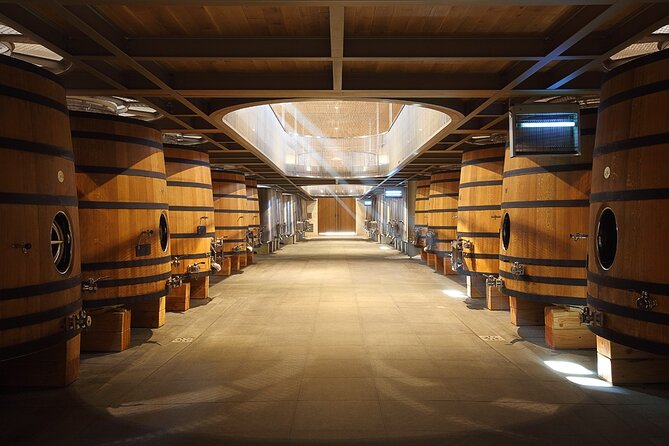
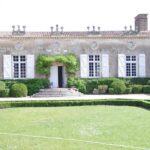
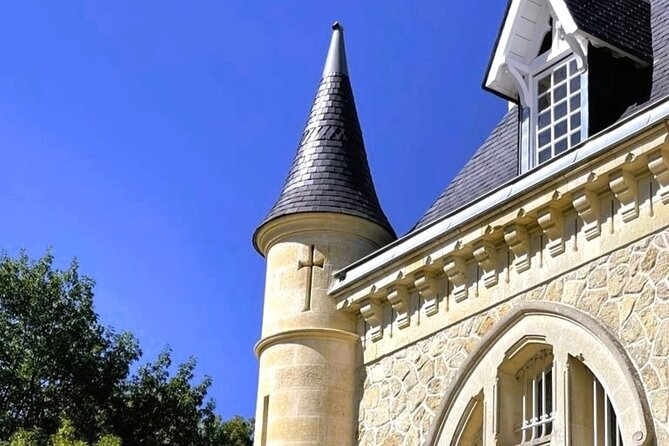
After the village stop, you shift to a château experience at Château Côte de Baleau. This is where lunch becomes part of the program, not just a break in the middle.
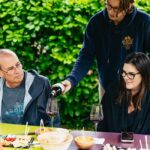
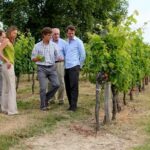
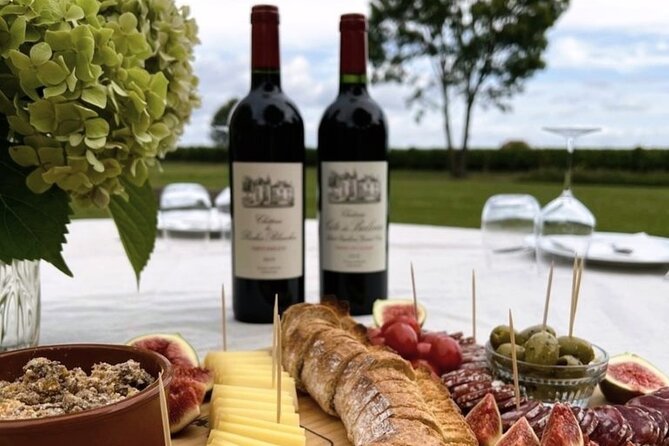
You’ll enjoy a picnic lunch with local products in the château’s garden. The setting is a big deal here: one of the best parts of a day like this is when the meal feels like it belongs to the place you’re visiting. Then you get time to walk around the gardens and vineyard area at an unhurried pace.
This matters for two reasons:
- You get a real sensory reset. Wine touring can get repetitive—same room, same glasses, same tasting notes. Lunch and walking break that pattern.
- Pairing makes more sense when you’ve physically shifted locations. When you eat outdoors with vineyard surroundings, the wine stories connect to the day you’re living.
One detail I’ve seen people light up about: the lunches here can be genuinely memorable, including mentions of standout foie gras. Even if your tastes run differently, the key takeaway is that the meal is treated seriously—not as a rushed add-on.
Also, keep expectations realistic: this isn’t a gourmet, multi-course restaurant meal. It’s a château picnic. That’s part of why it feels authentic and relaxed.
Second estate visit: behind-the-scenes cellar access and tasting
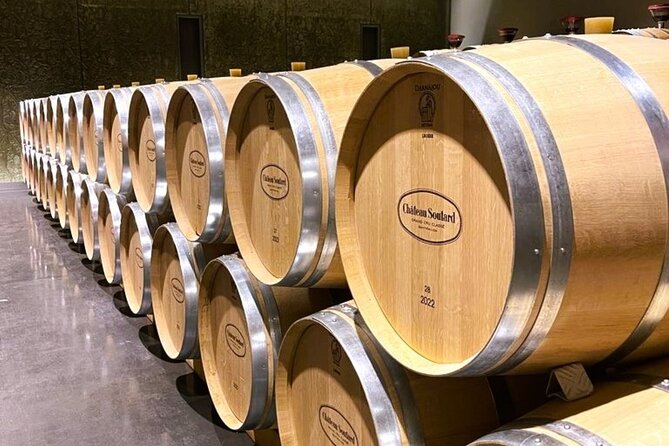
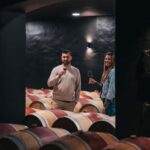
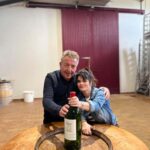
The final act is another Saint-Émilion stop, this time focused on a family-run estate winery visit and tasting. Here’s where you get the behind-the-scenes angle, including guided winery tours and the tasting itself.
Across the day, you’re tasting 5/6 wines total—with about 2/3 wines per château. That number is a sweet spot for most first-timers. You can still compare styles without feeling like your palate is overwhelmed.
The way this works best is simple: take notes (even mental notes) as you go. Ask yourself what changes:
- Is the wine lighter or heavier?
- Does acidity feel crisp or softer?
- Do you notice more fruit versus more earthy notes?
You don’t need to sound like a sommelier. The practical goal is to start building your own internal “map” of what you like.
Guides also play a huge role in how much you get out of the tasting. I’ve seen examples of guides like Marion and Gabriel described as excellent for explaining both the wineries and the wider region. People also noted guides such as Mel/Melanie for friendly, informative, and entertaining teaching style. If you get one of those personalities, the experience tends to click quickly.
Wine tasting value: 5–6 pours, not a pouring contest
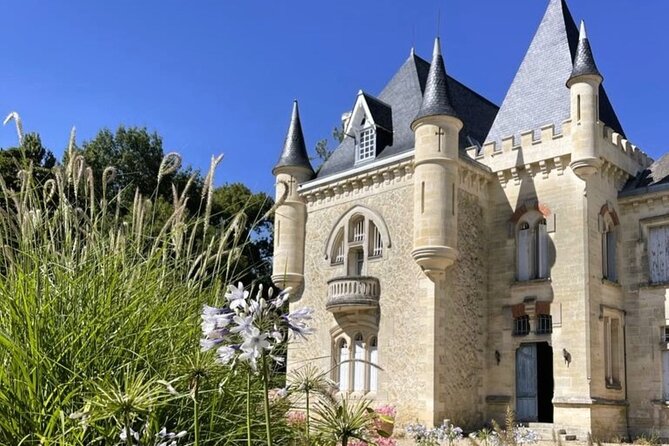
Let’s talk about what you actually taste and how to get value from it. This tour is designed around guided tasting, not a free-for-all.
You can expect:
- Air-conditioned transport between stops, so you’re not stressed about getting comfortable before tastings.
- Guided winery tours, which gives context before the glass.
- 5–6 wines tasted across two château/estate settings.
Here’s the trick: taste fewer wines more deeply. In a tour format, it’s easy to fall into passive mode—swirl, sip, forget. Instead, treat each wine as a mini lesson. When you move between the two places, look for patterns: does one estate lean more toward elegance while the other feels more structured? Does one style match the food from lunch better?
Also, the day’s pace keeps it from becoming purely alcohol-focused. You’re balancing town walking, a garden meal, and tasting. If your main goal is “taste everything and buy a case,” you might find this tour less intense than you want. But if your goal is to understand the region in a single afternoon-and-evening block of time, this format makes a lot of sense.
One important rule: you must be 18 or older to drink alcohol. If you’re traveling with teens or younger kids, they can still do the tour, but only adults can participate in the drinking portion.
A few more Bordeaux tours and experiences worth a look


Small-group pace: why eight people feels different
With a maximum of eight travelers, the tour avoids the “coach herding” feeling that can ruin a wine day. Small-group matters for logistics too—questions get answered, and you’re less likely to be stuck waiting on the slowest walker.
It also changes the vibe during winery stops. When there are fewer people, you usually get clearer explanations. You can ask a follow-up without feeling like you’re taking time from the schedule.
From a comfort standpoint, the day is also structured with breaks:
- 1 hour village walk
- 1 hour château lunch and garden/vineyard time
- 1 hour winery visit and tasting
That rhythm helps you keep your energy. You’re touring for about six hours, but it doesn’t feel like you’re “on” the whole time. The outdoor walking and the meal create breathing room.
One more bonus from practical experience: in small groups, meeting up is easier, and guides can keep the itinerary moving without you losing the thread.
Price and logistics: what you’re paying for and what to plan
At $203.05 per person, this is a mid-range day trip from Bordeaux. The cost is easier to justify when you look at what’s included: picnic lunch, guided winery tours, and tastings of about 5–6 wines, plus an air-conditioned vehicle.
What’s not included is also important:
- No hotel pickup/drop-off
You start at 2792 Place des Quinconces, and the tour ends back at the same meeting point.
- No French language support beyond English-only guiding.
The meeting spot near public transportation is helpful. Still, don’t assume you can roll up five minutes before 10:00 a.m. with perfect clarity. If you’re coming from somewhere else in Bordeaux, give yourself buffer time.
Also, note the tour is English only, and it’s designed for most travelers with the minimum age set at 4 years. Just remember the alcohol rule for adults.
Who this Saint-Émilion tour suits best (and who might not)
This is a great match if you want:
- A guided visit to Saint-Émilion’s medieval core
- A château picnic that feels connected to the wine story
- A realistic tasting count (around 5–6 wines) with context
- A small-group day that feels personal
It can be less ideal if:
- You want a big tasting-heavy day where you’re guaranteed a long list of pours and lots of time at multiple estates.
- You rely on hotel pickup. Since there’s no pickup, you’ll want to be comfortable reaching the meeting point by public transport or on foot/taxi.
The day also works especially well for couples and families who want one clear, organized plan. One theme I’ve seen people appreciate is that the experience teaches you about the region and the place, not just the flavors. If you like history and walking, that village time is worth it.
Tips to make the day feel smooth
A few practical habits will help you enjoy it more:
- Bring comfortable shoes. Saint-Émilion’s streets can be uneven, and you’ll be walking enough to justify good soles.
- Plan for the midday outdoors. Lunch happens in a garden area, and you’ll have time to walk the surroundings.
- Use the tasting as comparison time. Don’t try to remember every note; focus on the big differences between the two estates.
- Ask your guide questions early. In smaller groups, it’s easier to get answers before the day gets busy.
- If you’re sensitive to alcohol, pace yourself. You’ll taste multiple wines, so slow down and sip intentionally.
If you’re traveling with kids under drinking age, this is one of the smarter wine-region days because you get the village and walking segments too—so the day isn’t only about wine.
Should you book this Saint-Émilion day trip?
If you want a well-paced Saint-Émilion day that mixes medieval village time with two real winery stops, I’d book it. The strongest reasons are the structure: village first for context, picnic and garden walking in the middle, then cellar access and tasting at a family estate. With a small group capped at eight and English-only guiding, it’s designed for comfort and clarity.
I’d especially consider it if you care about value beyond tasting—meaning lunch quality, guided interpretation, and a day plan that doesn’t feel like a rushed checklist. And if you end up with a guide like Marion, Gabriel, or Mel/Melanie (names I’ve seen associated with excellent experiences), you’ll likely get a more meaningful explanation of the region and the wineries.
Skip it if you need hotel pickup or if you’re craving a more alcohol-focused, high-volume tasting schedule. Otherwise, this is a solid, no-nonsense way to experience Saint-Émilion and the Bordeaux wine culture around it in a single day.
FAQ
What’s the duration of the Saint-Émilion full day tour?
It runs for about 6 hours.
How many wines are included in the tastings?
You’ll taste about 5/6 wines total, with roughly 2/3 wines tasted per château.
How large is the group?
The tour has a maximum of 8 travelers.
Is the tour in English?
Yes, the tour is offered in English only.
Where does the tour start and end?
It starts at 2792 Place des Quinconces in Bordeaux and ends back at the same meeting point.
Is hotel pickup included?
No, hotel pickup and drop-off are not included.
Can children join the tour?
Yes. The minimum age is 4 years.
Are there age limits for drinking alcohol?
Yes. You must be 18 years old to drink alcohol.
What’s included in the lunch?
Lunch is a picnic lunch with local products, served at Château Côte de Baleau, in the garden area.
Can I cancel and get a refund?
You can cancel for a full refund if you cancel at least 24 hours before the tour starts.