REVIEW · BORDEAUX
From Bordeaux: Full-Day Medoc Wine Tour
Book on GetYourGuide →Operated by Ophorus · Bookable on GetYourGuide
One day, five Medoc names, three châteaux. This is the kind of trip that turns a big, confusing wine region into something you can actually remember, because you taste and compare multiple estates along the way. I love the three estate tastings at carefully chosen Classified Growth or Cru Bourgeois properties, and I love how the licensed English wine guide helps you pick out the differences between blends and flavors. The main drawback: meals and drinks aren’t included, so you’ll want to eat before you start and budget for lunch in Pauillac.
Medoc runs on Cabernet Sauvignon and Merlot, and this tour uses that simple fact to build real understanding fast. Expect stops for guided vineyard context, then structured tastings that make the region feel less like wine trivia and more like a set of choices. Just note the tour is adult-only, and you must be 18 to drink alcohol, so plan accordingly.
In This Review
- Key things to know before you go
- Why Medoc from Bordeaux works better than DIY
- Getting started: the Bordeaux meeting point and first van ride
- Small-group pacing: how the day stays relaxed
- First winery stop: your guided estate visit and tasting
- Pauillac break: free time plus another tasting moment
- Second winery stop: comparing the style, not memorizing labels
- Third stop: the final tasting and the risk of running a little late
- The castle road drive-bys: Margaux and the famous names
- What you’ll learn about Medoc flavors (and how to use it later)
- Price and value: where $259 really goes
- Who this tour suits best (and who should skip it)
- Should you book this Medoc day tour?
- FAQ
- FAQ
- How long is the Medoc wine tour?
- What’s included in the price?
- Does the tour include meals?
- How many wineries or tastings are part of the tour?
- Is the guide available in English?
- What’s the group size?
- Where do we meet in Bordeaux?
- Are children allowed?
- Is it possible to drink alcohol on the tour?
- What should I bring, and is it weather-dependent?
Key things to know before you go
- Small group (max 8) keeps the car conversation and the Q&A actually useful
- 3 estate stops focused on Classified Growth or Cru Bourgeois, not random vineyards
- English guide who teaches tasting logic, especially how blends translate to taste
- Pauillac break with time on your schedule, plus a tasting moment there too
- Drive-by of famous names along the castle road (think Margaux and friends)
- No snacks during tastings, so eat well before you roll out
Why Medoc from Bordeaux works better than DIY
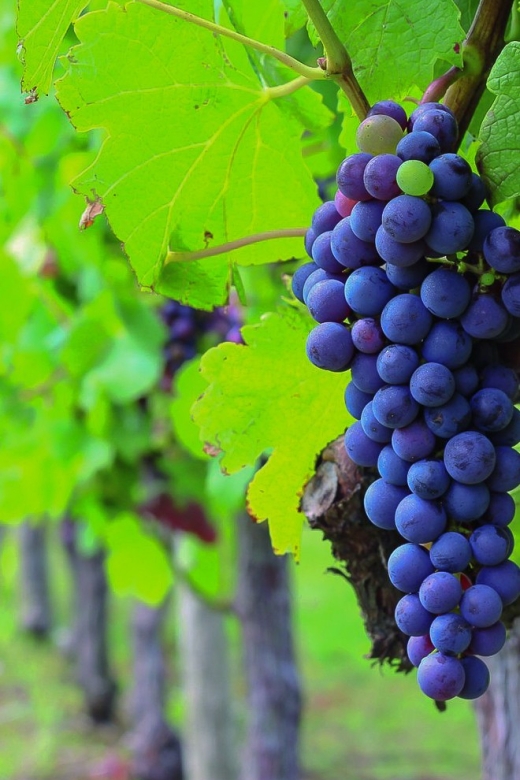
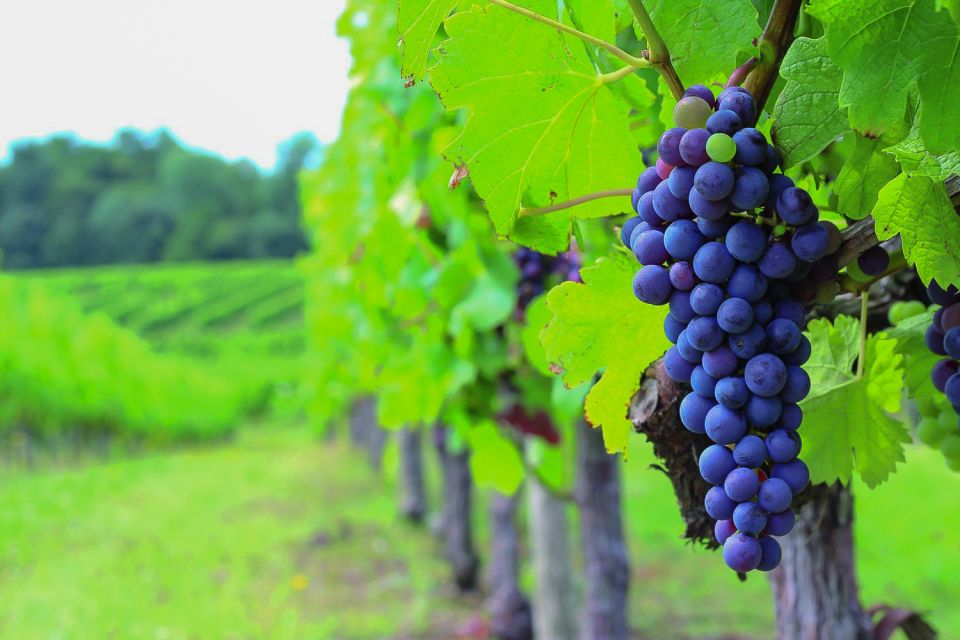
Medoc is a serious wine belt, not a neat little village route. You’re looking at a huge area of vineyards producing a lot of wine each year, with most plantings centered on Cabernet Sauvignon and Merlot (with smaller portions of Petit Verdot and Malbec, plus other permitted varieties like Cabernet Franc and Carménère). If you try to self-drive and arrange tastings on your own, you’ll burn time just getting from one place to another.
This tour saves you that headache. You get a day built around the big Medoc appellations—Margaux, Saint Julien, Pauillac, and Saint Estephe—so even if you’re new to Bordeaux wine, you leave with a clearer mental map. And because you’re tasting at multiple estates, you can connect what you learned (blend and flavor) to what you actually experienced.
You can also read our reviews of more wine tours in Bordeaux

Getting started: the Bordeaux meeting point and first van ride
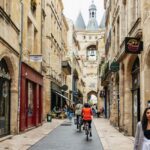
You meet at the Office de Tourisme et des Congrès de Bordeaux Métropole, 12 cours du 30 Juillet. From there, the day moves quickly: you’ll head out toward the Medoc wine country by van, with the schedule designed for a full, uninterrupted day.
What matters here is timing and focus. You’re not wandering around Bordeaux trying to solve logistics, and you’re not stuck waiting too long between tastings. The van time is part of the experience—your guide can set the stage so the later estate visits make sense.
Small-group pacing: how the day stays relaxed
This is a small-group tour limited to 8 participants, and that shows in how the day flows. You’re not just herded from room to room; the guide can answer questions and keep the group together without rushing. Many people appreciate that the pace feels controlled, with enough time to move through the sites and still enjoy the tastings.
Expect a mix of guided time and quieter breaks. Between winery stops, there are shorter drives, and one longer break in Pauillac where you’re not locked into the next instruction the second you step out of the van.
Comfort also counts on a day like this. The tour uses a van setup meant for wine-country touring, and the best part is you can spend your energy on tasting and questions, not on directions.
First winery stop: your guided estate visit and tasting
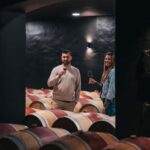
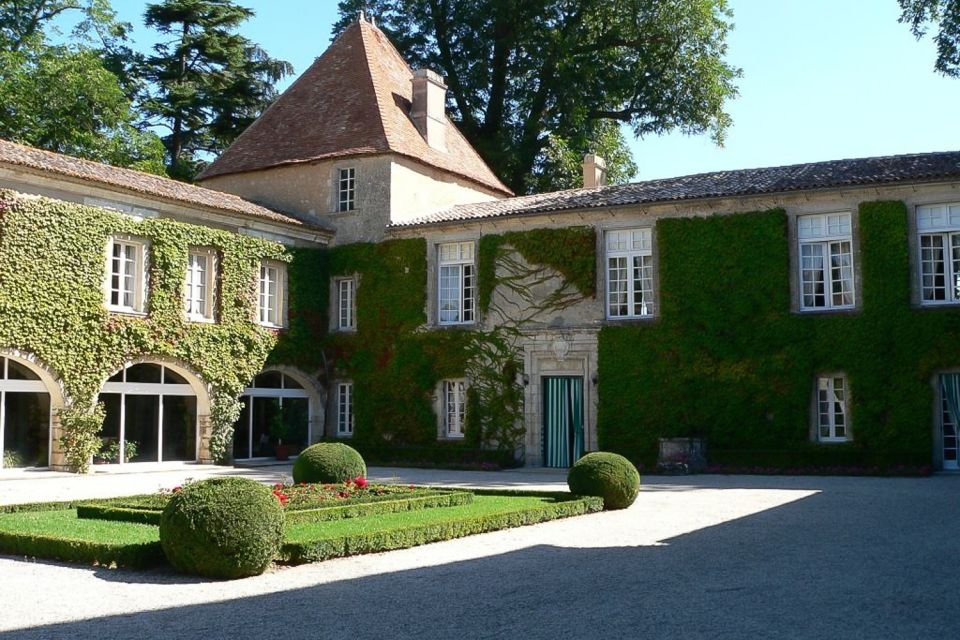
Your first major stop is a winery visit with a guided tour and a tasting session lasting about an hour. The estates are chosen from Classified Growth châteaux or Cru Bourgeois properties, and the goal is variety—different operations and different wine approaches within the Medoc context.
This is where your guide really matters. You’re not just tasting; you’re learning how these estates see themselves: their history, the wine-making process, and the techniques used during production. Even if you don’t know your Merlot from your Cabernet yet, the guide’s job is to translate the technical stuff into sensory cues.
You’ll also notice that not every tasting is built the same way. Some wineries emphasize different aspects of their wines and may offer a smaller range of tasting selections. That’s normal for Medoc estate culture, so don’t expect a giant buffet of labels at every stop.
Pauillac break: free time plus another tasting moment
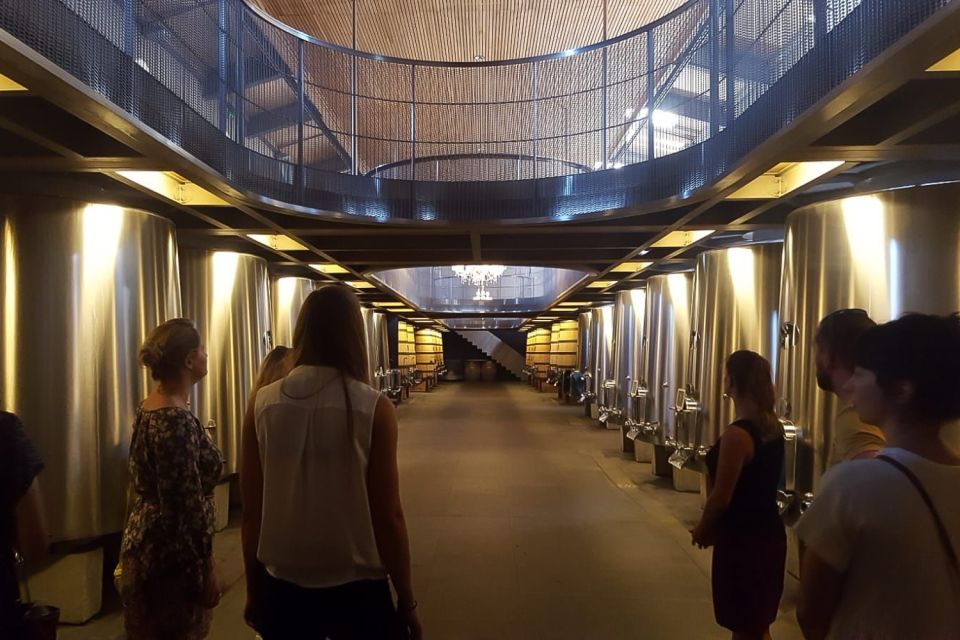
After the first winery, the schedule takes you to Pauillac for a break and free time, including a tasting segment of about 1.5 hours. Pauillac isn’t just a name on a map here—it’s your chance to slow down, regroup, and handle food.
Meals are not included, so this is where you’ll likely eat lunch on your own. And because France often doesn’t provide snacks during tastings (the tour guidance specifically notes this), you’ll feel the difference if you show up hungry. Have breakfast beforehand or plan a solid early lunch before the first tasting window.
One smart tip: treat this pause as part of the tasting lesson. Walk a little, look around if you want, then come back ready to compare what you’re tasting now against what you tasted earlier in the day.
A few more Bordeaux tours and experiences worth a look

Second winery stop: comparing the style, not memorizing labels
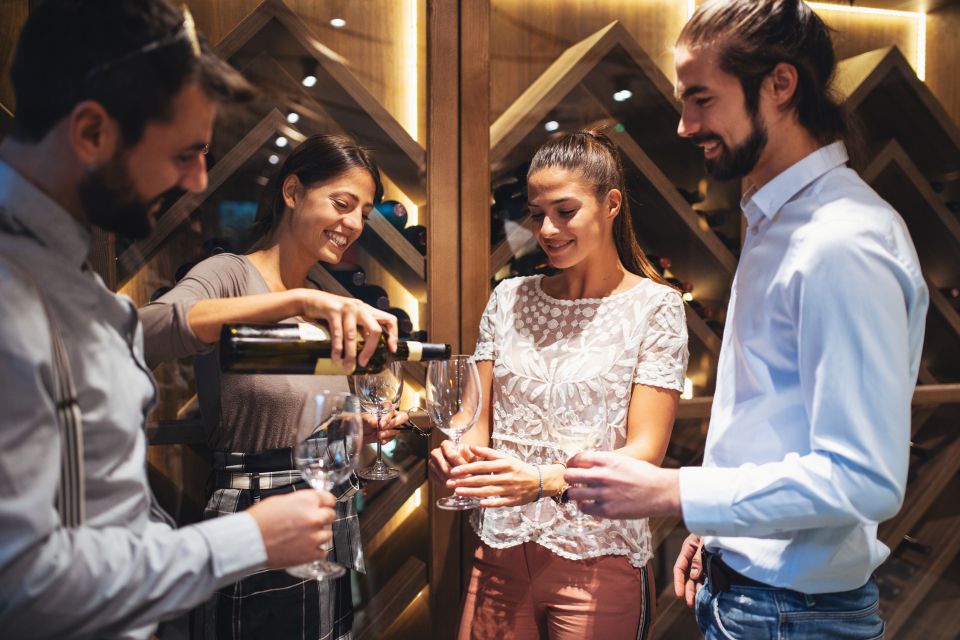
Then comes winery stop number two, again built around a guided visit and tasting of about one hour. This second estate is part of the “compare and contrast” structure of the day. The tour is set up so you can track what changes from château to château: methods, emphasis, and how those choices show up in the glass.
If you’re hoping to learn to tell wines apart, this is where it starts clicking. Many guides also steer you toward tasting logic, like noticing how the mix of grape varieties and production choices can shift fruit, structure, and overall feel.
Some groups even get tastings that highlight specific varieties used in Medoc blends (like Merlot and Cabernet) to help you place the flavors. That kind of direct comparison makes the rest of the day easier to understand.
Third stop: the final tasting and the risk of running a little late
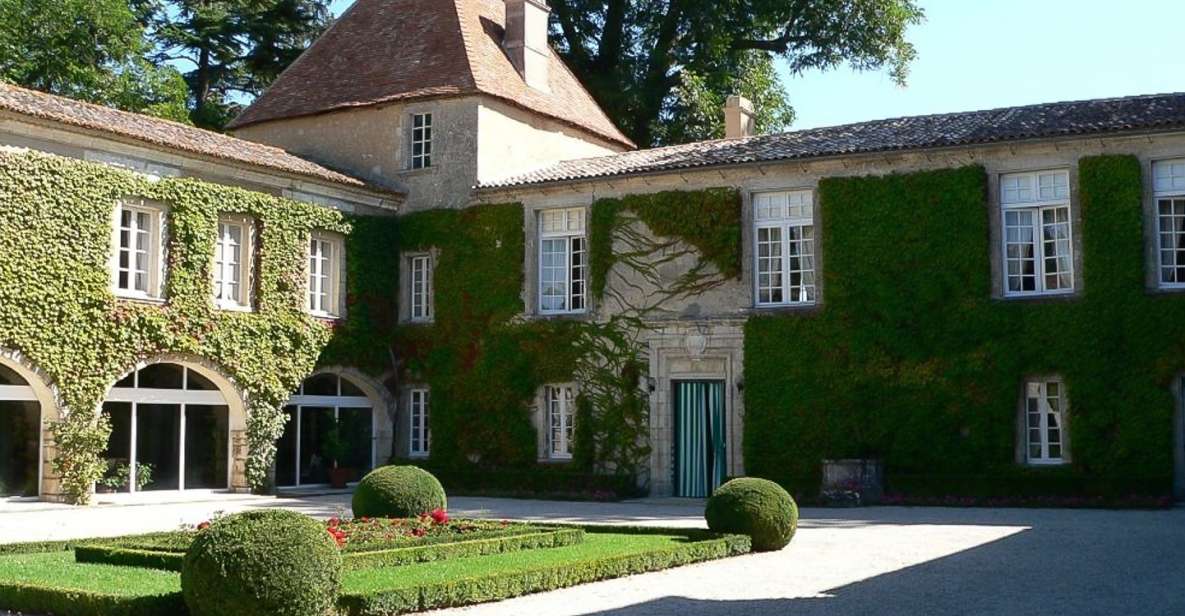
Your last winery stop is another wine tasting session of about one hour, with the visit portion less emphasized than earlier stops. By the time you reach the final tasting, you’re likely feeling the weight of a full day: multiple tastings, driving, walking around the châteaux grounds, and listening to explanations.
That’s the main trade-off. The day is packed enough that the last stop can feel a touch tighter than the first two for some people. The flipside is that it prevents the tour from turning into a slow, endless wine lunch.
Go into the final tasting with a simple goal: don’t chase collecting more information. Focus on one thing you want to remember—maybe how the wine feels in your mouth, or how the finish lands—and let the guide’s explanations help you label what you notice.
The castle road drive-bys: Margaux and the famous names
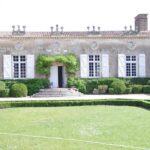
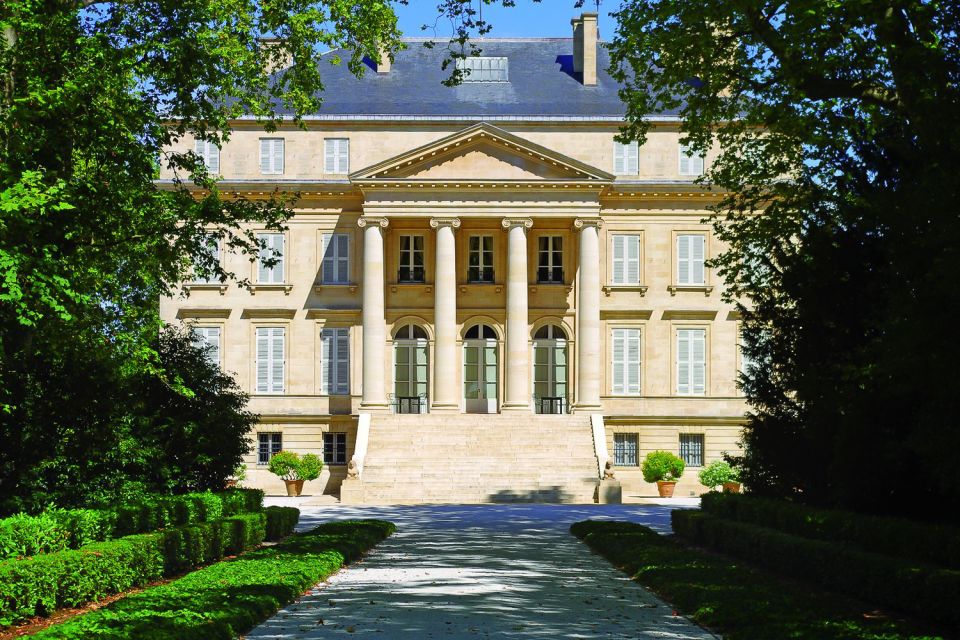
After your tasting sessions, you’ll follow the castle road to see famous châteaux in the region, including Chateau Margaux, Chateau Palmer, and Chateau Pichon Longueville. This is one of the more fun “sense of place” parts of the tour, because you’re not only tasting wine—you’re seeing the scale and style of Medoc’s most famous estates from the road.
One consideration: you shouldn’t assume you’ll get long stops for photos at every famous name. The tour route is built for time efficiency and your tasting sessions, so photo opportunities can be brief and mostly on-the-go.
Still, it’s a solid way to connect the labels you hear about later with the real geography of the region.
What you’ll learn about Medoc flavors (and how to use it later)
The tour guidance doesn’t just say taste wine—it tells you what makes Medoc taste like Medoc. Cabernet Sauvignon and Merlot cover most of the permitted plantings, with Petit Verdot and Malbec in smaller shares, plus other allowed varieties like Cabernet Franc and Carménère.
That matters because your guide can help you connect those grapes and blends to what you sense:
- Cabernet tends to bring more backbone and structure
- Merlot often reads smoother and more rounded
- Smaller varieties can add nuance and texture
You don’t need to memorize anything. You just need a framework for tasting and comparing. Once you have that, future bottles in Bordeaux or elsewhere start to feel less like guessing and more like pattern recognition.
This is also why the “three estates” format is such good value for learning. One château doesn’t define Medoc. Three different operations do.
Price and value: where $259 really goes
At $259 per person for about 8 hours, the question isn’t whether it’s cheap. It’s whether it buys you what you can’t easily replicate yourself.
Here’s what you’re getting for the cost:
- Driver/guide who manages the schedule and teaches tasting context
- 3 estate visits (Classified Growth or Cru Bourgeois)
- All wine tasting fees
- Small-group touring that saves time versus independent driving
Meals and drinks aren’t included, which is why lunch matters. But even with paying for your own food, you’re still avoiding the hardest parts of DIY planning: lining up tasting appointments, coordinating rides, and paying for tasting fees separately.
Where the value can wobble is if your expectations are set on seeing only the most famous “Grand Cru” names up close. The tour focuses on selected estates that fit the day, and on some days, the most famous properties may not be open. You still see those names via the castle road, but you may not get the full access you want from ultra-elite châteaux.
Who this tour suits best (and who should skip it)
This is a great fit if you want a structured Medoc experience without turning it into a part-time job. It works well for wine beginners who want to learn what they’re tasting, and it also helps intermediate wine folks tighten their vocabulary and tasting logic.
It’s less suitable if:
- You need wheelchair accessibility (the tour is not wheelchair accessible)
- You want a child-friendly outing (it’s adult-only; under 18 not allowed)
- You’re traveling with pets (pets aren’t allowed)
- You expect meals to be included
If you’re 18+ and you enjoy learning through tasting (not just sightseeing), this tour hits the sweet spot.
Should you book this Medoc day tour?
I’d book this if you want an easy, educational Medoc day that’s built around real tastings and real comparison. The small-group size, the English-speaking wine guide, and the three estate structure make it a strong learning format, especially for first-timers. The castle road drive-bys add that wow factor without requiring you to rearrange your whole day.
I’d think twice if you’re very picky about lunch quality and you don’t like paying for it separately, or if your main goal is maximum access to the most famous châteaux. This tour is designed for balance: tasting plus context plus famous-name scenery, all within a single 8-hour block.
If that sounds like your kind of day in Bordeaux, it’s an easy yes.
FAQ
FAQ
How long is the Medoc wine tour?
The tour lasts 8 hours.
What’s included in the price?
You get 3 estate visits with wine tasting fees included, plus a driver/guide.
Does the tour include meals?
No. Meals and drinks are not included.
How many wineries or tastings are part of the tour?
There are visits and tastings at 3 classified growth or Cru Bourgeois châteaux, and you also have a Pauillac break that includes a wine tasting.
Is the guide available in English?
Yes. The tour has a live English-speaking guide.
What’s the group size?
It’s a small group limited to 8 participants.
Where do we meet in Bordeaux?
You meet in front of the Office de Tourisme et des Congrès de Bordeaux Métropole at 12 cours du 30 Juillet, 33000 Bordeaux.
Are children allowed?
No. It is an adult-only tour, and children under 18 are not allowed.
Is it possible to drink alcohol on the tour?
You must be 18 to drink alcohol.
What should I bring, and is it weather-dependent?
Bring your passport or ID card and comfortable shoes. The tour runs rain or shine, so dress for the weather.