REVIEW · REIMS
From Reims morning Champagne family growers
Book on Viator →Operated by À La Française · Bookable on Viator
Champagne mornings in Reims are pure joy. This half-day tour strings together working cellars, vineyard views, and an English guide with six tastings at two family-run producers. I love how the visit starts with the real Champagne-making workflow, not just a quick pour-and-go.
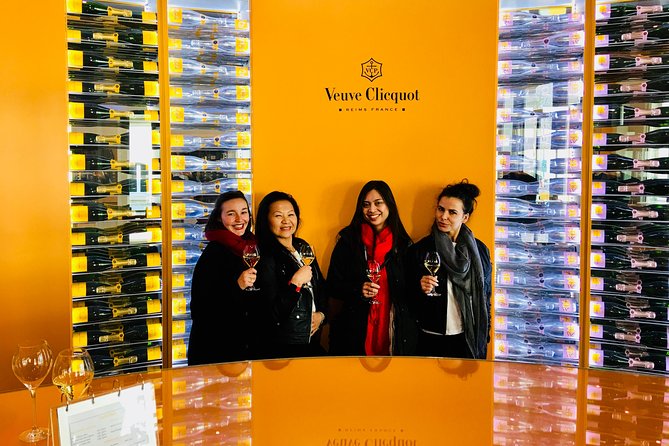
My second favorite part is the comparative feel. You taste different bottles side-by-side, then you get context from the people who run the place—something I always find more human than the big brand tours. Expect a close-up experience that helps you understand what changes from one house to the next.
One possible drawback: there’s no lunch or snacks included, so you’ll want to eat beforehand (and plan for water on your own). The tour is timed for the morning, but the tasting can still feel like a lot if you show up hungry.
In This Review
- Key highlights you’ll actually use
- Why this tour schedule (9:20 to 1:15) feels smart
- The small-group size that changes everything
- Where you meet (and how easy it is to start)
- Stop 1: First family winery with 3 tastings (and a real process tour)
- Vineyard time on the Montagne de Reims (about 20 minutes)
- Stop 3: Second producer with another 3 glasses (the comparison moment)
- What you’re tasting (and how to get more out of it)
- Price and value: $139.13 for a focused, producer-based morning
- Practical matters that can make or break your day
- Who this Champagne tour is best for
- Should you book it? My quick decision guide
- FAQ
- Where does the tour start and end?
- What time does the tour run?
- How big is the group?
- Is the tour offered in English?
- How many tastings are included?
- Is lunch or snacks included?
Key highlights you’ll actually use
- 6 tastings across two family producers so you can compare styles with guidance
- Working-cellar focus with a full look at the Champagne process from start to finish
- Montagne de Reims vineyard stop for scenery and a quick reset between tastings
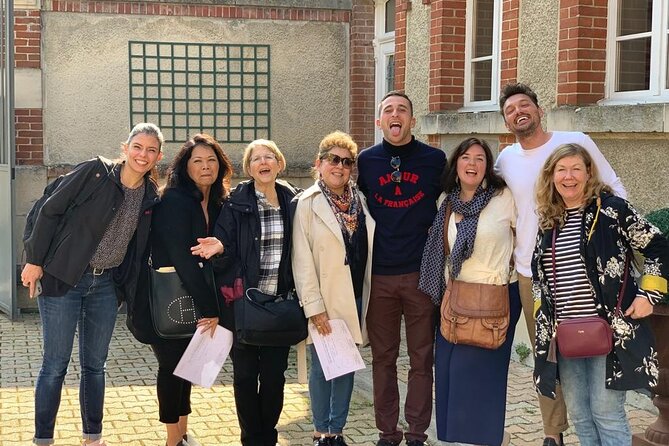
- Maximum 8 people means more time for questions and real interaction
- English-speaking local guide who ties the region together, from grapes to Reims culture
- Morning schedule (9:20AM to 1:15PM) that fits perfectly around train days
Why this tour schedule (9:20 to 1:15) feels smart
If you’re basing yourself in Reims, this morning format is a practical win. You start at 9:20AM and you’re back around 1:15PM, which means you can keep the rest of your day for lunch, Reims Cathedral area wandering, or even another short stop nearby.
Morning tastings also tend to be calmer. The tour stays focused on Champagne producers and the process, so you don’t lose half a day hopping between multiple attractions. One of the nice themes I noticed in the feedback: people describe the pacing as well-timed, with time to enjoy the caves and then sip without feeling rushed.
You can also read our reviews of more wine tours in Reims
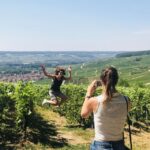

The small-group size that changes everything
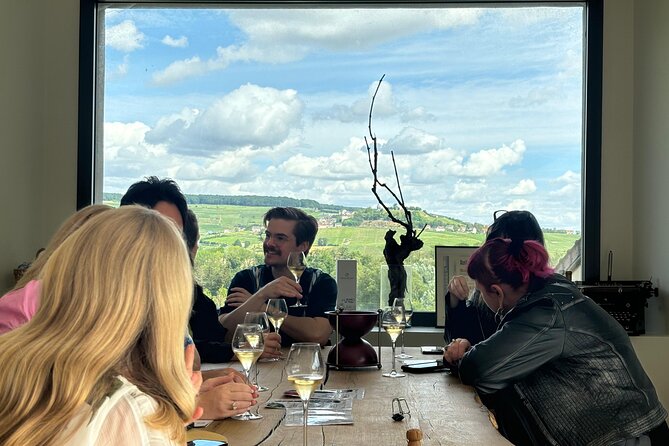
This is a small-group tour with a maximum of 8 people. That matters more than you might think. With a tight group, your guide can adjust explanations on the fly, and you’re more likely to get direct answers instead of hearing a rushed version meant for the loudest question.
It also makes the winery visits feel personal. Multiple tour experiences highlight the welcoming nature of small family producers and the sense that you’re treated like a visitor—not a stop on a conveyor belt. Guides named in feedback—like Julie, Thomas, Jérôme, Martin, Suzanne, Chloé, Anne, and Emily—are repeatedly described as friendly and able to keep both casual drinkers and serious wine nerds engaged.
Where you meet (and how easy it is to start)
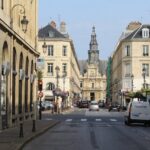
You’ll meet at Office de Tourisme du Grand Reims – Site Gare, right by the train station area at Cr de la Gare, 51100 Reims. The good news: it’s near public transportation, so you don’t need a hotel pickup to make the timing work.
Also, the tour ends back at the same meeting point. That saves you from the common headache of trying to figure out transport at the end of a half day.
A practical tip: if you’re arriving by train, plan a little buffer. Some guests noted the guide waiting when trains were delayed, which is a comfort—but you don’t want to bet your day on perfect timing.
Stop 1: First family winery with 3 tastings (and a real process tour)
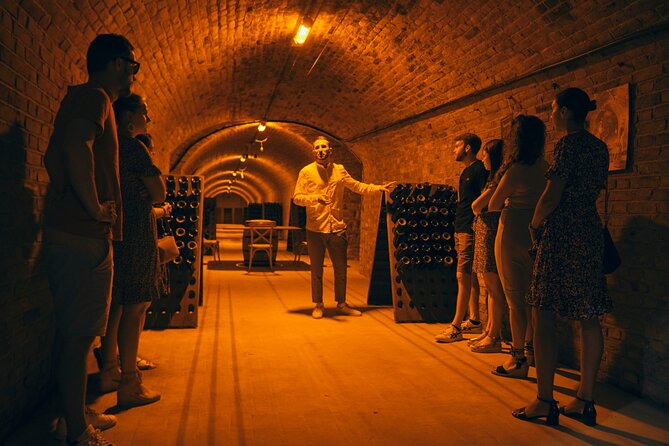
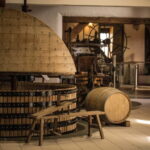
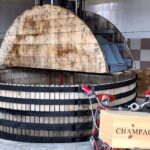
Your first winery visit runs about 1 hour 30 minutes and includes three tastings. This is where the tour earns its keep for first-timers. You’re not just shown where bottles are stored; you’re guided through how Champagne is made from start to finish.
What I like about this structure is that it builds your tasting brain. You hear the process, then you taste. That means when you pick up differences in style, you’re not guessing—you have a framework for what to look for.
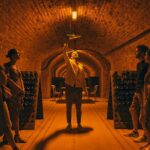
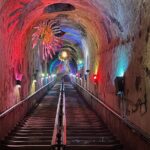
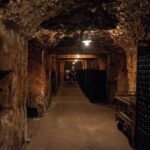
The other reason this stop lands well for most people: it’s described as hands-on and paced. Guests highlight the timing between education and sipping, and the chance to enjoy the caves rather than being marched through a dark hallway like a drive-thru.
Finally, there’s often a human element. Several experiences mention meeting the people who run the house. That can add a lot of charm, especially if you’re more interested in how a family business thinks than in a scripted factory spiel.
Vineyard time on the Montagne de Reims (about 20 minutes)
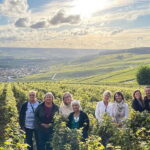
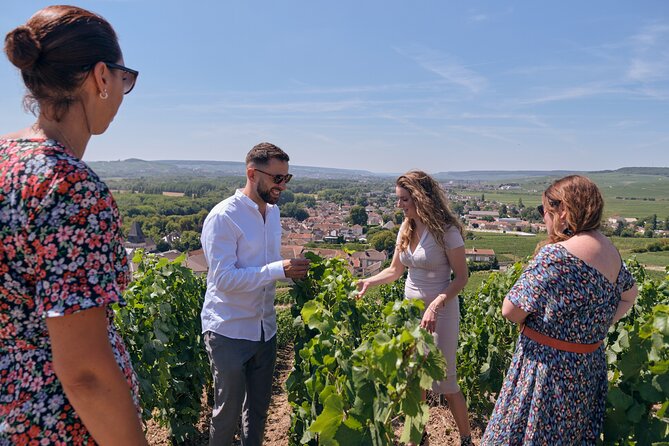
After the first winery, you get a short 20-minute break with a stop in the vineyards of the Montagne de Reims. This is not a long hike, but it’s valuable.
Why? Because Champagne isn’t just a cellar product. Seeing the vineyard landscape helps you connect the bottle to the place. It also gives you a chance to reset your senses between tastings.
Wear casual shoes, since you’ll be walking in the vines. Weather can also change how the ground feels, so dress appropriately for rain or cool mornings. One of the practical pros noted is that the tour operates in all weather, so plan on dressing for the reality, not the brochure version.
A few more Reims tours and experiences worth a look

Stop 3: Second producer with another 3 glasses (the comparison moment)
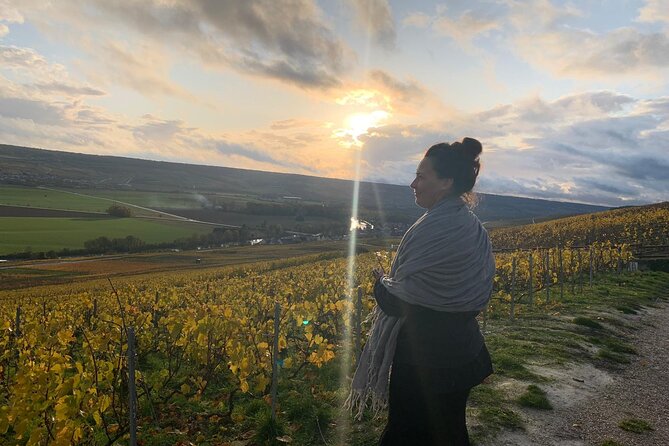
The second winery visit lasts about 1 hour and includes three tastings. This is the part that turns the tour from educational into memorable.
Why comparison works: once you’ve tasted at the first house, your palate starts forming questions. Is it fruit-forward or more structured? Does it feel crisp or round? The second stop gives you quick contrast, and your guide helps translate that contrast into something you can name.
Feedback repeatedly points out that these aren’t cookie-cutter visits. People describe the two family producers as each having their own character, which is exactly what you want on a tour like this. Instead of seeing the same approach twice, you get two ways of making Champagne and two ways of running a small operation.
If you’re the kind of traveler who wants to leave with a clearer sense of what you like (and why), this is where you can lock it in. The tasting total is six across both producers, so you get enough variety to learn without being swamped.
What you’re tasting (and how to get more out of it)
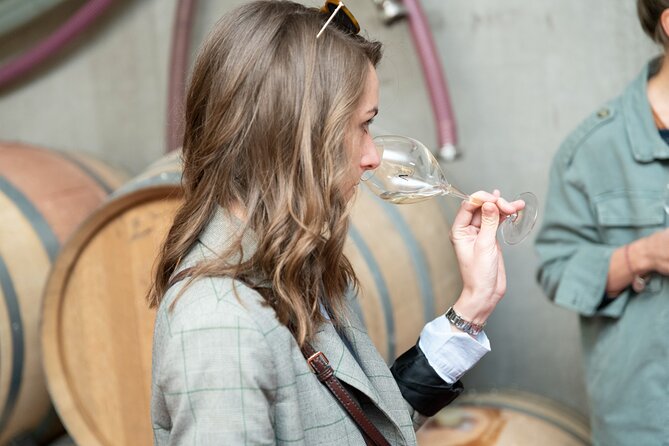
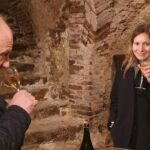
You’ll do 6 tastings total—three at the first winery and three at the second. The tour isn’t just about drinking. It’s about learning enough to make your next bottle purchase smarter.
Here’s a simple way to get value from those tastings:
- Take a quick mental note of what changes between stops: brightness, texture, and finish.
- Pay attention to any guidance your guide gives on how to taste. People in the feedback mention lessons that helped them appreciate the process better, not just the flavor.
- If you’re unsure what you like, focus on one thing at a time. For example, first notice whether the style feels dry and crisp, then notice mouthfeel.
A small, practical reminder: the tour includes entrances and tastings, but it does not include food or snacks. Several people specifically called this out. That doesn’t mean it ruins the experience, but it does mean your best tasting day starts with breakfast or a small bite beforehand.
Price and value: $139.13 for a focused, producer-based morning
At $139.13 per person, this is not a cheap Champagne whim. But it’s also not priced like a private driver plus private cellar time.
The reason the value can feel strong is what’s included:
- Local English-speaking guide
- Small group (max 8)
- Entrance fees for two family-run wineries
- 6 tastings
- The half-day timing that packs a lot into about 3 hours 50 minutes
If you tried to recreate the day on your own, you’d spend time and money just getting to working producers, and you might still miss the context that makes the tasting click. With a guide, you’re paying for interpretation, pacing, and access to tastings that are tied to these specific houses.
Where value can feel weaker: if you’re only interested in a quick drink with zero learning. This tour is structured around understanding the process and comparing styles. If you want just the party part, you might feel the learning takes center stage.
Practical matters that can make or break your day
This tour is designed to run in all weather conditions, so dress for rain or cool wind. You’ll also be in the vines, so skip slick soles. Casual shoes are a must.
You won’t get hotel pickup or drop-off. You’ll start at the station-area meeting point and return there. That’s easy if you’re near Reims Gare. If you’re staying elsewhere, plan your route early so you’re not sprinting to the start time.
Also note what’s not included:
- Lunch
- Snacks
- Water (bring your own or plan to buy after)
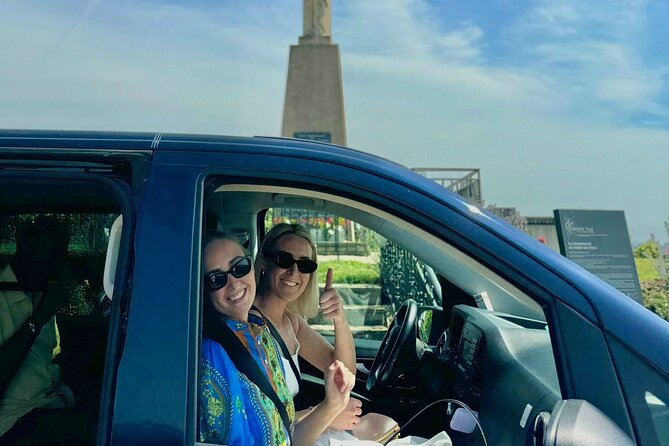
One small comfort detail from feedback: people mentioned a comfortable van for transport, and some noted air-conditioning. That’s not something you can plan on as a guarantee, but it’s worth expecting a normal, comfortable ride between stops.
The tour is not suitable for children under 10, and animals aren’t accepted. If that affects your group planning, factor it in before you book.
Who this Champagne tour is best for
This is a great match if you want:
- A producer-focused Champagne experience (family houses over big, commercial factory tours)
- A short, well-paced morning instead of an all-day outing
- Comparisons between styles, with tastings adding up to enough variety to learn something
- A guide who explains both Champagne making and the region around Reims
It’s also a good choice if you’re in town for a train day. The meeting point near Gare and the afternoon-free schedule make it easy to build into a tight itinerary.
If you’re looking for a big dose of Reims history sites, this tour is probably not your only stop. The format stays centered on vineyards and Champagne producers.
Should you book it? My quick decision guide
Book it if you want a morning in Champagne that mixes process + taste + comparison without dragging on. The small group size and the repeat mention of guides like Julie, Thomas, Jérôme, Martin, Suzanne, Chloé, Anne, and Emily suggest you’ll get more than just a script—you’ll get explanation and time to enjoy the caves and vineyards.
I’d hesitate if you hate tasting with little food, because snacks and lunch aren’t included. If you choose this tour, solve that one problem by eating beforehand and bringing a bottle of water for between sips.
Bottom line: for most people visiting Reims for the first time, this is a smart, efficient way to understand Champagne while you’re still fresh and curious.
FAQ
Where does the tour start and end?
It starts at the Office de Tourisme du Grand Reims – Site Gare (Train Station) on Cr de la Gare, Reims, and it ends back at the same meeting point.
What time does the tour run?
The shared tour runs from 9:20AM to about 1:15PM, for roughly 3 hours 50 minutes.
How big is the group?
The tour is limited to a maximum of 8 travelers.
Is the tour offered in English?
Yes, the tour is offered with an English-speaking guide.
How many tastings are included?
You’ll have a total of 6 tastings—three at the first family winery and three at the second producer.
Is lunch or snacks included?
No. Lunch, snacks, and water are not included, so plan to eat beforehand and bring or buy water.