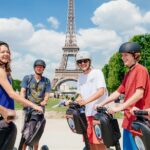
Paris feels different when you move through it.
This 5½-hour bike intro uses a small group, smart stops, and a wine-and-cheese picnic to help you see the city fast without getting stuck in a bus lane. I love how it pairs famous Paris (Champs-Élysées, Pont Alexandre III, Notre-Dame area) with calmer neighborhood time in Saint-Germain-des-Prés and Le Marais. The main thing to consider is that the Louvre visit is time-limited and admission isn’t included, so you may still want a separate plan if you’re serious about inside the museum.
For me, the best part is that the guide keeps the ride feeling personal and easy, with humor and clear explanations (and help if something goes wrong). You’ll also get classic photo angles along bridges and viewpoints, then unwind at Place des Vosges with cheeses, wine, and coffee. One drawback: if you hate cycling, or you’re uncomfortable riding in crowds, this style of tour may feel like hard work rather than a relaxed sightseeing day.
In This Review
- Key things I’d plan around
- First-day Paris on a bike: why this format works
- Price and what you’re really paying for
- Meeting point and the practical basics that affect your day
- Your route: from Pont d’Iéna to Place des Vosges
- Stop 1: Pont d’Iéna (about 5 minutes)
- Stop 2: Champs-Élysées (about 10 minutes)
- Stop 3: Grand Palais (about 10 minutes)
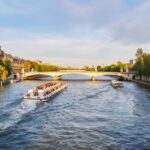
- Stop 4: Pont Alexandre III (about 5 minutes)
- Stop 5: Place de la Concorde (about 10 minutes)
- Stop 6: Louvre Museum (about 15 minutes; admission not included)
- Stop 7: Saint-Germain-des-Prés Quarter (about 25 minutes)
- Stop 8: Place Dauphine (about 10 minutes)
- Stop 9: Cathedrale Notre-Dame de Paris (about 10 minutes)
- Stop 10: Le Marais (about 15 minutes)
- Stop 11: Place des Vosges (1 hour 30 minutes; wine and cheese included)
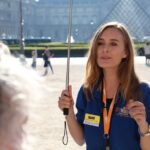
- Guides, pacing, and the “felt like friends” factor
- The best reasons to book this bike tour
- Who this tour fits best (and who should think twice)
- Quick checklist for a smoother afternoon
- Should you book First day in Paris?
- FAQ
- How long is the First Day Bike Tour in Paris?
- What time does the tour start, and where do I meet?
- Is the tour in English?
- How many people are in the group?
- What’s included with the picnic?
- Is Louvre Museum admission included?
- What is the cancellation policy?
Key things I’d plan around

- Small group size (max 8): it stays calmer and you get more attention than on big tours.
- A full afternoon rhythm: 10–25 minute landmark stops, then a long picnic window to slow down.
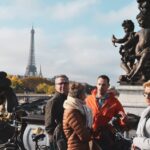
- Iconic bridges + river views: Pont d’Iéna and Pont Alexandre III are built for photos.
- Neighborhood contrast: Saint-Germain-des-Prés and Le Marais balance the big sights.
- Included picnic in Place des Vosges: cheeses, wine, coffee, and enough time to actually enjoy it.
First-day Paris on a bike: why this format works

This tour is designed for one job: help you get your bearings on day one (or near it). In 5 hours 30 minutes, you cover a lot of ground without the “endless waiting” that comes with typical hop-on hop-off routes. Plus, biking keeps the pace natural—you’re not only looking at Paris, you’re moving through it, which makes the city feel more understandable.
The group limit matters. With a maximum of 8 travelers, you’re not fighting the crush at street corners, and you get a guide who can correct details on the spot. Several guide names show up in feedback—people mention Herbert, Peter, and Olivier (or Oliver)—and that lines up with the overall feel: friendly, personable, and practical, not stiff.
You can also read our reviews of more cycling tours in Paris
Price and what you’re really paying for

At $227.70 per person, this is not a bargain-basement activity. You’re paying for three things: a guided bicycle route (including time and expertise), the convenience of having a plan stitched together for your afternoon, and a fully included picnic at the end.
If you’re the kind of traveler who ends up paying anyway—transport, multiple separate tours, museum tickets, and a food stop that costs way more than expected—this starts looking like better value than it seems. The included food and drinks at Place des Vosges are a real component, not an afterthought.
One caution: because Louvre Museum admission is not included, you shouldn’t assume that the Louvre stop automatically solves your museum problem. The tour gives you time at the building, and if you want to go inside, you’ll likely need a separate ticket and plan.
Meeting point and the practical basics that affect your day

You start at 2 Rue de Richelieu, 75001 Paris, and the tour ends back there. It begins at 1:30 pm and runs about 5 hours 30 minutes. You’ll get a mobile ticket, and the meeting area is described as near public transportation, which is useful because Paris is never far from a metro stop.
Language is English, and the tour says most travelers can participate. That said, “most” doesn’t mean “everyone.” If you’re recovering from an injury, feel nervous around bikes, or you’re very short on comfort with sustained riding, you’ll want to think through your comfort level first.
Your route: from Pont d’Iéna to Place des Vosges

This itinerary is a sequence of “views, then streets, then a payoff.” You’ll see a famous skyline moment early, cruise through some of the most recognizable Paris avenues, then spend time in neighborhoods that feel more like daily life.
Here’s how each part works, and what to expect.
Stop 1: Pont d’Iéna (about 5 minutes)
This is a quick hit designed to orient you with a bridge-and-city perspective. It’s also one of the first moments where you get the “oh, that’s Paris” feeling—river geometry, classic angles, and a sense of where you are relative to major landmarks.
Why it’s worth it: bridges in Paris aren’t just crossings; they’re built-in viewpoints.
Possible drawback: it’s brief, so don’t expect deep stories here—use this moment for photos and for getting comfortable on the bike.
You can also read our reviews of more wine tours in Paris




Stop 2: Champs-Élysées (about 10 minutes)
You ride through one of the world’s most famous boulevards. The vibe here is wide, busy, and very Paris in its “big stage” mode.
What you’ll gain: context on what the avenue means and how it fits into the city’s story.
Consideration: the street can be crowded at certain times, so keep your attention on the guide and watch your spacing.
Stop 3: Grand Palais (about 10 minutes)
You’ll stop with enough time for a look and a few classic angles. The playful phrasing around the stop suggests a “can we go in?” curiosity, but the important part is that you’re getting the sight and the location, not a full architectural visit.
Why it works on a bike tour: you can appreciate the scale without turning it into a museum detour.
Drawback: if you’re hoping to spend time inside, this is not that stop.
Stop 4: Pont Alexandre III (about 5 minutes)
This bridge is famed for glamour and detail, and it’s the kind of place where the guide can point out what to look for beyond the obvious.
Best use of your time: treat it like your “pause and frame the shot” moment.
What to watch for: reflections and the way the bridge lines up with surrounding landmarks—this is where photos can really pay off.
Stop 5: Place de la Concorde (about 10 minutes)
You get a broad view of this massive square and likely some story context around it. The “1977?” wink tells you the guide isn’t afraid to bring humor into the facts.
Why it’s included: it’s a major crossroads that helps you understand how Paris connects.
Consideration: on a bike tour, this is a stop for appreciation, not lingering.
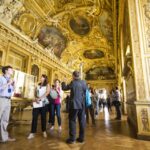
Stop 6: Louvre Museum (about 15 minutes; admission not included)
This is the pivot point. You’ll have time at the Louvre area, but Louvre entry is not included. That means you should think of this as “see it, get oriented, and decide later.”
If you want to go inside: plan a separate ticket and time slot.
If you just want the sights: use the stop to appreciate the building presence and take photos, then move on while you still have energy.
Stop 7: Saint-Germain-des-Prés Quarter (about 25 minutes)
Now the tour shifts gears toward a more neighborhood-feeling Paris. Saint-Germain-des-Prés is known for cafés, thinkers, and that slightly romantic left-bank mood.
Why you’ll like it: it’s a change from the big monuments. You get more “walk-around” style time, even though you’re still biking between stops.
What to listen for: guides tend to connect place names to everyday culture here—how the area lives beyond the postcards.
Stop 8: Place Dauphine (about 10 minutes)
This is a smaller, more contained-feeling square. It’s the kind of place where you notice details—street layout, corners that look made for photos, and the sense that Paris planning still matters at street level.
Value on this tour: it breaks up the big-sight rhythm before Notre-Dame.
Practical note: keep your phone ready for pictures, but don’t get so focused that you miss the bike flow.
Stop 9: Cathedrale Notre-Dame de Paris (about 10 minutes)
You arrive at a landmark with heavy emotional weight. Even without going inside, a short stop can do a lot to reset your perspective on Paris—this isn’t just architecture; it’s part of the city’s identity and memory.
Why it’s included: it’s a major emotional landmark in the middle of the route.
Consideration: it’s brief, so if you want a longer visit, you’ll need another day.
Stop 10: Le Marais (about 15 minutes)
Le Marais is the “old Paris” zone you can feel in your stroll. This segment is short, but it’s long enough to shift your attention from major monuments to street character.
What you’ll get: atmosphere and location context—how Le Marais fits into the wider Paris map.
Drawback: it’s not a full neighborhood tour. Think of it as a taste.
Stop 11: Place des Vosges (1 hour 30 minutes; wine and cheese included)
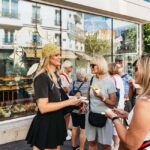
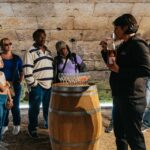
This is your big payoff. You get a long window here—about 1 hour 30 minutes—for the wine-and-cheese picnic. The tour description includes cheeses, wine, and coffee, and the overall vibe from feedback points to an added bonus: pastries show up as part of the picnic experience.
Place des Vosges is ideal for this because it feels like a pause button. You sit in a classic setting and let your senses catch up after moving through the city.
How to get the most out of the picnic time:
- Slow down and actually look around the square.
- Eat before you get too full of photos—otherwise the moment passes fast.
- If you’re carrying your phone or wallet, keep it secure and zipped. One guide helped recover a lost phone for someone during the experience—so treat pocket security as part of the planning.
Guides, pacing, and the “felt like friends” factor

The tour is built around guide personality as much as it is built around landmarks. Multiple people mention Peter and Herbert by name, plus Olivier/Oliver as another guide who makes things fun and clear. The consistent theme: the guide doesn’t just point—he explains in a way that feels calm and doable.
You’ll also notice a practical pacing pattern: quick stops for major visuals (Ponts, squares, grand buildings) and longer time in places where atmosphere matters (Saint-Germain-des-Prés and Place des Vosges). That balance is what makes it feel like a first-day win rather than a hurried checklist.
Even on a rainy day, feedback notes that the experience stayed enjoyable. That tells me the operation isn’t rigid. If the weather turns, you’re likely to keep moving and still get the key moments.
The best reasons to book this bike tour

This tour shines when you want three things at once:
- A fast, guided overview of Paris that makes later plans easier.
- A mix of iconic sights and real neighborhood time.
- A food moment that’s part of the experience, not just a meal break.
If you’re traveling with friends, it’s also a strong group-friendly format because the ride creates shared conversation, then the picnic turns into an actual hang. The maximum of 8 travelers also helps the group dynamic stay friendly instead of chaotic.
Who this tour fits best (and who should think twice)

You’ll likely love it if:
- You’re visiting Paris for the first time and want an orientation that feels fun.
- You want a mix of monuments and neighborhoods, not just one category of sights.
- You enjoy cycling enough to treat it as a sightseeing tool.
You might want to rethink it if:
- You strongly prefer walking-only tours or you’re not comfortable riding in city traffic.
- You’re hoping for a deep museum day. The Louvre stop is short and admission isn’t included.
Quick checklist for a smoother afternoon
These are the small habits that make a difference on a bike tour in a major city:
- Wear comfortable clothing and shoes you can stand in.
- Bring a way to keep valuables secure (zip pockets help).
- Plan your Louvre expectations. If you want the inside, book it separately.
- Keep your phone charged for bridges and squares—those viewpoints are where your photos get the most value.
Should you book First day in Paris?
Yes, if you want a high-value first impression. For the price, you’re buying guided routing, a small-group experience, and an included wine-and-cheese picnic that gives you a real Paris moment in Place des Vosges. The biggest decision point is the Louvre: this tour gives you a taste and orientation, not full museum time.
If your priority is museum depth, pair this with a separate Louvre plan on another day. If your priority is getting oriented and enjoying Paris with minimal hassle, this is the kind of afternoon that saves time later.
FAQ
How long is the First Day Bike Tour in Paris?
It runs for about 5 hours 30 minutes (approx.).
What time does the tour start, and where do I meet?
The start time is 1:30 pm, and the meeting point is 2 Rue de Richelieu, 75001 Paris, France.
Is the tour in English?
Yes, it’s offered in English.
How many people are in the group?
The tour has a maximum of 8 travelers.
What’s included with the picnic?
At Place des Vosges, the tour includes a picnic with cheeses, wine, and coffee.
Is Louvre Museum admission included?
No. The stop at the Louvre Museum is listed as admission not included.
What is the cancellation policy?
You can cancel for a full refund up to 24 hours before the experience’s start time. Free cancellation is available until then.